
Ressources
Explorez une large gamme de ressources sur le GCED afin d’approfondir votre compréhension et de renforcer vos activités de recherche, de plaidoyer, d’enseignement et d’apprentissage.
2,162 résultats trouvés
 유네스코학교 길라잡이: 밑동부터 차근차근 Année de publication: 2020 Auteur: 김다영 | 박현주 | 유성상 | 임재민 | 정다정 Auteur institutionnel: 유네스코한국위원회 본 자료는 유네스코학교 담당 신규교사를 위한 길라잡이로, 유네스코학교 담당교사들이 직접 집필에 참여하였다. 유네스코학교 연간운영계획 예시 및 실제 현장사례와 함께 세계시민교육 관련 교육자료가 풍성하게 담겨있다.
  Consulta regional de la UNESCO en América Latina sobre educación sobre el Holocausto y el genocidio: informe Année de publication: 2014 Auteur institutionnel: UNESCO Santiago This consultation with Latin American Member States sought to raise awareness amongst policymakers and education specialists of the region about the history of the Holocaust, as it can contribute to the prevention of genocide, following United Nations General Assembly resolution 60/7 on Holocaust remembrance. The meeting also aimed at fostering concrete cooperation between UNESCO and Member States on education about the history of genocide and mass atrocities, notably the Holocaust, with a view of introducing the subject in the curriculum and of developing relevant educational programmes in the region. The overall objectives of the project were as follows:▶ Strengthen educational leaders’ awareness and support for Holocaust remembrance and education about the history of genocide and mass atrocities, in line with regional efforts to foster education for peace and human rights.▶ Increase the implementation of education programmes about the history of the Holocaust and other genocides, and support interested Ministries of Education to introduce these subjects in the curriculum.▶ Foster regional exchanges about this topic and facilitate access to good practices regarding Holocaust and genocide related issues and peace education.
 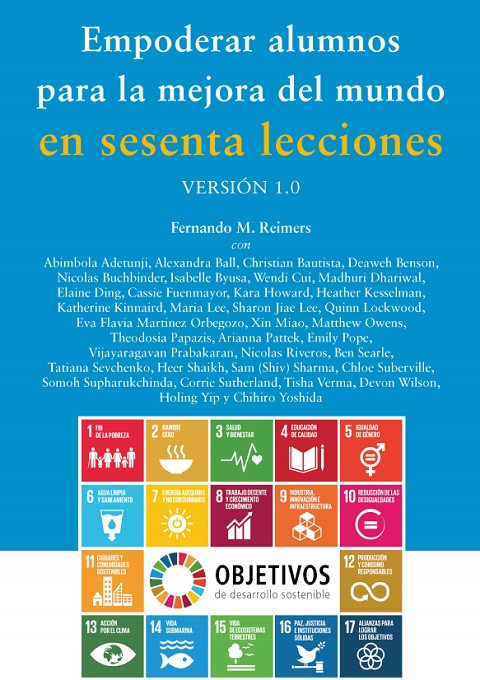 Empowering Students for the Improvement of the World in 60 Lessons: Version 1.0 Année de publication: 2017 Auteur: Fernando Reimers Auteur institutionnel: Centro de Cooperación Regional para la Educación de Adultos en América Latina y el Caribe (CREFAL) This book presents tools for creating and adapting curriculum for Global Citizenship Education as well as a 60-lesson prototype for all grades, from 1th to 12th. Empoderar alumnos para la mejora del mundo en 60 lecciones: versión 1.0 Année de publication: 2017 Auteur: Fernando Reimers Auteur institutionnel: Centro de Cooperación Regional para la Educación de Adultos en América Latina y el Caribe (CREFAL) En este libro se presentan herramientas para crear y adaptar currículos de Educación para la Ciudadanía Global, así como u prototipo de 60 lecciones para todos los grados, desde primero hasta 12.
  Kit Papaz for Bullying and Cyberbullying Prevention and Intervention Année de publication: 2014 Auteur: Lina Saldarriaga | José Fernando Mejía | Enrique Chaux | Andrea Bustamante | Melisa Castellanos | Manuela Jiménez | María Isabel Mejía Auteur institutionnel: Red Papaz | ICBF This Kit is a tool for parents, teachers and caregivers to know what bullying and cyberbullying are, how they can prevent and manage them, and promote healthy school and family coexistence. Kit PaPaz para la prevención y manejo de la intimidación escolar y el ciberacoso Année de publication: 2014 Auteur: Lina Saldarriaga | José Fernando Mejía | Enrique Chaux | Andrea Bustamante | Melisa Castellanos | Manuela Jiménez | María Isabel Mejía Auteur institutionnel: Red Papaz | ICBF Este Kit es una herramienta para que padres, madres docentes y cuidadores conozcan qué son la intimidación escolar y el ciberacoso, cómo pueden prevenirlos y manejarlos y promover la sana convivencia escolar y familiar.
 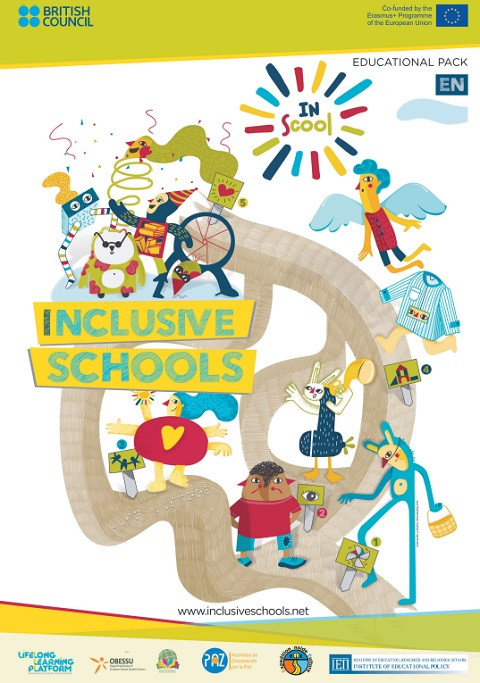 Inclusive Schools: Educational Pack (Inscool) Année de publication: 2019 Auteur: Sian Williams Auteur institutionnel: British Council | European Union (EU) This toolkit is designed to guide you flexibly, in ways that suit your school, through the start of a journey towards inclusion: improving personal and academic outcomes for all children and young people by focusing on their access to and participation in quality, relevant education. A key point to remember about this journey is that it does not have a final destination. Rather, it is about cumulative change that has, at its heart, a continuous focus on including more children and young people in learning and life at school: “an inclusive school is one that is on the move.”
 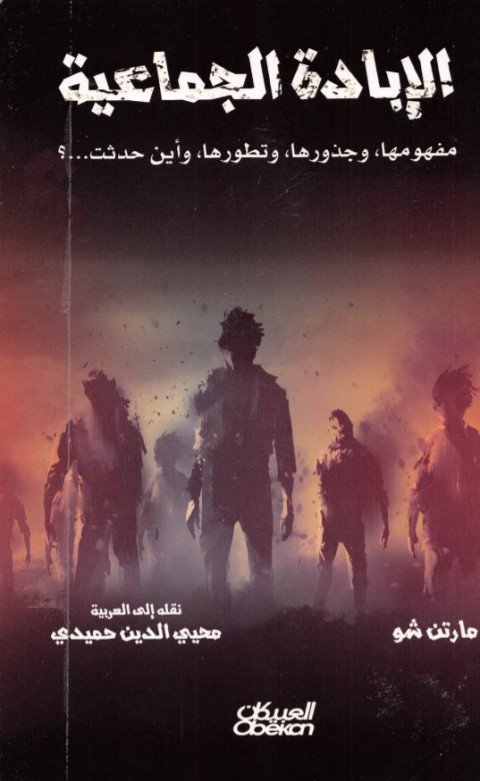 What is Genocide? (Arabic Edition) Année de publication: 2017 Auteur: Martin Shaw Auteur institutionnel: Obeikan Publishing This book translated into Arabic, written by Martin Shaw, in which he talks about genocide, its roots and where it occurred. The book is an original reference in matters of genocide.This fully revised edition of Martin Shaw’s classic, award-winning text proposes a way through the intellectual confusion surrounding genocide. In a thorough account of the idea’s history, Shaw considers its origins and development and its relationships to concepts like ethnic cleansing and politicide. Offering a radical critique of the existing literature on genocide, he argues that what distinguishes genocide from more legitimate warfare is that the ‘enemies’ targeted are groups and individuals of a civilian character. He vividly illustrates his argument with a wide range of historical examples - from the Holocaust to Rwanda and Palestine to Yugoslavia - and shows how the question ‘What is genocide?’ matters politically whenever populations are threatened by violence.
 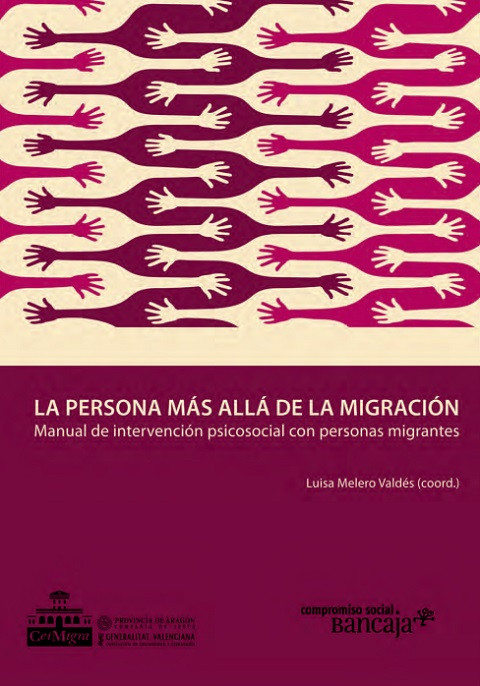 The Person Beyond Migration: Psychosocial Intervention Manual With Migrants Année de publication: 2010 Auteur: Luisa Melero Valdéz Auteur institutionnel: Compromiso Social Bancaja This book collects different views on psychosocial intervention around the issue of migration and provides theoretical and practical tools to work on this topic. Inclusive Schools: Material Educativo (Inscool) Année de publication: 2019 Auteur: Sian Williams Auteur institutionnel: British Council | European Union (EU) Este kit de herramientas se diseñó para orientarle de una manera más flexible, con métodos adaptables a su centro educativo, en el inicio de un viaje hacia la inclusión: en este proceso se mejorarán los resultados personales y académicos de todos las/los menores y jóvenes poniendo el foco en su acceso a una educación de calidad y pertinente, y en su participación en ella. Un aspecto clave que cabe recordar respecto a este viaje es que no tiene un destino definitivo. Más bien, se trata de un cambio acumulativo que alberga, en su núcleo, un propósito constante de incluir a más niñas/os y jóvenes en el aprendizaje y en la vida cotidiana del centro educativo: «una escuela inclusiva es aquella que está siempre en un proceso de evolución».