
Ressources
Explorez une large gamme de ressources sur le GCED afin d’approfondir votre compréhension et de renforcer vos activités de recherche, de plaidoyer, d’enseignement et d’apprentissage.
3,790 résultats trouvés
 Global Citizenship and its Future Horizons in the Arab World Année de publication: 2017 Auteur: Dalia Aljizawi In this article, the researcher is trying to illustrate the concept of global citizenship in the Arab nations. The researcher presented the development of the concept of global citizenship based on the changes that the Arab world faced in the past. The article then goes to state the relationship between the horizons of the global citizenship and nationality/belongings of people to the Arab world. Moreover, there were two indicators presented to evaluate global citizenship. In the last part of the paper, the author talks about implementing global citizenship in education through focusing on cognitive skills, socio-emotional skills and behavioral skills. The author recommends at the end of involving children through education to achieve global citizenship. The paper ends with some recommendations to make children participate in global citizenship education.
 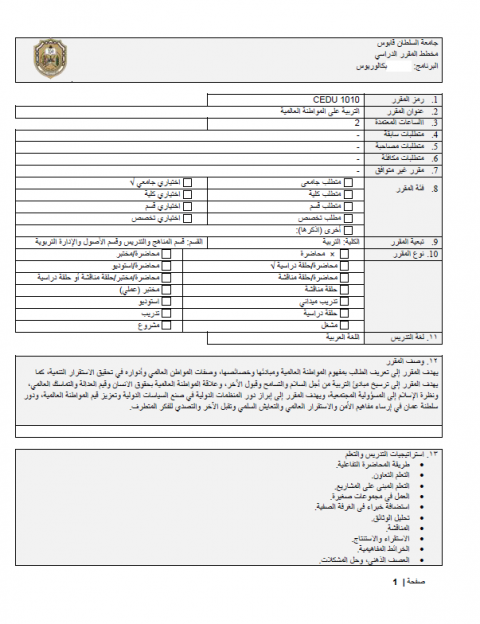 مقرر التربية على المواطنة العالمية Année de publication: 2019 هذا المقرر قام بوضعه مجموعة من الاساتذة بكلية التربية في جامعة السلطان قابوس، وقد جاء هذا المقرر كفكرة بالتعاون بين الجامعة ومكتب اليونسكو ببيروت وأيضا مركز أسيا والمحيط الهادي للتربية من أجل التعاون الدولي. ويهدف المقرر إلى تعريف الطالب بمفهوم المواطنة العالمية ومبادئها وخصائصها، وصفات المواطن العالمي وأدواره في تحقيق الاستقرار التنمية، كما يهدف المقرر إلى ترسيخ مبادئ التربية من أجل السلام والتسامح وقبول ألآخر وعلاقة المواطنة العالمية بحقوق الانسان وقيم العدالة والتماسك العالمي، ونظرة الإسلام إلى المسؤولية المجتمعية، ويهدف المقرر إلى إبراز دور المنظمات الدولية في صنع السياسات الدولية وتعزيز قيم المواطنة العالمية، ودور سلطنة عمان في إرساء مفاهيم الأمن والاستقرار العالمي والتعايش السلمي وتقبل الآخر والتصدي للفكر المتطرف.
 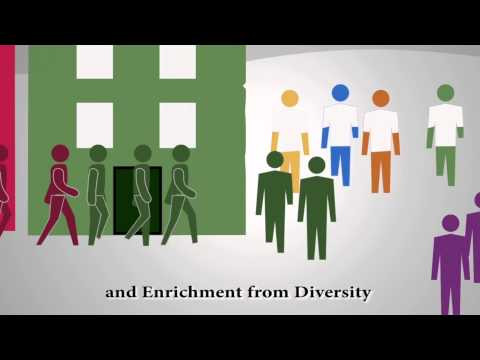 [Video] التربية على المواطنة والتنوع الثقافي Année de publication: 2014 Auteur institutionnel: Adyan Foundation هذا الفيديو تم تحميله بواسطة مؤسسة أديان، ويتحدث الفيديو عن المواطنة وأسسها الداعمة. يسرد الفيديو في المقدمة أن المواطنة ترتكز عى القيم الانسانية المشتركة وخدمة الصالح العام. في الفيديو هناك أشارات للقضايا والتحديات التي تواجه المجتمعات التي تنتج من تهميش بعض الأديان والجماعات، وكيف يمكن أن يقود هذا التهميش لانهيار واندثار المواطنة في المجتمع. الفيديو يؤكد أن المواطنين في أي مجتمع عليهم أن يشاركوا في أنشطة الحياة العامة، مع احترامهم لبعضهم البعض. على المجتمعات أن تستفيد من التنوع الثقافي الذي بها، وبأن الحوار والتفاعل بين المواطنين هو السبيل لدعم وتقوية الافراد ومجتمعاتهم. في الختام، هناك تأكيد بأن المواطنة هي الطريق المؤدي للازدهار والتنمية المستدامة. [Video] Education for citizenship and cultural diversity Année de publication: 2014 Auteur institutionnel: Adyan Foundation The video talks about citizenship and its foundations. It narrates at the introduction that citizenship is based on the respect of common human values and serving of common goods. The video also talks about the issue and challenge of marginalization of certain groups and religions in societies. How such issue is also leading to the collapse of citizenship is presented. It is argued that all citizens in a society have to participate in public life activities in which everyone respect each other. The society should benefit from diversity not get harmed by it. As a solution, it is mentioned that dialogue and interaction between citizens enriches individuals lives and their groups. At the end, it highly emphasized that citizenship is the way to prosperity and sustainable development. Includes English Subtitles
  أثر برنامج تدريبيّ في تنمية مبادئ المواطنة العالميّة لدى معلمي التاريخ في الأردن Année de publication: 2013 Auteur: Zaid Suleiman M. Al-Edwan | Fadyieh Mohmoud A. Bani Mustafa Auteur institutionnel: Deanship of Scientific Research, University of Jordan هدفت الد ا رسة إلى بناء برنامج تدريبيّ لمعلمي التاريخ في ضوء مبادئ المواطنة العالميّة واختبار أثره في مستوى معرفتهم لتلكالمبادئ في الأردن. تكونت عينة الد ا رسة من ( 26 ) معلمًا ومعلمة، تم اختيا رهم بالطريقة العشوائية من معلمي التاريخ للمرحلةالأساسيّة العليا في مديرية التربية والتعليم لمحافظة مأدبا. ولتحقيق أهداف الد ا رسة تم بناء برنامج تدريبيّ في ضوء مبادئالمواطنة العالميّة، هي: السلام العالميّ، والديمق ا رطيّة، وحقوق الإنسان، الإنسان والبيئة، والتفكير العلميّ، والتكنولوجيا،والثقافات المتعددة. وتم اعداد اختبار معرفيّ لمبادئ المواطنة العالميّة. وبعد اج ا رء التحليلات الاحصائية المناسبة أظهرتنتائج الد ا رسة أن مستوى المعرفة القبلية لمعلمي التاريخ للمرحلة الأساسيّة العليا لمبادئ المواطنة العالميّة كان أقل من المستوى0.01 ) بين مستوى المعرفة البعدية لمعلمي =α) المقبول تربويًّا ( 80 %). ووجود فروق ذات دلالة إحصائيّة عند مستوى الدلالةالتاريخ في المرحلة الأساسيّة العليا لمبادئ المواطنة العالميّة والمستوى المقبول تربويًّا ( 80 %)، ولصالح البرنامج التدريبيّ فيكلّ مجال من مبادئ المواطنة العالمية وللمجالات مجتمعة. وأوصت الد ا رسة بتضمين أبعاد مفاهيم المواطنة العالميّة ومبادئهافي الب ا رمج التدريبيّة للمعلمين لزيادة وعيهم بالقضايا العالميّة.الكلمات الدالة: المواطنة العالميّة، معلمي التاريخ، المرحلة الأساسيّة العليا.. The Effect of a Training Program on Developing the Global Citizenship Principles of the History Teachers in Jordan Année de publication: 2013 Auteur: Zaid Suleiman M. Al-Edwan | Fadyieh Mohmoud A. Bani Mustafa Auteur institutionnel: Deanship of Scientific Research, University of Jordan This study aimed at building a training program for the history teachers in the light of the global citizenship principles and testing its effect on their knowledge level of those principles in Jordan. Study sample consisted of (26) male and female teachers randomly selected from the history teachers for the high Basic stage in the Education Directorate in Ma'daba Governorate. To achieve the study goals, a training program was build in the light of the global citizenship principles, which are: the global peace, democracy, human rights, human and the environment, scientific thinking, technology, and multi-cultures.and a cognitive test of the global citizenship's principles was prepared. After performing the relevant statistical analysis the results revealed that the pre-knowledge level of the history teachers for the basic stage of the global citizenship principles was lower than the educational accepted level (80%), and the presence of differences with statistical significance (α=0.01) between the post-knowledge level of the history teachers at the higher basic stage about the global citizenship principles and the educational accepted level (80%), in favor of the training program in each domain of the global citizenship's principles and for the domains collectively. The study recommended the inclusion of the global citizenship principles and concepts in the teachers training programs to increase their awareness in the global issues. Global Citizenship Education Course Année de publication: 2019 This course was developed by a number of academicians at the College of Education at Sultan Qaboos University. The idea of offering the course came as a collaboration between Sultan Qaboos University and UNESCO Beirut as well as the Asia-Pacific Center of Education for International Understanding. The aim of the course is to introduce global citizenship concept, its focuses, basics, aims, and characteristics to students. The attributes of the global citizens and their roles in the sustainable development are also defined framed in the course. Moreover, the course is an attempt to reinforce the values of global citizenship, peace education and the acceptance of others. In more deep focus, the course outline the relationship between global citizenship and some other concepts such as justice, human rights, international understanding and peace. The course also shed light on the Islamic view of the social responsibility and the role of Islam in that. With regards to international organizations, the course focuses on the role played by international organizations in promoting global citizenship. Finally, the role of Oman as a model of tolerance, accepting others and peacefully living together will be discussed.
  المواطنة والعولمة تساؤل الزمن الصعب Année de publication: 2016 Auteur: قايد دياب عد كتاب “المواطنة والعولمة.. تساؤل الزمن الصعب” لمؤلفه “قايد دياب قايد مجاهد”تقاطعًا بين عدد من مجالات العلوم الإنسانية البينية، ومنها: مجال حقوق الإنسان، والاقتصاد السياسي الذي يهتم بأهم الظواهر الاقتصادية العالمية وأثرها على الظواهر السياسية، ومن أهمها موضوع سيادة الدول القومية؛ حيث يتناول بالدراسة والتحليل مفهوم المواطنة الغربية والكيفية التي تبلور بها وتطوره، وما تعرض له من ثورات اجتماعية وإعلانات مختلفة لحقوق الإنسان.. كما يستهدف استقصاء ظاهرة العولمة من حيث نشأتها وتفسيرها وتجلياتها، ومدى قدرة الدول القومية على الوفاء بمسئولياتها الاجتماعية تجاه مواطنيها إزاء ظاهرة العولمة.. بالتطبيق على أثر العولمة على المواطنة المصرية، وذلك في خمسة أبواب Citizenship and Globalization, Questionable difficult time Année de publication: 2016 Auteur: قايد دياب The book “Citizenship and Globalization… the Question of the Hard Time” by “Kayed Diab Kayed Mujahid” is considered as an intersection between a number of interdisciplinary fields of human sciences, including: It examines and analyzes the concept of Western citizenship, how it develops and develops it, as well as the social revolutions and various human rights declarations it exposes. A social towards its citizens towards the phenomenon of globalization .. Applied to the impact of globalization on Egyptian citizenship, in five sections.
 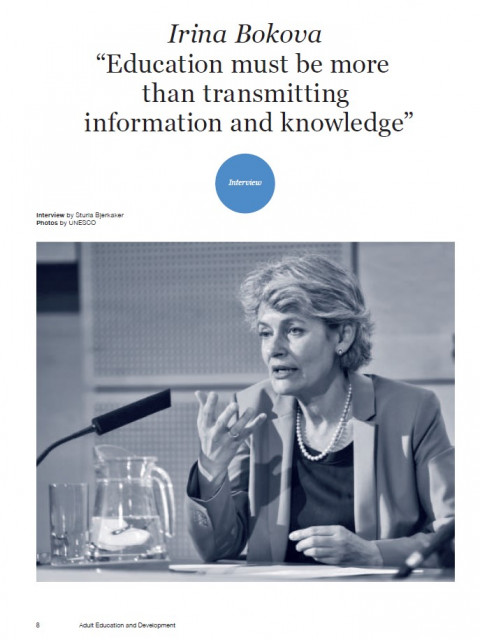 Education must be more than transmitting information and knowledge Année de publication: 2015 Auteur: Sturla Bjerkaker Auteur institutionnel: UNESCO. Director-General, 2009-2017 (Bokova, I.G.) Irina Bokova has been the Director-General of UNESCO since November 2009. She is the first woman to lead the organisation. Ms Bokova has served as Bulgaria’s Secretary of State for European Integration, Minister of Foreign Affairs, Ambassador to France and Monaco and Permanent Delegate to UNESCO, among other positions. She has been actively engaged in international efforts to advance quality education for all, gender equality, human rights, cultural dialogue and scientific cooperation. She also serves as Executive Secretary of the Steering Committee of the UN Secretary-General’s Global Education First Initiative.