
Ressources
Explorez une large gamme de ressources sur le GCED afin d’approfondir votre compréhension et de renforcer vos activités de recherche, de plaidoyer, d’enseignement et d’apprentissage.
3,790 résultats trouvés
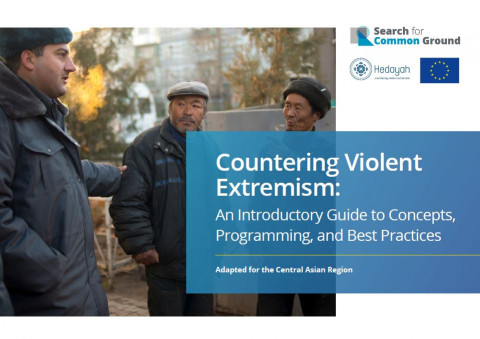 Противодействие насильственному экстремизму: Вводное руководство по концепциям, разработке программ и передовой практике Année de publication: 2019 Auteur institutionnel: Search for Common Ground Данная учебная программа направлена актуализацию передовых методов и опыта, накопленного в процессе противодействия насильственному экстремизму. Программа по противодействию насильственному экстремизму, адаптированная для Центральной Азии, предназначена для подготовки государственных служащих и работников из организаций гражданского общества. Это контекстуально грамотная и удобная для восприятия учебная программа по противодействию насильственному экстремизму и повышению осведомленности, учитывающая вашу специфику. В ней освещаются преимущества подходов к сотрудничеству, выходящих за рамки применения военных или секьюритизированных мер реагирования на насильственный экстремизм и подкрепленных передовой практикой, а также предлагаются инструменты и рекомендации для простойадаптации к вашим локальным условиям и культуре. Наконец, программа способствует раннему выявлению и смягчению рисков посредством разработки программ, а также использования подхода «Не навреди» (Do No Harm).Данная программа предлагает руководство по разработке, реализации и мониторингу конструктивных мер противодействия насильственному экстремизму, при этом также давая общее представление об управлении проектами. Таким образом, данная учебная программа не направлена на развитие общих навыков управления проектами, мониторинга и оценки или на привлечение средств. Поскольку проблема насильственного экстремизма сложна и в значительной степени зависит от локального контекста, программа также не является руководством по движущим силам радикализации в вашем местном контексте и не предлагает программы и политику, которые могли бы быть наиболее эффективными. Вместо этого программа познакомит вас с наводящими вопросами и инструментами, необходимыми для принятия обоснованных и эффективных решений в вашей работе по противодействию насильственному экстремизму.
  Citizenship Education at School in Europe, 2017: Eurydice Report Année de publication: 2017 Auteur institutionnel: European Commission | Education, Audiovisual and Culture Executive Agency (EACEA) | Eurydice The Eurydice Citizenship Education at School in Europe – 2017 report provides a comparative overview of national policies in the area of citizenship education across Europe, at a time when increasing demands are being made on education and training systems to promote this area of learning. It focuses on the curriculum content and organisation, the teaching and learning methods in and outside the classroom, the assessment of students, and the training and support for teachers. These issues are addressed in the four chapters, each of which is complemented by a case study on a recent policy initiative. The report is primarily based on qualitative data and covers 42 education systems. It draws on the existing regulations and recommendations regarding citizenship education in public sector schools and includes general education and school-based initial vocational education training programmes.
 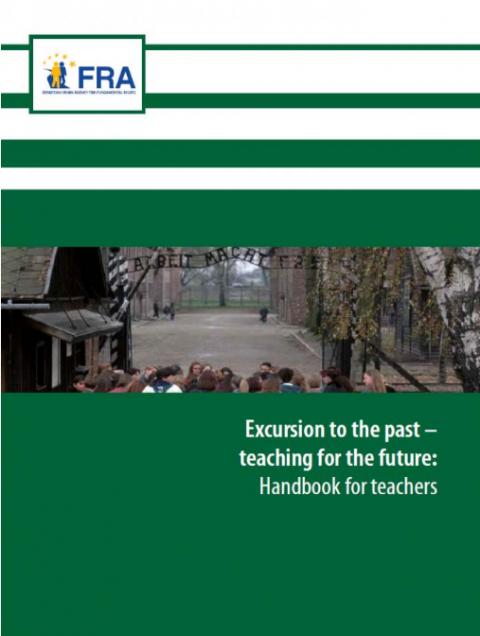 Excursion to the past - teaching for the future: Handbook for teachers What role do Holocaust-related sites play in today's societies? What do they offer young people? What should schools and teachers consider when planning a visit to such a site? And how can teachers make best use of such visits for teaching about the Holocaust and human rights? This Handbook provides a number of examples, hints and historical background information, which will help teachers and students to make visits to Holocaust-related sites and exhibitions a meaningful and enriching experience.
  Shoah Memorial, Museum, Contemporary Jewish Documentation Centre The Shoah Memorial provides access to various resources on the Holocaust, mostly in French. Mémorial de la Shoah - Musée, Centre de documentation juive contemporaine Le Mémorial de la Shoah donne accès à diverses ressources sur l'Holocauste, la plupart du temps en français. Enseigner l'histoire de la Shoah This website, hosted by the Mémorial de la Shoah and the French Ministry of Education is a perfect guide for primary or secondary teachers in their work on the Holocaust. With a collection of literature and film reviews, and an inventory of the different museums or memorials to visit, this platform encourages the educational staff to approach this issuein an interactive way such as the organization of thematic exhibitions or class-participation in national contests. Le grenier de Sarah Sarah’s attic is a website introducing Shoah History that addresses specifically children from age 8 to 12 with full respect of their sensitivity. This website invites them to watch and hear tales and expressions testifying of the diversity of Jewish cultures transmitted before, during and after the Second World War. In addition, nine personal itineraries bear witness to the daily life of Jews during the war, based on archive documents kept at the Mémorial de la Shoah in Paris. Mémoire et Histoire de la Shoah à l'école This publication is organized according three themes: "History of the Holocaust", "citizenship" and "arts and transmission". It is an valuable guide for primary education teachers, where they can find workshop suggestions and materials for a first approach to the Holocaust topic.
 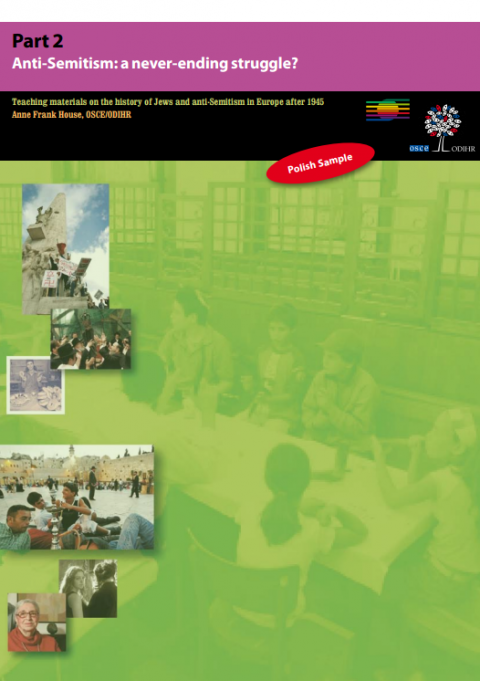 Anti-Semitism: A Never-ending Struggle? (Vol 2) These teaching materials were developed by ODIHR and the Anne Frank House in Amsterdam, in co-operation with experts from several OSCE participating States. Part 2 covers contemporary forms of anti-Semitism. The version available here is an English translation of the Polish version.
 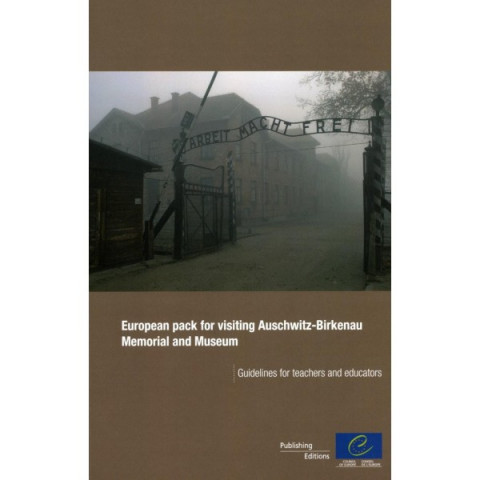 European pack for visiting Auschwitz-Birkenau Memorial and Museum - Guidelines for teachers and educators Taking groups of students to the Auschwitz-Birkenau Memorial and Museum is a heavy responsibility, but it is a major contribution to citizenship if it fosters understanding of what Auschwitz stands for, particularly when the last survivors are at the end of their lives. This pack is designed for teachers wishing to organize student visits to authentic places of remembrance, and for the guides, academics and others who work every day with young people at Auschwitz. To avoid the risk of inappropriate reactions or the failure to benefit from a large investment in travel and accommodation, considerable preparation and discussion is necessary before the visit and serious reflection afterwards. This pack offers insights into the complexities of human behaviour so that students can have a better understanding of what it means to be a citizen. The young people who visit Auschwitz in the next few years will be witnesses of the last witnesses. Their generation will be the last to hear the survivors speaking on the spot. The Council of Europe, the Polish Ministry of Education and the Auschwitz-Birkenau Memorial and Museum are jointly sponsoring this project aimed at preventing crimes against humanity through Holocaust remembrance teaching. (By the Council of Europe)