
Ressources
Explorez une large gamme de ressources sur le GCED afin d’approfondir votre compréhension et de renforcer vos activités de recherche, de plaidoyer, d’enseignement et d’apprentissage.
1,407 résultats trouvés
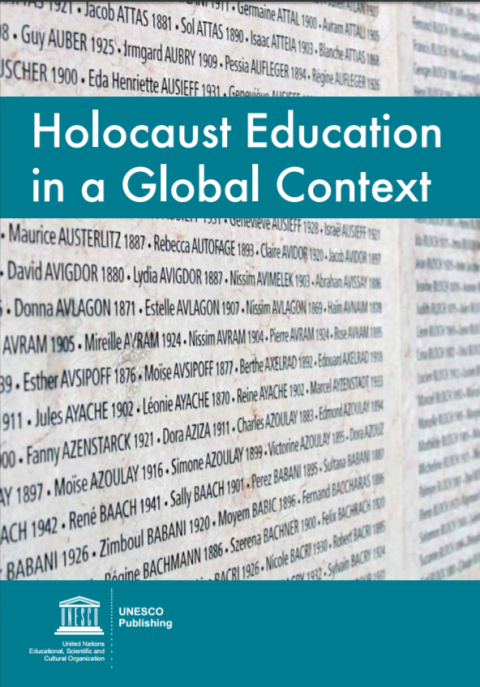 Holocaust Education in a Global Context Année de publication: 2014 Auteur: Karel Fracapane | Matthias Haß Auteur institutionnel: UNESCO | Topography of Terror Foundation (Germany) International interest in Holocaust education has reached new heights in recent years. This historic event has long been central to cultures of remembrance in those countries where the genocide of the Jewish people occurred. But other parts of the world have now begun to recognize the history of the Holocaust as an effective means to teach about mass violence and to promote human rights and civic duty, testifying to the emergence of this pivotal historical event as a universal frame of reference. In this new, globalized context, how is the Holocaust represented and taught? How do teachers handle this excessively complex and emotionally loaded subject in fast-changing multicultural European societies still haunted by the crimes perpetrated by the Nazis and their collaborators? Why and how is it taught in other areas of the world that have only little if any connection with the history of the Jewish people? Holocaust Education in a Global Context will explore these questions.
  Education Kit on Combating Desertification: Learning to Combat Desertification; A Teacher’s Guide Année de publication: 2003 Auteur institutionnel: UNESCO The educational guide contained in this kit is addressed to teachers around the world living in areas affected by or under threat from desertification. For this reason, the guide should be seen as a general presentation to be adapted to the specific realities and preoccupations of each region or country. The guide begins with the different problems of desertification, which the teachers could integrate into lessons (fauna, flora, crop varieties or rearing, methods of land exploitation, socio-economic problems etc.). It presents the major objectives of the Convention and proposes several solutions to combat desertification. Kit pedagógico sobre la lucha contra la desertificación: Aprendiendo a luchar contra la desertificación; Guía educativa para el maestro Année de publication: 2003 Auteur institutionnel: Organización de las Naciones Unidas para la Educación, la Ciencia y la Cultura (UNESCO) La guía educativa contenida en este kit va dirigida a los maestros de todo el mundo que viven en zonas afectadas o amenazadas por la desertificación. Por tanto, ha de ser considerada como una presentación general que debe ser adaptada a las realidades y preocupaciones específicas de cada país o región. La guía comienza con la presentación de los diferentes problemas en torno a la desertificación (fauna, flora, tipos de cultivo, cría de animales, formas de explotación de la tierra, problemas socioeconómicos, etc.), los cuales pueden ser integrados en el transcurso de las clases. La guía presenta los principales objetivos de la Convención y propone una serie de soluciones para combatir la desertificación. Kit pédagogique sur la lutte contre la désertification: Apprendre à lutter contre la désertification; Guide éducatif pour l’enseignant Année de publication: 2003 Auteur institutionnel: Organisation des Nations Unies pour l'éducation, la science et la culture (UNESCO) Le guide éducatif contenu dans le kit s’adresse aux enseignants du monde entier vivant dans les zones affectées ou menacées par la désertification. Pour cette raison, le guide doit être perçu comme une présentation générale, à adapter aux réalités et aux préoccupations spécifiques de chaque pays ou région. L’ouvrage s’ouvre sur les différentes problématiques de la désertification, que les enseignants doivent intégrer (faune, flore, types de culture ou d’élevage, mode d’exploitation de la terre, problèmes socio-économiques, etc.) ; il présente ensuite les grands objectifs de la Convention et propose quelques solutions pour lutter contre la désertification.
  Disinfodemic: Deciphering COVID-19 Disinformation (Policy Brief; 1) Année de publication: 2020 Auteur: Julie Posetti | Kalina Bontcheva Auteur institutionnel: UNESCO The purpose of this brief is to provide a structure for understanding the COVID-19 disinfodemic and the responses to it, highlighting practices which have a bearing on the UN Sustainable Development Goals (SDGs), the right to health and the right to freedom of expression. SDG 16.10 calls for “public access to information and fundamental freedoms”. Desinfodemia: Descifrando la desinformación sobre el COVID-19 (Policy Brief; 1) Année de publication: 2020 Auteur: Julie Posetti | Kalina Bontcheva Auteur institutionnel: Organización de las Naciones Unidas para la Educación, la Ciencia y la Cultura (UNESCO) El propósito de este resumen es presentar una estructura para comprender la ‘desinfodemia’ del COVID-19 y las respuestas respectivas, resaltando las prácticas pertinentes a los Objetivos de Desarrollo Sostenible de la ONU, al derecho a la salud y al derecho a la libertad de expresión. EL ODS16.10 subraya la necesidad de “acceso público a la información y libertades fundamentales”. Désinfodémie: Déchiffrer la désinformation sur le COVID-19 (Note d’orientation; 1) Année de publication: 2020 Auteur: Julie Posetti | Kalina Bontcheva Auteur institutionnel: Organisation des Nations Unies pour l'éducation, la science et la culture (UNESCO) Le but de cette note d’orientation est de présenter une structure pour comprendre la désinfodémie sur le COVID-19 et les réponses possibles, en mettant en évidence les pratiques liées aux Objectifs de développement durable (ODD) des Nations Unies, le droit à la santé et le droit à la liberté d’expression. L’ODD 16.10 appelle à « un accès public à l’information et aux libertés fondamentales ».
 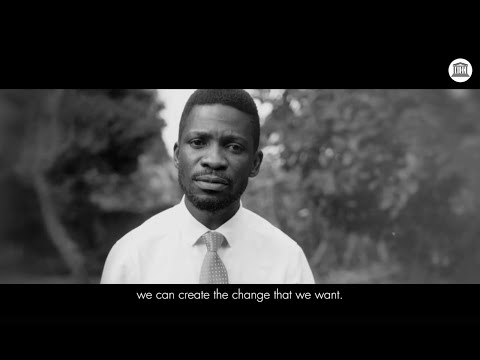 United Against Racism Année de publication: 2020 Auteur institutionnel: UNESCO We all can do something against racism. You too. Join UNESCO and leading personalities from all over the world in denouncing mounting racial discrimination.This video features messages by the following prominent women and men from the worlds of cinema, the media, music, sport and science alongside UNESCO Director-General Audrey Azoulay: Charlotte Gainsbourg, Freida Pinto, Naomi Campbell, UNESCO Goodwill Ambassador Jean-Michel Jarre, UNESCO Artist for Peace Marcus Miller, Jorge Ramos, UNESCO Goodwill Ambassador Yalitza Aparicio, Rossy de Palma, UNESCO Goodwill Ambassador Sumaya bint Al Hassan, Bobi Wine, UNESCO Goodwill Ambassador Herbie Hancock, UNESCO Goodwill Ambassador Forest Whitaker, UNESCO Champion for Girls’ and Women’s Education Nadia Nadim, Amadou Gallo Fall, Ada Hegerberg and UNESCO Artist for Peace Gilberto Gil.UNESCO has been on the forefront of the fight against racism since its creation in 1945. In 1978, it adopted the Declaration on Race and Racial Prejudice which reaffirms that “All human beings belong to a single species and are descended from a common stock. They are born equal in dignity and rights and all an integral part of humanity.”Learn more: Fight against Racism and Discrimination
  可持续发展教育: 路线图 Année de publication: 2022 Auteur institutionnel: 联合国教科文组织 (UNESCO) 本文是联合国教科文组织实施可持续发展教育所制定的路线图,旨在阐明地球面临的紧迫挑战,探讨教科文组 织通过教育应对这些挑战的下一步工作,并详细梳理新的侧重点和行动。
 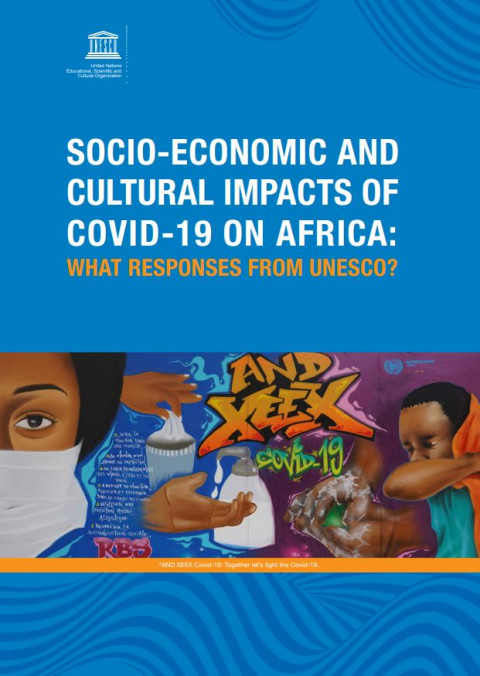 Socio-Economic and Cultural Impacts of COVID-19 on Africa: What Responses from UNESCO? Année de publication: 2020 Auteur institutionnel: UNESCO This policy paper analyses the socio-economic and cultural impacts of the disease on Africa as a whole, caused by both the immediate effects and the present and future consequences of the pandemic, including on the African societal fabric, which is likely to lead to a fracture in the trust between States and their citizens and within communities themselves. As such, it highlights the main measures that were adopted by African countries to contain the crisis and its socio-economic and cultural effects. While committing to acting and reflecting on the present and future consequences of the pandemic, UNESCO aims to contribute substantially to the ongoing debates in Africa through the development of a strategic response to help the collective global and regional efforts against the pandemic.