
Ressources
Explorez une large gamme de ressources sur le GCED afin d’approfondir votre compréhension et de renforcer vos activités de recherche, de plaidoyer, d’enseignement et d’apprentissage.
1,322 résultats trouvés
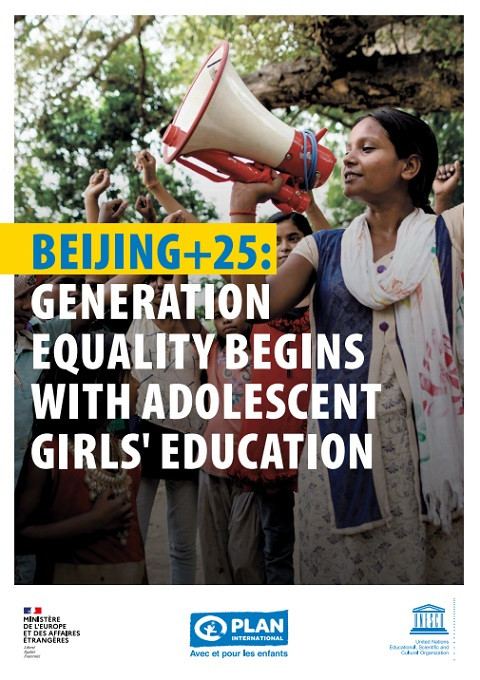 Pékin+25 : La Génération Égalité commence par l’éducation des adolescentes Année de publication: 2020 Auteur institutionnel: Plan International France | France. Ministry for Europe and Foreign Affairs | Organisation des Nations Unies pour l'éducation, la science et la culture (UNESCO) Cette publication examine les progrès et les lacunes persistantes dans nos efforts pour parvenir à l'égalité des genres dans et par l'éducation depuis l'adoption du Programme d'action de Pékin il y a 25 ans. En 2018, 130 millions de filles dans le monde n'étaient pas scolarisées et seules deux filles sur trois étaient inscrites dans l'enseignement secondaire. La crise liée à la pandémie de COVID-19 est susceptible d'élargir encore ces écarts et menace d'interrompre l'éducation de plus de 11 millions de filles.Cette publication démontre l'importance de l'éducation des adolescentes pour l'avancement de l’agenda visionnaire du Programme d'action de Pékin et la réalisation des objectifs de développement durable.Elle formule des recommandations pour accélérer les investissements et les actions en faveur de l’éducation des adolescentes lors du Forum Génération Égalité de 2021 et des coalitions d’action qui seront lancées visant à accélérer les progrès en faveur de l’égalité des genres. Elle promeut des approches intersectorielles et des partenariats multipartites et se concentre sur trois « leviers d'action »: une éducation complète à la sexualité, la participation des adolescentes aux sciences, à la technologie, à l'ingénierie et aux mathématiques, et le développement du leadership des adolescentes. Elle fait part des propres priorités et attentes des adolescentes, ainsi que de leur vision de ce qui est nécessaire pour un avenir égal pour tous et toutes.
 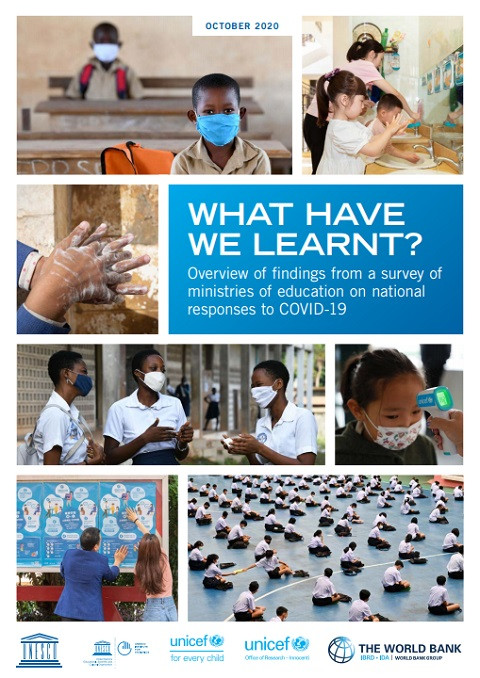 What Have We Learnt?: Overview of Findings From a Survey of Ministries of Education on National Responses to COVID-19 Année de publication: 2020 Auteur institutionnel: UNESCO | United Nations Children's Fund (UNICEF) | World Bank As part of the coordinated global education response to the COVID-19 pandemic, UNESCO, UNICEF and the World Bank conducted a Survey on National Education Responses to COVID-19 School Closures. In this joint report, the results of the first two rounds of data collection administered by the UNESCO Institute for Statistics (UIS) were analysed. They cover government responses to school closures from pre-primary to secondary education.
 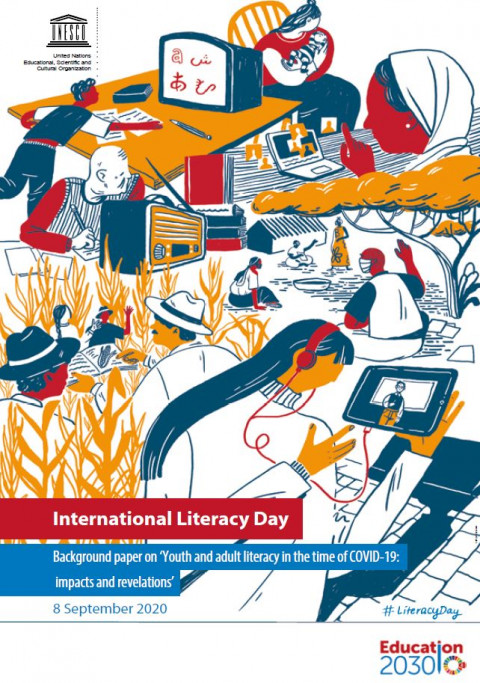 International Literacy Day: Background Paper on 'Youth and Adult Literacy in the Time of COVID-19; Impacts and Revelations' Année de publication: 2020 Auteur institutionnel: UNESCO Specially prepared on the occasion of International Literacy Day 2020, this background paper illustrates the impact of the COVID-19 crisis on youth and adult literacy, based on the limited information that is currently available. It provides five regional snapshots and identifies preliminary lessons learned thus far, while aiming to inspire continued reflection and subsequent action. It also makes the case for the ongoing importance of advancing youth and adult literacy, a priority that was already neglected even before the pandemic but which deserves all our attention. ILD 2020 thus seeks to trigger reimaginations of literacy teaching and learning in the COVID-19 crisis and beyond, with a particular focus on the role of educators.
 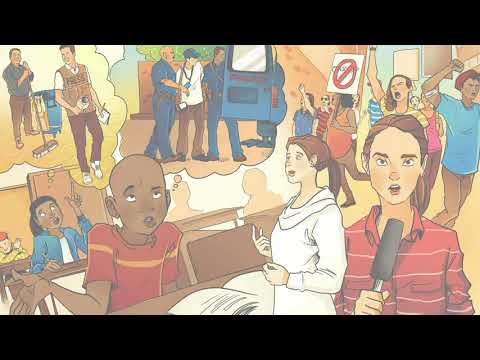 What Does the Rule of Law Have to Do With Me? Année de publication: 2020 Auteur institutionnel: UNESCO Using fun, interactive pedagogical tools and a classroom setting, this video explains to young people the basic concept of the rule of law and how they can engage in building a society on just laws which protect the fundamental rights of the individual and promote citizenship (https://en.unesco.org/themes/gced).In simple engaging language with real life examples and interaction with pupils, it explains 'accountability', 'freedom of expression', the characteristics of good law and equality before the law.The video describes the UNESCO-UNODC partnership on education for the rule of law (https://en.unesco.org/themes/gced/rul...) which works to bridge the gap between education and justice and supports Sustainable Development Goals 4 (in particular target 4.7) and 16. The partnership has developed interactive handbooks for schools and guidance for policy-makers.
 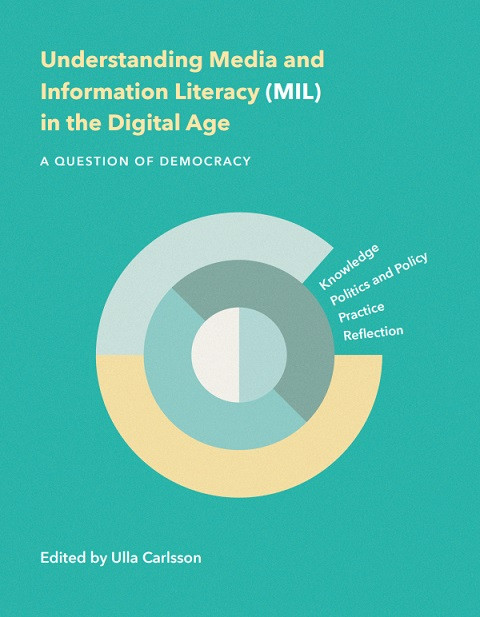 Understanding Media and Information Literacy (MIL) in the Digital Age: A Question of Democracy Année de publication: 2019 Auteur: Ulla Carlsson Auteur institutionnel: University of Gothenburg | UNESCO This book consists of three parts. In the first part, a number of articles of a more general nature discuss media and information literacy (MIL) in a variety of contexts as well as courses of development on national, regional and global levels. The focus in the second part is on Sweden, the host the UNESCO Global MIL Week Feature Conference 2019. The articles in this part present current research findings, policy decisions and political initiatives, and some examples of ‘best practices’ in the MIL area. The third part presents a new approach to MIL in a context of social change and Agenda 2030.
 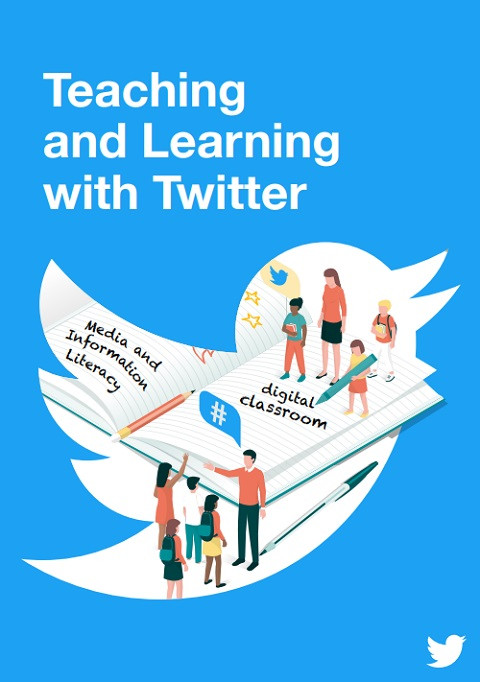 Teaching and Learning With Twitter Année de publication: 2019 Auteur institutionnel: Twitter | UNESCO This resource is for educators who want to design lessons around media and information literacy and how it relates to global citizenship and digital citizenship education. Whether your focus is on media and information literacy (MIL) or nurturing good online habits, or other social competencies, there’ll be something here for you.
 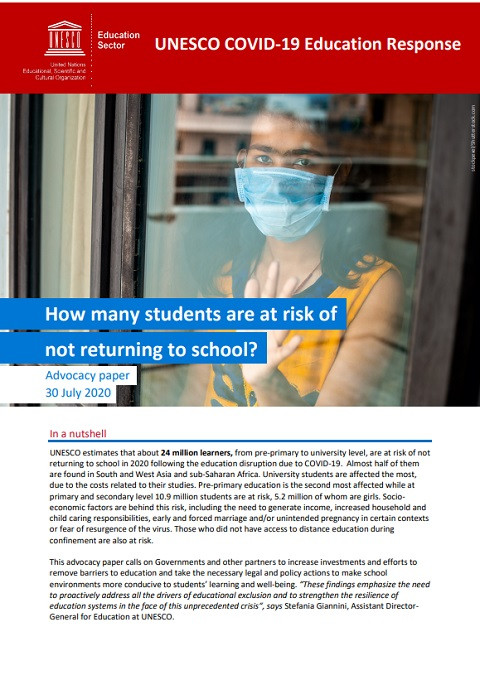 UNESCO COVID-19 Education Response: How Many Students Are at Risk of Not Returning to School?; Advocacy paper Année de publication: 2020 Auteur institutionnel: UNESCO UNESCO estimates that about 24 million learners, from pre-primary to university level, are at risk of not returning to school in 2020 following the education disruption due to COVID-19. Almost half of them are found in South and West Asia and sub-Saharan Africa. University students are affected the most, due to the costs related to their studies. Pre-primary education is the second most affected while at primary and secondary level 10.9 million students are at risk, 5.2 million of whom are girls. Socioeconomic factors are behind this risk, including the need to generate income, increased household and child caring responsibilities, early and forced marriage and/or unintended pregnancy in certain contexts or fear of resurgence of the virus. Those who did not have access to distance education during confinement are also at risk. This advocacy paper calls on Governments and other partners to increase investments and efforts to remove barriers to education and take the necessary legal and policy actions to make school environments more conducive to students’ learning and well-being. “These findings emphasize the need to proactively address all the drivers of educational exclusion and to strengthen the resilience of education systems in the face of this unprecedented crisis“, says Stefania Giannini, Assistant DirectorGeneral for Education at UNESCO.
  Using Civic Participation and Civic Reasoning to Shape Our Future and Education (Background Paper for the Futures of Education Initiative) Année de publication: 2020 Auteur: Sarah M. Stitzlein Auteur institutionnel: UNESCO Actualizing a preferred future relies on citizens who are prepared to effectively engage perhaps the most fundamental civic question: ‘What should we do?’ (Levine, 2016; Dishon & Ben-Porath, 2018). It is a question that arises when people face a problem, must reach a decision, or must figure out how to flourish together as a group. This question is closely tied to the key question posed by the International Commission on the Futures of Education: ‘What do we want to become?’ Engaging both questions is a useful way for us to envision education in the future. These questions push us to consider not only what we merely can do, but also what is right for us to do in light of our responsibilities to others.Civic reasoning is the sort of reasoning we do as we answer the question, ‘What should we do?’ Civic discourse is a means or method by which people engage in civic reasoning. Efforts to envision improved education and futures should foreground civic reasoning and discourse as both a means and ends of citizen participation. They are important for the ways in which they directly engage citizens and for their products, which lead to future civic action and better futures.
 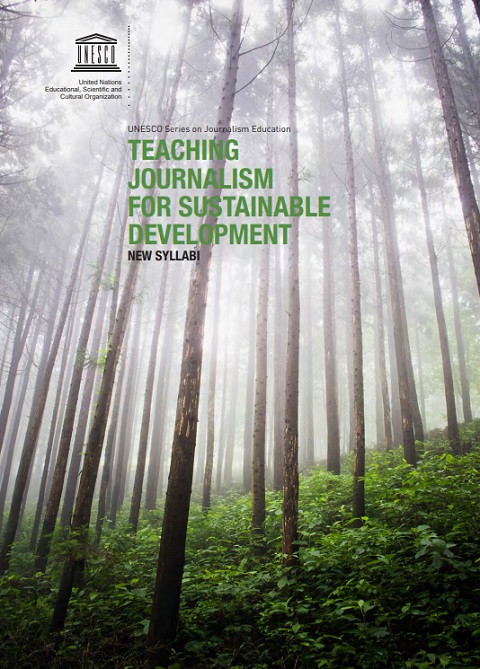 Teaching Journalism for Sustainble Development: New syllabi Année de publication: 2015 Auteur: Banda Fackson Auteur institutionnel: UNESCO This work aims to expand the curriculum of UNESCO in education in journalism and includes new curricula covering current topics in the field of journalism education around the world. The document was prepared on the basis of standard curricula, as well as additional UNESCO publications under the general title “Collection of new curricula” in order to effectively respond to new problems faced by specialists and teachers in the field of journalism. Обучение журналистике в целях устойчивого развития: Новые учебные планы Année de publication: 2015 Auteur: Banda Fackson Auteur institutionnel: UNESCO Данная работа направлена на расширение учебных программ ЮНЕСКО по образованию в области журналистики и включает новые учебные планы охватывающие актуальные темы в области журналистского образования во всем мире. Документ подготовлен на основе типовых учебных программ, а также дополнительных публикаций ЮНЕСКО под общим названием «Сборник новых учебных программ», чтобы эффективно реагировать на новые проблемы, стоящие перед специалистами и преподавателями в области журналистики.