
Ressources
Explorez une large gamme de ressources sur le GCED afin d’approfondir votre compréhension et de renforcer vos activités de recherche, de plaidoyer, d’enseignement et d’apprentissage.
1,367 résultats trouvés
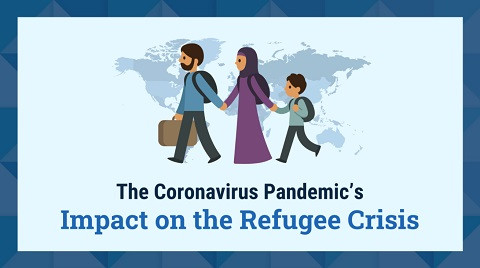 The Coronavirus Pandemic and the Refugee Crisis Année de publication: 2020 Auteur: Alice Corner Auteur institutionnel: Venngage Inc. One group of people who are impacted the most by the Coronavirus Pandemic is the world’s population of refugees and displaced people. There are approximately 25 million refugees in the world, facing unique struggles in access to healthcare, government assistance, and sanitation. Venngage analyzed the data to help paint a fuller picture of COVID-19’s impact on the refugee crisis.
  Digital Empowerment of Girls Année de publication: 2018 Auteur institutionnel: Plan International This briefing paper provides recommendations for closing the digital gender gap that will enable girls to participate in and contribute to our increasingly digital future. Empoderamiento digital de las niñas Année de publication: 2018 Auteur institutionnel: Plan International Este documento informativo argumenta que mediante la promoción de la alfabetización digital de las niñas y el cierre de la brecha digital de género se podrá conseguir importantes logros con respecto a la igualdad de género y la promoción de los derechos de las niñas y mujeres en todo el mundo.
 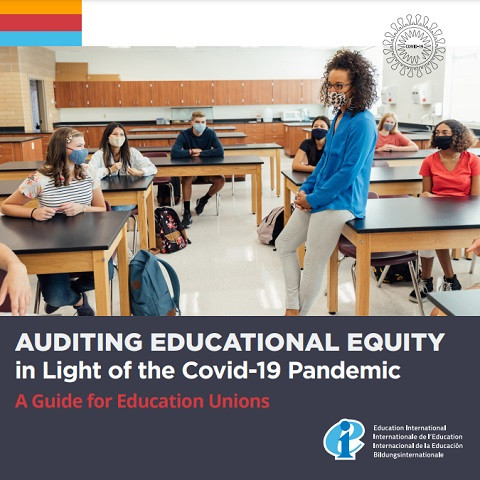 Auditing Educational Equity in Light of the COVID-19 Pandemic: A Guide for Education Unions Année de publication: 2020 Auteur institutionnel: Education International (EI) This Guide is aimed at education unions as they work at local, regional, provincial/state, and/or national level to ensure the equity gaps that have been widened and deepened by the Covid-19 pandemic receive urgent attention and remedy. The purpose of this Guide is to support education unions as they advocate for governments to urgently address the key equity issues that have arisen within education as a result of the Covid-19 pandemic. The outcomes of an equity audit can enable education institutions and systems to adapt more effectively in a Covid-19 ‘new normal’ and help to undo the structures of inequality that prevent countries from realising the universal right to education. The Guide is not intended to be prescriptive, but rather to provide EI member organisations across regions with an introduction to equity auditing processes within education, and an overview of key questions arising from the ongoing pandemic that need to be addressed through the auditing process.
 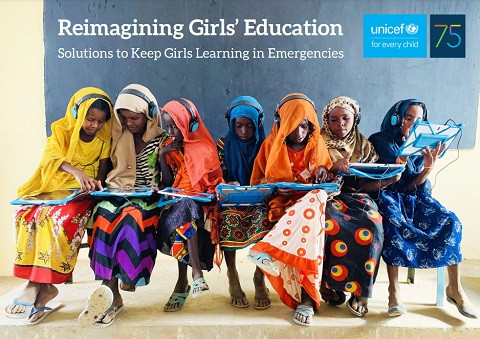 Reimagining Girls’ Education: Solutions to Keep Girls Learning in Emergencies Année de publication: 2021 Auteur institutionnel: United Nations Children's Fund (UNICEF) Reimagining Girls’ Education: Solutions to Keep Girls Learning in Emergencies presents an empirical overview of what works to support learning outcomes for girls in emergencies. Research shows that girls in emergencies are disadvantaged at all stages of education and are more likely to be out-of-school than in non-emergency settings. Girls are also struggling to learn. This solutions book seeks to highlight promising evidence-based actions in education for decision makers who are designing and implementing interventions to support girls’ education in low and middle-income country humanitarian settings and settings where education has been interrupted by the COVID‑19 pandemic. It documents practical examples of approaches that have been or are being tested, and from which lessons can be drawn.
 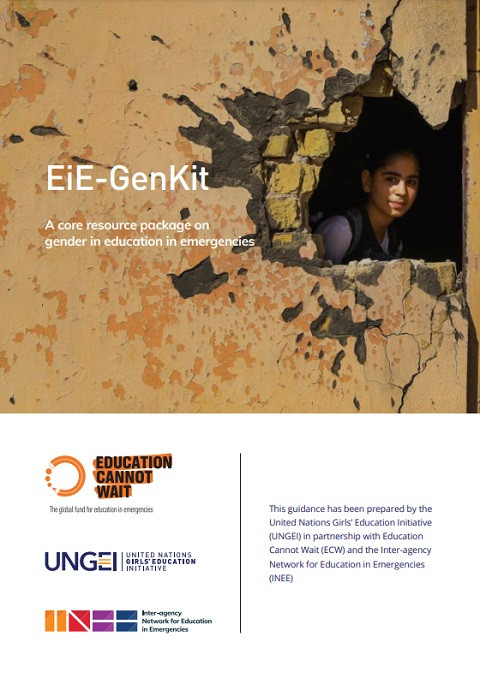 EiE-GenKit: A Core Resource Package on Gender in Education in Emergencies Année de publication: 2021 Auteur institutionnel: United Nations Girls’ Education Initiative (UNGEI) | Education Cannot Wait (ECW) | Inter-agency Network for Education in Emergencies (INEE) When gender-responsive, quality education is available to all it has the potential to transform societies and build sustainable peace. A joint initiative from the Inter-agency Network for Education in Emergencies (INEE), Education Cannot Wait (ECW) and the UN Girls’ Education Initiative (UNGEI), the EiE-GenKit is a core resource package for gender in education in emergencies. The EiE-GenKit is the first resource of its kind, providing education practitioners with practical tools to promote gender-responsive programming from crisis to peace and sustainable development.The EiE-GenKit is based on extensive research and consultation with the latest resources, evidence, new tools and good practice available in one easy-to-use package. The EiE-GenKit builds on existing humanitarian processes for a streamlined approach to gender-responsive EiE. The EiE-GenKit offers tools for practical and immediate use including checklists, tipsheets and assessment templates supporting practitioners to ensure that each phase of an EiE intervention is gender-responsive. Bridging the gap between what we know about gender-responsive EiE and the tools we need to make it happen, the EiE-GenKit aims to promote improved gender and education outcomes of learners living in crises.
 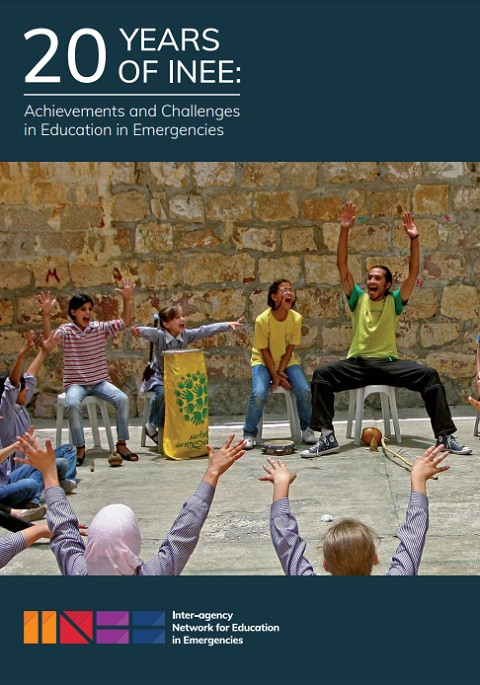 20 Years of INEE: Achievements and Challenges in Education in Emergencies Année de publication: 2020 Auteur institutionnel: Inter-agency Network for Education in Emergencies (INEE) This report, marking the 20th anniversary of INEE, highlights achievements in the field of EiE over the past two decades and identifies continuing challenges. It traces the changes that have brought EiE into global planning and action agendas and notes key milestones in the development of EiE as a recognized field. This report also looks to the future by recommending immediate and sustained actions to achieve Sustainable Development Goal 4 (SDG 4), inclusive and equitable quality education and lifelong learning opportunities for all—including children and young people in crisis-affected contexts (UN, 2015). 20º aniversario de la INEE: Logros y desafíos en la educación en situaciones de emergencia Année de publication: 2020 Auteur institutionnel: Inter-agency Network for Education in Emergencies (INEE) Este informe, con motivo del 20.º aniversario de la INEE, enfatiza los logros alcanzados en el ámbito de la EeE en las últimas dos décadas y señala los desafíos que siguen existiendo. Explora los cambios que facilitaron la inclusión de la EeE en los programas globales de planificación y acción, y señala los hitos principales en el desarrollo de la EeE como un campo reconocido. Asimismo, este informe reconoce los compromisos establecidos en la Agenda de Desarrollo Sostenible de 2030, incluido el compromiso de «no dejar a nadie atrás» (ONU, 2015), y enfrenta el futuro con la recomendación de acciones inmediatas y sostenidas para alcanzar el Objetivo de Desarrollo Sostenible 4 (ODS 4),una educación de calidad inclusiva y equitativa, y oportunidades de aprendizaje durante toda la vida para todos; incluidos los niños, niñas y jóvenes en contextos de crisis (UN, 2015). 20 ans de l’INEE : Réalisations et Défis dans l’Éducation en Situations d’Urgence Année de publication: 2020 Auteur institutionnel: Inter-agency Network for Education in Emergencies (INEE) Ce rapport, qui marque le 20e anniversaire de l’INEE, souligne les réalisations dans le domaine de l’ESU au cours des deux dernières décennies et identifie les défis permanents. Il retrace les changements qui ont amené l’ESU dans les programmes mondiaux de planification et d’action et note les étapes clés du développement de l’ESU en tant que domaine reconnu. Reconnaissant également les engagements énoncés dans l’Agenda 2030 pour le développement durable, notamment la promesse de veiller à ce que « personne ne soit laissé de côté » (ONU, 2015), ce rapport se tourne vers l’avenir en recommandant des actions immédiates et durables pour atteindre l’Objectif de Développement Durable 4 (ODD 4), une éducation de qualité et des possibilités de formations permanente inclusives et équitables pour tous - incluant les enfants et les jeunes dans les contextes de crise (ONU, 2015).
 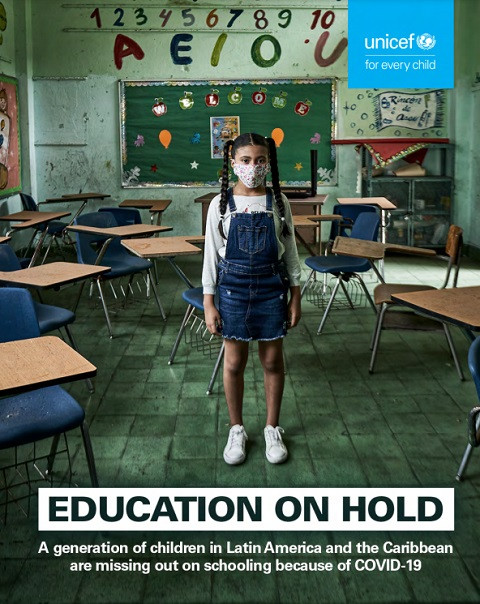 Education on Hold: A Generation of Children in Latin and the Caribbean Are Missing Out on School Because of COVID-19 Année de publication: 2020 Auteur: Laura Andreea Seusan | Rocío Maradiegue Auteur institutionnel: United Nations Children's Fund (UNICEF) More than seven months into the pandemic, COVID-19 is putting education on hold for more than 137 million children in Latin America and the Caribbean. This is according to a new UNICEF report about the devastating impacts of COVID-19 on education. The report also finds that COVID-19 has further widened the education gaps between rich and poor families in Latin America and the Caribbean. New UNICEF data shows that the percentage of children not receiving any form of education across the region has soared dramatically, from 4 to 18 per cent in the past few months. UN projections reveal that COVID-19 may push up to 3 million additional children out of school in Latin America and the Caribbean.