
Ressources
Explorez une large gamme de ressources sur le GCED afin d’approfondir votre compréhension et de renforcer vos activités de recherche, de plaidoyer, d’enseignement et d’apprentissage.
3,229 résultats trouvés
 Instructional Design Based on Ecological Multiple Citizenship for Elementary Social Studies Classroom: Focusing on National Citizenship, Global Citizenship and Sustainable Development Education (Social studies education; Vol. 55, No. 1) Année de publication: 2016 Auteur: Kwangtaek Sim Auteur institutionnel: Korean Social Studies Association An instructional model for national citizenship, global citizenship, and sustainable development education was developed. Four lesson plans in the elementary 5thgrade social studies were suggested to show the practice of the instructional model. Three outcomes are reported. First, identity as a citizen of a nation, global citizenship, communications are interrelated. National citizenship and communications in the network society can result in a stronger vision of one’s global citizenship. This is especially the case when the wellbeing and happiness of people in neighboring countries who live across the national boundary are viewed within the domain of community- economy- ecology. Each prepares citizens through knowledge and skills that enable them to empathize, criticize constructively, and live together sustainably. The educational methods recommended to attain global citizenship perspectives are critical thinking, comparative studies, and teaching controversial issues. Those methods tend to result in a commitment to guarantee of non-domination freedom and tolerance of others. Second, discussions regarding sustainable development focused largely on deliberative engagement as a teaching method. Issues discussed were: speculative banking and its regulation; medical treatment and education as value goods; the steps necessary for households and businesses to attain sustainability; and environmental justice and social equity. The educational methods recommended to live together sustainably are planning and practice for grassroots democratic communities’ solidarity by applying back-casting strategy and systematic thinking. Thirdly, social studies classrooms intent on to enhance national citizenship, global citizenship, and sustainable development have a five step task. They, should emphasize comparison and critique→ discussion→ empathy→ planning and lastly the engagement of learners in content critical to ecological multiple citizenship. 생태적 다중시민성에 기반한 초등사회과 교실수업 설계: 국가시민성, 세계시민성, 지속가능발전 교육을 중심으로 (사회과교육; Vol. 55, No. 1) Année de publication: 2016 Auteur: 심광택 Auteur institutionnel: 한국사회과교육연구학회 본 연구에서는 생태적 다중시민성에 기반하여 국가시민성, 세계시민성, 지속가능발전 교육을 논의하고, 개발한 수업모형에 초등사회 5-1 학습내용을 적용하여 교재분석 및 수업안을 예시하였다. 첫째, 국가시민성, 세계시민성과 의사소통에 관해 논의한 결과, 네트워크시대의 국가시민성으로서 개인정체성은 지역 사회-경제-생태 영역에서 민족과 국경을 넘어 이웃의 안녕과 행복을 담보하려는 세계시민적 정체성으로 발전할 수 있다. 교육내용으로서 공감하는 시민, 비판적 시민, 생태적 시민과 관련된 지식이해, 기능, 가치태도 영역을 선정하고, 교육방법으로서 비지배자유 보장을 위한 토론, 관용과 비판적 사고, 비교와 논쟁을 권장할 수 있다. 둘째, 지속가능한 발전과 사회참여숙의에 관해 논의한 결과, 교육내용으로서 통치체제는 투기성 금융활동을 규제하고, 의료와 교육을 가치재로 인정하며, 가계와 기업은 지속가능한 경제활동을 추구하고, 지역사회를 중심으로 시민 간 연대하여 환경정의와 사회적 형평성을 실천해야 할 것이다. 교육방법으로서 학습자는 파리협정관련 백캐스팅 전략과 지 구촌 사회의 정치, 경제, 사회, 환경 간 시스템적 사고에 토대하여 풀뿌리 민주공동체 간 상호연대를 계획하고 실천할 수 있다. 셋째, 생태적 다중시민성에 기반한 국가시민성, 세계시민성, 지속가능발전 교육을 위한 사회과 교실수업은 학문적 접근이 아니라, 생태적 다중시민성을 지향하는 학습내용을 중심으로 일상생활에서 학습자의 비판적 시민성과 관련하여 비교와 비판→ 토론→ 공감→ 계획과 실천 순으로 설계할 수 있다.
  Global Citizenship Education: Solidar Foundation Policy Paper Année de publication: 2020 Auteur institutionnel: Solidar Foundation | Erasmus+ The purpose of this paper is to provide recommendations supported by our members, based on their work in formal, non-formal and informal education, to expand GCE at national and European level. Considering how GCE is linked many times with formal education, the recommendations reveal the work of our members outside of this, building upon the need for a multi-stakeholder approach that spans across the entire learning process. This policy paper guides SOLIDAR Foundation’s work in influencing developments related to the EU’s Updated Skills Agenda, European Education Area, Action Plan for the Implementation of the European Pillar of Social Rights, and the European Green Deal, given how all provide an opportunity for GCE to be embraced as a necessity rather than an added-value.
 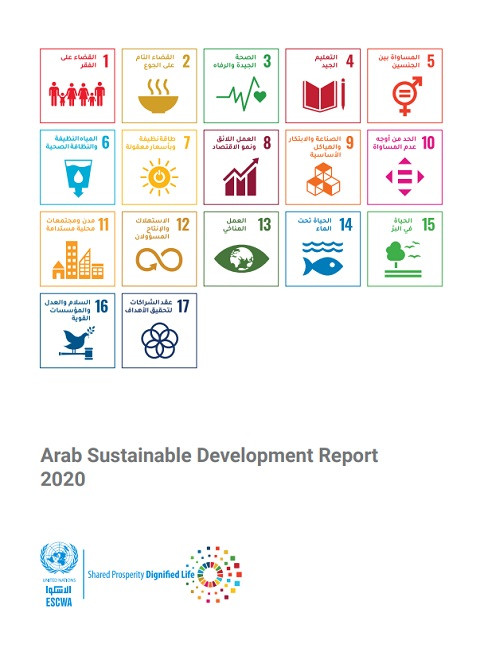 التقرير العربي للتنمية المسـتدامة 2020 Année de publication: 2020 Auteur institutionnel: United Nations Economic and Social Commission for Western Asia (ESCWA) تدعو خطة عام 2030 إلى تغيير جذري وتحوّل في الأنماط السائدة. فحشد الموارد المحلية والخارجية يُعدّ من التحدّيات الملحة في المنطقة العربية، كما يُعدّ تكثيف الجهود نحو تحقيق أهداف التنمية المستدامة أمراً مُلحاً. إلّا أنّ التحوّل الجذري، لا يستلزم موارد مالية وتسريع الجهود فحسب، بل يتطلب، أكثر ما يتطلب، تحولًا في التوجه والنهج نحو التكامل في السياسات والاستدامة البيئية والحقوق مع التركيز على المساواة، والعدالة، والشمول الاجتماعي، والحريات الأساسية، والمشاركة في السياسة.قصة أهداف التنمية المستدامة في المنطقة العربية هي إذاً قصة الحقوق والمساواة بين الجنسين والاستدامة والتنمية المتكاملة. ولهذه المهمة من الضخامة والطموح ما يتعدى قياس التقدم على مستوى الأهداف والمقاصد والمؤشرات. وهذا التقرير، الصادر بعد مرور خمسة أعوام على اعتماد خطة عام 2030 وأهداف التنمية المستدامة، هو بمثابة تذكير بضرورة تحديد نقطة الانطلاق في التنفيذ على ضوء الإنجاز المنشود، حتى يكون في التغيير تحوّلٌ حقيقي. وإنّما المواءمة بين السياسات وسائر التدخلات مع الإطار الشامل لخطة عام 2030 هي الطريق الوحيد لعبور المنطقة والعالم إلى تنفيذ خطة عام 2030. أما مدى قرب المنطقة العربية من هذه المواءمة أو بعدها عنها، فهو ما يسرده هذا التقرير.
  Education and Migration: An Assessment of the Types and Range of IOM’s Education and Vocational Training Projects Année de publication: 2018 Auteur: Rocio Sanz Auteur institutionnel: International Organization for Migration (IOM) This report presents the results of the assessment of the range and types of IOM’s education and vocational training programmes as of December 2017. Within an overall framework of reviewing the Organization’s role in supporting the development and implementation of migration policy, the purpose of this assessment is to understand how these programmes contribute to education and vocational training outcomes, especially in the specific context of SDG 4 (Quality Education) of the 2030 Agenda for Sustainable Development.
  International Environmental Politics and Critical Approach to Global Citizenship Education (International and Comparative Education; No. 8) Année de publication: 2017 Auteur: Zheng Fuxing Auteur institutionnel: Beijing Normal University The research and practice of global citizenship education have thrived since 1990s, but the effectiveness of global citizenship education is limited. The researcher cannot avoid the problematic premise of the possibility of global citizenship education. The identity predicament of global citizen and alienation of local implementing make probability of the global citizenship education problematic. The practical predicament of the global citizenship education manifests that the nation state is the key factor of policy implementation. Environmental question, which is about global common good, attracts the attention from the government of most of nations, and becomes the good case for exploring the feasibility of global citizenship education. Environmental politics explain the inequality and injustice in the globally environmental governance which made the global citizenship education critical. The critical ecopedagogy becomes the new form of global citizenship. The practice of the global citizenship education becomes viable by hybrid activism generated by dialectical movement between local and global in the limit of nation-state. 国际环境政治与全球公民教育的批判路径 (比较教育研究; No. 8) Année de publication: 2017 Auteur: Zheng Fuxing Auteur institutionnel: Beijing Normal University 自 20 世纪 90 年代以来 , 全球公民教育研究和实践蓬勃发展,然而全球公民教育 实践的效果很有限。对于全球公民教育的探讨不能回避“全球公民教育如何可能”这一前提性 问题。“全球公民”身份推衍困境、“在地实施”的“异化”后果让全球公民教育实施的可能性成 为问题。环境问题既是一个“全球共同利益”问题,也是各国政府关心的问题,为解答“全球 公民教育何以可能”提供了较好的切入点。国际环境政治解释了全球环境治理中发展中国家与 发达国家的不合作与不平等状况。以全球环境问题及其治理作为教育内容,全球公民教育具有 批判性。批判的生态教育学成为全球公民教育的重要实践形态。在既有的国家边界限制下,批 判的生态教育学通过全球与在地的混合行动,让全球公民教育获得了一种新的可能性。
  La migration et le Programme 2030 : Un guide à l’usage des praticiens Année de publication: 2018 Auteur: Elisa Mosler Vidal Auteur institutionnel: International Organization for Migration (IOM) Ce guide est destiné aux acteurs gouvernementaux, à la fois nationaux et locaux, qui sont impliqués dans des activités de mise en œuvre des Objectifs de développement durable, y compris ceux qui travaillent spécifiquement dans le domaine de la migration et ceux d’autres secteurs qui souhaitent intégrer la question de la migration. Il s’adresse également aux acteurs gouvernementaux qui travaillent dans le domaine de la migration et souhaitent intégrer les ODD dans leur travail.L’objectif de ce guide est d’aider les responsables politiques à mettre en œuvre les aspects des ODD qui touchent à la migration. Les responsables politiques peuvent utiliser ce guide pour intégrer la migration dans les activités de développement à l’échelle locale ou nationale, par l’élaboration et la mise en œuvre d’interventions qui portent sur la migration dans le cadre des ODD. Ces interventions peuvent se présenter sous forme de lois, de politiques, de programmes, de projets ou d’autres activités et peuvent être liées à des thèmes de base de la migration ou intégrer la migration dans les activités d’un autre secteur. Par exemple, les responsables politiques peuvent utiliser ce guide pour élaborer des interventions qui sont directement consacrées à la traite des personnes, ainsi que des interventions dans le secteur de la santé qui permettent de protéger les victimes de la traite des personnes.Pour les acteurs disposant d’une expérience de l’intégration de la migration, ce guide offre une nouvelle approche qui repose sur le Programme 2030. Pour ceux qui ne possèdent aucune expérience de l’intégration de la migration, il présente les liens entre la migration et le développement dans le cadre des ODD, et les mesures à prendre compte tenu de ces liens. 移民与《2030 年可持续发展议程》 Année de publication: 2018 Auteur: Elisa Mosler Vidal Auteur institutionnel: International Organization for Migration (IOM) 本指南旨在为参与可持续发展目标实施过程的国家和地方政府行为体提供指导,对象包括专门从事移民工作的人员以及有兴趣将移民事物纳入工作活动中的其他部门人员。这也适用于希望将可持续发展目标纳入其移民领域工作的政府行为体。本指南的重点是帮助决策者实施可持续发展目标中与移民相关的部分。政策制定者可以使用该指南,通过设计和实施与可持续发展目标相关的与移民有关的干预措施,将移民纳入地方或国家发展计划。这些干预措施可以采取立法、政策制定、方案、项目或其他活动的形式,并可能涉及核心移民问题,或在其他部门的活动里将移民问题纳入其中。例如,决策者可以使用本指南来设计直接针对人口贩运的干预措施以及有助于保护人口贩运受害者的卫生部门的干预措施。对于在移民主流化方面有经验的行为体,本指南提供了一种基于2030年议程的新方法。对于那些没有移民主流化相关经验的人,它介绍了如何在可持续发展目标的背景下将移民和发展联系在一起,以及如何针对这些联系采取行动。它附有两个辅助工具,用以说明移民与可持续发展目标之间的联系:(i)一本全方位阐述移民与每个可持续发展目标之间关系的手册,以及(ii)一张概括这些关系的导图。
  Education Disrupted Education Reimagined: Responses from Education’s Frontline During the COVID-19 Pandemic and Beyond Année de publication: 2020 Auteur institutionnel: WISE | Salzburg Global Seminar | Diplomatic Courier The special edition E-Book you are reading about today was produced in real time, as WISE, in partnership with Salzburg Global Seminar, convened key stakeholders and education leaders from over 98 countries in a three-part series of global conferences aimed at bringing the global education community together. The result is a contemporary historical record of how schools, NGOs, governments, and international organizations responded to school closures during the crisis and how they are attempting to use this crisis as a springboard to reimagine—and even transform—education in their communities and countries.The E-Book offers an opportunity to a global audience to make sense of what happened but it also offers a breeding ground of ideas from some of the world’s top education thinkers. It is the editors’ sincere hope that through this publication we provide the education community with a reference point from the crisis from which future research, policy, and innovation can grow.