
Ressources
Explorez une large gamme de ressources sur le GCED afin d’approfondir votre compréhension et de renforcer vos activités de recherche, de plaidoyer, d’enseignement et d’apprentissage.
1,450 résultats trouvés
 Узбекистан по пути развития медиаобразования Année de publication: 2015 Auteur institutionnel: Организация Объединенных Наций по вопросам образования, науки и культуры (UNESCO) Пособие представляет в популярной визуальной форме основы медийной и информационной грамотности (МИГ), используя программы обучения ЮНЕСКО для педагогов, а также другие материалы организации. Данное пособие разработано в рамках совместной программы ООН и Правительства Республики Казахстан «Повышение благосостояния и качества жизни в Кызылординской области через внедрение иннова-ционных подходов к оказанию экономических, социальных и экологи-ческих услуг местному населению, включая наиболее уязвимые слои», выполняемого совместно Правительством республики Казахстан и агентствами ООН в РК: ЮНЕСКО, ПРООН, ЮНФПА, ООН Женщины, ВОЗ и ЮНИСЕФ до декабря 2016 года.
  Media and Information Literacy: Training Materials Année de publication: 2015 Auteur institutionnel: UNESCO This compendium contains the reports of four studies on religion and democracy conducted by the International Alert project "Constructive Dialogues on Religion and Democracy". The studies were carried out by young professionals trained in the framework of the project in 2017 and 2018. Медийная и информационная грамотность Année de publication: 2015 Auteur institutionnel: Организация Объединенных Наций по вопросам образования, науки и культуры (UNESCO) Данный сборник содержит отчеты четырех исследований по вопросам религии и демократии, проведенных в рамках проекта International Alert "Конструктивные диалоги по религии и демократии". Исследования были проведены молодыми специалистами, обученными в рамках деятельности проекта в 2017 и 2018 гг.
  Media Literacy in Finland: National Media Education Policy Année de publication: 2019 Auteur institutionnel: European Training and Research Centre for Human Rights and Democracy (Austria) | UNESCO Media literacy in Finland is the media literacy policy and the national media education policy document, published by the Ministry of Education and Culture in 2019. The document updates and extends the cultural policy guidelines for media literacy published in 2013. The need to update the policy arose from the changes that have taken place in media culture and the broader than before target groups of media education in particular. The Program of the Government also highlights the need for media skills for all age groups, from children to seniors. The vision of the policy is to improve everyone’s opportunities to develop their media literacy. 핀란드의 미디어 리터러시: 국가 미디어교육 정책 Année de publication: 2019 Auteur institutionnel: Finand. Ministry of Education and Culture 《핀란드의 미디어 리터러시》는 교육문화부에서 2019년 발간한 미디어 리터러시 정책 및 국가 미디어교육 정책 문서를 한국어로 번역한 자료이다. 이 문서는 2013년에 발간된 미디어 리터러시 가이드라인을 개정하고 확장한 것이다. 미디어 문화가 변화하고 미디어교육 대상 집단이 이전보다 확대되면서 정책 개정의 필요성이 대두됐다. 정부 정책 프로그램(The Program of the Government) 역시 아동에서부터 노년까지 모든 연령 집단에서 미디어 기량(media skills)이 필요함을 강조했다. 이 정책의 목표는 모든 사람이 미디어 리터러시를 개발할 기회를 늘리는 것이다.
  Case Study on Finnish TVET: A Resilient Model of Training During COVID-19 Année de publication: 2021 Auteur institutionnel: UNESCO | Omnia Education Partnerships This case study examines how technical and vocational education and training (TVET) was organized during the state of emergency caused by the COVID-19 pandemic in Finland. The disruption accentuated the importance of flexibility within the education system to make it resilient. Finnish TVET, created as a hybrid solution combining school-based, work-based and online-based learning environments, remained responsive and functional throughout the difficult time in spring 2020.To urgently improve the resilience of education, this case study emphasizes the necessity to improve system-level flexibilities across all levels and all types of TVET, including alternative modes of delivery and hybrid learning opportunities, as the one size fits all approach increases rigidity and redundancy of education and training. Flexible measures are key to improve resilience, also beyond the COVID-19 pandemic.
 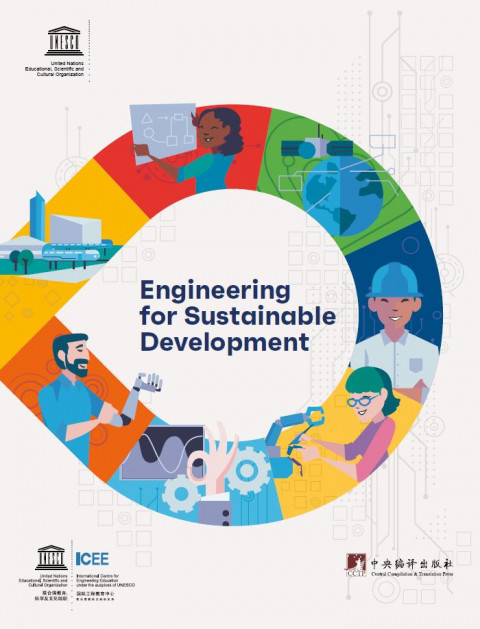 Engineering for Sustainable Development: Delivering on the Sustainable Development Goals Année de publication: 2021 Auteur institutionnel: UNESCO | International Centre for Engineering Education (ICEE) The report highlights the crucial role of engineering in achieving each of the 17 SDGs. It shows how equal opportunities for all is key to ensuring an inclusive and gender balanced profession that can better respond to the shortage of engineers for implementing the SDGs. It provides a snapshot of the engineering innovations that are shaping our world, especially emerging technologies such as big data and AI, which are crucial for addressing the pressing challenges facing humankind and the planet. It analyses the transformation of engineering education and capacity-building at the dawn of the Fourth Industrial Revolution that will enable engineers to tackle the challenges ahead. It highlights the global effort needed to address the specific regional disparities, while summarizing the trends of engineering across the different regions of the world.By presenting case studies and approaches, as well as possible solutions, the report reveals why engineering is crucial for sustainable development and why the role of engineers is vital in addressing basic human needs such as alleviating poverty, supplying clean water and energy, responding to natural disasters, constructing resilient infrastructure, and bridging the development divide, among many other actions, leaving no one behind.It is hoped that the report will serve as a reference for governments, engineering organizations, academia and educational institutions, and industry to forge global partnerships and catalyse collaboration in engineering so as to deliver on the SDGs. 工程—支持可持续发展 Année de publication: 2021 Auteur institutionnel: UNESCO | International Centre for Engineering Education (ICEE) 报告强调了工程在实现17项可持续发展目标中的关键作用。它表明,人人机会均等是确保一个包容性和性别均衡的职业的关键,能够更好地应对实施可持续发展目标的工程师短缺的问题。它提供了塑造我们世界的工程创新的快照,特别是大数据和人工智能等新兴技术,这些技术对于解决人类和地球面临的紧迫挑战至关重要。它分析了第四次工业革命初期工程教育和能力建设的转变,这将使工程师能够应对未来的挑战。它强调了解决具体地区差异所需的全球努力,同时总结了世界不同地区的工程趋势。通过介绍案例研究和方法以及可能的解决办法,报告揭示了为什么工程对可持续发展至关重要,以及为什么工程师的作用对解决人类的基本需求至关重要,例如减轻贫困、提供清洁水和能源、应对自然灾害,在许多其他行动中,建设有弹性的基础设施和弥合发展鸿沟,不让任何人掉队。希望该报告能为各国政府、工程组织、学术界和教育机构以及工业界建立全球伙伴关系和促进工程领域的合作提供参考,以实现可持续发展目标。
 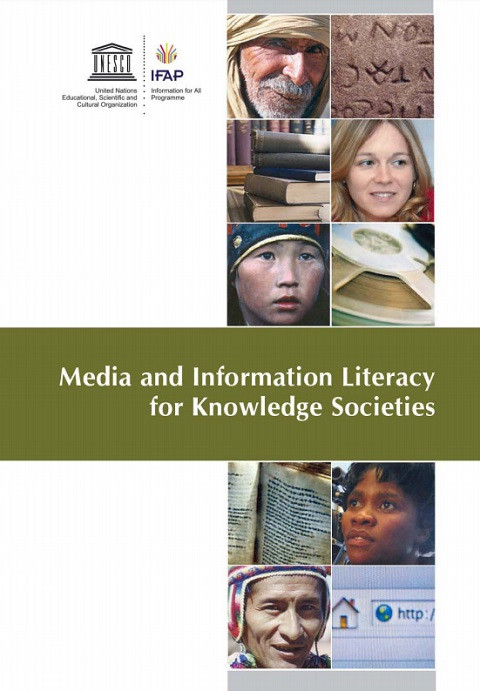 Media and Information Literacy for Knowledge Societies Année de publication: 2013 Auteur institutionnel: Interregional Library Cooperation Centre | UNESCO This book includes communications by the participants and other materials of the International Conference on Media and Information Literacy for Knowledge Societies (Moscow, Russian Federation, 24–28 June, 2012), that offered a unique opportunity to identify the key existing challenges in the field, to outline policies and professional strategies for the advocacy of media and information literacy (MIL), to promote best practices and strengthen international cooperation among various stakeholders. It also contains the Media and Information Literacy Competencies Catalogue prepared by The Modern Poland Foundation (Warsaw, Poland). Медиа- и информационная грамотность в обществах знания Année de publication: 2013 Auteur institutionnel: Interregional Library Cooperation Centre | UNESCO Издание подготовлено на основе материалов Международной конференции «Медиа- и информационная грамотность в обществах знания», состоявшейся в Москве 24–28 июня 2012 г. в рамках председательства России в Межправительственном совете Программы ЮНЕСКО «Информация для всех».