
Ressources
Explorez une large gamme de ressources sur le GCED afin d’approfondir votre compréhension et de renforcer vos activités de recherche, de plaidoyer, d’enseignement et d’apprentissage.
2,781 résultats trouvés
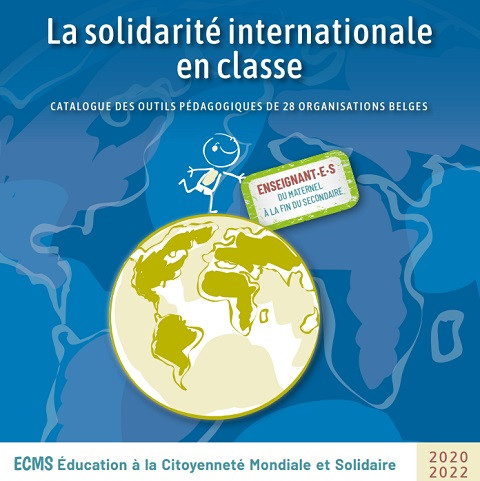 La solidarité internationale en classe: Catalogue des outils pédagogiques de 28 organisations belges; Éducation à la Citoyenneté Mondiale et Solidaire (ECMS) Année de publication: 2020 Auteur institutionnel: Îles de Paix Plus d’une centaine d’outils pédagogiques abordant chacun une ou plusieurs des thématiques en lien avec l’éducation à la citoyenneté mondiale et solidaire (ECMS). Dans ce catalogue, vous trouverez des dossiers pédagogiques, des livrets illustrés, des jeux interactifs, des fiches d’activités, des sites internet, etc. Bref, une grande diversité d’outils de qualité, ancrés dans l’actualité mondiale. Ils sont des supports indispensables pour mener à bien une foule de projets avec vos élèves, de la maternelle jusqu’à la fin du secondaire. Encartée dans ce catalogue, vous trouverez également une brochure destinée aux Hautes Écoles Pédagogiques.
 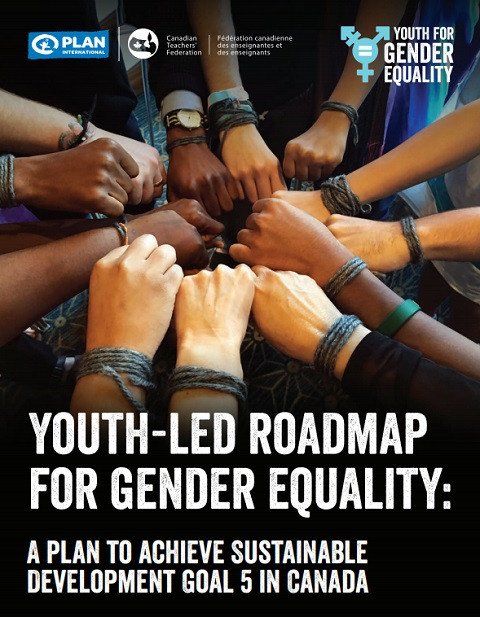 Youth-Led Roadmap for Gender Equality: A Plan to Achieve Sustainable Development Goal 5 in Canada Année de publication: 2019 Auteur institutionnel: Plan International Canada | Canadian Teachers’ Federation The uniquely youth-led Roadmap – launched at the Women Deliver 2019 Global Conference in Vancouver, on Tuesday, June 4, 2019. It reflects the powerful perspectives of over 300 youth from all over Canada with diverse experiences and backgrounds, such as youth who have experienced homelessness, Indigenous youth, young people of colour, newcomers to Canada and members of the 2SLGBTQIA+ community, among others, as well as individuals from remote and rural communities in Canada.The Roadmap includes 20 recommendations that individual Canadians can take today to achieve gender equality within their homes, communities and beyond. It also includes more than 40 additional recommendations targeted at public institutions, the private sector and governments to help Canada achieve Sustainable Development Goal 5: Gender equality, by the goals’ end date of 2030.
 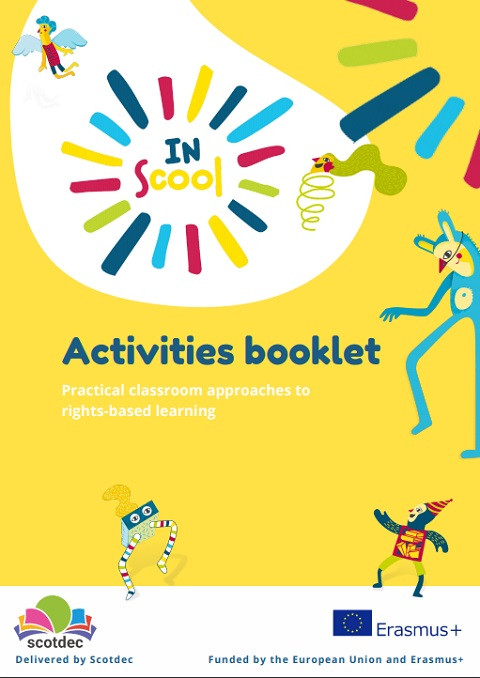 Inscool: Activities Booklet; Practical Classroom Approaches to Rights-Based Learning Année de publication: 2020 Auteur institutionnel: Scotdec | European Union (EU) | Erasmus+ This toolkit is designed to guide you flexibly, in ways that suit your primary school, through the start of a journey towards including more pupils in learning and life at school. A key point to remember about this journey is that it does not have a final destination. Rather, it is about cumulative change that has, at its heart, a continuous focus on improving their access to and participation in quality, inclusive education.
  الثنائية اللغوية بين اكتساب اللغة الأم (العربية) وتعلم اللغة الأجنبية (الإنجليزية) Année de publication: 2015 Auteur: Fuad Abdul Muttalib | Shafeeq Banat Auteur institutionnel: AlMamon University College تبحث هذه الدراسة أهمية تعلم اللغات الأجنبية، لا سيما اللغة الإنجليزية، ودورها في مختلف ميادين الحياة، وعلى نحو ملحوظ في التربية والتعليم والبحث ونقل المعرفة والتنمية اللغوية والثقافية. لكن التداخل اللغوي بين اللغة الأجنبية واستخدامات اللغة الأم يؤدي أحياناً إلى مشكلات غدت مستفحلة في الآونة الأخيرة. وبغية تقصي هذه المشكلات، يحاول هذا البحث الخوض في موضوع اكتساب الأطفال للغتهم الأم ومن ثمَّ نماء هذه اللغة وإبداعهم فيها، مستعرضاً آراء باحثين مختصين في هذا المجال.ويتطرق البحث إلى المشتغلين باللغة وانجذاب بعضهم إلى اللغة الإنجليزية التي راحت تقتحم عملية اكتساب المعرفة والتعليم والثقافة والإبداع وتؤثر سلباً في هذه العملية انطلاقاً من نظرة دونية وتشكيك حيال اللغة العربية واتهامها بالعجز والقصور عن مواكبة مستجدات العصر. ويشير البحث إلى ظهور هذه المشكلة قديماً في اللغة والثقافة العربيتين متناولاً آراء ابن خلدون فيها. ويعرض البحث لأفكار ومقترحات يمكن أن تخدم بوصفها حلولاً لهذه الإشكالية القديمة الجديدة، مستفيداً في ذلك من دراسات وثيقة الصلة بموضوعه، وذلك كله من خلال تأكيد فكرة استخدام العربية لغةً للتعلّم والبحث والتربية والإبداع وإنتاج المعرفة على نحوٍ أساس. Bilingualism Between Mother Tongue (Arabic) Acquisition and Foreign Language (English) Learning Année de publication: 2015 Auteur: Fuad Abdul Muttalib | Shafeeq Banat Auteur institutionnel: AlMamon University College This research work considers the importance of learning of foreign languages, especially English, and their role in education, research, knowledge transfer, language and cultural growth. Language overlapping, between English and Arabic, leads sometimes to acute problems. To approach these problems, the work tries to discuss the acquisition of children of their mother tongue, its expansion and its use creatively in different disciplines.The work tackles the attraction of English to some experts in their fields, the thing that drives them to look suspiciously and down at Arabic accusing it of incompetence to catch up with new changes. Since language overlapping is an old problem, this has entailed a reference to Iben Khaldoun’s diagnosis of it with commentary. The work asserts eventually the essential use of Arabic as a language of education, research, culture and knowledge production, without neglecting foreign languages learning, above all English. The work is carried out in the light of the available studies on this issue.
 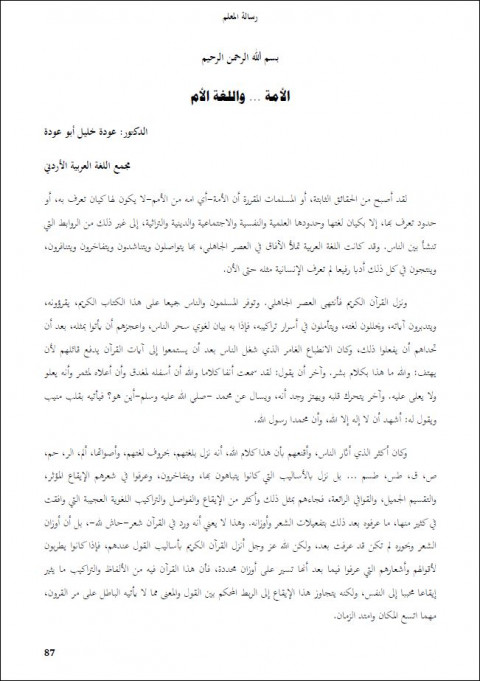 الأمة .. و اللغة الأم Année de publication: 2016 Auteur: Odeh Khalil Abu Odeh يتحدث الكاتب بطريقة مختصرة عن أهمية اللغة الأم للأمم، ووجوب المحافظة عليها. ويشير للغة العربية كلغة يجب الاهتمام بها لما لها من دور في حفظ الثقافة. The Nation .. and the Mother Tongue Année de publication: 2016 Auteur: Odeh Khalil Abu Odeh The author talks in a brief way about the importance of the mother tongue of nations, and the need to preserve it. And he refers to the Arabic language as a language that must be taken care of, given its role in preserving culture.
 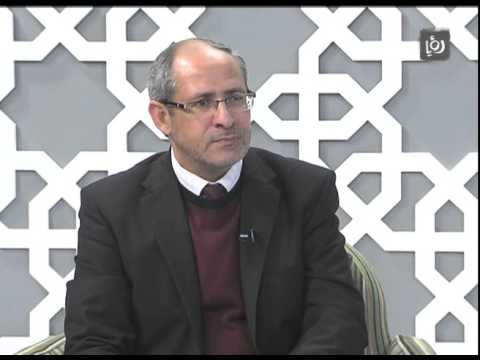 الإسلام والتنوع وبناء السلام Année de publication: 2016 Auteur: Ramy Atta | Ahmed Naji Auteur institutionnel: Roya TV حوار شيق بين المتحدثين حول التنوع ومدى تعاطي الإسلام مع هذا المصطلح. يناقش المتحدثون ثراء الدين الاسلامي في تأصيل التنوع والتعدد، وكيف ذلك يقود للسلام.
 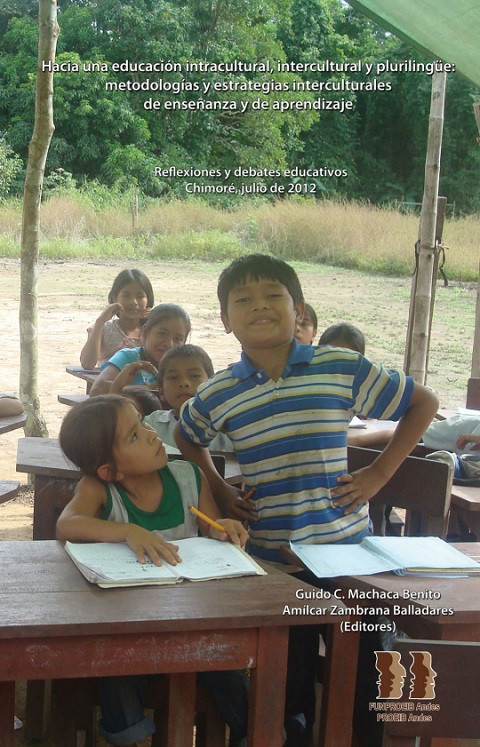 Towards an Intracultural, Intercultural and Multilingual Education: Intercultural Teaching and Learning Methodologies and Strategies Année de publication: 2013 Auteur: Guido C. Machaca Benito | Amílcar Zambrana Balladares Auteur institutionnel: FUNPROEIB Andes This document presents the memories of the seminar - workshop "Towards an intracultural, intercultural and multilingual education: intercultural teaching and learning methodologies and strategies" held in Chimoré, Cochabamba in July 2012. Hacia una educación intracultural, intercultural y plurilingüe: metodologías y estrategias interculturales de enseñanza y de aprendizaje Année de publication: 2013 Auteur: Guido C. Machaca Benito | Amílcar Zambrana Balladares Auteur institutionnel: FUNPROEIB Andes Este documento presenta las memorias del seminario - taller con el "Hacia una educación intracultural, intercultural y plurilingüe: metodologías y estrategias interculturales de enseñanza y de aprendizaje" realizado en Chimoré, Cochabamba en julio de 2012.