
Ressources
Explorez une large gamme de ressources sur le GCED afin d’approfondir votre compréhension et de renforcer vos activités de recherche, de plaidoyer, d’enseignement et d’apprentissage.
2,781 résultats trouvés
 Feminismos de Abya Yala ideas y proposiciones de las mujeres de 607 pueblos en nuestra América Année de publication: 2013 Auteur: Francesca Gargallo Calentani Recopilación de dialogos entre mujeres de diversos pueblos originarios guatemaltecos. Expone aquí la fuerza de las mujeres indigenas que han sufrido violencia fisica y emocional quienes hablan de represión y genocidio. Relatos que permiten procesar los dolores ancestrales de las Ixiles de los pueblos mayas de Guatemala. Nos remite al feminismo blanquizado y las dificultades que representa para escuchar a estas mujere por su visión trazada por la cultura,que no escucha sus demandas y no concoe su historia de lucha y la validez de sus ideas. Evidencia la importancia de bajarse del lugar de poder que confiere la universidad, el poder institucionaizado y las normas políticas de la nación para poder entablar un dialogo genuino.
  General Guidelines for the Implementation of the Peace Class in Preschool, Elementary and Middle School in Colombia Année de publication: 2016 Auteur: Enrique Chaux | Ana María Velásquez Auteur institutionnel: Colombia. Ministerio de Educación Nacional This document presents the general guidelines for educational communities in Colombia to carry out their peace education projects within the framework of the Peace Law. Orientaciones generales para la implementación de la cátedra de la paz: En los establecimientos educativos de preescolar, básica y media de colombia Année de publication: 2016 Auteur: Enrique Chaux | Ana María Velásquez Auteur institutionnel: Colombia. Ministerio de Educación Nacional En este documento se presentan las orientaciones generales para que las comunidades educativas de Colombia puedan llevar a cabo sus proyectos de educación para la paz en el marco de la cátedra para la paz.
  COVID-19: How to Include Marginalized and Vulnerable People in Risk Communication and Community Engagement Année de publication: 2020 Auteur institutionnel: United Nations Entity for Gender Equality and the Empowerment of Women (UN Women) | Regional Risk Communication and Community Engagement (RCCE) Women, the elderly, adolescents, youth, and children, persons with disabilities, indigenous populations, refugees, migrants, and minorities experience the highest degree of socio-economic marginalization. Marginalized people become even more vulnerable in emergencies. This is due to factors such as their lack of access to effective surveillance and early-warning systems, and health services. The COVID-19 outbreak is predicted to have significant impacts on various sectors. The development of this guide was led by UN Women and Translators without Borders on behalf of the Risk Communication and Community Engagement Working Group on COVID-19 Preparedness and Response in Asia and the Pacific, co-chaired by WHO, IFRC and OCHA.
 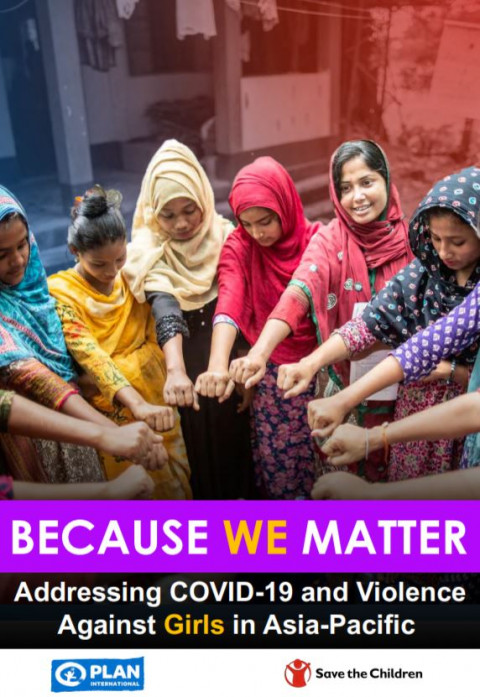 Because We Matter: Addressing COVID-19 and Violence Against Girls in Asia-Pacific Année de publication: 2020 Auteur institutionnel: Save the Children | Plan International This thematic policy brief aims to seek and secure commitment from regional and national leaders to urgently prioritize and invest consistently in the protection of girls, who are disproportionately exposed to multitude forms of violence and their devastating consequences. It provides evidence and raises concerns of girls’ vulnerability to combined and complex risks that are further intensified by the COVID-19 pandemic.This brief is primarily intended for regional policy-makers and duty-bearers responsible for regulating, planning and resourcing protection of There is no definition of what it means to be a girl. It offers a set of recommendations to guide policy and investments across the Asia Pacific region to ensure gender-responsive, effective and well-resourced measures to protect all children, and particularly girls.
 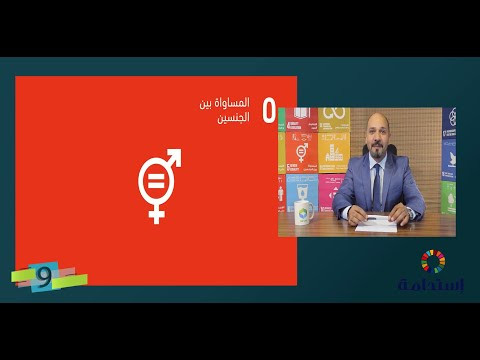 Sustainability: Gender Equality Année de publication: 2019 Auteur institutionnel: CSR Egypt This video deals with the concept of the fifth goal of the sustainable development goals (gender equality) and that women have a fundamental role to achieve the goals of sustainable development, and that is why they must be given the opportunity and support to obtain all their rights and effective participation in the advancement of Arab societies. الاستدامة: المساواة بين الجنسين Année de publication: 2019 Auteur institutionnel: CSR Egypt الفيديو يتطرق لمفهوم الهدف الخامس من اهداف التنمية المستدامة (المساواة بين الجنسين) و ان المرأة لها دور اساسى لتحقيق اهداف التنمية المستدامة و لذلك يجب ان يتم اتاحة الفرصة لها و دعمها للحصول على كافة حقوقها و مشاركتها الفعاله للنهوض بالمجتمعات العربية.
 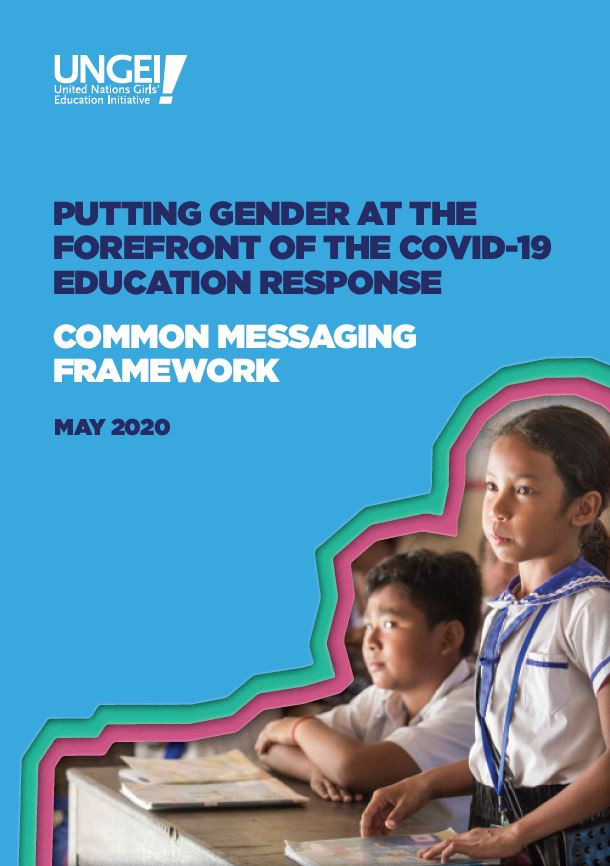 Putting Gender at the Forefront of the COVID-19 Education Response: Common Messaging Framework Année de publication: 2020 Auteur institutionnel: United Nations Girls' Education Initiative (UNGEI) Nationwide school closures as part of measures to prevent the spread of COVID-19 have disrupted the education of an entire generation of children and youth. Previous health emergencies demonstrate that girls are disproportionately affected, with the effects of gender inequality and unequal power structures exacerbated in times of crisis. This Common Messaging Framework, developed with UNGEI partner and ally organisations, can be used as an advocacy tool to leverage the power of collective action to position gender at the forefront of the COVID-19 response and enhance coherence in advocacy and communications efforts. Mettre le genre au premier plan de la réponse éducative au COVID-19: Cadre de messagerie commun Année de publication: 2020 Auteur institutionnel: United Nations Girls' Education Initiative (UNGEI) Les fermetures d’écoles à l’échelle nationale dans le cadre des mesures visant à prévenir la propagation du COVID-19 ont perturbé l’éducation de toute une génération d’enfants et de jeunes. Les urgences sanitaires antérieures démontrent que les filles sont touchées de manière disproportionnée, les effets de l’inégalité entre les sexes et des structures de pouvoir inégales étant exacerbés en temps de crise.En tant que partenariat mondial dédié à la promotion de l’égalité des sexes dans et à travers l’éducation, nous devons tirer parti de la puissance de l’action collective pour placer le genre au premier plan de la réponse COVID-19 et renforcer la cohérence dans le plaidoyer et la communication entre les organisations partenaires et alliées.Cette initiative de messagerie commune représente une opportunité stratégique pour favoriser le dialogue et attirer l’attention sur les impacts sexospécifiques de COVID-19, plaider en faveur de stratégies pour répondre aux dimensions sexospécifiques de cette crise et envisager la réouverture en toute sécurité des écoles à travers une perspective sexospécifique. Poniendo el género en primer plano de la respuesta educativa ante el COVID-19: Marco común de la mensajería Année de publication: 2020 Auteur institutionnel: United Nations Girls' Education Initiative (UNGEI) El cierre de las escuelas a nivel nacional como parte de las medidas para prevenir el contagio del COVID-19 ha interrumpido la educación de toda una generación de niños, niñas y jóvenes. Las emergencias de salud anteriores han demostrado que las niñas se ven afectadas de manera desproporcionada con los efectos de la desigualdad de género y estructuras de poder desiguales exacerbadas en tiempos de crisis.Como asociación mundial dedicada a avanzar la igualdad de género en y a través de la educación, debemos ejercer el poder de la acción colectiva para posicionar al género en primer plano en la respuesta ante el COVID-19 y aumentar la coherencia en la defensa, promoción y comunicación entre las organizaciones socias y aliadas.Esta iniciativa común de mensajería representa una oportunidad estratégica para promover el diálogo y llamar la atención sobre los impactos de género del COVID-19, abogar por estrategias que respondan a las dimensiones de género de esta crisis y ver hacia una futura reapertura de las escuelas a través de una lente de género.