
Ressources
Explorez une large gamme de ressources sur le GCED afin d’approfondir votre compréhension et de renforcer vos activités de recherche, de plaidoyer, d’enseignement et d’apprentissage.
684 résultats trouvés
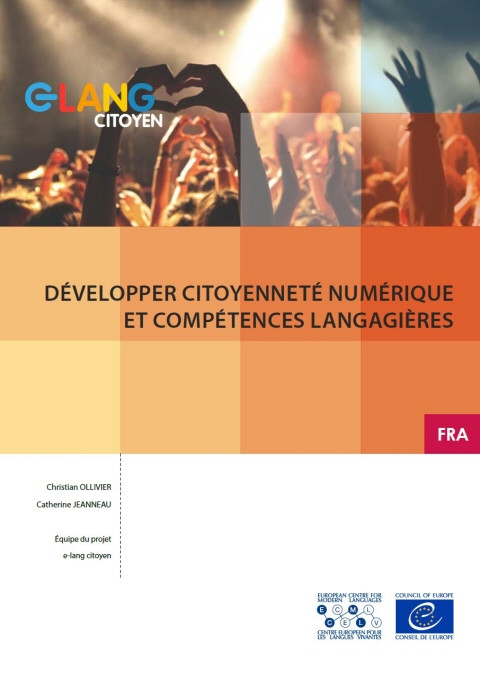 Développer citoyenneté numérique et compétences langagières Année de publication: 2023 Auteur: Christian Ollivier | Catherine Jeanneau Auteur institutionnel: European Centre for Modern Languages (ECML) Le portrait des citoyens et citoyennes usagers et usagères des langues et du numérique permet de préciser les objectifs à poursuivre dans une formation en langue qui intègre l'éducation à la citoyenneté numérique. Le Cadre didactique définit une approche socio-interactionnelle permettant cette intégration.
 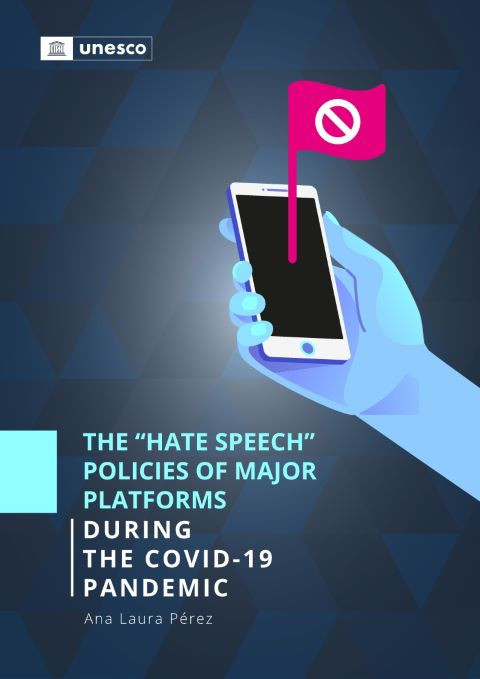 The “Hate Speech” Policies of Major Platforms during the COVID-19 Pandemic Année de publication: 2021 Auteur institutionnel: UNESCO Montevideo This document reports an increase in so-called “hate speech” posts on Facebook, Twitter, and YouTube after the onset of the COVID-19 pandemic. Although dissimilar, such an increase can be observed in the transparency reports of the different platforms and the surge in content moderation since March 2020.During the same period—as a result of the lockdown measures adopted in most countries around the world—platforms increased the use of AI tools for content moderation. Therefore, we can’t fully say whether the interannual growth is linked to increased posts or changes in monitoring systems. Las políticas de las grandes plataformas sobre discurso de odio durante el Covid-19 Année de publication: 2021 Auteur institutionnel: UNESCO Montevideo Este documento da cuenta de un aumento de posteos considerados discurso de odio a partir de la llegada de la pandemia COVID-19 en Facebook, Twitter y YouTube. Aunque dispar, ese aumento puede establecerse a partir de los informes de transparencia de las distintas plataformas y los crecimientos registrados en la moderación de esos contenidos a partir de marzo de 2020.Dado que en ese mismo período, y como consecuencia de las medidas de aislamiento tomadas ven la mayoría de los países del mundo, las plataformas tomaron la decisión de aumentar el uso de herramientas de inteligencia artificial en sus procesos de moderación no es posible asegurar a ciencia cierta que ese crecimiento se haya registrado por un aumento en la creación y publicación de mensajes o a partir de un cambio en los sistemas de detección que afectó los resultados entre un año y otro.
 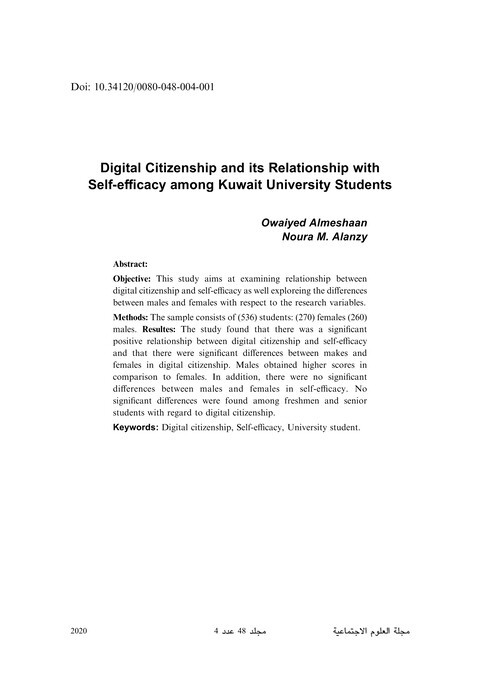 المواطنة الرقمية وعلاقتها بالكفاءة الذاتية لدى طلاب جامعة الكويت وطالباتها (مجلة العلوم الاجتماعية ;no.4, vol.48) Année de publication: 2020 Auteur: Owaiyed Almeshaan | Noura Alanzy Auteur institutionnel: Kuwait University تهدف هذه الدراسة إلى فحص العلاقة بين المواطنة الرقمية والكفاءة الذاتية، والكشف عن الفروق بين الذكور والإناث في متغيرات الدراسة. المنهجية: تكونت عينة الدراسة من (536)؛ بواقع (266) من الذكور و(270) من الإناث. النتائج: كشفت نتائج الدراسة عن أنه توجد علاقة موجبة بين المواطنة الرقمية والكفاءة الذاتية، كما توجد فروق دالة إحصائياً بين الذكور والإناث في المواطنة الرقمية؛ إذ إن متوسط الذكور أعلى من متوسط الإناث، بينما لا توجد فروق بينهما في الكفاءة الذاتية. كما لا توجد فروق دالة إحصائياً بين الذكور والإناث وفقاً للكلية والمرحلة الدراسية. Digital Citizenship and Its Relationship With Self-Efficacy Among Kuwait University Students (Journal of Social Sciences; vol.48, no.4) Année de publication: 2020 Auteur: Owaiyed Almeshaan | Noura Alanzy Auteur institutionnel: Kuwait University This study aims at examining relationship between digital citizenship and self-efficacy as well exploring the differences between males and females with respect to the research variables.Methods: The sample consists of (536) students: (270) females (260) males. Results: The study found that there was a significant positive relationship between digital citizenship and self-efficacy and that there were significant differences between males and females in digital citizenship. Males obtained higher scores in comparison to females. In addition, there were no significant differences between males and females in self-efficacy. No significant differences were found among freshmen and senior students with regard to digital citizenship.
 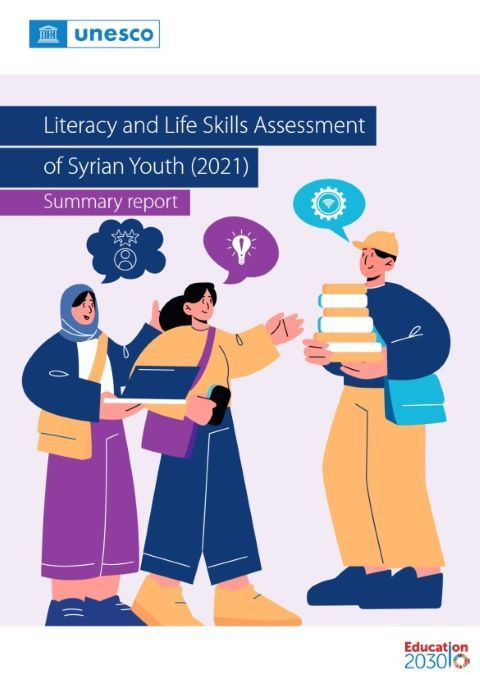 تقييم معرفة القراءة والكتابة والمهارات الحياتية لدى الشباب السوري (2021) : تقرير موجز Année de publication: 2022 Auteur institutionnel: UNESCO Beirut تسببت الأزمة السورية في حدوث اضطرابات في تعليم الأطفال والشباب لأكثر من عقد. لقد أضاف جائحة COVID-19 ، مع إغلاق المدارس ذات الصلة ، عبئًا إضافيًا على الوضع الحالي ، مما أثر على نتائج التعلم في جميع أنحاء العالم. إن تقييم حالة كفاءات الشباب السوري في محو الأمية والحساب والمهارات الحياتية أمر ضروري لتخطيط وتنفيذ برامج أفضل لمساعدتهم على تعويض خسائرهم التعليمية. الهدف النهائي هو دعمهم ليكونوا قادرين على العودة إلى مسارات التعليم الرئيسية أو تزويدهم بالمهارات الأساسية للتعامل مع الاحتياجات اليومية في بيئاتهم الشخصية والمهنية.تقيس دراسة "تقييم معرفة القراءة والكتابة والمهارات الحياتية للشباب السوري" (LLASY) المستويات الحالية لمحو الأمية والحساب ، بالإضافة إلى المهارات الحياتية لشباب سوريا الذين تتراوح أعمارهم بين 15 و 24 عامًا والذين يعيشون حاليًا داخل البلاد. وتشمل العينة الشباب ، والشابات ، والذكور ، الملتحقين بمؤسسات تعليمية أو تدريبية ، ومن هم خارجها. Literacy and Life Skills Assessment of Syrian Youth (2021): Summary Report Année de publication: 2022 Auteur institutionnel: UNESCO Beirut The Syrian crisis has caused disruptions to children’s and youth’s education for over a decade. The COVID-19 pandemic, with the related school closures, has added an additional burden to the existing situation, impacting learning outcomes worldwide. Assessing the status of Syrian youth’s competencies in literacy, numeracy and life skills, is essential in order to plan and implement better programmes to help them catch up on their learning losses. The ultimate goal is to support them to be able to go back into the main education streams or provide them with basic skills to cope with daily needs in their personal and professional environments.The ‘Literacy and Life Skills Assessment of Syrian Youth’ (LLASY) study measures current literacy and numeracy levels, as well as life skills of the youth of Syria of the 15 to 24 age group currently living inside the country. The sample includes youth, female and male, who are enrolled in educational or training institutions, as well as those who are out of them.
 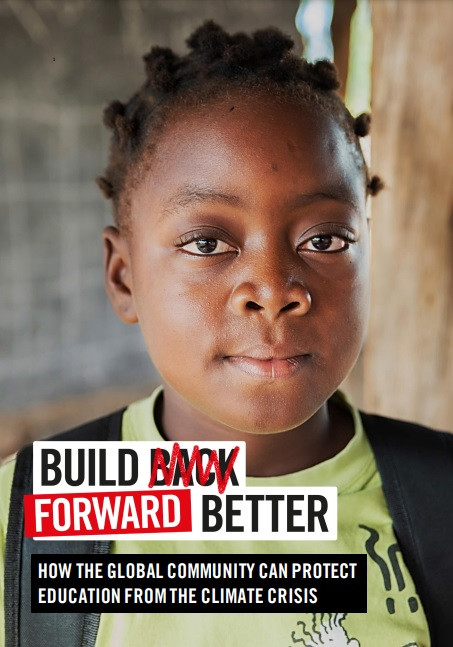 Build Forward Better: How the Global Community Can Protect Education from the Climate Crisis Année de publication: 2021 Auteur: Anya Cowley | Mathias Slettholm Auteur institutionnel: Save the Children Children’s increasing exposure to extreme weather events has serious implications for children’s access to quality education. 75 million children have their education disrupted each year – of which around half are due to environmental threats such as floods and drought. This briefing paper sets out how leaders can protect children’s learning from the impacts of the climate crisis, and the role that education can play in equipping the next generation with the tools they need to protect against its worst impacts.
  Audrey Azoulay (UNESCO) at the Transforming Education Summit Année de publication: 2022 Auteur institutionnel: United Nations (UN) This video shows the remarks made by Director-General of UNESCO Audrey Azoulay at the Opening segment of the UN Transforming Education Summit.
  Vanessa Nakate (Climate Justice activist), Yelizaveta Posivnych (Student), Somaya Faruqi (Activist ) at the Transforming Education Summit (Leaders Day) Année de publication: 2022 Auteur institutionnel: United Nations (UN) Remarks by Vanessa Nakate, Climate Justice activist and UNICEF Goodwill Ambassador, Yelizaveta Posivnych, Student, Saint George Academy, New York; and Somaya Faruqi, Activist and former Captain of the Afghan Girls Robotics Team, on the rights of women and girls - Joint call to action, at the Youth Segment: The imperative for education transformation, at the transforming Education Summit (Leaders Day) - Opening segment.