
Ressources
Explorez une large gamme de ressources sur le GCED afin d’approfondir votre compréhension et de renforcer vos activités de recherche, de plaidoyer, d’enseignement et d’apprentissage.
14 résultats trouvés
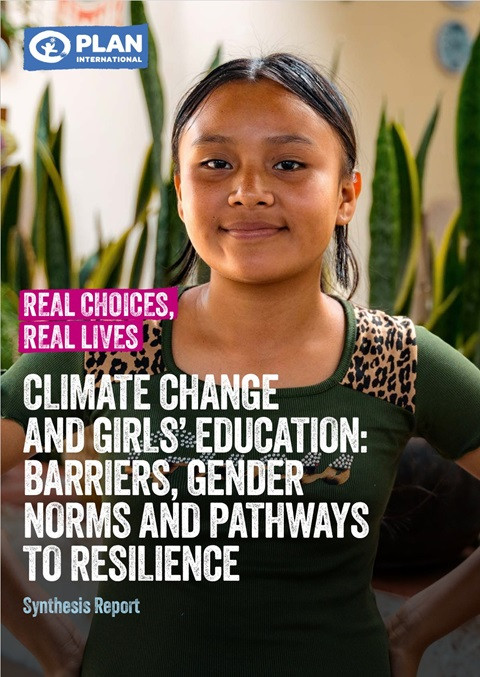 [Informe de síntesis] Cambio climático y educación de las niñas: barreras, normas de género, y rutas hacia la resiliencia Année de publication: 2023 Auteur institutionnel: Plan International Esta investigación explora la relación entre el cambio climático y la educación de las niñas: ¿cuáles son los impactos directos e indirectos del cambio climático sobre el acceso de las niñas a la escuela y la finalización de su educación? ¿Cómo se cruzan estos impactos con las barreras de género existentes a la educación? ¿Y cómo ayuda su educación a las niñas a responder y adaptarse al cambio climático en sus comunidades? Se incluye un informe de síntesis y un resumen, junto con el informe técnico para más detalles sobre las conclusiones y la propia investigación.
 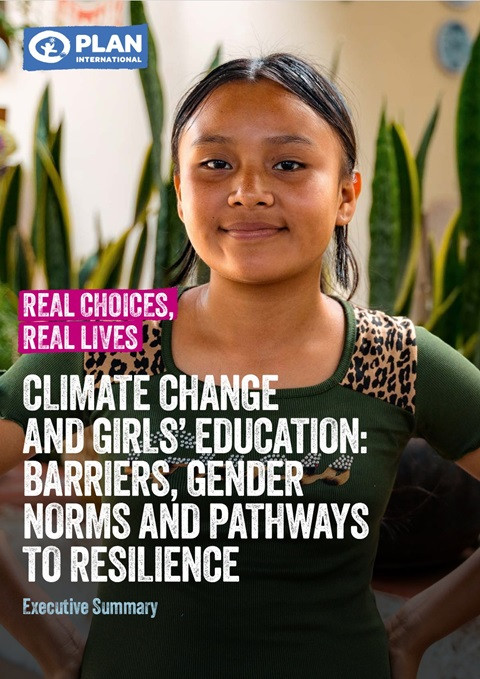 [Executive Summary] Climate Change and Girls' Education: Barriers, Gender Norms and Pathways to Resilience Année de publication: 2023 Auteur institutionnel: Plan International This is the Executive Summary for the report: Climate Change and Girls’ Education: Barriers, Gender Norms and Pathways to Resilience. The full technical report and accompanying synthesis report are also available. [Résumé analytique] Changement climatique et éducation des filles: entraves, normes sexistes et chemins vers la resilience Année de publication: 2023 Auteur institutionnel: Plan International This is the Executive Summary for the report: Climate Change and Girls’ Education: Barriers, Gender Norms and Pathways to Resilience. The full technical report and accompanying synthesis report are also available. [Resumen Ejecutivo] Cambio climático y educación de las niñas: barreras, normas de género, y rutas hacia la resiliencia Année de publication: 2023 Auteur institutionnel: Plan International This is the Executive Summary for the report: Climate Change and Girls’ Education: Barriers, Gender Norms and Pathways to Resilience. The full technical report and accompanying synthesis report are also available.