
Ressources
Explorez une large gamme de ressources sur le GCED afin d’approfondir votre compréhension et de renforcer vos activités de recherche, de plaidoyer, d’enseignement et d’apprentissage.
730 résultats trouvés
 Indigenous Languages: One Year After the Launch of the Decade by UNESCO Année de publication: 2024 Auteur institutionnel: Radio France International (RFI) One year on from the launch of the great cause dedicated to protecting the world's indigenous languages: what action has been taken? Are some languages more endangered than others? Langues autochtones : Un an après le lancement de la décennie par l'UNESCO Année de publication: 2024 Auteur institutionnel: Radio France International (RFI) Un an après le lancement de la grande cause dédiée à la protection des langues autochtones dans le monde : quelles actions ont été mises en place ? Certaines langues sont-elles plus menacées que d’autres ?
 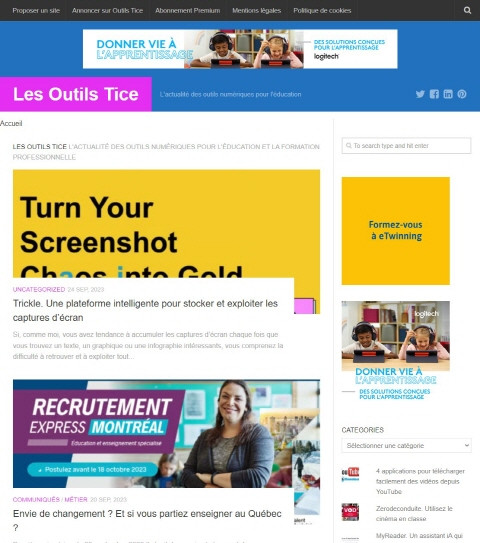 Les Outils TICE - L'actualité des outils numériques pour l'éducation Auteur: Fidel Navamuel Les outils Tice est un site de références dans son domaine.Créé par un journaliste, il recense, chaque semaine l’actualité des sites et des outils utilisant les Technologies de l’Information et de la Communication dans l’Education (TICE). Chaque ressource est présentée et analysée. Les ressources sont classées par catégorie et une newsletter permet de recevoir chaque semaine les dernières nouveautés. Les outils Tice is a reference site in its field.Created by a journalist, it provides weekly news on sites and tools using Information and Communication Technologies in Education.(ICTE). Each resource is presented and analyzed. Resources are classified by category, and a weekly newsletter keeps you up to date with the latest news.
 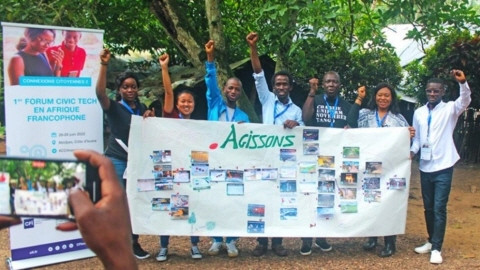 Civic Tech in Africa: When Citizen’s Connections Work for Democracy Année de publication: 2022 Auteur: Raphaëlle Constant Auteur institutionnel: Radio France International (RFI) The first civic tech forum in French-speaking Africa was held at the end of June in Abidjan, Côte d'Ivoire, at the initiative of CFI. For "L'atelier des médias", Raphaëlle Constant spoke to the people who are developing digital initiatives in several African countries to improve the flow of information and mobilise citizens to influence public debate. Civic tech en Afrique: Quand des connexions citoyennes œuvrent pour la démocratie Année de publication: 2022 Auteur: Raphaëlle Constant Auteur institutionnel: Radio France International (RFI) Le premier forum civic tech en Afrique francophone s’est tenu fin juin à Abidjan, en Côte d’Ivoire, à l'initiative de CFI. Pour L’atelier des médias, Raphaëlle Constant y a tendu son micro à celles et ceux qui développent des initiatives numériques dans plusieurs pays africains pour améliorer la circulation de l’information et déclencher des mobilisations citoyennes pour peser dans le débat public.
 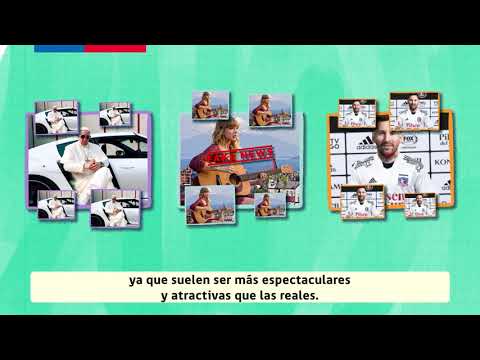 Chapter 4: What Is Disinformation and How Do We Deal With It? Année de publication: 2024 Auteur institutionnel: Chile. Ministry of the General Secretariat of Government Why have fake news become so popular? How can we avoid them when doing homework, assignments and getting informed about what is happening in the country and the world? In this capsule, aimed at parents, guardians and tutors, we will learn what disinformation is, more popularly known as the phenomenon of fake news, along with advice on how to confront it and not continue its spread. This capsule was produced by the Ministry of the General Secretariat of Government in collaboration with Mineduc, within the framework of the Citizenship and Digital Literacy Plan. Capítulo 4: ¿Qué es y cómo enfrentamos la desinformación? Année de publication: 2024 Auteur institutionnel: Chile. Ministry of the General Secretariat of Government ¿Por qué se han hecho tan populares las noticias falsas? ¿Cómo podemos evitarlas al momento de hacer tareas, trabajos e informarnos de lo que sucede en el país y en el mundo? En esta cápsula, dirigida a padres, madres, apoderadas y apoderados conoceremos lo que es la desinformación, más popularmente conocida como el fenómeno de las fake news, junto con consejos para enfrentarla y no continuar su propagación. Esta cápsula fue realizada por el Ministerio Secretaría General de Gobierno en colaboración con Mineduc, en el marco del Plan Ciudadanía y Alfabetización Digital.
  Developing Digital Citizenship and Language Competences Année de publication: 2023 Auteur: Christian Ollivier | Catherine Jeanneau Auteur institutionnel: European Centre for Modern Languages (ECML) The profile of citizens who use languages and digital tools helps to define the objectives to pursue in language training that incorporates digital citizenship education. The Didactic Framework outlines a socio-interactional approach that enables this integration. Développer citoyenneté numérique et compétences langagières Année de publication: 2023 Auteur: Christian Ollivier | Catherine Jeanneau Auteur institutionnel: European Centre for Modern Languages (ECML) Le portrait des citoyens et citoyennes usagers et usagères des langues et du numérique permet de préciser les objectifs à poursuivre dans une formation en langue qui intègre l'éducation à la citoyenneté numérique. Le Cadre didactique définit une approche socio-interactionnelle permettant cette intégration.
 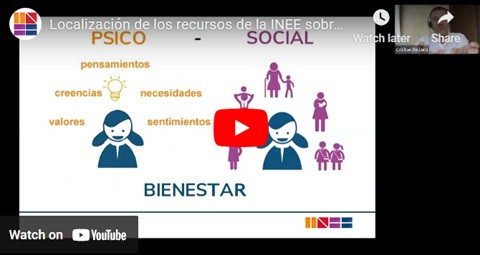 Location of INEE Resources on PSS-SEL Année de publication: 2024 Auteur institutionnel: Harvard Graduate School of Education (HGSE) | Inter-agency Network for Education in Emergencies (INEE) In these workshops, participants learned how to locate INEE PSS-SEL resources, including the INEE Background Document on Psychosocial Support and Psychoeducation for Children and Youth in Emergencies, the INEE Guidance Note on PSS, the PSS-SEL Toolkit, and the Guidance Note on Teacher Well-Being in Emergencies, and how to effectively adapt them to different contexts.