
Ressources
Explorez une large gamme de ressources sur le GCED afin d’approfondir votre compréhension et de renforcer vos activités de recherche, de plaidoyer, d’enseignement et d’apprentissage.
950 résultats trouvés
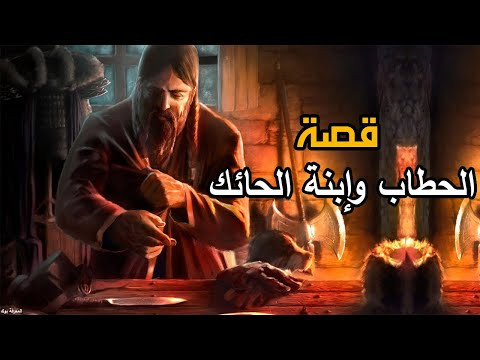 قصة الحطاب وإبنة الحائك Année de publication: 2021 Auteur institutionnel: Alma3rifabook الفيديو عبارة عن قصة هادفة تتمثل في بعض القيم العربية والأخلاق النبيلة. يروى في قديم الزمان، وسالف العصر والاوان أنه كان هناك حطاب شاب يدعى ناصر متزوج حديثاً ويعيش مع زوجته على مشارف قرية ريفية هادئة. وكان ويخرج للعمل كل صباح لتقطيع الحطب وجمعه من الغابة المجاورة ولا يعود للبيت إلا بعد انتصاف النهار. وفي عصر أحد الايام خرج مع زوجته للسوق وهناك قابلا فتاةً شابة اسمها سلوى تبيع السجاد الذي تم حياكته يدويا. The Story of the Woodcutter and the Weaver's Daughter Année de publication: 2021 Auteur institutionnel: Alma3rifabook The video is a purposeful story represented in some Arab values and noble morals. It is said, in the old days, that there was a young woodcutter named Nasir who was newly married and lived with his wife on the outskirts of a quiet rural village. He would go out to work every morning to cut wood and gather it from the nearby forest, and would not return home until after midday. One afternoon, he went out with his wife to the market, and there they met a young girl named Salwa who was selling hand-woven rugs.
 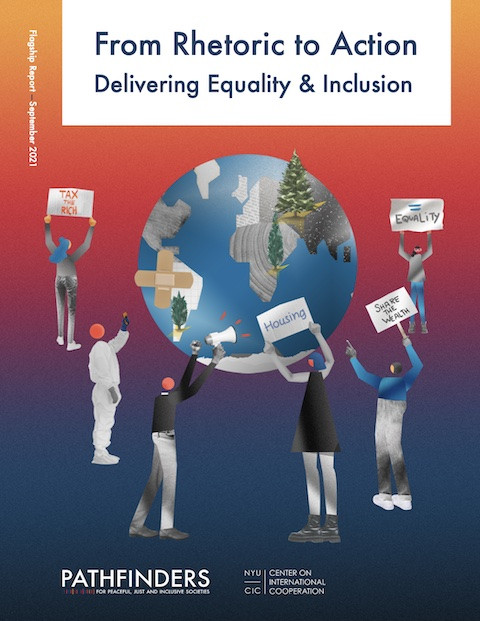 From Rhetoric to Action: Delivering Equality & Inclusion Année de publication: 2021 Auteur: Faiza Shaheen | Alexander Bossakov | Avner Cohen | Amanda Lenhardt | Nendirmwa Noel | Paula Sevilla Núñez | Paul von Chamier Auteur institutionnel: Pathfinders for Peaceful, Just and Inclusive Societies, NYU. Center on International Cooperation This flagship report of the Pathfinders Grand Challenge on Inequality and Exclusion is about the solutions that will deliver equality and inclusion.The report constructs a bridge between the rhetoric of “build back better” and action: a bridge between promise and progress. It underlines the need for renewed social contracts between citizens, civil society, the private sector, and governments, as well as between high and low- and middle-income countries. These social contracts must be built to serve future generations, to guard against climate breakdown and pandemics while delivering respect, opportunity, and justice for all.This report should serve as a practical handbook for policymakers and influencers; as a source of possibility for the public; and, as a call to all political leaders to act.
  المواطنة Année de publication: 2020 Auteur: Zeyad Alawana Auteur institutionnel: Ministry of Political and Parliamentary Affairs يهدف الكتيب إلى تعميق ثقافة المواطنة الصالحة والفعّالة لدى الشباب، وتعريفهم بحقوقهم وواجباتهم الواردة في الدستور الاردني، وتعريفهم أيضاً بقيم المواطنة الصالحة الي تقوم على أساس سيادة القانون، واحرام المساواة، والتسامح وتقبّل الآخر، وتقبل التعددية والتنوع في المجتمع. وبشكل أكثر تفصيلاً، يحتوي الكتيب على موضوعات ومعارف وأسئلة وخبرات تهدف إلى ما يلي:•أولاً، التعريف بمفهوم المواطنة والحقوق والواجبات والتمييز بين المواطن الصالح وغير الصالح.•ثانياً، التعريف بمبادئ المواطنة الصالحة ، كالحرية والمشاركة الفاعلة والمساواةوتكافؤ الفرص والتضامن والمحافظة على الممتلكات العامة.•ثالثاً، التعريف بأهداف المواطنة، كالالتزام بمبادئ الديمقراطية، والتحرر من التعصب والتميز، والايمان بالأخوّة الإنسانية والمنهج العلمي في التفك وسيادة القانون، والالزام بالدستور، والمشاركة السياسية الفاعلة، واحرام كرامة الانسان، واكتساب قيم المواطنة الحقة. Citizenship Année de publication: 2020 Auteur: Zeyad Alawana Auteur institutionnel: Ministry of Political and Parliamentary Affairs The booklet aims to deepen the culture of good and effective citizenship among young people, inform them of their rights and duties contained in the Jordanian constitution, and also introduce them to the values of good citizenship that are based on the rule of law, respect for equality, tolerance and acceptance of others, and acceptance of pluralism and diversity in society. In more detail, the booklet contains topics, knowledge, questions and experiences aimed at:First, the definition of the concept of citizenship, rights and duties, and the distinction between a good and a good citizen.Second, introducing the principles of good citizenship, such as freedom, active participation, and equalityEquality of opportunity, solidarity and preservation of public property.Third, the definition of the goals of citizenship, such as commitment to the principles of democracy, freedom from fanaticism and distinction, belief in human brotherhood and the scientific method in disunity and the rule of law, commitment to the constitution, active political participation, respect for human dignity, and the acquisition of true citizenship values.
 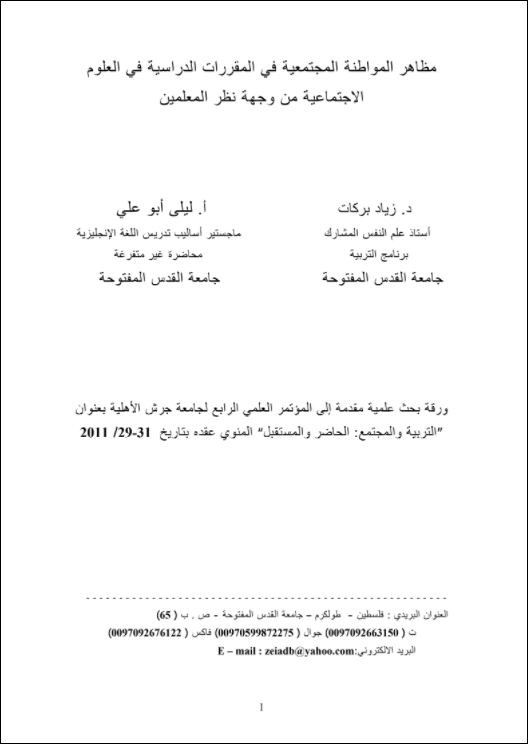 مظاهر المواطنة المجتمعية في المقررات الدراسية في العلوم الاجتماعية من وجهة نظر المعلمين Année de publication: 2011 Auteur: Zeiad Barakat | Laila Abu Ali Auteur institutionnel: Jerash Universtiy هدفت هذه الدراسة التعرف إلى مظاهر المواطنة المجتمعية في المجالات الاجتماعية والقانونية والاقتصادية والسياسية في المقررات الدراسية الفلسطينية المتعلقة بالعلوم الاجتماعية (التاريخ والجغرافية والتربية المدنية والتربية الوطنية ) من وجهة نظر المعلمين لهذ ه المقررات، لهذا الغرض طبقت استبانة مكونة من ( 40 ) فقرة لقياس مظاهر المواطنة المجتمعية في المظاهر المختلفة على عينة من المعلمين في المدارس الحكومية في محافظة طولكرم يدرسون هذه المقررات قو امها ( 134 ) معلمًا ومعلمة. Manifestations of Community Citizenship in the Curriculums in Social Sciences from the Viewpoint of the Teachers Année de publication: 2011 Auteur: Zeiad Barakat | Laila Abu Ali Auteur institutionnel: Jerash Universtiy The purpose of this study was to investigate the manifestations of community citizenship in domains of social, legal, economic and political in the Palestinian social science curriculum (history, geography, civic education and national education) from the viewpoint of the teachers of these courses, for this purpose applied a questionnaire consisting of (40) items to measure aspects of community citizenship, in the various manifestations on a sample of teachers in government schools in the province of Tulkarem who teach these courses consisted of (134) teachers.
 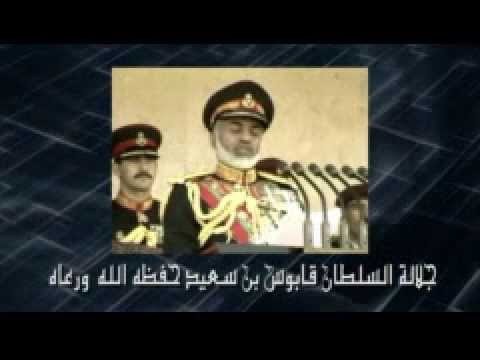 تربية المواطنة في المناهج الدراسية Année de publication: 2013 Auteur institutionnel: Oman. Ministry of Education الفيديو يتحدث عن تربية المواطنة في المناهج المدرسية بسلطنة عمان. ويسرد الفيديو تتطور التربية المواطنية في المناهج العمانية منذ 1970 عندما بدأت النهضة العمانية. ويشير الفيديو بأن تربية المواطنة تتغير باستمرار خلال المرحلة الماضية بناء على المتغيرات الوطنية والإقليمية والعالمية. ويذكر الفيديو مراحل تطور المناهج واستعراضها للتربية المواطنية.
  معايير جودة الدمج التعليمي Année de publication: 2020 Auteur: Abdalbasit Huaidi | Eman Durki Auteur institutionnel: Child Evaluation and Education Center الفيديو عبارة عن شرح لمعايير الدمج التعليمي في مركز تعليم وتقويم الطفل. ويشرح المحاضر وثيقة جودة معايير الدمج بجميع مجالاتها وأهدافها. الفيديو مناسب للمؤسسات التربوية المهتمة بالدمج التعليمي. Quality Standards for Educational Inclusion Année de publication: 2020 Auteur: Abdalbasit Huaidi | Eman Durki Auteur institutionnel: Child Evaluation and Education Center The video is an explanation of the educational inclusion standards in the Child Education and Assessment Center. The lecturer explains the quality document of the integration standards in all its fields and objectives. The video is suitable for educational institutions interested in educational integration.