
Ressources
Explorez une large gamme de ressources sur le GCED afin d’approfondir votre compréhension et de renforcer vos activités de recherche, de plaidoyer, d’enseignement et d’apprentissage.
2,781 résultats trouvés
 Стратегия и план действий Организации Объединенных Наций по борьбе с языком ненависти Année de publication: 2019 Auteur institutionnel: United Nations (UN) В ответ на тревожные тенденции роста ксенофобии, расизма и нетерпимости, воинствующего женоненавистничества, антисемитизма и ненависти в отношении мусульман во всем мире Генеральный секретарь Организации Объединенных Наций Антониу Гутерриш 18 июня 2019 года объявил о начале реализации Стратегии и плана действий Организации Объединенных Наций по борьбе с языком ненависти. Эта первая инициатива в рамках всей системы Организации Объединенных Наций, направленная на борьбу с языком ненависти, представляет собой дорожную карту того, как Организация может поддерживать и дополнять усилия государств. В стратегии подчеркивается необходимость комплексного противодействия ненависти при соблюдении свободы мнений и их выражения, а также сотрудничества с соответствующими заинтересованными сторонами, включая организации гражданского общества, средства массовой информации, технологические компании и платформы социальных сетей.
  تحويل عالمنا: خطة التنمية المستدامة لعام ٢٠٣٠ - الجمعية العامة للامم المتحدة Année de publication: 2015 Auteur institutionnel: United Nations (UN) تمثل هذه الخطة برنـامج عمـل لأجـل النـاس والأرض ولأجـل الازدهـار. وهـي ـدف أيضا إلى تعزيز السـلام العـالمي في جـو مـن الحريـة أفسـح. ونحـن نـدرك أن القضـاء علـى الفقـر بجميع صوره وأبعاده، بما في ذلك الفقر المدقع، هو أكبر تحد يواجه العالم، وهـو شـرط لا غـنى عنه لتحقيق التنمية المستدامة. وستعمل جميع البلدان والجهات صاحبة المصلحة على تنفيـذ هـذه الخطـة في إطـار مـن الشراكة التعاونية. ونحن عاقدون العـزم علـى تحريـر الجـنس الب شـري مـن طغيـان الفقـر والعـوز وعلى تضميد جـراح كوكبنـا وحفظـه. ومصـممون علـى اتخـاذ الخطـوات الجريئـة المفضـية إلى التحـول الـتي تلـزم بصـورة ملحـة للانتقـال بالعـالم نحـو مسـار قوامـه الاسـتدامة والقـدرة علـى الصمود. ونتعهد، ونحن مقبلون على هذه الرحلة الجماعية، بألا يخلف الركب أحد ا وراءه. وتبرهن أهداف التنمية المستدامة، البالغ عددها ١٧ هدفا، وغاياا، البالغ عددها ١٦٩ غاية، التي سنعلن عنها اليوم على اتساع نطاق هذه الخطة العالمية ومدى طموحها. فالمنشود من هذه الأهداف والغايـات هـو مواصـلة مسـيرة الأهـداف الإنمائيـة للألفيـة وإنجـاز مـا يت لم حقـق في إطارها. كذلك يقصد ا إعمال حقوق الإنسان الواجبة للجميع وتحقيق المسـاواة بـين الجنسـين وتمكين النساء والفتيات كافة. وهي أهداف وغايات متكاملـة غـير قابلـة للتجزئـة تحقـق التـوازن بين الأبعاد الثلاثة للتنمية المستدامة: البعد الاقتصادي والبعد الاجتماعي والب عد البيئي. Transforming our world: the 2030 Agenda for Sustainable Development - United Nations General Assembly Année de publication: 2015 Auteur institutionnel: United Nations (UN) This plan represents a program of action for people and land and for prosperity. It is also aimed at promoting world peace in a more free atmosphere. We recognize that the eradication of poverty in all its forms and dimensions, including extreme poverty, is the world's greatest challenge and an indispensable condition for sustainable development. All countries and stakeholders will implement this plan within the framework of the cooperative partnership. We are determined to free mankind from the tyranny of poverty and want and to heal and preserve the wounds of our planet. We are determined to take the bold steps leading to the transformation that are urgently needed to move the world towards a path of sustainability and resilience. As we embark on this collective journey, we pledge that no one will be left behind. The 17 Sustainable Development Goals and the 169 targets that we will announce today demonstrate the breadth and ambition of this global agenda. The aim of these goals and objectives is to continue the process of the Millennium Development Goals and achieve what has not been achieved within the framework. They are also intended to realize human rights for all, achieve gender equality and empower all women and girls. These are integral and indivisible goals and objectives that balance the three dimensions of sustainable development: the economic, social and environmental dimensions.
  School, Identity and Discrimination Année de publication: 2011 Auteur: Néstor López Auteur institutionnel: UNESCO IIEP Office for Latin America and the Caribbean Education, identity and school is just one more link, within the many wills that work for full equality of opportunities. As in other publications of the Institute, the wealth of perspectives is added, which give shape to sometimes pressing realities with a demand for urgent action. The publication is a new opportunity for the voices of different interlocutors to give an account, in their countries and contexts, both of the construction of identity processes, and of their recognition and respect. This also implies raising the obstacles, the contributions and the advances, to face the challenges still pending. In each work presented here, the authors-whose participation and effort we deeply appreciate-offer sharp insights on various tasks and contexts. We wish, to conclude, that this text also contributes to the reflection on the possible courses that have been adopted or that require a deepening of the educational policies, specifically in the agendas related to the themes of this publication. Escuela, identidad y discriminación Année de publication: 2011 Auteur: Néstor López Auteur institutionnel: UNESCO IIEP Oficina para América Latina y el Caribe Educación, identidad y escuela es solo un eslabón más, dentro de las muchas voluntades que trabajan por la plena igualdad de oportunidades. Como en otras publicaciones del Instituto, se suma la riqueza de perspectivas, que dan forma a realidades en ocasiones acuciantes con demanda de urgente acción. La publicación supone una nueva oportunidad para que las voces de distintos interlocutores den cuenta, en sus países y contextos, tanto de la construcción de procesos identitarios, como de su reconocimiento y respeto. Ello implica también plantear los obstáculos, los aportes y los avances, para afrontar los desafíos aún pendientes. En cada trabajo que aquí se presenta, los autores –cuya participación y esfuerzo agradecemos profundamente– ofrecen agudas miradas sobre diversos quehaceres y contextos. Deseamos, para concluir, que este texto también contribuya a la reflexión sobre los posibles rumbos que se han adoptado o que requieren profundización en las políticas educativas, específicamente en las agendas vinculadas con las temáticas de esta publicación.
 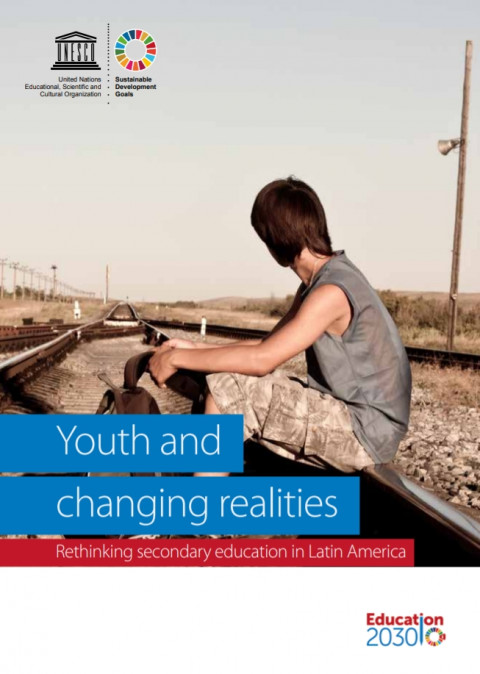 Youth and changing realities: rethinking secondary education in Latin America Année de publication: 2017 Auteur: López.Néstor, Opertti.Renato, Vargas Tamez.Carlos Auteur institutionnel: UNESCO International Bureau of Education (IBE) | UNESCO IIEP Office for Latin America and the Caribbean Youth are central to UNESCO’s mandate. The more than one billion youth and adolescents in the world today hold the key to our shared future and to global sustainable development. With a focus on Latin America, this publication addresses the need to regain young learners’ trust in education and to arrive at more positive social constructions of youth among educators, parents and education authorities. In so doing, this study looks at educational experiences as meaning makers that shape youth cultures and identities as well as their attitudes toward education and its potential to improve individual and collective well-being. Adolescentes y jóvenes en realidades cambiantes: notas para repensar la educación secundaria en América Latina Année de publication: 2017 Auteur: López.Néstor, Opertti.Renato, Vargas Tamez.Carlos Auteur institutionnel: UNESCO International Bureau of Education (IBE) | UNESCO IIEP Oficina para América Latina y el Caribe La juventud es un tema central dentro del mandato de la UNESCO. Más de mil millones de jóvenes y adolescentes en el mundo actual tienen la llave de nuestro futuro en común y del desarrollo sostenible, justo e inclusivo a nivel mundial. Con el foco puesto en América Latina, la publicación aborda la necesidad de recuperar la confianza de las y los jóvenes y adolescentes en la educación y de llegar a construcciones sociales de la juventud más completas y positivas entre las y los educadores, los padres y madres, las comunidades y las autoridades educativas. De este modo, el estudio analiza las experiencias educativas en cuanto productoras de significado que configuran las culturas e identidades de la juventud, al igual que sus actitudes hacia la educación y su potencial para mejorar y sostener el bienestar individual y colectivo. استراتيجية الأمم المتحدة وخطة عملها بشأن خطاب الكراهية Année de publication: 2019 Auteur institutionnel: United Nations (UN) استجابة للاتجاهات المثيرة للقلق المتمثلة في تصاعد خطاب الكراهية حول العالم، أطلق الأمين العام للأمم المتحدة أنطونيو غوتيريش استراتيجية وخطة عمل الأمم المتحدة بشأن خطاب الكراهية في 18 حزيران/يونيو 2019.تسعى هذه الاستراتيجية إلى تعزيز استجابة الأمم المتحدة للظاهرة العالمية لخطاب الكراهية، وهي نتيجة للتعاون الوثيق بين 16 كيانًا في إطار فريق الأمم المتحدة العامل المعني بخطاب الكراهية وينسقها المستشار الخاص للأمم المتحدة المعني بمنع الإبادة الجماعية.تلتزم الاستراتيجية التزامًا راسخًا بتكثيف العمل المنسق للتصدي لخطاب الكراهية، على المستويين العالمي والوطني. 联合国关于仇恨言论的战略和行动计划 Année de publication: 2019 Auteur institutionnel: United Nations (UN) 为应对世界各地仇恨言论上升的惊人趋势,秘书长安东尼奥·古特雷斯于2019年6月18日发布了《联合国关于仇恨言论的战略和行动计划》。该战略旨在帮助联合国加强应对全球仇恨言论现象,是联合国仇恨言论工作组下的16个实体密切协作的成果,由联合国防止灭绝种族罪行特别顾问协调。该战略坚定地承诺在全球和国家层面加强协调行动,以应对仇恨言论。
  평생학습 문화 수용하기: '교육의 미래' 이니셔티브에 대한 기여 Année de publication: 2020 Auteur institutionnel: UNESCO Institute for Lifelong Learning (UIL) 유네스코 ‘교육의 미래’ 이니셔티브의 일환으로 발간되는 이 보고서는 교육 분야를 변화시키고, 보다 지속가능하고 건강하며 포용적인 미래를 만들기 위해 이루어진 평생학습의 잠재적 기여를 고찰하고 있다. 이 보고서는 서로 다른 분야와 국가에서 온 12명의 저명한 전문가들의 통찰력을 바탕으로, 평생학습에 대한 확고한 비전과 이를 뒷받침하는 가치와 원칙을 제시한다. 아울러, 교육의 사회적⋅개인적 차원을 인식하고, 평생학습을 새로운 인권으로 인정할 것을 국제사회에 요청하고 있다.이 보고서는 평생학습의 비전을 실현하기 위해서는 인류가 당면한 도전과제의 복잡하고 다차원적인 성격을 효과적으로 파악할 수 있는 초학제적 접근방식을 채택해야 한다고 주장한다. 이 책의 구성은 평생학습을 교육 정책의 주요 원칙으로 삼고, 배경이나 여건에 관계없이 모든 사람들에게 전 생애에 걸쳐 학습 기회를 제공할 수 있는 ‘우호적인 환경’의 주요 특징을 요약하고 있다. 그리고 일련의 주요 메시지를 결론으로 제시하고, 구체적인 행동 방침과 선정된 정책 조치를 보완적으로 논의하고 있다.