
Ressources
Explorez une large gamme de ressources sur le GCED afin d’approfondir votre compréhension et de renforcer vos activités de recherche, de plaidoyer, d’enseignement et d’apprentissage.
518 résultats trouvés
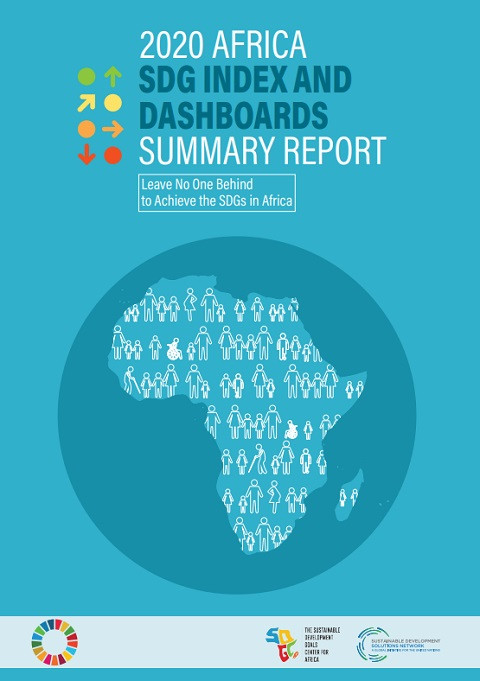 [Summary] 2020 Africa SDG Index and Dashboards Summary Report: Leave No One Behind to Achieve the SDGs in Africa Année de publication: 2020 Auteur: Ambrose Rwaheru Aheisibwe | Eve de la Mothe Karoubi | Olive Dushime | Grayson Fuller | Enock Nyorekwa Twinoburyo | Abigail Simkoko Auteur institutionnel: Sustainable Development Goals Center for Africa | Sustainable Development Solutions Network (SDSN) | Mo Ibrahim Foundation The 2020 Africa SDG Index and Dashboards Report provides an assessment of where African countries stand with respect to the SDGs and their progress toward the goals, with the additional lens of “leave no one behind.” The report also includes a preliminary analysis of the impact of COVID 19 on the SDGs in Africa. [Résumé] Afrique 2020 Indice et tableaux de bord des ODD résumé du rapport: Ne laisser personne de côté dans la mise en œuvre des ODD en Afrique Année de publication: 2020 Auteur: Ambrose Rwaheru Aheisibwe | Eve de la Mothe Karoubi | Olive Dushime | Grayson Fuller | Enock Nyorekwa Twinoburyo | Abigail Simkoko Auteur institutionnel: Sustainable Development Goals Center for Africa | Sustainable Development Solutions Network (SDSN) | Mo Ibrahim Foundation Le Rapport 2020 sur l’Indice et les Tableaux de Bord des Objectifs de développement durable pour l’Afrique offre une évaluation de la situation des pays africains par rapport aux Objectifs de développement durable (ODD). Il offre aussi une évaluation de leurs progrès vers la réalisation de ces objectifs, vue sous l’angle du principe de « ne laisser personne de côté ». Le Rapport comprend aussi une analyse préliminaire de l’impact de la COVID-19 sur les ODD en Afrique qui est inclut dans ce résumé.
  Resourcing Youth-led Groups & Movements: A Reflective Playbook for Donors and Youth Organisers Année de publication: 2020 Auteur: Gioel Gioacchino Auteur institutionnel: CIVICUS | Recrear International Are you part of a youth-led social movement and looking for ideas about how to resource your work? Or a donor, philanthropist, or institution championing youth power? If so - this space is for you! Here you will find tools, connections, and new ideas for both youth activists and their allies.This Resourcing Youth-led Groups and Movements playbook resulted from a year of research. We listened to what activists, donors, youth allies and other enabling organisation said about realities, trends and potential solutions for mobilising funding and non-financial resources for young activists, especially in the global south.Read or listen to the stories of Lebo, Amanda, Dumsio, Priscilla, Elena, Christian, and Bonnie, as they share their experiences and challenges sustaining their work, echoed by young leaders across Latin America and Africa. You will find creative exercises you can use, that invite youth and donors to rethink worldviews and principles around resourcing civil society in the 21st century. Obteniendo recursos para grupos y movimientos liderados por jóvenes: Guía de reflexión y prácticas para donantes y organizadores juveniles Année de publication: 2020 Auteur: Gioel Gioacchino Auteur institutionnel: CIVICUS | Recrear International Vous faites partie d'un mouvement social dirigé par des jeunes et vous cherchez des idées sur la façon de financer votre travail ? Ou bien un donateur, un philanthrope ou une institution qui défend le pouvoir des jeunes ? Si c'est le cas, cet espace est fait pour vous ! Vous y trouverez des outils, des liens et de nouvelles idées, tant pour les jeunes militants que pour leurs partenaires.Ce guide sur les ressources des groupes et mouvements de jeunes est le résultat d'une année de recherche. Nous avons écouté ce que des militants, des donateurs, des représentants de la jeunesse et d'autres organisations facilitatrices ont dit sur les réalités, les tendances et les solutions possibles pour mobiliser des fonds et des ressources non financières pour les jeunes militants, en particulier dans le Sud.Lisez les histoires de Lebo, Amanda, Dumiso, Priscilla, Elena, Christian et Bonnie, qui partagent leurs expériences et les défis qu'ils rencontrent dans leur travail, et dont les jeunes leaders d'Amérique latine et d'Afrique se font les porte-parole. Vous trouverez des exercices créatifs que vous pourrez utiliser, qui invitent les jeunes et les donateurs à repenser les visions du monde et les principes relatifs au financement de la société civile au 21ème siècle. L’accès aux ressources pour les groupes et mouvements dirigés par les jeunes: Un guide de réflexion destiné aux donateurs et membres d’organisations de jeunes Année de publication: 2020 Auteur: Gioel Gioacchino Auteur institutionnel: CIVICUS | Recrear International Vous faites partie d'un mouvement social dirigé par des jeunes et vous cherchez des idées sur la façon de financer votre travail ? Ou bien un donateur, un philanthrope ou une institution qui défend le pouvoir des jeunes ? Si c'est le cas, cet espace est fait pour vous ! Vous y trouverez des outils, des liens et de nouvelles idées, tant pour les jeunes militants que pour leurs partenaires.Ce guide sur les ressources des groupes et mouvements de jeunes est le résultat d'une année de recherche. Nous avons écouté ce que des militants, des donateurs, des représentants de la jeunesse et d'autres organisations facilitatrices ont dit sur les réalités, les tendances et les solutions possibles pour mobiliser des fonds et des ressources non financières pour les jeunes militants, en particulier dans le Sud.Lisez les histoires de Lebo, Amanda, Dumiso, Priscilla, Elena, Christian et Bonnie, qui partagent leurs expériences et les défis qu'ils rencontrent dans leur travail, et dont les jeunes leaders d'Amérique latine et d'Afrique se font les porte-parole. Vous trouverez des exercices créatifs que vous pourrez utiliser, qui invitent les jeunes et les donateurs à repenser les visions du monde et les principes relatifs au financement de la société civile au 21ème siècle.
 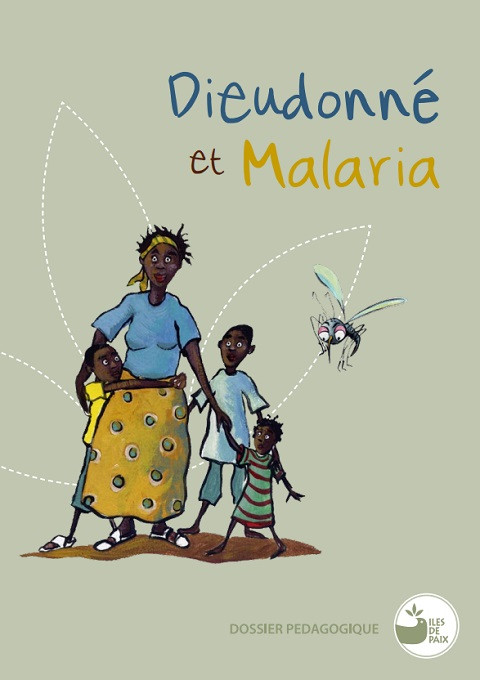 Dieudonné et Malaria: Dossier pédagogique Année de publication: 2012 Auteur: Laure Malchair | Florence Gossuin | Marie Freres Auteur institutionnel: Îles de Paix C'est un outil pédagogique visant la découverte, par les enfants, du mode de vie d’une famille pauvre au Burundi. Ils prennent ainsi conscience d’autres manières de vivre et jettent les bases d’une attitude respectueuse des autres. Le présent document arme l’enseignant pour son exploitation.
 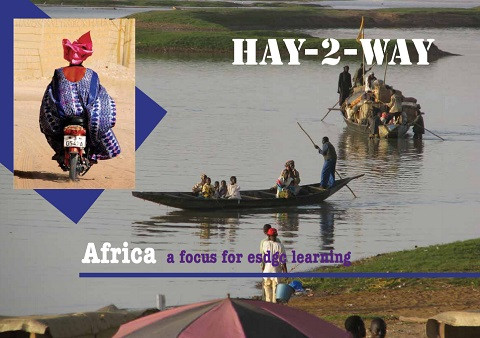 HAY-2-WAY: Africa; A Focus for ESDGC learning Année de publication: 2014 Auteur: Scott Sinclair Auteur institutionnel: Hay 2 Timbuktu This resource describes the education work that was part of the Two Towns One World project. It makes the case for an Africa focus as a significant theme in Education for Sustainable Development and global citizenship learning (ESDGC).The Two Towns One World project had two main strands: Locally in the Hay-on-Wye area with the Gwernfed cluster of schools and Nationally in Wales through a series of workshops and conferences.The scope of the work was enhanced through partnership with other initiatives on the themes ‘Unpacking Africa’ and ‘Debating Development’. A conference in Llandrindod Wells in November 2013 brought the strands of work together and provided the main narrative of this publication.
  Africa SDG Index and Dashboards Report 2020: Leave No One Behind to Achieve the SDGs in Africa Année de publication: 2020 Auteur: Ambrose Rwaheru Aheisibwe | Eve de la Mothe Karoubi | Olive Dushime | Grayson Fuller | Enock Nyorekwa Twinoburyo | Abigail Simkoko | Belay Begashaw | Guido Schmidt-Traub Auteur institutionnel: Sustainable Development Goals Center for Africa | Sustainable Development Solutions Network (SDSN) | Mo Ibrahim Foundation The 2020 Africa SDG Index and Dashboards Report provides an assessment of where African countries stand with respect to the SDGs and their progress toward the goals, with the additional lens of “leave no one behind.” The report also includes a preliminary analysis of the impact of COVID‑19 on the SDGs in Africa.
  Media and Information Literacy: Non-Formal Education Guide for All Platforms Année de publication: 2019 Auteur: Nosa Owens-Ibie | Ifedolapo Ademosu | Abiodun Oyeleye Auteur institutionnel: UNESCO Dakar The aim of this book is to provide a basic understanding of the idea of media and information literacy (MIL). This book is meant to teach people how to access, understand and evaluate information, the different types of governance systems that exist and how it affects them as citizens. It is also meant to ensure that users know how to use and share information responsibly.
 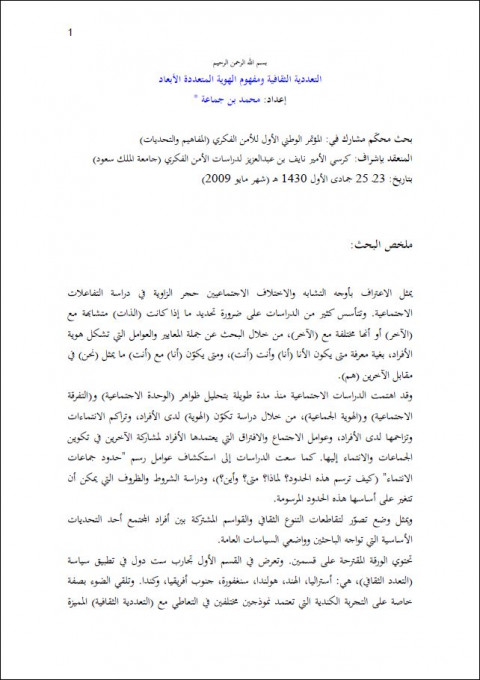 التعددية الثقافية ومفهوم الهوية المتعددة الأبعاد Année de publication: 2009 Auteur: Mohamed Ben Jemaa Auteur institutionnel: King Saud University يمثل الاعتراف بأوجه التشابه والاختلاف الاجتماعيين حجر الزاوية في دراسة التفاعلات الاجتماعية. وتتأسس كثير من الدراسات على ضرورة تحديد ما إذا كانت (الذات) متشاة مع (الآخر) أو أا مختلفة مع (الآخر)، من خلال البحث عن جملة المعايير والعوامل التي تشكل هوية الأفراد، بغية معرفة متى يكون الأنا (أنا) وأنت (أنت)، ومتى يكوّن (أنا) مع (أنت) ما يمثل (نحن) في مقابل الآخرين (هم).وقد اهتمت الدراسات الاجتماعية منذ مدة طويلة بتحليل ظواهر (الوحدة الاجتماعية) و(التفرقة الاجتماعية) و(الهوية الجماعية)، من خلال دراسة تكوّن (الهوية) لدى الأفراد، وتراكم الانتماءات وتزاحمها لدى الأفراد، وعوامل الاجتماع والافتراق التي يعتمدها الأفراد لمشاركة الآخرين في تكوين الجماعات والانتماء إليها. كما سعت الدراسات إلى استكشاف عوامل رسم "حدود جماعات الانتماء" (كيف ترسم هذه الحدود؟ لماذا؟ متى؟ وأين؟)، ودراسة الشروط والظروف التي يمكن أن تتغير على أساسها هذه الحدود المرسومة.ويمثل وضع تصوّر لتقاطعات التنوع الثقافي والقواسم المشتركة بين أفراد اتمع أحد التحديات الأساسية التي تواجه الباحثين وواضعي السياسات العامة.تحتوي الورقة المقترحة على قسمين. وتعرض في القسم الأول تجارب ست دول في تطبيق سياسة (التعدد الثقافي)، هي: أستراليا، الهند، هولندا، سنغفورة، جنوب أفريقيا، وكندا. وتلقي الضوء بصفة خاصة على التجربة الكندية التي تعتمد نموذجين مختلفين في التعاطي مع (التعددية الثقافية) المميزة للمجتمع الكندي بسبب تركيبته التكوينية تاريخيا، والجامعة بين الهنود الحمر (أو الأمم الأولى) والفرنسيين والإنجليز، وبسبب الانفتاح الفريد على قبول المهاجرين. ويعرف النموذج الأول باسم وهو النموذج المعتمد من الحكومة الفيدرالية الكندية. ،(Multiculturalism) " "التعددية الثقافية .(Interculturalism) " أما الثاني فهو معتمد من قبل مقاطعة كيبك ويعرف باسم "التفاعل الثقافي ثم تعرض في القسم الثاني إطارا نظريا لمفهوم (الهوية متعددة الأبعاد)، يسعى لفهم أشكال التراكم والتزاحم بين الانتماءات، وتحديد عدد من العوامل المؤثرة فيها. كما تعرض أخطاء اعتماد الهوية ذات البعد الواحد في تصنيف الأفراد والجماعات، وعلاقة ذلك بالعنف، من خلال محاولة لتحديد معالم الهوية الإسلامية المختزلة التي يرسمها تنظيم القاعدة لنفسه في الصراع الذي يخوضه على المست وى الدولي.