
Ressources
Explorez une large gamme de ressources sur le GCED afin d’approfondir votre compréhension et de renforcer vos activités de recherche, de plaidoyer, d’enseignement et d’apprentissage.
3,790 résultats trouvés
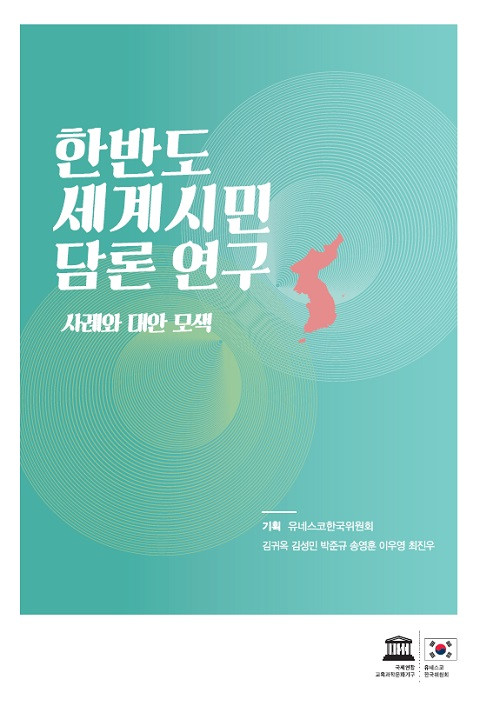 한반도 세계시민 담론 연구: 사례와 대안 모색 Année de publication: 2020 Auteur: 김귀옥 | 김성민 | 박준규 | 송영훈 | 이우영 | 최진우 Auteur institutionnel: 유네스코한국위원회 2019년에 이어 발간한 '한반도 세계시민 담론' 연구는 분단이라는 특수한 상황 속에서 점차 다문화사회로 변해가는 한국사회의 현실을 직시하면서 그 과정에서 세계시민을 어떻게 맥락화할지에 대한 구체적인 사례를 제시한다. 더불어, 세계시민으로서 확장된 정체성과 성숙한 시민 의식을 만들어 나가기 위한 연구와 제언을 담고 있다.
 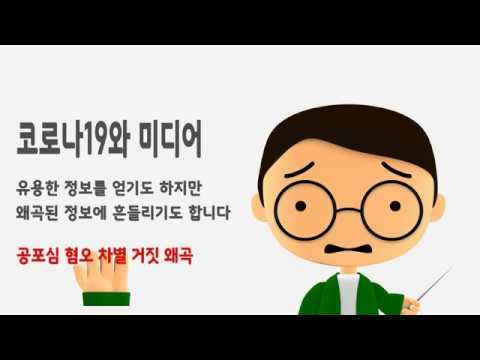 코로나19를 이겨내는 미디어 리터러시 백신 10가지 Année de publication: 2020 Auteur institutionnel: 전국미디어리터러시교사협회 본 영상은 코로나19의 확산으로 그 어느 때보다 미디어 속 정보에 관심을 기울이기 되는 시기에 왜곡된 정보에 흔들리지 않도록 10가지 미디어 리터러시 방안을 소개한다.
 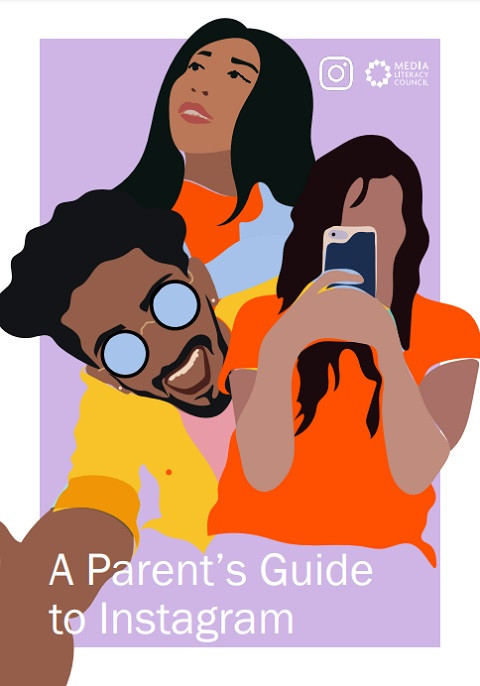 A Parent’s Guide to Instagram Année de publication: 2021 Auteur institutionnel: Media Literacy Council (MLC) This parent’s guide to Instagram will help parents to update their digital literacy skills and get a better understanding of how social media platforms and their security features work.
 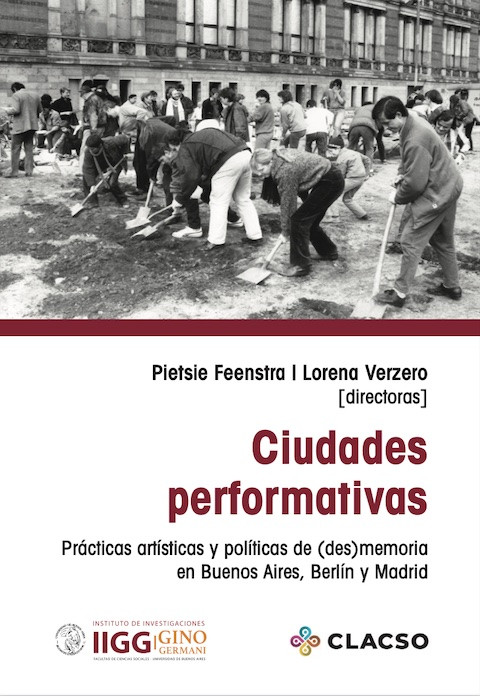 Ciudades performativas: Prácticas artísticas y políticas de (des)memoria en Buenos Aires, Berlín y Madrid Année de publication: 2021 Auteur: Pietsie Feenstra | Lorena Verzero Auteur institutionnel: Instituto de Investigaciones Gino Germani | Consejo Latinoamericano de Ciencias Sociales (CLACSO) En este volumen colectivo nos abocamos a la complejidad de la construcción de memorias en Argentina, Alemania y España a través de las prácticas artísticas producidas en sus ciudades capitales. Buenos Aires, Berlín y Madrid han experimentado cada una un quiebre sísmico en el siglo XX: la última dictadura cívico-militar en Argentina (1976-1983), el franquismo en España (1939-1975) y la división en Alemania con la construcción del muro en 1961 y su caída en 1989.Reconocidas investigadoras e investigadores de universidades de Europa y América Latina estudian las construcciones de memorias en estas ciudades a través de las prácticas culturales y artísticas (cine, teatro, literatura, arte contemporáneo). Las múltiples dimensiones de estas ciudades en sus relaciones con el arte y las memorias nos han llevado a definir el concepto de “ciudad performativa”, que cada capítulo indaga desde una perspectiva específica
 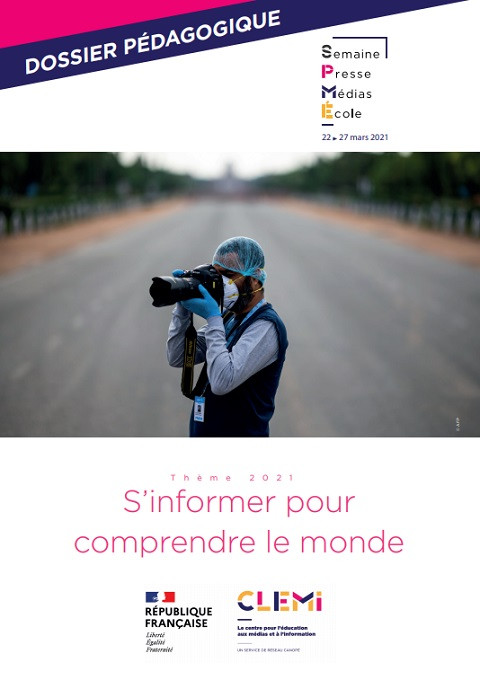 Dossier pédagogique 2021: S’informer pour comprendre le monde Année de publication: 2020 Auteur institutionnel: Centre pour l’éducation aux médias et à l’information (CLEMI) | Réseau Canopé Le dossier pédagogique 2021 a pour thème : «S'informer pour comprendre le monde». Pour comprendre le monde qui les entoure, les élèves doivent plus que jamais apprendre à s’informer en exerçant leur esprit critique. Ce nouveau thème de la SPME permet ainsi de revenir aux fondamentaux de l’éducation aux médias et à l’information.
 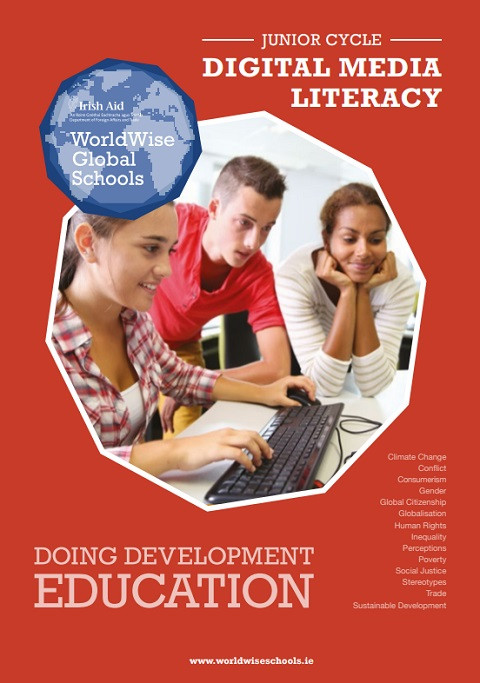 Doing Development Education: Digital Media Literacy; Junior Cycle Année de publication: 2017 Auteur institutionnel: WorldWise Global Schools (WWGS) | Irish Aid In Ireland, Development Education themes, such as ethics, respect, rights and responsibilities, consumerism, citizenship, democracy and the role of the media form part of the learning in the junior cycle Digital Media Literacy Short Course.This resource aims to support Digital Media teachers to teach through a global justice lens, a lens with great educational benefits, which meets the requirements as laid out in the junior cycle Digital Media Literacy specification, and in the (2015) Framework for Junior Cycle.
 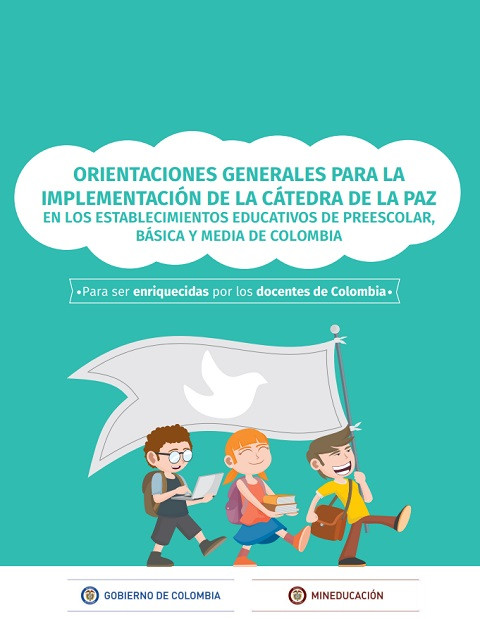 General Guidelines for the Implementation of the Peace Class in Preschool, Elementary and Middle School in Colombia Année de publication: 2016 Auteur: Enrique Chaux | Ana María Velásquez Auteur institutionnel: Colombia. Ministerio de Educación Nacional This document presents the general guidelines for educational communities in Colombia to carry out their peace education projects within the framework of the Peace Law. Orientaciones generales para la implementación de la cátedra de la paz: En los establecimientos educativos de preescolar, básica y media de colombia Année de publication: 2016 Auteur: Enrique Chaux | Ana María Velásquez Auteur institutionnel: Colombia. Ministerio de Educación Nacional En este documento se presentan las orientaciones generales para que las comunidades educativas de Colombia puedan llevar a cabo sus proyectos de educación para la paz en el marco de la cátedra para la paz.
  IEA 국제시민 교육연구의 초기 결과 Année de publication: 2010 Auteur: Wolfram Schulz | John Ainley | Julian Fraillon | David Kerr | Bruno Losito Auteur institutionnel: International Association for the Evaluation of Educational Achievement (IEA) 국제시민교육연구(ICCS)는 시민으로서 자신의 역할을 수행하기 위해서 국가가 그들의 젊은이들을 준비시키는 방법에 대한 연구를 하였다. 여기에서는 학생들의 태도와 인식, 그리고 시민의식 및 시민권과 관련된 그들의 활동과 더불어 학생들의 시민의식과 시민권에 대한 이해와 지식에 대한 조사를 하였다. 또한, 시민교육의 결과와 관련된 국가 간의 차이를 조사하고, 그러한 차이가 학생의 특성, 학교 및 지역사회의 상황, 국가의 특성 사이에서 어떻게 다른가도 탐구하였다. 국제시민교육연구(ICCS)는 다음과 관련된 여섯 가지 연구 문제를 고려한다. 1. 시민 지식의 변화 2. 1999년 이래 교과 지식의 변화 3. 공적이고 정치적인 생활에 참여하는 것에 대한 학생의 관심도 및 실제적 이행 4. 시민 사회를 위협하는 것에 대한 인식 5. 시민교육과 관련된 교실과 학교, 교육 시스템의 특징 6. 시민교육의 결과와 관련된 학생의 배경 국제시민교육연구(ICCS)는 38개국 5,300개 이상의 학교에서 8학년(혹은 동급)의 14만면 이상의 학생들로부터 데이터를 수집하였다. 그리고 이 학생 데이터는 국립 연구 센터와 학교장이 수집한 상황별 데이터와 해당 학교 내 62,000명 이상의 교사들에 의해 증강되었다. 시민교육의 제공에 관한 다른 접근 방법은 국제시민교육연구(ICCS) 국가에서 분명히 드러났다. 이 접근 방식은 특정 주제를 가진 다른 과목과 연관된 콘텐츠를 통합하고, 상호 교육 과정을 테마로 하는 내용이 포함되어 있다. ICSS 38개국 중 21개 국가에서 그들의 교과 과정에 시민교육과 관련된 특정 주제를 포함시켰다. 시민교육은 사회, 지역 커뮤니티의 응집력, 다양성, 환경, 커뮤니케이션, 글로벌 사회와같은 새로운 주제 뿐만 아니라, 인권과 같은 정치적 개념의 이해와 지식을 포함한 폭넓은 범위의 주제도 아우르고 있다.
  Resultados iniciales del estudio Internacional de educación cívica y ciudadana de la IEA Année de publication: 2010 Auteur: Wolfram Schulz | John Ainley | Julian Fraillon | David Kerr | Bruno Losito Auteur institutionnel: International Association for the Evaluation of Educational Achievement (IEA) The International Civic and Citizenship Education Study (ICCS) studied the ways in which countries prepare their young people to undertake their roles as citizens. It investigated student knowledge and understanding of civics and citizenship as well as student attitudes, perceptions, and activities related to civics and citizenship. It also examined differences among countries in relation to these outcomes of civic and citizenship education, and it explored how differences among countries relate to student characteristics, school and community contexts, and national characteristics. ICCS considered six research questions concerned with the following:1. Variations in civic knowledge;2. Changes in content knowledge since 1999;3. Student interest in engaging in public and political life and their disposition to do so;4. Perceptions of threats to civil society;5. Features of education systems, schools, and classrooms related to civic and citizenship education; and6. Aspects of student background related to the outcomes of civic and citizenship education.ICCS gathered data from more than 140,000 Grade 8 (or equivalent) students in over 5,300 schools from 38 countries. These student data were augmented by data from more than 62,000 teachers in those schools and by contextual data collected from school principals and the study’s national research centers. Different approaches to provision of civic and citizenship education were evident in the ICCS countries. These approaches included having a specific subject, integrating relevant content into other subjects, and including content as a cross-curricular theme. Twenty-one of the 38 countries in ICCS included a specific subject concerned with civic and citizenship education in their curriculum. Civic and citizenship education covered a wide range of topics, including knowledge and understanding of political institutions and concepts, such as human rights, as well as newer topics covering social and community cohesion, diversity, the environment, communications, and global society.