
Ressources
Explorez une large gamme de ressources sur le GCED afin d’approfondir votre compréhension et de renforcer vos activités de recherche, de plaidoyer, d’enseignement et d’apprentissage.
3,446 résultats trouvés
 Access to Information: A New Promise for Sustainable Development Année de publication: 2019 Auteur institutionnel: UNESCO The central aim of this study is to unpack the major trends in the field of ATI laws and their implementation. In order to understand the trends, the report examines the activities of trendsetters. It focuses on awareness-raising by UNESCO, Member State recommendations in the Universal Periodic Review, the commitments of the Open Government Partnership, actions of civil society organizations, and the standard-setting activities of such regional intergovernmental organizations as the Council of Europe, the African Union and the Organization of American States.
  Educational Content up Close Examining the Learning Dimensions of Education for Sustainable Development and Global Citizenship Education Année de publication: 2019 Auteur institutionnel: UNESCO In taking ESD and GCED forward, UNESCO seeks to advance a holistic approach to education that emphasizes three inter-related dimensions of learning – the cognitive, social and emotional and behavioural.This publication summarizes the findings of a study commissioned by UNESCO to examine if and how these three dimensions of learning and teaching of ESD and GCED are reflected in pre-primary, primary and secondary educational content (ie. national laws, policies and the intended curriculum) in Costa Rica, Japan, Kenya, Lebanon, Mexico, Morocco, Portugal, Republic of Korea, Rwanda and Sweden. The outcome of this work shows a major pattern of commitment to the three learning dimensions in the selected countries and across the four education levels, with noteworthy nuances between ESD and GCED. 지속가능발전교육 및 세계시민교육의 학습 영역 연구: 국가별 교육 과정 분석을 중심으로 Année de publication: 2019 Auteur institutionnel: 유네스코 이 보고서는 유네스코가 의뢰한 연구 결과를 요약한 것으로, ESD 및 GCED의 교수·학습에 있어서 이 세 가지 영역이 취학전교육, 초등교육, 중등교육의 내용 (예: 국가법, 정책 및 의도된 교육과정)에 반영되고 있는지 여부와 어떻게 반영되고 있는지를 검토하고 있다. 연구 대상 국가로는 코스타리카, 일본, 케냐, 레바논, 멕시코, 모로코, 포르투갈, 한국, 르완다, 스웨덴 등 10개국이다. 이 연구결과는 선정 국가별, 교육단계별로 나타나는 세 가지 학습 영역에 대한 주요 양상을 보여주고 있으며, ESD와 GCED 사이의 미묘한 차이는 주목할 만하다.
  Tools for Planning and Monitoring Programmes of Multilingual Education in Asia Année de publication: 2020 Auteur institutionnel: UNESCO | UNESCO Bangkok This booklet provides some tools that programme personnel may use in the M&E of their multilingual education (MLE) programmes. This booklet complements the five booklets of UNESCO’s MTB MLE Resource Kit – Including the Excluded: Promoting Multilingual Education (2018).
  [Резюме] РЕЗЮМЕ ВСЕМИРНОГО ДОК ЛАДА ПО МОНИТОРИНГ У ОБРАЗОВАНИЯ 2019 г .: Миграция, перемещенные лица и образование: наводить мосты, а не возводить препятствия Année de publication: 2018 Auteur institutionnel: Организация Объединенных Наций по вопросам образования, науки и культуры (UNESCO) | Global Education Monitoring Report Team В докладе четко указан один из главных вызовов: как обеспечить поддержку учителей в их инклюзивной работе. В нем увлекательно рассказывается об истории человечества и о феномене миграции, существующем с незапамятных времен. Я приглашаю вас рассмотреть содержащиеся в нем рекомендации и действовать в соответствии с ними. Настоящий доклад является важнейшим информационным источником для этих договоров, охватывающим вопросы политики, которые, среди прочего, касаются сезонных мигрантов, объединения сельских школ, межкультурных учебных программ, включения беженцев в национальные системы образования и борьбы с сегрегацией, признания квалификаций, целенаправленного финансирования школ, более эффективной гуманитарной помощи образованию и подготовленности учителей к работе в классах с разнообразным составом учащихся в чрезвычайных ситуациях, в условиях затянувшегося кризиса и в новых обстоятельствах, характерных для сегодняшнего дня. Настоящий доклад также содержит обращенный к странам призыв рассматривать образование как средство для регулирования миграции и перемещений и как возможность для тех, кто в этой возможности нуждается. [요약문] 세계 교육 현황 보고서 요약본: 이주, 강제이주와 교육: 장벽이 아닌 가교 만들기 Année de publication: 2018 Auteur institutionnel: 유네스코 | 세계교육현황보고서팀 『2019 세계 교육 현황 보고서』는 국경 내 및 국경 간, 자발적이거나 강제적인, 고용이나 교육을 위한 모든 인구 이동에 따른 이주 및 강제이주에 교육이 미치는 영향을 검토한다. 이 보고서는 또한 2030 지속가능발전의제에서 교육의 진전 상황도 평가한다. 다양성이 증가하면서 이 보고서는 교육이 어떻게 포용적인 사회를 구축하고, 어떻게 사람들이 관용을 넘어서서 함께 사는 법을 배울 수 있는지를 분석한다. 교육을 평등하게 제공하면 다리를 건설하지만, 교육을 불평등하게 제공하면 이주민, 난민 및 수용국 지역사회 사이에 벽을 쌓는다.이주민과 난민에 대한 두 가지 새로운 글로벌 콤팩트는 교육의 역할을 인식하고 ‘어느 누구도 뒤처지지 않게 한다’는 전 세계적인 약속과 일치하는 목표를 설정한다. 이 보고서는 이 글로벌 콤팩트를 위한 중요한 툴킷(toolkit)으로 다양한 정책 이슈를 다루고 있다. 즉, 계절 이주자, 농촌 학교 통합, 문화간 교육과정, 국가 교육제도에 난민 포용 및 분리 폐지, 자격 인정, 학교 기금 목표 설정, 보다 효과적인 인도주의적 교육 원조, 그리고 위기 상황, 장기화된 상황, ‘뉴 노멀(new normal)’ 상황에서 다양한 교실을 위한 교사의 준비 등을 포함한다. 이 GEM 보고서 요약본은 국가들이 교육을 이주와 강제이주를 관리하는 도구로 보고, 이를 필요로 하는 사람들을 위한 기회로 간주할 것을 요구한다.
 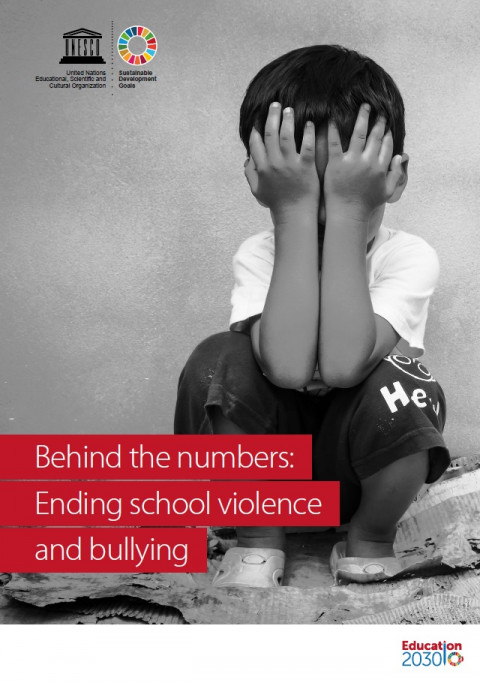 Behind the Numbers: Ending School Violence and Bullying Année de publication: 2019 Auteur institutionnel: UNESCO School-related violence in all its forms, including bullying, is an infringement of children’s and adolescents’ rights to education and health and well-being. No country can achieve inclusive and equitable quality education for all if learners experience violence in school.This report provides an overview of the most up-to-date evidence on school violence and bullying. It includes global and regional prevalence and trends, factors that influence vulnerability to school violence and bullying, and consequences. The publication brings together for the first time in one place a wealth of quantitative data from two large-scale international surveys: the Global School-based Student Health Survey (GSHS) and the Health Behaviour in Schoolaged Children (HBSC) study. The surveys cover 144 countries and territories in all regions of the world, and from a wide range of other global and regional surveys. The publication also includes an analysis of factors that contribute to effective national responses, based on a series of case studies commissioned by UNESCO of countries that have succeeded in reducing the prevalence of school violence and bullying or have maintained low levels of school violence over time. Au-delà des chiffres: en finir avec la violence et le harcèlement à l’école Année de publication: 2019 Auteur institutionnel: Organisation des Nations Unies pour l'éducation, la science et la culture (UNESCO) La violence en milieu scolaire sous toutes ses formes, y compris le harcèlement, porte atteinte aux droits des enfants et des adolescents à l’éducation, la santé et au bien-être. Aucun pays ne peut assurer une éducation de qualité inclusive et équitable si les élèves sont confrontés à la violence dans les écoles.Cette publication fournit un aperçu de la prévalence des différentes formes de violence et de harcèlement à l’école au niveau mondial. Elle présente les tendances en termes d’évolution de cette prévalence, globalement et dans les différentes régions du monde. Elle examine les facteurs qui rendent les jeunes plus vulnérables à la violence et au harcèlement à l’école, ainsi que les conséquences de ces phénomènes. Pour la première fois, cette publication rassemble une multitude de données quantitatives issues de deux vastes enquêtes internationales, l’Enquête mondiale en milieu scolaire sur la santé des élèves (Global School-based Student Health Survey, GSHS) et l’Enquête sur le comportement de santé des enfants d’âge scolaire (Health Behaviour in Schoolaged Children, HBSC), qui couvrent 144 pays et territoires de toutes les régions du monde ; mais aussi d’un grand nombre d’autres études internationales et régionales. Cette publication contient également une analyse des facteurs qui contribuent à l’efficacité des réponses nationales, fondée sur les études de cas commandées par l’UNESCO dans les pays étant parvenus à réduire la violence et le harcèlement dans leurs écoles ou à maintenir dans la durée les faibles taux de prévalence de ces phénomènes. Más allá de los números: poner fin a la violencia y el acoso en el ámbito escolar Année de publication: 2019 Auteur institutionnel: Organización de las Naciones Unidas para la Educación, la Ciencia y la Cultura (UNESCO) Todas las formas de violencia en la escuela, incluido el acoso, representan una vulneración del derecho de niños, niñas y adolescentes a la educación y a la salud y el bienestar. Ningún país puede lograr una educación inclusiva, equitativa y de calidad si sus estudiantes son víctimas de violencia en el ámbito escolar.Esta publicación ofrece una visión general de los datos más actualizados sobre violencia y acoso en el ámbito escolar. Incluye información acerca de tendencias y prevalencia a escala mundial y regional, los factores que influyen en la vulnerabilidad a la violencia y el acoso, y sus consecuencias. La publicación reúne por primera vez en un solo lugar una gran cantidad de datos cuantitativos extraídos de dos encuestas internacionales a gran escala: la Encuesta Mundial de Salud a Escolares (GSHS) y la Encuesta sobre las conductas saludables de los jóvenes escolarizados (HBSC) que abarcan 144 países y territorios de todas las regiones del mundo, así como de otras muchas encuestas mundiales y regionales. La publicación incluye asimismo un análisis de los factores que contribuyen al logro de respuestas nacionales eficaces, para lo que se basa en una serie de estudios de caso, encargados por la UNESCO, de países que han logrado reducir la prevalencia de la violencia y el acoso en las escuelas, o han mantenido niveles bajos de violencia escolar a lo largo del tiempo.
  Country Commitments to Gender Equality in Education Année de publication: 2018 Auteur: Erica Murphy Auteur institutionnel: UNESCO The international community has committed through legal and political frameworks to achieving gender equality in all spheres, including education. These frameworks include obligations to protect and secure women and girls' right to education through the elimination of discriminatory barriers, whether they exist in law or in everyday life, and to undertake positive measures to bring about equality, including in access of, within, and through education.This paper firstly sets out the legal and political frameworks on gender equality in education to which states have committed and then describes how they have committed.In the second section, the content of states’ commitments to achieve gender equality in education is explained, including the normative content of relevant provisions found in international and regional human rights treaties and the 2030 Agenda for Sustainable Development. This section also includes a classification of states according to what legal commitments to women and girls’ right to education they have made.The final section details how states can be held accountable for failure to meet their legal commitments to gender equality in education, including what mechanisms are available and examples of how these mechanisms have been used to hold states accountable.This paper is also background paper prepared for the 2018 Global education monitoring report gender review: Meeting our commitments to gender equality in education.