
Ressources
Explorez une large gamme de ressources sur le GCED afin d’approfondir votre compréhension et de renforcer vos activités de recherche, de plaidoyer, d’enseignement et d’apprentissage.
3,790 résultats trouvés
 巴黎协定 Année de publication: 2015 Auteur institutionnel: United Nations (UN) 《巴黎协定》是一项具有法律约束力的气候变化国际条约。2015年12月12日,该协定在巴黎举行的《联合国气候变化框架公约》第二十一次缔约方会议上获得196个缔约方通过,并于2016年11月4日生效。其目标是将全球气温升幅控制在工业化前水平以上低于2℃,最好是1.5℃之内。
 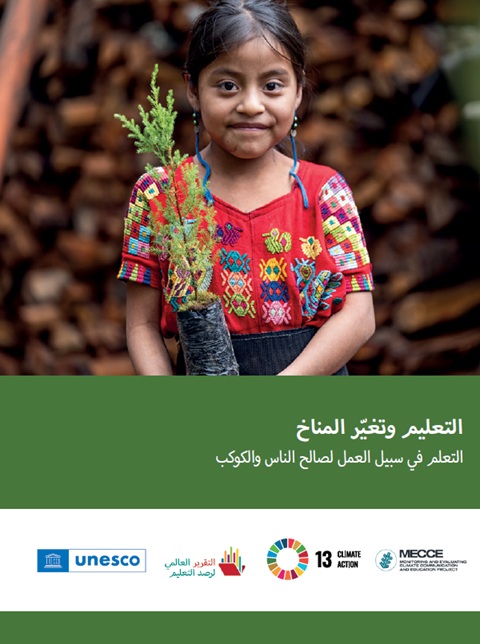 التعلّم من أجل العمل لصالح الناس والكوكب: التعليم وتغيّر المناخ Année de publication: 2024 Auteur institutionnel: Global Education Monitoring Report Team | Monitoring and Evaluating Climate Communication and Education Project (MECCE) | University of Sakatchewan ملخص مختصركيف يفضي التعليم إلى اتخاذ إجراءات بشأن تغيّر المناخ؟مع أن هنالك بيّنات دامغة على تأثير التعليم في سائر النتائج في مجال التنمية، وعلى الدور الذي يؤديه التعليم في تنمية القدرات المهنية اللازمة لعمليات الانتقال إلى التنمية المستدامة، فإن التعليم عادةً ما يكون غائباً عن اعتبارات سائر القطاعات عند اضطلاعها بوضع الاستراتيجيات والسياسات والتخطيط والتمويل. ولذا، استحدث التقرير العالمي لرصد التعليم سلسلة جديدة من المنشورات سعياً إلى تعزيز الحوار بشأن العلاقة المتبادلة بين التعليم وسائر أهداف التنمية المستدامة.وتتمحور الوثيقة الأولى في هذه السلسلة حول تغيّر المناخ. وتستعرض في مستهلها تنامي عواقب تغيّر المناخ على التعليم، ثم تتناول دور التعليم في العمل المناخي. وتبيّن الوثيقة أن مساهمة التعليم في تنمية القدرات المهنية اللازمة للانتقال إلى الاقتصاد المراعي للبيئة (الأخضر) لا تنال حقّ قدرها من التقدير. وهنالك قناعة شائعة أيضاً بأن التعليم، سواء النظامي أو غير النظامي أو غير الرسمي، يؤدي دوراً حاسماً في الحفز على اتخاذ الإجراءات الرامية إلى الحد من وطأة عواقب تغيّر المناخ والتكيف معها.بيد أن العلاقة الطردية بين التحصيل العلمي ومستويات الاستهلاك غير المستدام، فضلاً عن عدم توصل البحوث بشأن التأثير المباشر للتعليم في إجراءات التكيف مع عواقب تغيّر المناخ والحد من وطأتها إلى نتائج قاطعة، ساهما مساهمة جزئية في وضع مجال التعليم في أسفل سلم أولويات الخطط العالمية والوطنية المتعلقة بتغيّر المناخ.وتدّعي هذه الوثيقة ضرورة تكييف التعليم بشأن تغيّر المناخ لكي يتسنى تحقيق الإمكانيات الكامنة فيه. فلا يمكن أن يقتصر النموذج التربوي على نقل المعارف، بل لا بد له من التركيز أيضاً على التعلم الاجتماعي والعاطفي والعمل المنحى.وقد تمحور العديد من البحوث حول تأثير التحصيل العلمي والتعلم المعرفي. ولذا من الضروري إجراء المزيد من البحوث لتقييم سائر العوامل الحفازة التي يمكن للتعليم التأثير من خلالها في أنماط السلوك والحفز على اتخاذ إجراءات بشأن تغيّر المناخ. وتعدّ هذه البحوث ضرورية أيضاً من أجل إعداد برامج إصلاح قابلة للتطبيق في مجال التعليم تفضي إلى تحسين المناهج الدراسية، وتعزيز تأهب المدارس ونظم التعليم للتصدي لعواقب تغيّر المناخ، وإشراك المتعلمين، وإعداد المعلمين بما يتلاءم مع ذلك.
  Global Citizenship Education (GCE) for Unknown Futures: Mapping Past and Current Experiments and Debates Année de publication: 2019 Auteur: Rene Suša Auteur institutionnel: Bridge 47 This Bridge 47-commissioned report by Rene Suša provides a thorough overview of current debates and opportunities within the field of Global Citizenship Education (GCE). The report addresses the following questions: 1) What is the benefit of GCE to our societies? 2) What is the impact of GCE to our societies? and 3) Why do we believe that GCE is the answer to global challenges?The publication also maps GCE-related or GCE-inspired initiatives, projects and partnerships, and offers key findings from a comparative study of these cases. Additionally, Susa also further builds on the recent work of Vanessa Andreotti by elucidating her taxonomy of soft, radical and beyond reform spaces for GCE, as well as relates these to current (international) policy developments in the field.
  Educating Students to Improve the World (SpringerBriefs in Education) Année de publication: 2020 Auteur: Fernando Reimers This open access book addresses how to help students find purpose in a rapidly changing world. In a probing and visionary analysis of the field of global education Fernando Reimers explains how to lead the transformation of schools and school systems in order to more effectively prepare students to address today’s’ most urgent challenges and to invent a better future. It discusses several global citizenship curricula that have been adopted by schools and school networks, and ties them into an approach to lead school change into the uncharted territory of the future. Given its scope, the book will help teachers, school and district leaders tackle the change management needed in order to introduce global education, and more generally increase the relevancy of education. In addition, the book offers a “bridge” for more productive collaboration and communication between those who lead the process of educational change, and those who study and theorize this important work.
  Quiz climat: êtes-vous chaud pour démêler le vrai du faux? Année de publication: 2023 Auteur institutionnel: Le Monde Quelle est la source d’énergie la plus polluante au monde ? De quand date la première conférence sur le climat ? Avec ce test, Le Monde vous invite à faire le point sur le réchauffement climatique et son impact sur la planète. Vous pourrez en savoir plus sur les grands enjeux environnementaux grâce à l'application de culture générale «Mémorable», conçue par les journalistes du Monde pour développer vos savoirs et pour stimuler votre mémoire de manière agréable et efficace. Chaque leçon, consacrée à un thème donné, propose des extraits d’articles tirés de nos archives depuis 1944, des infographies ou des vidéos, suivis de questions. A vous d’y répondre, avant de profiter de corrections immédiates et personnalisées, d’articles d’approfondissement, puis de révisions. what is the world's most polluting energy source? When was the first climate conference held? With this test, Le Monde invites you to take stock of global warming and its impact on the planet. Learn more about major environmental issues with the "Mémorable" general knowledge application, designed by Le Monde's journalists to develop your knowledge and stimulate your memory in a pleasant and effective way. Each lesson, devoted to a given theme, features excerpts from articles in our archives dating back to 1944, infographics or videos, followed by questions. It's up to you to answer them, before benefiting from immediate, personalized corrections, in-depth articles and revision.
  Imagining and Practising Global Citizenship Education Année de publication: 2020 Auteur institutionnel: UNESCO Venice This methodological guide illustrates the ways in which the International Cooperation Centre (ICC) has been promoting and practicing Global Citizenship Education in Italy for more than ten years. The training work developed by the ICC in the field of GCED, presented here in its theoretical articulation and in its practical outlining in some concrete experiences, may offer some reflections in the form of useful recommendations for continuing and strengthening the promotion of GCED.
 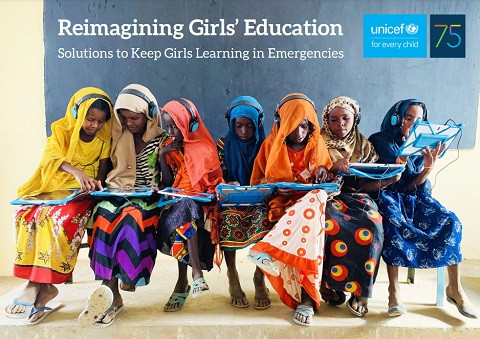 Reimagining Girls’ Education: Solutions to Keep Girls Learning in Emergencies Année de publication: 2021 Auteur institutionnel: United Nations Children's Fund (UNICEF) Reimagining Girls’ Education: Solutions to Keep Girls Learning in Emergencies presents an empirical overview of what works to support learning outcomes for girls in emergencies. Research shows that girls in emergencies are disadvantaged at all stages of education and are more likely to be out-of-school than in non-emergency settings. Girls are also struggling to learn.This solutions book seeks to highlight promising evidence-based actions in education for decision makers who are designing and implementing interventions to support girls’ education in low and middle-income country humanitarian settings and settings where education has been interrupted by the COVID‑19 pandemic. It documents practical examples of approaches that have been or are being tested, and from which lessons can be drawn.The overarching aim is that this evidence be used to inform programming in crises and support diverse stakeholders in mitigating the impact of emergencies on girls’ education.
  EiE-GenKit: A Core Resource Package on Gender in Education in Emergencies Année de publication: 2021 Auteur institutionnel: Education Cannot Wait (ECW) | Inter-agency Network for Education in Emergencies (INEE) | United Nations Girls' Education Initiative (UNGEI) When gender-responsive, quality education is available to all it has the potential to transform societies and build sustainable peace. A joint initiative from the Inter-agency Network for Education in Emergencies (INEE), Education Cannot Wait (ECW) and the UN Girls’ Education Initiative (UNGEI), the EiE-GenKit is a core resource package for gender in education in emergencies. The EiE-GenKit is the first resource of its kind, providing education practitioners with practical tools to promote gender-responsive programming from crisis to peace and sustainable development.The EiE-GenKit is based on extensive research and consultation with the latest resources, evidence, new tools and good practice available in one easy-to-use package. The EiE-GenKit builds on existing humanitarian processes for a streamlined approach to gender-responsive EiE. The EiE-GenKit offers tools for practical and immediate use including checklists, tipsheets and assessment templates supporting practitioners to ensure that each phase of an EiE intervention is gender-responsive. Bridging the gap between what we know about gender-responsive EiE and the tools we need to make it happen, the EiE-GenKit aims to promote improved gender and education outcomes of learners living in crises.
  2014 syllabus: character and citizenship education: primary Année de publication: 2014 Auteur institutionnel: Singapore. Ministry of Education. Student Development Curriculum Division Character and Citizenship Education (CCE) has always been at the heart of Singapore's education system. In CCE, students learn to be responsible to family and community; and understand their roles in shaping the future of nation. The emerging trends and global developments that impact the society, such as social changes, globalisation and technological advancements are taken into consideration in the development of the CCE curriculum.The goal of CCE is to inculcate values and build competencies in students to develop them to be good individuals and useful citizens. Since 1959, various key programmes have been introduced to inculcate values, habits, competencies and skills in students. Some of these programmes include Civics and Moral Education (CME, 1992), National Education (NE, 1997), Social and Emotional Learning (SEL, 2005), and learning experiences such as Co-Curricular Activities (CCA).The new CCE curriculum shifts focus from programmes to a common purpose. The desired outcomes of CCE are aligned to the Key Stage Outcomes (KSOs) and Desired Outcomes of Education (DOE). CCE is central to the Framework for 21st Century Competencies and Student Outcomes. It emphasizes the interconnectedness of the core values, social and emotional competencies and civic literacy, global awareness and cross-cultural skills that are critical for character and citizenship development of students. 2014 syllabus: le caractère et l'éducation à la citoyenneté: primaire Année de publication: 2014 Auteur institutionnel: Singapore. Ministry of Education. Student Development Curriculum Division Caractère et éducation à la citoyenneté (CEC) a toujours été au cœur du système éducatif de Singapour. En CEC, les élèves apprennent à être responsables de la famille et de la communauté; et de comprendre leurs rôles dans l'élaboration de l'avenir de la nation. Les nouvelles tendances et évolutions mondiales qui influent sur la société, tels que les changements sociaux, la mondialisation et les progrès technologiques sont pris en considération dans l'élaboration du programme d'études du CEC. Le but du CEC est d'inculquer des valeurs et de construire des compétences chez les élèves de les développer pour être de bons individus et des citoyens utiles. Depuis 1959, divers programmes clés ont été mis en place pour inculquer des valeurs, des habitudes, des compétences et des compétences chez les élèves. Certains de ces programmes comprennent l'éducation civique et l'éducation morale (ECM, 1992), l'éducation nationale (NE, 1997), social et apprentissage émotionnel (SPE, 2005), et les expériences d'apprentissage tels que Co-curriculaires Activités (CCA). Les nouveaux changements du curriculum CEC se concentrent des programmes à un but commun. Les résultats escomptés du CEC sont alignés sur les résultats clés de scène (RCS) et résultats souhaités de l'Education (RSE). CEC est au centre du cadre pour les compétences du 21e siècle et résultats des élèves. Il met l'aCECnt sur l'interdépendance des valeurs fondamentales, les compétences sociales et émotionnelles et alphabétisation civique, la sensibilisation mondiale et les compétences interculturelles qui sont critiques pour le caractère et la citoyenneté développement des élèves.