
Ressources
Explorez une large gamme de ressources sur le GCED afin d’approfondir votre compréhension et de renforcer vos activités de recherche, de plaidoyer, d’enseignement et d’apprentissage.
1,443 résultats trouvés
 Summit of the Future Outcome Document: Pact for the Future, Global Digital Compact and Declarations on Future Generations Année de publication: 2024 Auteur institutionnel: United Nations (UN) World leaders adopt a Pact for the Future that includes a Global Digital Compact and a Declaration on Future Generations (A/RES/79/1). The Pact covers a broad range of themes including peace and security, sustainable development, climate change, digital cooperation, human rights, gender, youth and future generations, and the transformation of global governance.
 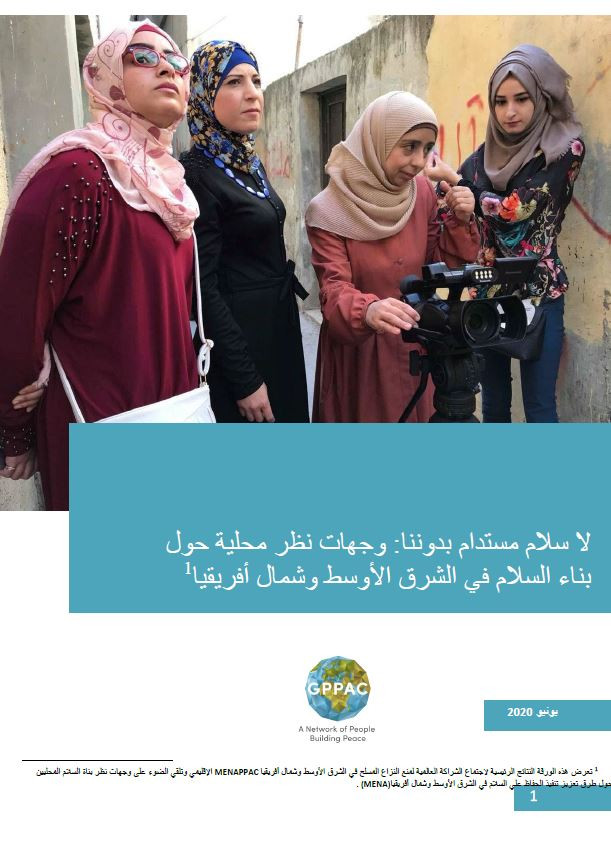 No Sustainable Peace Without Us: Local Perspectives on Peacebuilding in the Middle East and North Africa Année de publication: 2020 Auteur institutionnel: Global Partnership for the Prevention of Armed Conflict (GPPAC) This paper presents the main outcomes of the Global Partnership for the Prevention of Armed Conflict in the Middle East and North Africa meeting. The paper sheds light on the perspectives of local peacebuilders on ways to promote peacekeeping in the Middle East and North Africa region. لا سلام مستدام بدوننا: وجهات نظر محلية حول بناء السلام في الشرق الأوسط وشمال أفريقيا Année de publication: 2020 Auteur institutionnel: Global Partnership for the Prevention of Armed Conflict (GPPAC) تعرض هذه الورقة النتائج الرئيسية لاجتماع الشراكة العالمية لمنع النزاع المسلح في الشرق الأوسط وشمال أفريقيا. وتلقي الورقة الضوء على وجهات نظر بناة السلام المحليين حول طرق تعزيز الحفاظ على السلام في منطقة الشرق الأوسط وشمال أفريقيا.
 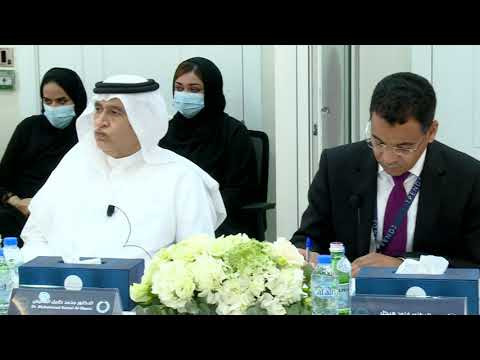 Spreading a Culture of Peace and Tolerance in the World: What Should We Do? Année de publication: 2021 Auteur institutionnel: TRENDS Research & Advisory The video is a symposium, moderated by Emirati researcher and writer Mohammed Khalfan Al Sawafi. The symposium focuses on six main axes: “Religious discourse and the importance of confronting hate speech and extremism, the Human Fraternity Document as a framework for promoting the values of peace and tolerance around the world, and human rights as an entry point for promoting a culture of tolerance and peace, making it an entry point to confront the conflicts of the world and the region, and ways to strengthen it in the region and the world, and toward a vision common for a more peaceful and tolerant world. The video interviews a group of specialists. نشر ثقافة السلام والتسامح في العالم: ما الذي ينبغي علينا فعله؟ Année de publication: 2021 Auteur institutionnel: TRENDS Research & Advisory الفيديو عبارة عن ندوة أدراها الباحث والكاتب الإماراتي محمد خلفان الصوافي. تركز الندوة على ستة محاور رئيسية هي "الخطاب الديني وأهمية مواجهة خطابات الكراهية والتطرف، ووثيقة الأخُوَّة الإنسانية كإطار لتعزيز قيم السلام والتسامح حول العالم، وحقوق الإنسان كمدخل لتعزيز ثقافة التسامح والسلام، وجعلها مدخلاً لمواجهة صراعات العالم والمنطقة، وسبل تعزيزها في المنطقة والعالم، ونحو رؤية مشتركة لعالم أكثر سلاماً وتسامحاً". الفيديو يتحاور فيه مجموعة من المختصين.
  Fórum Panafricano: fundamentos e recursos para uma cultura de paz Année de publication: 2013 Auteur institutionnel: African Union The Pan-African Forum “ Sources and resources for a culture of peace” was held in Luanda, Angola, from 26 to 28 March 2013, and was jointly organized by UNESCO, the African Union and the Government of Angola, under the High Patronage of H. E. Mr José Eduardo dos Santos, President of the Republic of Angola. This forum was the result of a close cooperation between UNESCO and the African Union, one of their main objectives being building peace in Africa, through the promotion of a culture of peace based on the intrinsic values of African societies. The Republic of Angola Government, through its President of the Republic H. E. Mr José Eduardo dos Santos, resolutely engaged in this process with major financial and technical support for the organization of the Forum in the Angolan capital city. As indicated in the Action Plan adopted by the participants in plenary (Annex I), recommendations made during the Forum are directed at all components of African society : political leaders, national and regional institutions, civil society, community associations, youth movements and women’s organizations, religious and traditional leaders, entrepreneurs and leaders from the private sector, etc. The implementation of the Action Plan will be continuously monitored by the two institutions that jointly organized the Luanda Forum, the African Union and UNESCO. Representatives from the 55 African countries participating in the Forum will both contribute to the proposal for action by bringing their national experience and take the lead in the follow‐up of the recommendations made at country level. In order to ensure this follow‐up it will be important to link together the participants by the creation of an African Network for the Promotion of a Culture of Peace and Non‐violence. The representatives of African countries will play the role of focal points of the awareness campaign at the national level. Finally, the agenda of the Forum includes a plan to hold a roundtable on the establishment of a multi-stakeholder partnership for action. Organized with the participation of regional institutions, public and private economic actors as well as representatives of Governments and Civil Society, this session will be the occasion to launch a continental and lasting Movement for the promotion of a culture of peace. For this round table and for the Campaign, the stakeholders can now witness the action as their Foundation / Company / Institution / Organization leads to help in building the defence of peace in the minds of men and women and ensure that peace is a reality: "Make Peace Happen". اجتماع دولي للخبراء: تعزيز الحوار بين الثقافات في الدول العربية؛ تقرير Année de publication: 2012 Auteur institutionnel: UNESCO Beirut Within the framework of the project “Fostering a Culture of Peace and Dialogue” an international meeting of experts on Fostering a Culture of Intercultural Dialogue in the Arab States took place in Beirut, Lebanon on 6 and 7 March 2012 at the Holiday Inn Hotel in Verdun. The meeting was organized by UNESCO Beirut Office in partnership with the Government of Saudi Arabia and the King Abdulaziz Center of National Dialogue and in collaboration with the Arab Thought Foundation. The 2 days event was a landmark meeting of 35 experts and professionals from more than 11 countries, representing a wide range of fields in conflict resolution, research and education, media and journalism. The meeting is the first activity of a series of regional activities and interventions to be organized within the framework of the UNESCO project “Fostering a Culture of Peace and Dialogue”.
  UNESCO international meeting of experts: fostering a culture of intercultural dialogue in the Arab States; report Année de publication: 2012 Auteur institutionnel: UNESCO Beirut Within the framework of the project “Fostering a Culture of Peace and Dialogue” an international meeting of experts on Fostering a Culture of Intercultural Dialogue in the Arab States took place in Beirut, Lebanon on 6 and 7 March 2012 at the Holiday Inn Hotel in Verdun. The meeting was organized by UNESCO Beirut Office in partnership with the Government of Saudi Arabia and the King Abdulaziz Center of National Dialogue and in collaboration with the Arab Thought Foundation. The 2 days event was a landmark meeting of 35 experts and professionals from more than 11 countries, representing a wide range of fields in conflict resolution, research and education, media and journalism. The meeting is the first activity of a series of regional activities and interventions to be organized within the framework of the UNESCO project “Fostering a Culture of Peace and Dialogue”. Réunion internationale d'experts de l'UNESCO: la promotion d'une culture du dialogue interculturel dans les États Arabes; rapport Année de publication: 2012 Auteur institutionnel: UNESCO Beirut Dans le cadre du projet «Promotion d'une culture de la paix et le dialogue » une réunion internationale d'experts sur la promotion d'une culture du dialogue interculturel dans les Etats arabes a eu lieu à Beyrouth, au Liban les 6 et 7 Mars 2012 à l'Hôtel Holiday Inn à Verdun . La réunion a été organisée par le Bureau UNESCO à Beyrouth en partenariat avec le gouvernement de l'Arabie saoudite et les Abdulaziz Centre roi de dialogue national et en collaboration avec la Fondation de la pensée arabe. L'événement de 2 jours a été une réunion historique de 35 experts et professionnels de plus de 11 pays, représentant un large éventail de domaines dans la résolution des conflits, la recherche et l'éducation, les médias et le journalisme. La réunion est la première activité d'une série d'activités et d'interventions régionales qui seront organisées dans le cadre du projet de l'UNESCO «Promotion d'une culture de la paix et le dialogue ».
 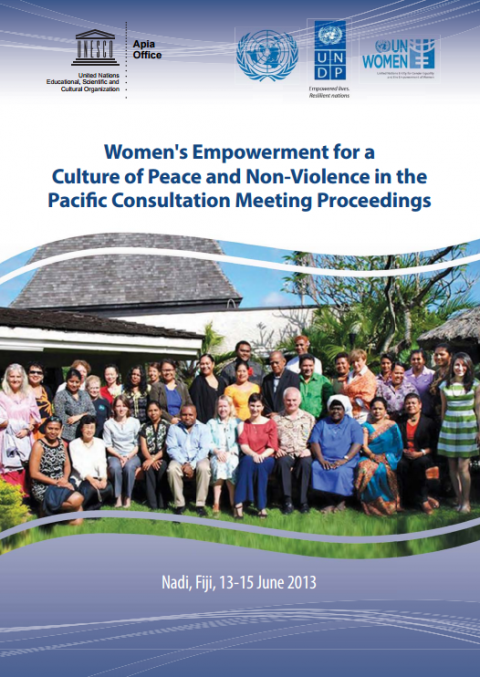 Women's empowerment for a culture of peace and non-violence in the pacific consultation meeting proceedings Année de publication: 2013 Auteur institutionnel: UNESCO Apia The Consultation on Women’s Empowerment for a Culture of Peace and Non Violence in the Pacific was held in Nadi, Fiji, from 13 to 15 June 2013. The consultation was an interagency collaboration between the United Nations Educational, Scientific and Cultural Organization (UNESCO), the United Nations Entity for Gender Equality and the Empowerment of Women (UN WOMEN) and the United Nations Development Programme (UNDP) Pacific Centre as part of the United Nations strategy “Delivering as One”. This collaboration focused on efforts to design, promote and strengthen a culture of peace in the Pacific at the country and regional levels. The consultation brought together 30 senior representatives, including development professionals and community members, from governments, regional organizations, women’s organizations, faith-based groups, academic institutions and development partners from the Cook Islands, Fiji, Kiribati, Palau, Papua New Guinea, Samoa, Solomon Islands, Tonga and Vanuatu. The consultation ended with an agreement on a range of actions that could be adopted at the local, national and regional levels to promote increased dialogue between leaders and policy makers on the contributions that culture and heritage can make to addressing issues of gender inequality and reducing GBV. The outcome statement identifies the importance of building positive cultural models, using a range of key factors, including female leaders, faith-based leaders and traditional leaders as well as political leaders and parties. The statement also emphasized education as a means of promoting a culture of peace and non-violence. The consultation’s outcome statement noted that the school curriculum should place a stronger emphasis on values, gender equality, sexual and reproductive health and rights, and the building of positive cultural models. The follow up actions identified include increasing public awareness on achieving equality for Pacific women, including women at the grassroots level, in bringing peace to conflict-affected communities; targeting young people as the next generation of leaders; using the arts and cultural and sports events to break down gender stereotypes; actions relating to economic empowerment, access to justice and service delivery; and intangible cultural heritage capacity building incorporating substantive gender equality components.