
Ressources
Explorez une large gamme de ressources sur le GCED afin d’approfondir votre compréhension et de renforcer vos activités de recherche, de plaidoyer, d’enseignement et d’apprentissage.
732 résultats trouvés
 Challenges Facing the Inclusive Education Plan, such as Schools' Lack of Special Services for Students with Disabilities Année de publication: 2019 Auteur institutionnel: Almamlaka TV The video reviews the challenges facing the inclusion of students with disabilities in public schools in Jordan. The video discusses the issue of inclusive education through interviews with some parents, teachers and officials.
  Citizenship Education in the Curriculum Année de publication: 2013 Auteur institutionnel: Oman. Ministry of Education The video talks about citizenship education in the school curricula in the Sultanate of Oman. The video describes the development of citizenship education in the Omani curricula since 1970, when the Omani Renaissance began. The video indicates that citizenship education is constantly changing during the past stage based on national, regional and global changes. The video mentions the stages of curriculum development and its review of citizenship education.
 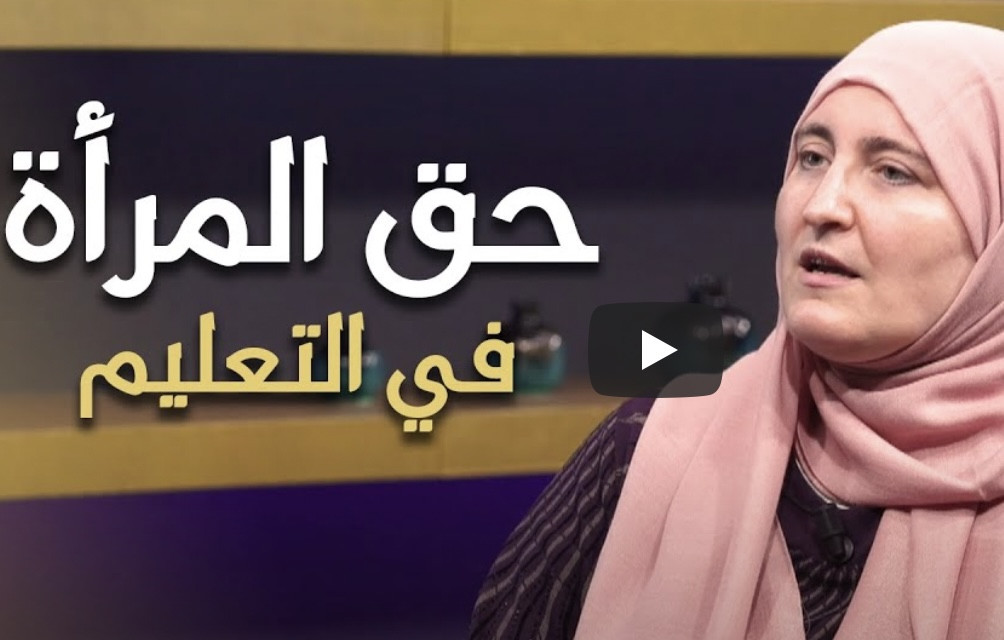 Women's Right to Education Année de publication: 2021 Auteur: Alya Shaker Auteur institutionnel: Qaf TV The video is an episode of the program "The Women's State" on the interactive Qaf channel. The episode entitled "Women have the right to education". In it, the presenter addressed the issue with Dr. "Nassiba Jalal". The episode discusses the views of women's right to education, the social and economic reasons that prevented women from learning, their reality today, and the many positive effects in the case of women's education from a personal, social and economic point of view. It also discusses the reasons that help facilitate and implement this right today.
  Cartoonothèque Auteur institutionnel: Cartooning for Peace Grâce à la contribution quotidienne de ses 280 membres dessinateurs de presse, originaires de 74 pays à travers le monde, Cartooning for Peace dispose d’une remarquable collection de dessins de presse qui offre une pluralité de perspectives sur les événements internationaux au fil des années.Les 10 galeries thématiques présentent un petit échantillon de cette « cartoonothèque » qui permet à l’association de créer ses expositions, ses outils pédagogiques et de fournir ses partenaires médias, mettant ainsi le dessin de presse à la disposition d’une diversité de publics (grand public, institutions, élèves et étudiants, jeunes sous main de justice, prisonniers, professionnels de l’éducation, journalistes, dessinateurs, etc). Thanks to the daily contribution of its 280 member press cartoonists, from 74 countries around the world, Cartooning for Peace has a remarkable collection of press cartoons that offers a plurality of perspectives on international events over the years.The 10 thematic galleries below present a small sample of this “cartoon library” which allows the organisation to create its exhibitions, its educational tools and to provide its media partners, making press cartoons available for a diversity of audiences (general public, institutions, pupils and students, young people in custody, prisoners, education professionals, journalists, cartoonists etc).
 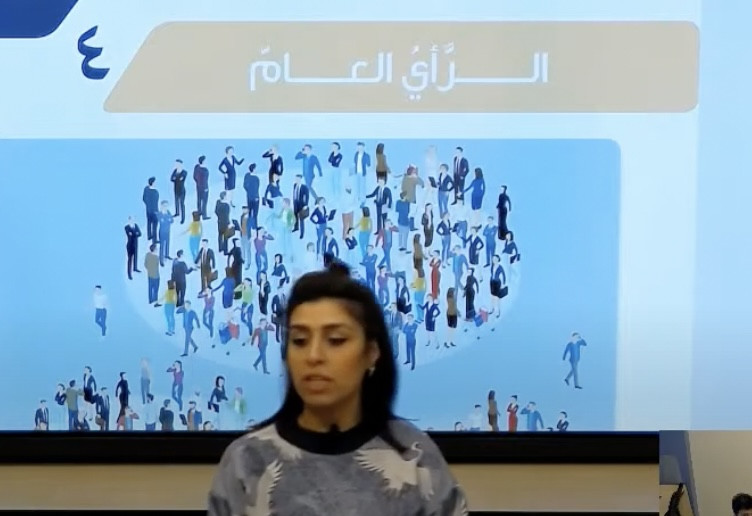 تربية وطنية للصف العاشر: الرأي العام Année de publication: 2020 Auteur: Ramia Ghoson Auteur institutionnel: National Center for the Development of Educational Curricula الفيديو عبارة عن درس تعليمي للصف العاشر في سوريا في مادة التربية الوطنية. ويركز الدرس على مفهوم الرأي العام ودوره في القضايا المحلية والإقليمية والدولية. تستضيف المعلمة مجموعة من الطلبة وتتحاور معهم في مفهوم الرأي العام. تغطي هذه الحلقة جميع ما يخص الرأي العام كمفهوم وتتعمق في بعض الأمثلة من القضايا الراهنة. Citizenship Education for the Tenth Grade: Public Opinion Année de publication: 2020 Auteur: Ramia Ghoson Auteur institutionnel: National Center for the Development of Educational Curricula The video is an educational lesson for the tenth grade in Syria in the subject of national education. The lesson focuses on the concept of public opinion and its role in local, regional and international issues. The teacher hosts a group of students and discusses with them the concept of public opinion. This episode covers all aspects of public opinion as a concept and delves into some examples of current issues.
 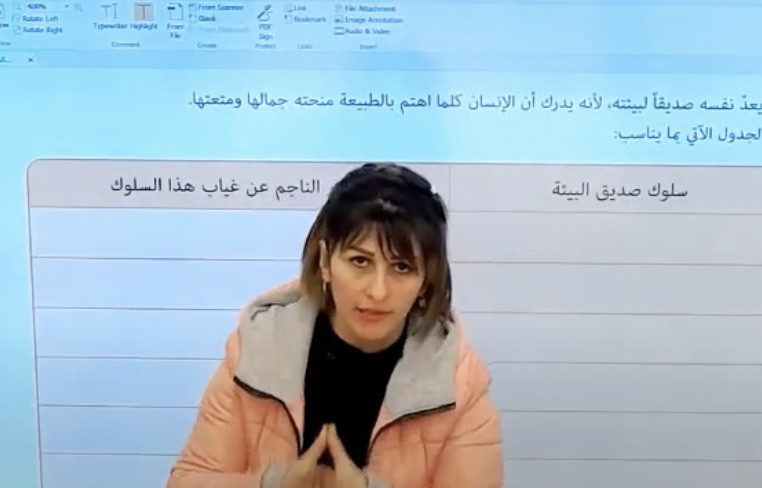 الوعي البيئي للصف الثامن Année de publication: 2020 Auteur: Rima Mohessin Auteur institutionnel: National Center for the Development of Educational Curricula الفيديو عبارة عن درس لطلبة الصف الثامن الأساسي بدولة سوريا. الدرس من كتاب التربية الوطنية وعنوانه الوعي البيئي. تبدأ المعلمة في الحديث عن الوعي البيئي كمفهوم وتتعمق في الحديث عن الملوثات البيئية.وتناقش المعلمة مع الطلبة السلوكيات البيئية الإيجابية والسلوكيات السلبية. 8th Grade Environmental Awareness Année de publication: 2020 Auteur: Rima Mohessin Auteur institutionnel: National Center for the Development of Educational Curricula The video is a lesson for eighth graders in Syria. The lesson is from the national education book, entitled Environmental Awareness. The teacher starts talking about environmental awareness as a concept and goes into depth on environmental pollutants. The teacher also discusses positive and negative environmental behaviors with students.
 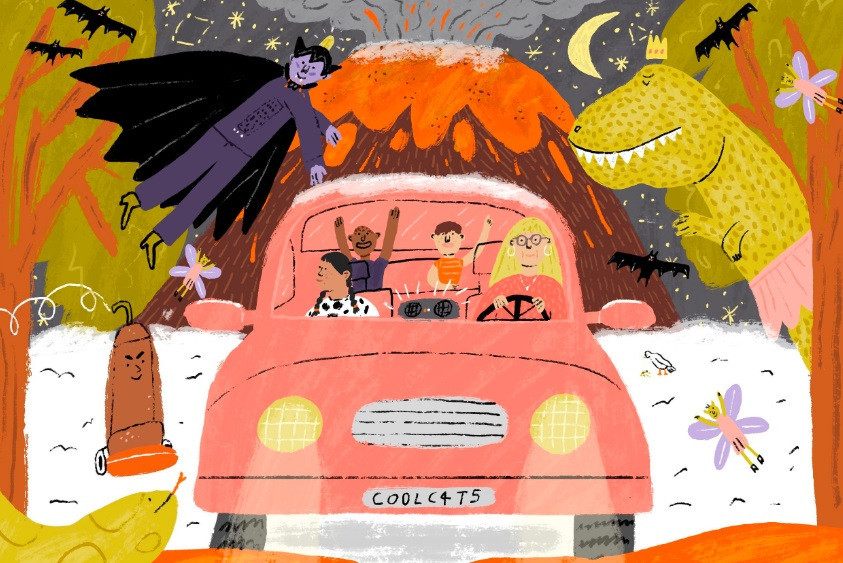 How an SEL Podcast Saved My Carpool Année de publication: 2023 Auteur: Laura Wheatman Hill Auteur institutionnel: Medicinal Media | Committee for Children The Imagine Neighborhood Podcasthttps://www.imagineneighborhood.org/ The Imagine Neighborhood™ podcast helps children and grown-ups grow their social-emotional skills, and talk about the things that matter with the people that matter most.Has your child ever been so angry that they wanted to smoosh something? Have they ever been scared of the babysitter? Have they ever had a hard time calming down? The Imagine Neighborhood is the show for your family. Each episode tells a story that’s amazing, fantastical, and maybe a little bananas, while it tackles the big feelings that come with growing up. And The Imagine Neighborhood gives you and your kids fun activities to do at home, in the car, or anywhere you talk to each other. How an SEL podcast saved my carpool 25 May 2023 (by Laura Wheatman Hill) My kids’ school is 15-20 minutes from our house and there is no bus.I drive my two kids, ages six and nine, and a neighbor, eight, to and from school three days a week and I let them rotate who picks what we listen to every ride. After I had to veto their picks several days in a row because they were testing the limits of what’s appropriate for all parties, even with a “radio edit” version (I’m sorry, but no Eminem for the kindergartner), I found a kid’s podcast that teaches social emotional learning (SEL) called The Imagine Neighborhood.After the first listen, which featured characters like a vampire robot vacuum and a princess dinosaur, and a world containing dangers such as lava, pixies, and an evil hamster, my kindergartner declared, “This is the greatest podcast of all time!” We proceeded to listen to every single episode available over the next few weeks and now play a new episode the minute it drops. Why teach social emotional learning in a podcast?According to Committee for Children, which helps create programs to assist children in developing life skills, including The Imagine Neighborhood, SEL is “the process of developing the self-awareness, self-control, and interpersonal skills that are vital for school, work, and life success.” Research over time shows that kids who have access to SEL interventions have positive developments both academically and socially in the short and long term. However, teaching these skills in a classroom or at home in an academic, abstract way isn’t shown to work to help your child integrate them into their lives. “You need to use stories for social emotional learning because it’s how a child can see another person’s point of view,” says Dr. Cindy Hovington, a neurologist who created Curious Neuron, a community for parents who want to learn more SEL tools, and co- founder of Wondergrade, an app that supports SEL in young children. She says empathy is much easier to convey in a story rather than a lesson because of the back and forth aspect of dialogue and character. “Someone else in the story has a consequence. Through a narrative, the child will understand both sides, how a certain event or action made a character feel and how it made the other person in the story feel,” she says. When it happens to someone else, a child can see it play out without the heightened emotion of being involved, and the empathy piece is easier to identify. The narratives are the magic of The Imagine Neighborhood. They have tapped into the problems of little kids in such a way that addresses many common issues kids face without being too overt, which would cause many nine-year-olds to roll their eyes and beg for Daft Punk. Mia Doces is the vice president of the Committee for Children. Doces says they have designed this balance of story and lesson very carefully. She explains, “Every episode has wild situations, very unique characters, and humor that ranges from slapstick to cultural references to your basic fart joke — all of which keep listeners hooked to the story. But our writers make sure that no matter how crazy things appear on the surface, the story is rooted in universal human experiences and the everyday social-emotional skills we use to navigate our emotions and cope with challenges.” Some episodes that resonated with my carpool, myself included, have been about big worries, boredom, disappointment, and loss. The parents are in on itThe host of the podcast frequently speaks directly to the parents and asks them to tell the child listeners about a time something happened to them like what is happening in the story. My carpool of sassy, smart kids usually avoids listening to what I have to say, but they actually lean in when Scotty asks me to contribute. Parental participation is also an intentional part of the design. Even if schools are teaching SEL skills, Doces says, “school-based SEL works best when kids are also learning these life skills at home with their families.” According to Hovington, “There is a misconception that SEL learning happens on the playground. SEL skill-building happens with the parent. Practice happens on the playground.” She says the best opportunities to learn new SEL skills are not in times of crisis or when problem solving, but on calm car rides home from school or before bed — the exact times we listen to The Imagine Neighborhood. In the future, Hovington says, “When a child comes back from school with a problem, that’s an opportunity for a parent to recreate or recall the story.” This resonates with audiences of The Imagine Neighborhood. Doces says, “We get letters from parents who tell us they refer to certain characters or use certain SEL-based catchphrases from the show as shorthand to help their kids draw parallels between something that’s happening to them in real time and a tool that a character learned on the show.”I haven’t sent a letter (yet), but I quote the show frequently. SEL is good for all of usTurns out, The Imagine Neighborhood, and the skills it teaches isn’t only for kids. SEL wasn’t taught in schools when most of us were kids and Doces says, “when adults listen along with the children, they’re also picking up the SEL techniques we’re sharing, and learning positive phrasing and other tools to empower them to have these family discussions in impactful ways.” Since the kids do have SEL in school, these stories provide a good segue for the students to become the teacher, and to tell us how they talk about their feelings. Parents can use the shared SEL language from curriculums and narratives like The Imagine Neighborhood as a vehicle to foster better communication in the family. Doces says parents don’t have to be masters of SEL, but “when they help children name and process their feelings, and acknowledge and support children’s positive behaviors, they’re teaching their family SEL and building a stronger, kinder future for their families.” We know positive reinforcement is successful and the message of The Imagine Neighborhood is one we can all agree on: be kind to those around you.We were driving a third-grader home from a playdate one day and The Imagine Neighborhood was playing. I heard the friend from the backseat ask, “What is this? Because I like it!” Got another one!
  Bolstering Adolescent Social, Emotional, and Mental Health with Dr. Kathleen Ethier of the CDC Année de publication: 2023 Auteur institutionnel: Committee for Children 26 Oct 2023 The Grow Kinder® podcast / Committee for Childrenhttps://soundcloud.com/grow-kinder-podcast/bolstering-adolescent-social-emotional-and-mental-health-with-dr-kathleen-ethier-of-the-cdc?utm_source=www.cfchildren.org&utm_campaign=wtshare&utm_medium=widget&utm_content=https%253A%252F%252Fsoundcloud.com%252Fgrow-kinder-podcast%252Fbolstering-adolescent-social-emotional-and-mental-health-with-dr-kathleen-ethier-of-the-cdc Show NotesIn this episode of the Grow Kinder® podcast, host Andrea Lovanhill speaks with Dr. Kathleen Ethier, the director of the Division of Adolescent and School Health at the Centers for Disease Control and Prevention (CDC).In this enlightening conversation, Andrea and Kathleen dive deep into the pressing issues surrounding the mental health of today’s teenagers.We take a closer look at the CDC’s recent Youth Risk Behavior Survey and the startling findings related to the mental health of teenage girls.We discover the initiatives undertaken by the CDC to help schools address these mental health challenges.In addition, Kathleen offers advice for concerned parents on how they can actively support their children’s social-emotional well-being and development.To learn more about the CDC’s work with schools, click here. To sign up with Committee for Children to advocate for children’s social-emotional well-being, click here.Stay tuned for more episodes on our thought-provoking journey throughout this new season.You can catch us on your favorite podcast platforms such as Apple Podcasts, Spotify, SoundCloud, and more. For additional information, visit GrowKinderPodcast.org.