
Ressources
Explorez une large gamme de ressources sur le GCED afin d’approfondir votre compréhension et de renforcer vos activités de recherche, de plaidoyer, d’enseignement et d’apprentissage.
3,380 résultats trouvés
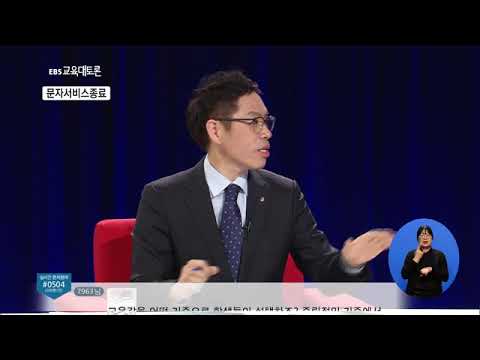 EBS 교육대토론: 세계시민교육이란 무엇인가? Année de publication: 2018 Auteur institutionnel: 한국교육방송공사 본 자료는 2018년 방영된 EBS 대토론(부제: 선거 연령 만 18세 하향, 어떻게 생각하십니까)에서 소개된 세계시민교육에 대한 영상이다.
  프로젝트 기반 학습 방식을 적용한 국제교류 설계모형 개발 연구 (국제이해교육연구; Vol. 19, No. 2) Année de publication: 2024 Auteur: 황현경 | 이도연 | 김형렬 Auteur institutionnel: 한국국제이해교육학회 본 연구는 학교 단위에서 국제교류 담당자가 활용할 수 있는 프로젝트 기반 학습(Project-based Learning, PBL) 방식을 적용한 국제교류 설계모형 개발을 목표로 한다. 연구 방법론으로 문헌 분석, 교육현장에서 국제교류를 실천하는 교수자들과의 인터뷰를 포함한다. 이를 통해 설계모형의 구성요소를 도출하고 프로젝트 기반 학습 방식을 적용한 국제교류 설계모형의 초안을 도출하였다. 이후 전문가 검토를 거쳐 해당 설계모형에 대한 사용성 평가를 실시한 뒤 최종 모형을 개발하였다. 본 연구에서 개발된 모형은 학생 교류 전, 교류 중, 교류 후의 시간 순서에 따라 분석 및 설계, 개발 및 선정, 실행, 최종 평가의 네 가지 모듈로 구성된다. 특히 실행 모듈에서는 국제교류를 시작하기 전 ‘글로벌 인식과 변혁적 준비’ 단계를 포함시킴으로써 비판적 세계시민교육의 목표와 교수법을 통합하는 동시에 국제교류 경험이 부족한 교수자에게 구체적인 지침을 제공하고자 하였다. 본 연구를 통해 개발된 설계모형은 단위학교의 교육계획과 교육과정 제반 요소 또한 고려하고 있기 때문에, 학교 현장에서 보다 현실적이고 지속가능한 국제교류를 설계하고 운영하기 위한 지침으로 활용될 수 있다.
  한국 교육에 미친 외국 교육원조의 영향: 충남대-GTZ 프로젝트를 중심으로 (국제이해교육연구; Vol. 19, No. 2) Année de publication: 2024 Auteur: 박환보 Auteur institutionnel: 한국국제이해교육학회 본 연구는 해방 이후 한국 교육 형성에 있어 외국의 교육원조가 어떠한 역할을 했는지를 이해하는데 목적이 있다. 본 연구에서는 1970-80년대 외국의 교육원조 사업 중 한 사례인 충남대학교-GTZ 협력 사업에 대한 사례 분석을 통해 독일 교육원조가 한국의 공업계 교원양성 교육과정에 구체적으로 어떠한 변화를 가져왔는지를 분석하였다. 이를 위해 당시 충남대 측의 사업책임자가 소장하고 있던 사업 관련 자료를 비롯해서, 사업에 참여한 독일인 전문가와 한국인 교수가 작성한 논문, 당시의 신문기사, 정부 공문서 등을 분석에 활용하였다. 분석결과에 따르면, 충남대-독일 GTZ 프로젝트는 기자재와 장비 활용이라는 기술적인 측면 외에 공업계 교원양성 교육과정의 개선에는 많 영향을 미치지 못했다. 사업 기간 중에 강조되었던 연구와 실험실습도 예산지원이 있었던 사업 기간 내에서만 제한적으로 진행되었고, 현장실습이나 연구과제 수행과 같은 독일식 교육과정이 수용되지 않았다. 이는 1950-60년대에 비해 1970-80년대는 어느 정도 제도교육의 기반을 갖추고 있었기 때문에, 외국 교육원조의 영향력도 제한적이었음을 시사한다.
  세계시민의식 함양을 위한 청소년활동 활성화 방안 Année de publication: 2017 Auteur: 황세영 | 최정원 | 문지혜 | 최윤 Auteur institutionnel: 한국청소년정책연구원 본 연구는 최근 국제사회 의제와 우리나라 교육정책에서 강조되고 있는 세계시민의식의 함양을 위하여 청소년 활동 활성화 방안을 제시하는데 목적이 있다. 이를 위해 본 연구에서는 기존 국제교류 활동 위주의 청소년 활동에서 확장된 개념으로서, 청소년 세계시민의식 함양을 목표로 하는 글로벌 청소년 활동의 필요성을 제기하였다. 연구내용으로는 먼저 세계시민의식 개념에 대한 국제사회와 학계의 논의, 인접 교육 분야와의 관련성 등을 살피고, 모든 청소년들이 지향하고 내재화할 수 있는 시민의식의 관점에서 세계시민의식에 대해 고찰하였다. 또한 전문가 델파이 조사를 통하여 세계시민의식의 정의 및 구성요소에 대한 합의를 도출하였다. 그리고 국내 세계시민교육, 국제교류, 다문화 이해교육, 국제개발협 력 등의 정책 사업과 민간 청소년 단체 및 개발 NGOs 등의 현황을 살펴보았다. 그 결과 아직까지 청소년 세계시민의식 함양을 위한 종합적인 정책체계가 미진하고, 민관 협력이 강조되고 있지만 청소년 분야에서의 지원과 협력은 미약하다는 점을 알 수 있었다. 이와 관련하여 영국의 글로벌 청소년 활동 역사와 아일랜드의 청소년 정책 사례를 살펴보았는데, 이를 통해 청소년 분야에서 국제개발협력의 접근을 모색하고, 한국형 글로벌 청소년 활동 개념 및 모델 정립의 필요성을 제기하였다. 한편 우리나라 청소년 3,000명을 대상으로 한 설문 조사를 진행하고, 세계시민 정체성과 관련 교육 경험이 전반적인 세계시민의식 형성에 영향을 미치는 주요 변수임을 밝혔으며, 관련 프로그램의 다각화와 양질의 경험 제공이 필요함을 제안하였다. 또한 다섯 가지 청소년 프로그램 사례 및 참여자 경험 분석을 통해 향후 청소년 활동 프로그램의 실행 전략 개발에 시사점을 도출하였다. 마지막으로 전문가 델파이 조사를 통하여 청소년의 세계시민의식 함양에 필요한 교사와 청소년지도자의 필수 역량을 10가지로 제안하고, 향후 전문가 양성과정에 활용할 수 있도록 하였다. 이러한 연구 결과에 따라 본 연구에서는 세계시민의식 함양을 위한 청소년 주도의 활동에 대한 높은 수요에 비해 청소년 활동정책의 추진 동력이 부족하다는 점을 지적하고, 청소년계의 역량에만 의존하기보다는 추진 주체 간 네트워크가 중요함을 강조하였다. 또한 청소년의 세계시민의식 함양을 목표로 하는 한국형 글로벌 청소년활동의 개념과 정책 영역 정립을 제안하였다. 이를 위한 정책 비전으로 “글로벌 청소년활동을 통한 청소년 세계시민의식 함양”을 제시하고, 이를 달성하기 위하여 1) 글로벌 청소년활동 기반구축, 2) 글로벌 청소년활 동 사업 추진, 3) 글로벌 협력 네트워크 구축 등의 정책과제와 17개 세부과제를 제시하였다.
 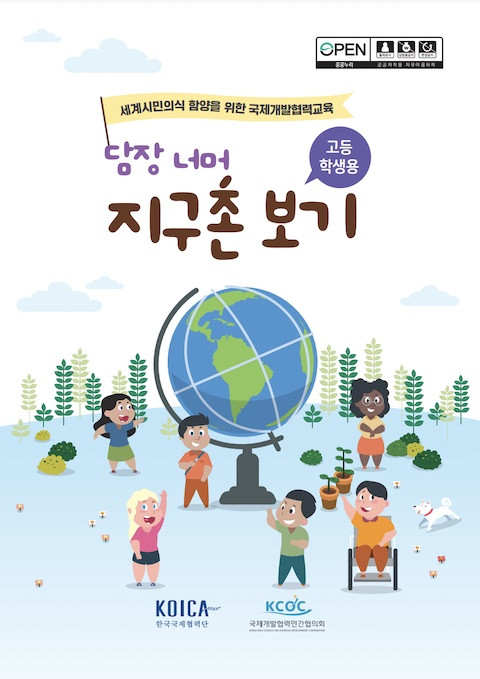 담장 너머 지구촌 보기: 세계시민의식 함양을 위한 국제개발협력교육; 고등학생용 Année de publication: 2021 Auteur: 이태주 | 김다원 | 김현주 Auteur institutionnel: 한국국제협력단 | 국제개발협력민간협의회 세계화, 문화다양성, 지속가능발전, 평화 등을 주제로 한 고등학생용 세계시민교육 교수학습자료로 다양한 모둠별 학습활동지를 담고 있다.본 자료는 한국국제협력단과 국제개발협력민간협의회에서 2021년 작성하여 공공누리 제4유형으로 개방한 ‘담장 너머 지구촌 보기: 세계시민의식 함양을 위한 국제개발협력교육; 고등학생용’ 을 이용하였으며 국제개발협력민간협의회 홈페이지(http://www.ngokcoc.or.kr)에서 다운로드 하실 수 있습니다.
  세계시민교육 시리즈 2편: 72, 세상을 살리는 시간 Année de publication: 2021 Auteur institutionnel: 한국국제협력단 KOICA는 SDGs, 긴급구호, 환경, 평화, 성평등, 난민에 대한 국민들의 이해를 높이고자, 6개의 세계시민교육 동영상을 만들어 유튜브로 공유하고자 합니다.2. 72, 세상을 살리는 시간
  세계시민교육 시리즈 3편: UP CYCLING Année de publication: 2021 Auteur institutionnel: 한국국제협력단 KOICA는 SDGs, 긴급구호, 환경, 평화, 성평등, 난민에 대한 국민들의 이해를 높이고자, 6개의 세계시민교육 동영상을 만들어 유튜브로 공유하고자 합니다.3. UP CYCLING
  세계시민교육 시리즈 4편: DR 콩고 소녀의 행복 찾기 Année de publication: 2021 Auteur institutionnel: 한국국제협력단 KOICA는 SDGs, 긴급구호, 환경, 평화, 성평등, 난민에 대한 국민들의 이해를 높이고자, 6개의 세계시민교육 동영상을 만들어 유튜브로 공유하고자 합니다.4. DR 콩고 소녀의 행복 찾기
 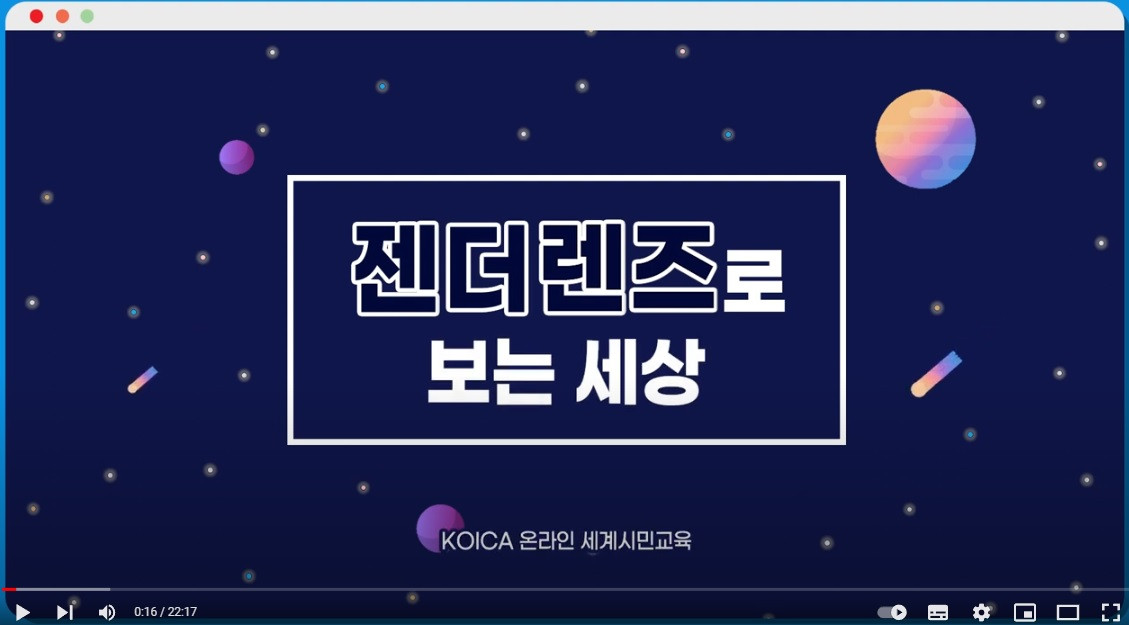 세계시민교육 시리즈 5편: 젠더렌즈로 보는 세상 Année de publication: 2021 Auteur institutionnel: 한국국제협력단 KOICA는 SDGs, 긴급구호, 환경, 평화, 성평등, 난민에 대한 국민들의 이해를 높이고자, 6개의 세계시민교육 동영상을 만들어 유튜브로 공유하고자 합니다.5. 젠더렌즈로 보는 세상
 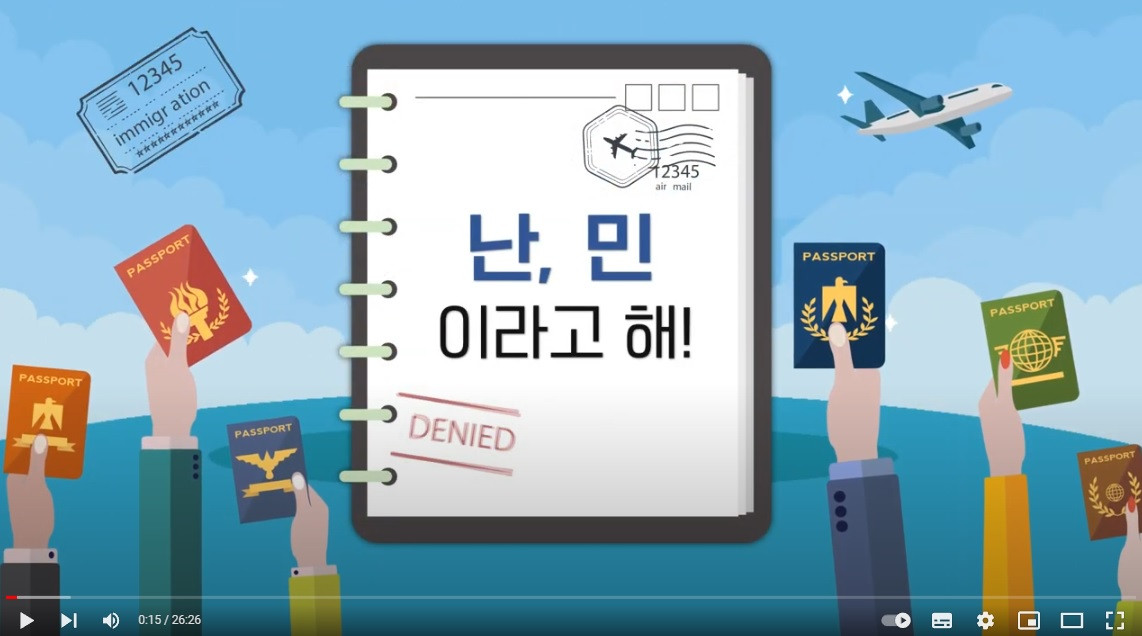 세계시민교육 시리즈 6편: 난, 민이라고 해 Année de publication: 2022 Auteur institutionnel: 한국국제협력단 KOICA는 SDGs, 긴급구호, 환경, 평화, 성평등, 난민에 대한 국민들의 이해를 높이고자, 6개의 세계시민교육 동영상을 만들어 유튜브로 공유하고자 합니다.6. 난, 민이라고 해