
Ressources
Explorez une large gamme de ressources sur le GCED afin d’approfondir votre compréhension et de renforcer vos activités de recherche, de plaidoyer, d’enseignement et d’apprentissage.
3,229 résultats trouvés
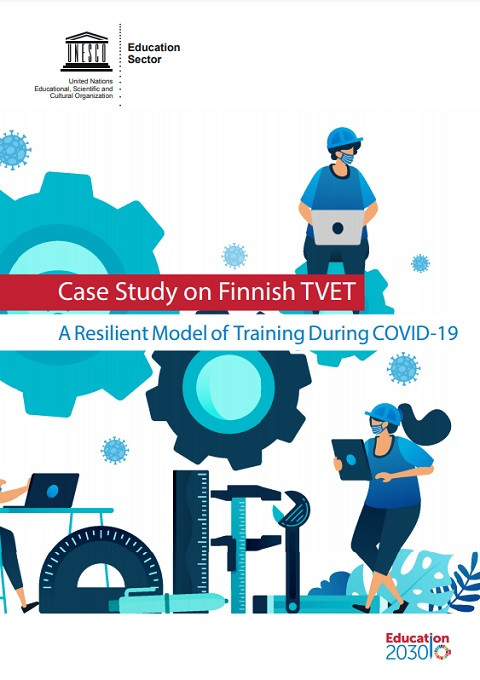 Case Study on Finnish TVET: A Resilient Model of Training During COVID-19 Année de publication: 2021 Auteur institutionnel: UNESCO | Omnia Education Partnerships This case study examines how technical and vocational education and training (TVET) was organized during the state of emergency caused by the COVID-19 pandemic in Finland. The disruption accentuated the importance of flexibility within the education system to make it resilient. Finnish TVET, created as a hybrid solution combining school-based, work-based and online-based learning environments, remained responsive and functional throughout the difficult time in spring 2020.To urgently improve the resilience of education, this case study emphasizes the necessity to improve system-level flexibilities across all levels and all types of TVET, including alternative modes of delivery and hybrid learning opportunities, as the one size fits all approach increases rigidity and redundancy of education and training. Flexible measures are key to improve resilience, also beyond the COVID-19 pandemic.
 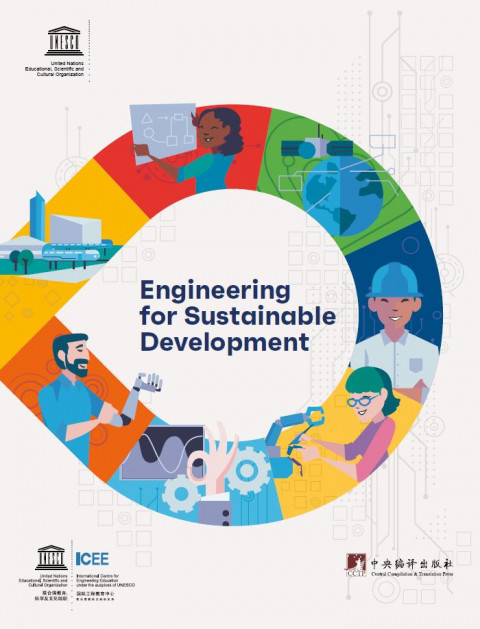 Engineering for Sustainable Development: Delivering on the Sustainable Development Goals Année de publication: 2021 Auteur institutionnel: UNESCO | International Centre for Engineering Education (ICEE) The report highlights the crucial role of engineering in achieving each of the 17 SDGs. It shows how equal opportunities for all is key to ensuring an inclusive and gender balanced profession that can better respond to the shortage of engineers for implementing the SDGs. It provides a snapshot of the engineering innovations that are shaping our world, especially emerging technologies such as big data and AI, which are crucial for addressing the pressing challenges facing humankind and the planet. It analyses the transformation of engineering education and capacity-building at the dawn of the Fourth Industrial Revolution that will enable engineers to tackle the challenges ahead. It highlights the global effort needed to address the specific regional disparities, while summarizing the trends of engineering across the different regions of the world.By presenting case studies and approaches, as well as possible solutions, the report reveals why engineering is crucial for sustainable development and why the role of engineers is vital in addressing basic human needs such as alleviating poverty, supplying clean water and energy, responding to natural disasters, constructing resilient infrastructure, and bridging the development divide, among many other actions, leaving no one behind.It is hoped that the report will serve as a reference for governments, engineering organizations, academia and educational institutions, and industry to forge global partnerships and catalyse collaboration in engineering so as to deliver on the SDGs. 工程—支持可持续发展 Année de publication: 2021 Auteur institutionnel: 联合国教科文组织 (UNESCO) | International Centre for Engineering Education (ICEE) 报告强调了工程在实现17项可持续发展目标中的关键作用。它表明,人人机会均等是确保一个包容性和性别均衡的职业的关键,能够更好地应对实施可持续发展目标的工程师短缺的问题。它提供了塑造我们世界的工程创新的快照,特别是大数据和人工智能等新兴技术,这些技术对于解决人类和地球面临的紧迫挑战至关重要。它分析了第四次工业革命初期工程教育和能力建设的转变,这将使工程师能够应对未来的挑战。它强调了解决具体地区差异所需的全球努力,同时总结了世界不同地区的工程趋势。通过介绍案例研究和方法以及可能的解决办法,报告揭示了为什么工程对可持续发展至关重要,以及为什么工程师的作用对解决人类的基本需求至关重要,例如减轻贫困、提供清洁水和能源、应对自然灾害,在许多其他行动中,建设有弹性的基础设施和弥合发展鸿沟,不让任何人掉队。希望该报告能为各国政府、工程组织、学术界和教育机构以及工业界建立全球伙伴关系和促进工程领域的合作提供参考,以实现可持续发展目标。
 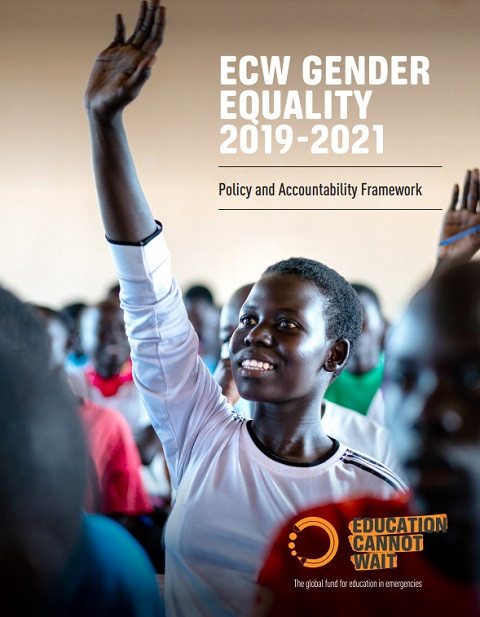 ECW Gender Equality 2019-2021: Policy and Accountability Framework Année de publication: 2020 Auteur institutionnel: Education Cannot Wait (ECW) This report presents Education Cannot Wait (ECW)'s gender equality policy, which leverages action and contributes toward coordinated strategies going beyond parity in enrollment. ECW's gender equality policy aims to provide girls and boys with equal access to education during crises, create spaces that allow learning to happen safely and without fear and ensure educational systems empower girls and boys. The Gender and Policy Accountability framework lays out the organizational strategies, explains the implementation process and outlines the compliance regulations that ECW implements to ensure girls and boys in emergencies and protracted crises have access to equitable and inclusive education. Égalité des genres dans le cadre des activités d’ECW 2019-2021: Politique et cadre de responsabilité Année de publication: 2020 Auteur institutionnel: Education Cannot Wait (ECW) Éducation sans délai s’est engagé à soutenir la prestation de services d’éducation inclusive et de qualité auprès de 9 millions d’enfants et de jeunes parmi les plus touchés par une situation d’urgence ou de crise prolongée d’ici à 2021. La Politique ECW pour l’égalité des genres vise à détailler, en s’appuyant sur les normes internationales, les aspirations du fonds en matière d’égalité des genres et d’autonomisation des femmes et des filles. Igualdad de género en el marco de las actividades para 2019-2021 de ECW : Política y marco de rendición de cuentas Année de publication: 2020 Auteur institutionnel: Education Cannot Wait (ECW) ECW se ha comprometido a respaldar la provisión de educación inclusiva y de calidad a 9 millones de niñas, niños y jóvenes afectados por emergencias y crisis prolongadas no más tarde de 2021. La finalidad de la Política de Igualdad de Género de ECW, que se apoya en normas y estándares internacionales2 , consiste en estructurar la visión del Fondo para promover la igualdad de género y el empoderamiento de las mujeres y las niñas.
  함께 그려보는 우리의 미래: 교육을 위한 새로운 사회계약 Année de publication: 2022 Auteur institutionnel: International Commission on the Futures of Education | 유네스코 우리 인류와 지구는 위기에 처해 있다. 코로나19 팬데믹은 우리의 취약성과 상호연결성을 동시에 증명해 주었다. 이 경로를 바꾸고 우리의 미래를 다시 구상하기 위해서는 모두 함께 긴급한 행동에 나서야 한다. 국제미래교육위원회의 이 보고서는 교육의 힘이 심대한 변화를 불러일으킬 수 있다고 믿는다. 인류는 이중의 도전과제에 직면하고 있다. 한편으로는 모든 아동, 청소년, 성인들이 질 높은 교육을 받을 권리를 보장하겠다는 미완의 약속을 이행하면서, 다른 한편으로는 모두에게 지속가능한 미래로 가는 경로로서 교육이 갖고 있는 변혁적 잠재력을 완전히 실현해야 한다. 이를 위해서는 정의롭지 못한 부분을 바로잡으면서 미래를 바꿔 놓을 교육을 위한 새로운 사회계약이 필요하다. 이 새로운 사회계약은 인권에 근간을 두고 차별금지와 사회정의, 생명 존중, 인간 존중 및 문화 다양성에 기초해야 한다. 또한 돌봄의 윤리, 호혜주의, 연대를 포괄해야 하며, 공동의 사회적 노력(shared societal endeavours)이자 공동재(common good)로서 교육을 강화해야 한다. 이 보고서는 2년에 걸쳐 약 백만 명이 참여하는 세계적 협의 과정을 통해 작성되었으며, 전 세계의 정부, 교육기관, 단체, 시민들에게 모두를 위한 평화롭고 정의로우며 지속가능한 미래를 건설할 수 있도록 교육을 위한 새로운 사회계약을 맺는 데 참여할 것을 요청한다. 이 보고서가 제시하는 비전과 원칙, 제안은 단지 출발점일 뿐이다. 이를 각각의 상황에 맞게 변혁하기 위해서는 집단적 노력이 있어야 한다. 이미 긍정적인 부분도 많이 있다. 이 보고서는 그런 부분을 포착해 기반으로 삼으려고 노력했다. 이 보고서는 실용적 매뉴얼이나 청사진이 아니라, 역동적인 대화의 시작이다.
  Переосмыслим наше будущее – Hовый общественный договор в области образования Année de publication: 2023 Auteur institutionnel: International Commission on the Futures of Education | Организация Объединенных Наций по вопросам образования, науки и культуры (UNESCO) Наше человечество, наша планета находятся в опасности. Пандемия лишь подтвердила нашу хрупкость и взаимозависимость. Чтобы изменить ход вещей и переосмыслить наше будущее, необходимы неотложные совместные действия. В этом докладе Международной комиссии по перспективам образования подтверждается способность образования к осуществлению коренных изменений. Перед нами стоит двойная задача – выполнить невыполненное обещание обеспечить право на качественное образование для каждого ребенка, молодого человека и взрослого и полностью реализовать преобразующий потенциал образования, способного проложить путь к устойчивому коллективному будущему. Для этого нам нужен новый общественный договор в области образования, который сможет устранять проявления несправедливости, преобразуя будущее. Этот новый общественный договор должен основываться на принципах прав человека, недопущения дискриминации, социальной справедливости, уважения жизни, человеческого достоинства и культурного разнообразия. Он должен включать в себя этику заботы о людях, взаимности и солидарности. Он должен укреплять позиции образования как общественного дела и общего блага. Этот доклад, который готовился два года на основе глобального процесса консультаций с участием миллиона человек, предлагает правительствам, учреждениям, организациям и гражданам всего мира разработать новый общественный договор в области образования, который поможет нам построить мирное, справедливое и устойчивое будущее, отвечающее всеобщим интересам. Представленные здесь концепции, принципы и предложения являются лишь отправной точкой. Их воплощение в практику в конкретных условиях – это коллективная работа. Уже есть много положительных моментов, и в настоящем докладе предпринята попытка их отразить и развить. Это не инструкция и не план, а начало жизненно важного разговора.
  وضع تصورات جديدة لمستقبلنا معاً: عقد اجتماعي جديد للتربية والتعليم Année de publication: 2022 Auteur institutionnel: International Commission on the Futures of Education | منظمة الأمم المتحدة للتربية والعلم والثقافة (UNESCO) تُستشف من أحوال العالم في الوضع الراهن أن البشرية وكوكب الأرض معرضان للخطر. وقد قدمت الجائحة التي حلت بنا في الفترة الأخيرة دليلاً دامغاً على أن العالم الذي نعيش فيه يتسم بالهشاشة وتترابط أجزاؤه ترابطاً وثيقاً. ولا بد لنا الآن من اتخاذ إجراءات عاجلة معاً لتغيير المسار ووضع تصورات جديدة لمستقبلنا. وينطوي هذا التقرير الصادر عن اللجنة الدولية المعنية بمستقبل التربية والتعليم على إقرار بقدرة التربية والتعليم على إحداث تغيير عميق في الأوضاع الراهنة. وثمة تحديان ماثلان أمامنا الآن، أولهما هو الوفاء بالوعد المتمثل في ضمان الحق في التعليم الجيد لجميع الأطفال والشباب والكبار، وهو وعد لم يتحقق بعد، وثانيهما هو تحقيق كامل الإمكانات الكفيلة بإحداث التغيير الجذري المنشود، التي ينطوي عليها التعليم بوصفه سبيلاً إلى بناء مستقبل جماعي مستدام. ولا سبيل إلى بلوغ هذه الغاية إلا بإبرام عقد اجتماعي جديد للتربية والتعليم يتيح إصلاح المظالم والاضطلاع في الوقت نفسه بتغيير المستقبل على النحو المنشود. ويجب أن يقوم هذا العقد الاجتماعي الجديد على حقوق الإنسان وأن يستند إلى مبادئ عدم التمييز، والعدالة الاجتماعية، واحترام الحياة، والكرامة الإنسانية، والتنوع الثقافي. ويجب أن يشتمل على أخلاقيات الرعاية والتبادل والتضامن. ويجب أن يعزز التعليم باعتباره عملاً ومنفعة مشتركة. وينطوي هذا التقرير، الذي استغرق إعداده عامين واسترشد معدوه بعملية تشاور عالمية شارك فيها نحو مليون شخص، على دعوة موجهة إلى الحكومات والمؤسسات والمنظمات والمواطنين في جميع أنحاء العالم لصياغة عقد اجتماعي جديد للتربية والتعليم يساعدنا في بناء مستقبل مستدام ينعم فيه الجميع بالسلام والعدل. وليست الرؤى والمبادئ والمقترحات المعروضة ههنا سوى منطلق لمزيد من العمل، إذ ينبغي بذل جهد جماعي لتجسيد هذه الرؤى والمبادئ والمقترحات بما يتماشى مع الظروف والبيئات التي تندرج فيها. وقد تحقق بالفعل العديد من المنجزات البارزة في هذا الشأن. ويسعى في هذا التقرير إلى استعراضها والارتكاز عليها لبناء صرح جديد. وليس هذا التقرير دليلاً إرشادياً ولا خطة لإيجاد حلول، بل هو فتح لباب التحاور في شأن يتسم بأهمية حيوية.
  Reimagining Our Futures Together: A New Social Contract for Education Année de publication: 2021 Auteur institutionnel: International Commission on the Futures of Education | UNESCO Our humanity and planet Earth are under threat. The pandemic has only served to prove our fragility and our interconnectedness. Now urgent action, taken together, is needed to change course and reimagine our futures. This report by the International Commission on the Futures of Education acknowledges the power of education to bring about profound change. We face a dual challenge of making good on the unfulfilled promise to ensure the right to quality education for every child, youth and adult and fully realizing the transformational potential of education as a route for sustainable collective futures. To do this, we need a new social contract for education that can repair injustices while transforming the future.This new social contract must be grounded in human rights and based on principles of non-discrimination, social justice, respect for life, human dignity and cultural diversity. It must encompass an ethic of care, reciprocity, and solidarity. It must strengthen education as a public endeavour and a common good.This report, two years in the making and informed by a global consultation process engaging around one million people, invites governments, institutions, organizations and citizens around the world to forge a new social contract for education that will help us build peaceful, just, and sustainable futures for all.The visions, principles, and proposals presented here are merely a starting point. Translating and contextualizing them is a collective effort. Many bright spots already exist. This report attempts to capture and build on them. It is neither a manual nor a blueprint but the opening up of a vital conversation.