
Ressources
Explorez une large gamme de ressources sur le GCED afin d’approfondir votre compréhension et de renforcer vos activités de recherche, de plaidoyer, d’enseignement et d’apprentissage.
3,380 résultats trouvés
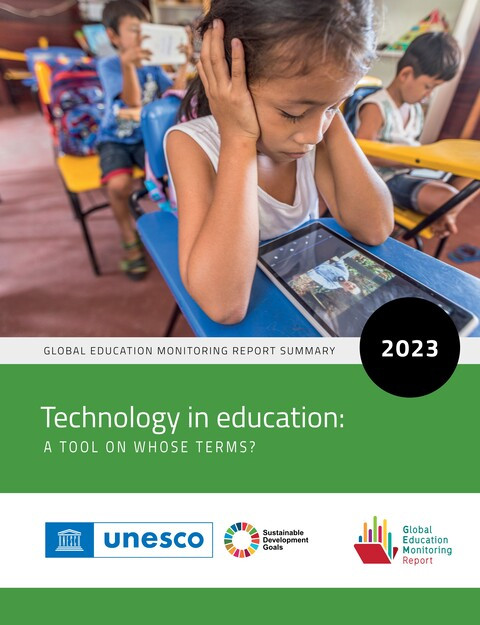 [요약본] 2023 세계 교육 현황 보고서 요약본: 교육 분야에서의 기술; 누구를 위한 도구인가? Année de publication: 2023 Auteur institutionnel: 유네스코 | 세계교육현황보고서팀 교육 분야에서 기술의 역할은 오랫동안 격렬한 논쟁을 불러일으켜 왔다. 기술은 지식을 민주화할 것인가, 선택된 소수가 정보를 통제함으로써 민주주의를 위협할 것인가? 기술은 무한한 기회를 제공할 것인가, 돌이킬 수 없이 기술에 종속되는 미래로 이끌 것인가? 기술은 공평한 경쟁의 장을 제공할 것인가, 불평등을 악화시킬 것인가? 기술은 아이들을 가르치는 데 사용되어야 할 것인가, 아이들의 발달에 위험 요소가 될 것인가? 이러한 논쟁은 코로나19로 인한 휴교와 생성형 인공지능의 등장으로 더욱 고조되고 있다. 하지만 개발자가 의사결정권자보다 한 발 앞서 있는 경우가 많기 때문에 교육 기술에 대한 연구는 복잡하다. 강력하고 공정한 증거가 부족하다. 사회는 기술을 해결책으로서 선택하기 전에 교육에 대해 올바른 질문을 던지고 있는가? 사회는 기술이 가져다줄 이익을 모색하는 동시에 기술의 위험을 인식하고 있는가 정보통신기술은 소외된 학습자에게 다가가고 더 많은 지식을 매력적이고 저렴한 포맷으로 보급한다는 측면에서 형평성과 포용성을 뒷받침할 잠재력을 갖고 있다. 특정한 상황과 일부 학습 유형에서 기술은 교수 및 학습의 기초 역량을 질적으로 향상시킬 수 있다. 어떤 경우에서든 디지털 역량은 기초 역량 패키지의 일부가 되었다. 또한 디지털 기술은 관리를 지원하고 효율성을 높여 더 많은 양의 교육 데이터를 처리하는 데 도움이 될 수 있다. 동시에 기술은 완전히 해롭지는 않더라도 일부를 배제하거나 일부에게 부적절하거나 부담을 줄 수도 있다. 따라서 정부는 모두를 위한 교육에 공평하게 접근할 수 있도록 적절한 환경을 보장하고, 학습자를 부정적인 영향으로부터 보호하기 위해 기술 사용을 규제하고 교사들을 준비시켜야 한다. 본 보고서는 적절하고 공평하며 측정 가능하고 지속 가능한 증거를 바탕으로 기술을 교육에 도입해야 한다고 권장하고 있다. 다시 말해, 기술 사용은 학습자의 최선의 이익을 고려해야 하며, 교사와의 대면적 상호작용을 보완해야 한다. 기술은 이러한 조건에 따라 사용되는 도구로 인식되어야 한다. [резюме] ВСЕМИРНЫЙ ДОКЛАД ПО МОНИТОРИНГУ ОБРАЗОВАНИЯ РЕЗЮМЕ 2023: Технологии в образовании; НА ЧЬИХ УСЛОВИЯХ? Année de publication: 2023 Auteur institutionnel: UNESCO | Global Education Monitoring Report Team Вопрос о роли технологий в образовании уже давно вызывает бурные дискуссии. Способствуют ли они распространению знаний или же ставят под угрозу доступ к ним, позволяя избранному кругу лиц контролировать информацию? Открывают ли они безграничные возможности или же безвозвратно ведут нас к зависимому от технологий будущему? Уравнивают ли они возможности или же усугубляют неравенство? Следует ли использовать их при воспитании детей младшего возраста или же существуют риски для нормального развития детей? Закрытие школ в связи с пандемией COVID-19 и развитие генеративного искусственного интеллекта придали новый импульс обсуждению этих вопросов. Однако учитывая, что разработчики технологий зачастую идут на шаг впереди ответственных за принятие решений лиц, исследования в области образовательных технологий сопряжены с определенными трудностями. Надежных, объективных данных крайне мало. Задается ли общество правильными вопросами об образовании, прежде чем прибегнуть к помощи технологий? Информационно-коммуникационные технологии способны содействовать обеспечению справедливости и инклюзивности с точки зрения охвата находящихся в неблагоприятном положении учащихся и более широкого распространения знаний в удобных и доступных форматах. В определенных условиях и в рамках некоторых видов обучения они могут повышать качество преподавания и изучения базовых навыков. Так или иначе, цифровые компетенции становятся неотъемлемой частью набора базовых навыков. Цифровые технологии также могут способствовать управлению и повышению эффективности, помогая обрабатывать большие объемы данных об образовании. В то же время технологии могут приводить к изоляции, не соответствовать потребностям и быть обременительными, а иногда даже вредными. Правительства должны создавать надлежащие условия для обеспечения справедливого доступа к образованию для всех, регулировать использование технологий, с тем чтобы защитить учащихся от их негативного воздействия, и заниматься подготовкой учителей. В данном докладе рекомендуется внедрять технологии в образование на основании данных, подтверждающих их целесообразность, соответствие принципам справедливости, применимость и устойчивость. Иными словами, они должны использоваться с учетом интересов учащихся и в качестве дополнения к образованию, основанному на человеческом взаимодействии. Их следует рассматривать как инструмент, использование которого должно осуществляться на этих условиях. Во Всемирном докладе по мониторингу образования 2023 года приводится анализ того, что еще предстоит сделать для достижения к 2030 году целей в области образования, в то время, когда мир находится на полпути к установленному сроку. Образование играет не последнюю роль в технологическом прогрессе, однако оно также имеет решающее значение для достижения других целей в области развития. [摘要] 《全球教育监测报告》摘要 2023: 技术运用于教育; 谁来做主? Année de publication: 2023 Auteur institutionnel: UNESCO | Global Education Monitoring Report Team 技术在教育中的角色长期以来一直引发激烈的争论。它是民主化知识的推动者,还是通过允许少数人控制信息而威胁民主?它提供无限机会,还是导致依赖技术的未来无法回头?它能够实现平等竞争,还是加剧不平等?应该在教授幼儿时使用,还是存在对其发展的风险?这场辩论受到了COVID-19疫情导致的学校关闭以及生成人工智能的出现的影响。 但由于开发者往往领先于决策者一步,教育技术的研究变得复杂。坚实、公正的证据相当稀缺。在将技术视为解决方案之前,社会是否正在就教育问题提出正确的问题?在追求技术的好处时是否意识到其中的风险? 信息和通信技术有潜力支持平等和包容,以实现与弱势学习者的接触和以引人入胜且经济实惠的方式传播更多知识。在某些情况下,对于某些类型的学习,它可以提高教学质量和学习基本技能。无疑,数字技能已成为基本技能包的一部分。数字技术还可以支持管理并提高效率,帮助处理更大量的教育数据。 然而,技术也可能造成排斥,并且可能是无关紧要且繁重的,甚至是有害的。政府需要确保创造适当的条件,为所有人提供公平的教育机会,对技术使用进行监管,以保护学习者免受其负面影响,并为教师做好准备。 本报告建议,在基于证据表明其适当、公平、可扩展和可持续的情况下引入技术到教育中。换句话说,其使用应符合学习者的最佳利益,并应与教师的面对面互动相辅相成。应将其视为一种工具,以这些条件来使用。 到2023年全球教育监测报告截止期限的中途,评估了实现2030年教育目标仍需走多远。教育是实现其他发展目标的关键,尤其是技术进步的目标。
  التوصية الخاصة بالتربية والتعليم من أجل السلام وحقوق الإنسان والتنمية المستدامة: دليل تفسيري Année de publication: 2024 Auteur institutionnel: UNESCO ويقدّم هذا الكتيّب تعريفاً بالتوصية بصيغتها المعدّلة ويبيّن مضمون التوصية ويوضح لمختلف الجهات المعنية بالتربية والتعليم كيفية استخدامها بطريقة عملية في عملها اليومي.
  The Recommendation on Education for Peace, Human Rights and Sustainable Development: An Explainer Année de publication: 2024 Auteur institutionnel: UNESCO This is an explainer brochure of the new UNESCO Recommendation on Education for Peace and Human Rights, International Understanding, Cooperation, Fundamental Freedoms, Global Citizenship and Sustainable Development, which is commonly referred to as the Recommendation on Education for Peace, Human Rights and Sustainable Development, about its purpose, history, content and potential to bring about necessary change.
  Recomendación sobre la Educación para la Paz, los Derechos Humanos y el Desarrollo Sostenible : nota explicativa Année de publication: 2024 Auteur institutionnel: UNESCO En este folleto se presenta la versión actualizada de la Recomendación y se explica lo que ofrece y el modo en que las distintas partes interesadas en la educación pueden utilizarla de manera concreta en el día a día.
  La Recommandation sur l’éducation pour la paix, les droits de l’homme et le développement durable: Brochure explicative Année de publication: 2024 Auteur institutionnel: UNESCO Cette brochure présente la version actualisée de la Recommandation et explique ce que cette dernière peut apporter et comment elle peut être mise en application de manière concrète par les différents acteurs de l’éducation au quotidien.
  Fighting Racism and Discrimination: A UNESCO Toolkit Année de publication: 2023 Auteur institutionnel: UNESCO Globally, 1 in 5 people have experienced discrimination on at least one of the grounds prohibited under international human rights law. Despite action around the world to end hate and combat discrimination, our societies continue to struggle. Institutionalised and structural racism remains a significant challenge with societies only beginning to come to terms with the harsh realities of historical legacies of inequality. Regardless of the rise of the Black Lives Matter movement following the death of George Floyd and increased discussion, policies tackling the legacies of historical racism as well as contemporary racism remain limited. Arguments on the ethics of collecting racial and ethnicity data persist, making measurement of racism and discrimination all the more challenging and leading to difficulties in fully comprehending this issue. However, with impact ranging from education to housing to income to criminal justice, these issues cannot wait. Recognising the magnitude of this challenge and responding to the urgent call for action – the Global Call against Racism – by our Member States, UNESCO has developed the UNESCO Anti-Racism Toolkit. Within the pages of this guide, you will find core concepts, good practices from around the world, practical exercises, and more. A tool designed to support policy-makers in developing anti-racist legislation, it is a first step to tackling the historical and structural racism within our societies.
  Reconciliation through Global Citizenship Education Année de publication: 2023 Auteur institutionnel: UNESCO This document zeroes in on how concepts of GCED and reconciliation are addressed in current research and practice and aims to provide existing grounds and future considerations for policy-makers concerned with reconciliation through education.
  Unmasking Racism: Guidelines for Educational Materials Année de publication: 2024 Auteur institutionnel: UNESCO These Guidelines developed by UNESCO provide recommendations on how to combat racism in textbooks and to develop learning materials that are free of prejudice and bias and do not perpetuate stereotypes or legitimize unequal social structures. Through a comprehensive analysis of recent studies of textbooks and other educational materials, the guide also demonstrates how countries around the world address racism and racialization. It increases awareness and improves our understanding of how racism manifests in educational materials, and aims to support education stakeholders to promote just, peaceful and multicultural societies.