
Ressources
Explorez une large gamme de ressources sur le GCED afin d’approfondir votre compréhension et de renforcer vos activités de recherche, de plaidoyer, d’enseignement et d’apprentissage.
1,322 résultats trouvés
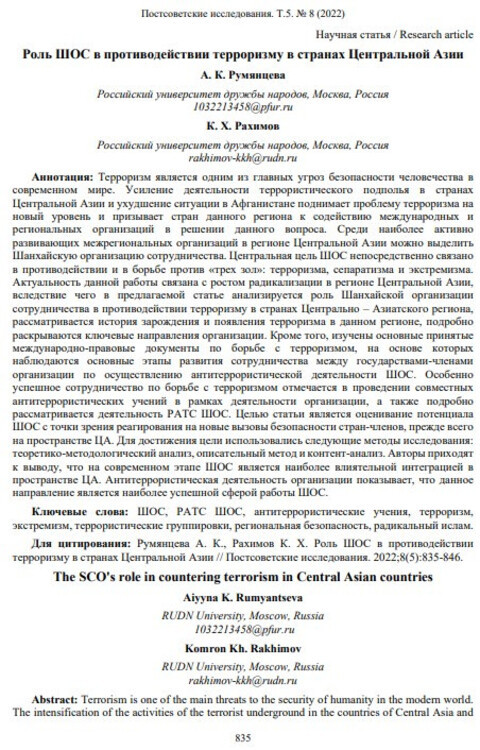 Роль ШОС в противодейтсвии терроризму в странах Центральной Азии (Постсоветские исследования; Vol.5, No.8) Année de publication: 2022 Auteur: А. К. Румянцева | К. Х. Рахимов Терроризм является одним из главных угроз безопасности человечества в современном мире. Усиление деятельности террористического подполья в странах Центральной Азии и ухудшение ситуации в Афганистане поднимает проблему терроризма на новый уровень и призывает стран данного региона к содействию международных и региональных организаций в решении данного вопроса. Среди наиболее активно развивающих межрегиональных организаций в регионе Центральной Азии можно выделить Шанхайскую организацию сотрудничества. Центральная цель ШОС непосредственно связано в противодействии и в борьбе против «трех зол»: терроризма, сепаратизма и экстремизма. Актуальность данной работы связана с ростом радикализации в регионе Центральной Азии, вследствие чего в предлагаемой статье анализируется роль Шанхайской организации сотрудничества в противодействии терроризму в странах Центрально – Азиатского региона, рассматривается история зарождения и появления терроризма в данном регионе, подробно раскрываются ключевые направления организации. Кроме того, изучены основные принятые международно-правовые документы по борьбе с терроризмом, на основе которых наблюдаются основные этапы развития сотрудничества между государствами-членами организации по осуществлению антитеррористической деятельности ШОС. Особенно успешное сотрудничество по борьбе с терроризмом отмечается в проведении совместных антитеррористических учений в рамках деятельности организации, а также подробно рассматривается деятельность РАТС ШОС. Целью статьи является оценивание потенциала ШОС с точки зрения реагирования на новые вызовы безопасности стран-членов, прежде всего на пространстве ЦА. Для достижения цели использовались следующие методы исследования: теоретико-методологический анализ, описательный метод и контент-анализ. Авторы приходят к выводу, что на современном этапе ШОС является наиболее влиятельной интеграцией в пространстве ЦА. Антитеррористическая деятельность организации показывает, что данное направление является наиболее успешной сферой работы ШОС.
  Education for Integration: Ideas and Resources for the Formation of Regional Citizenship Année de publication: 2021 Auteur institutionnel: Mercosur Educational Sector Support Program (PASEM) For Latin American and Caribbean countries, regional integration is a tool to expand their margins of autonomy and promote economic development with social inclusion. From the events that led to independence to the present day, the ideals of unity and integration have been present in many men and women who conceived emancipatory national-regional political projects and sought to form sovereign and developed nations. The Common Market of the South - or as it is commonly known, Mercosur - is one of those regional political projects that seeks to build a supportive, inclusive region, open to citizen participation and that guarantees the right of peoples to development. Educación para la integracion: Ideas y recursos para la formación de una ciudadanía regional Année de publication: 2021 Auteur institutionnel: Mercosur Educational Sector Support Program (PASEM) Para los países latinoamericanos y caribeños la integración regional constituye una herramienta para ampliar sus márgenes de autonomía y promover desarrollo económico con inclusión social. Desde los acontecimientos que llevaron a la independencia hasta nuestros días, los ideales de unidad e integración estuvieron presentes en numerosos hombres y mujeres que concibieron proyectos políticos nacional-regionales emancipatorios y buscaron conformar naciones soberanas y desarrolladas. El Mercado Común del Sur -o como comúnmente se lo conoce, el Mercosur- es uno de esos proyectos políticos regionales que busca construir una región solidaria, inclusiva, abierta a la participación ciudadana y que garantice el derecho de los pueblos al desarrollo.
 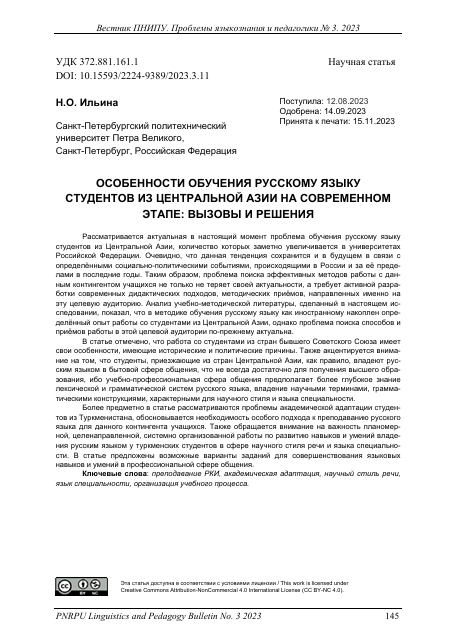 Особенности обучения русскому языку студентов из Центральной Азии на современном этапе: вызовы и решения (Вестник ПНИПУ. Проблемы языкознания и педагогики; № 3. ) Année de publication: 2023 Auteur: Ильина Наталья Олеговна Auteur institutionnel: Вестник Пермского национального исследовательского политехнического университета (ПНИПУ) Рассматривается актуальная в настоящий момент проблема обучения русскому языку студентов из Центральной Азии, количество которых заметно увеличивается в университетах Российской Федерации. Более предметно в статье рассматриваются проблемы академической адаптации студентов из Туркменистана, обосновывается необходимость особого подхода к преподаванию русского языка для данного контингента учащихся.
 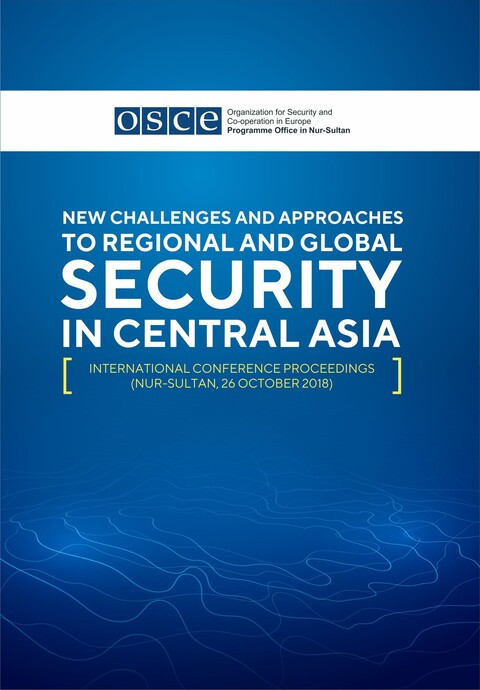 New Challenges and Approaches to Regional and Global Security in Central Asia Année de publication: 2020 Auteur institutionnel: Organization for Security and Co-operation in Europe (OSCE) On 26 October 2018 in Nur-Sultan, the OSCE Programme Office in Nur-Sultan jointly with the Friedrich Ebert Foundation and the Kazakhstan Council on International Relations, with support from the Institute of Diplomacy under the Academy of Public Administration and the Public Opinion Research Institute co-organized an international conference entitled “New Challenges and Approaches to Regional and Global Security in Central Asia”. This compendium, which includes presentations given at the conference by both Kazakhstan’s and foreign participants, explores main regional security threats in Central Asia and ways to address these problems, as well as regional co-operation issues in responding to contemporary challenges. The edition will be of interest to political scientists, international relations experts, civil servants, scholars, educators, university-level students, and broad sections of the public interested in the contemporary development of the region. The edition is published in Russian and English. The paper of Mr. Pal Dunay is written in the English language in the original, the rest of the reports are in Russian. All reports have been translated and edited with the support of the OSCE Program Office in Nur Sultan. Any opinions and recommendations expressed in the materials arising from the conference are those of the authors and do not necessarily reflect the views of the conference organizers. Новые вызовы и подходы по регионально и глобальной безопасности в Центральной Азии Année de publication: 2020 Auteur institutionnel: Organization for Security and Co-operation in Europe (OSCE) 26 октября 2018 г. Офисом программ ОБСЕ в Нур-Султане совместно с Фондом им. Фридриха Эберта и Казахстанским советом по международным отношениям при поддержке Института дипломатии Академии государственного управления и Исследовательского института «Общественное мнение» была организована международная конференция «Новые вызовы и подходы по регионально и глобальной безопасности в Центральной Азии». В данный сборник материалов включены доклады казахстанских и зарубежных участников конференции, раскрывающие основные угрозы безопасности в регионе Центральной Азии и пути решения возникающих проблем, а также актуальные вопросы регионального сотрудничества в реагировании на современные вызовы. Издание предназначено для политологов, экспертов-международников, государственных служащих, научных работников, преподавателей и студентов высших учебных заведений, а также для широкого круга читателей, интересующихся современным развитием региона. Издание публикуется на русском и английском языках. Доклад господина Пал Дунай написан на английском языке в оригинале, остальные доклады на русском языке. Все доклады переведены и отредактированы при содействии Офиса программ ОБСЕ в Нур-Султане. Мнения и рекомендации авторов докладов в рамках конференции принадлежат авторам и не обязательно отражают точку зрения организаторов конференции.
 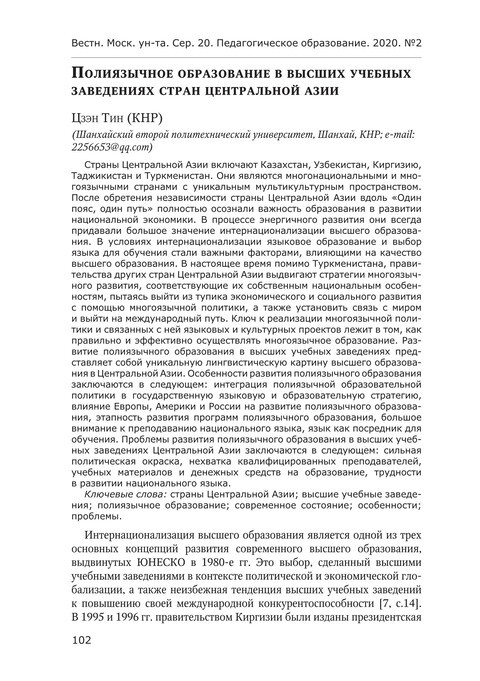 Multilingual Education in Central Asian Institutions of Higher Education (Journal of Moscow University. Series 20. Pedagogical Education; No.2, 2020) Année de publication: 2020 Auteur: Цзэн Тин In the context of internationalization, language education and the choice of language for teaching have become important factors affecting the quality of higher education. Currently, in addition to Turkmenistan, the Governments of other Central Asian countries are putting forward strategies for multilingual development that correspond to their own national characteristics. The problems of the development of multilingual education in higher educational institutions of Central Asia are as follows: strong political coloring, lack of qualified teachers, educational materials and funds for education, difficulties in the development of the national language. Полиязычное образование в высших учебных заведениях стран Центральной Азии (Вестник Московского университета. Серия 20. Педагогическое образование; No.2, 2020) Année de publication: 2020 Auteur: Цзэн Тин В условиях интернационализации языковое образование и выбор языка для обучения стали важными факторами, влияющими на качество высшего образования. В настоящее время помимо Туркменистана, правительства других стран Центральной Азии выдвигают стратегии многоязычного развития, соответствующие их собственным национальным особенностям. Проблемы развития полиязычного образования в высших учебных заведениях Центральной Азии заключаются в следующем: сильная политическая окраска, нехватка квалифицированных преподавателей, учебных материалов и денежных средств на образование, трудности в развитии национального языка.
 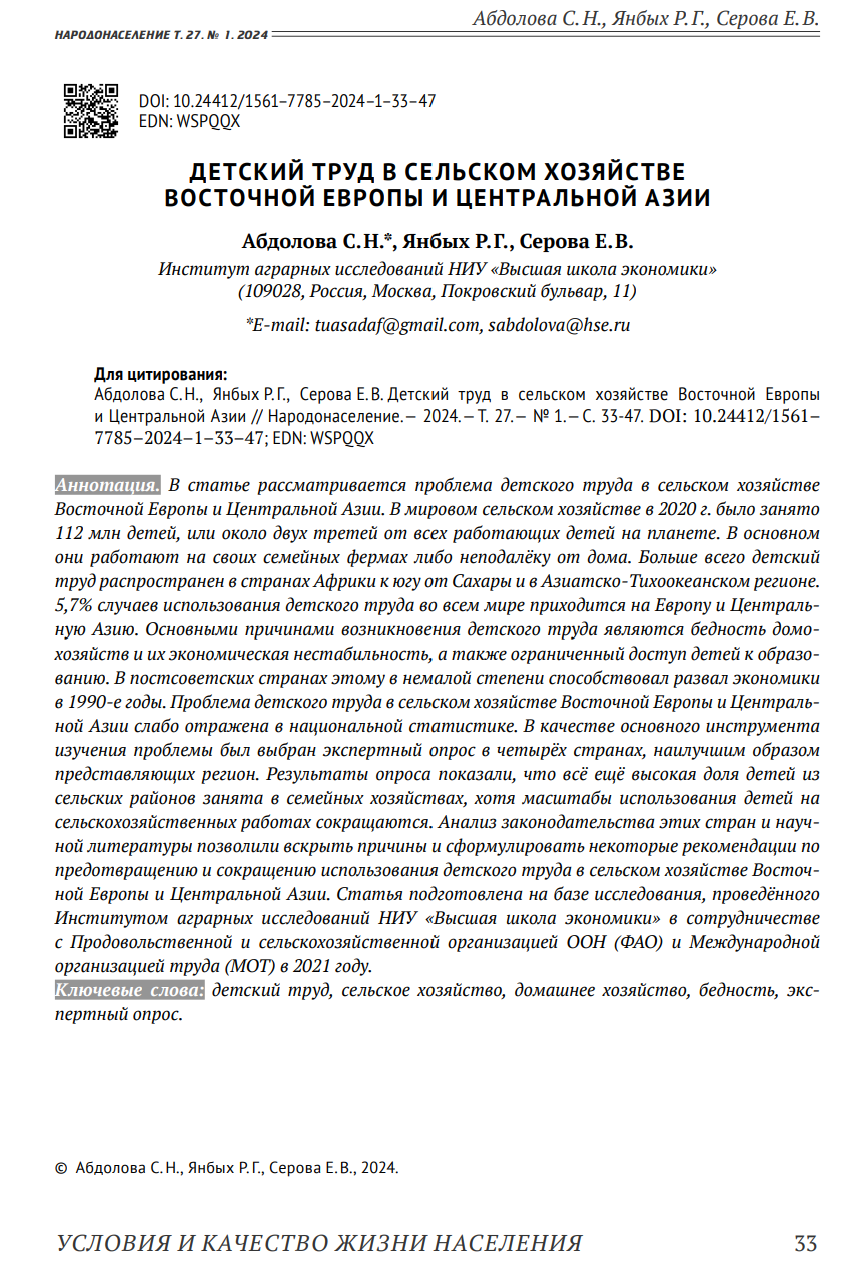 Research on Child Labour in Agriculture in Eastern Europe and Central Asia Année de publication: 2024 Auteur: Абдолова Садаф | Янбых Рената | Серова Евгения Auteur institutionnel: Народонаселение The article deals with the problem of child labor in agriculture in Eastern Europe and Central Asia. An analysis of the legislation of these countries and scientific literature allowed us to uncover the causes and formulate some recommendations for preventing and reducing the use of child labor in agriculture in Eastern Europe and Central Asia. The article was prepared on the basis of a study conducted by The Institute of Agricultural Research of the Higher School of Economics in cooperation with the Food and Agriculture Organization of the United Nations (FAO) and the International by the International Labour Organization (ILO) in 2021. Детский труд в сельском хозяйстве Восточной Европы и Центральной Азии Année de publication: 2024 Auteur: Абдолова Садаф | Янбых Рената | Серова Евгения Auteur institutionnel: Народонаселение В статье рассматривается проблема детского труда в сельском хозяйстве Восточной Европы и Центральной Азии. Анализ законодательства этих стран и научной литературы позволили вскрыть причины и сформулировать некоторые рекомендации по предотвращению и сокращению использования детского труда в сельском хозяйстве Восточной Европы и Центральной Азии. Статья подготовлена на базе исследования, проведённого Институтом аграрных исследований НИУ «Высшая школа экономики» в сотрудничестве с Продовольственной и сельскохозяйственной организацией ООН (ФАО) и Международной организацией труда (МОТ) в 2021 году.