
Ressources
Explorez une large gamme de ressources sur le GCED afin d’approfondir votre compréhension et de renforcer vos activités de recherche, de plaidoyer, d’enseignement et d’apprentissage.
1,443 résultats trouvés
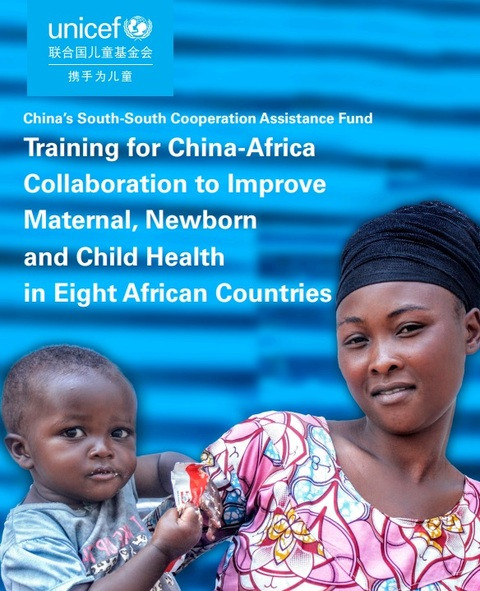 改善非洲八国孕产妇、新生儿和儿童健康培训中国南南合作援助基金支持项目 Année de publication: 2022 Auteur institutionnel: UNICEF China 本文介绍了中国为改善非洲八个国家孕产妇、新生儿和儿童健康所开展的培训项目介绍,包括目标、课程设计、评语等内容,并总结了经验与挑战。
 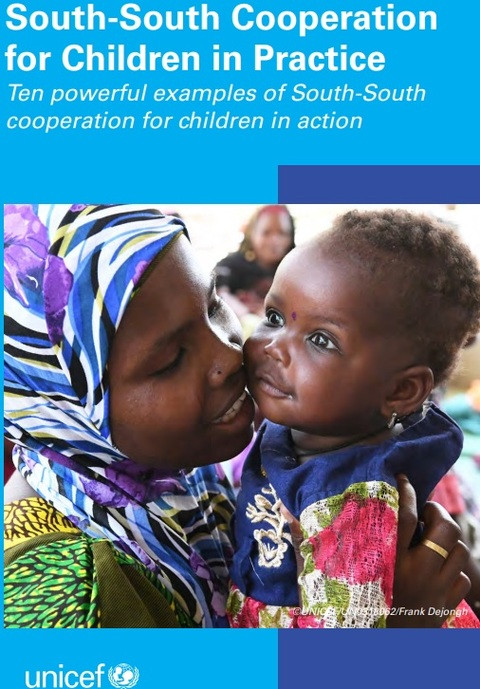 South-South Cooperation for Children in Practice Année de publication: 2021 Auteur institutionnel: UNICEF China This paper presents ten cases of international assistance that China has participated in to benefit children in multiple countries in the context of South-South cooperation. 南南合作造福儿童的实践: 通过十个典型案例看南南合作如何惠及儿童 Année de publication: 2021 Auteur institutionnel: UNICEF China 本文通过十个案例,介绍了南南合作背景下中国所参与的造福多国儿童的国际援助案例。
  دور المؤسسات التعليمية في محاربة التعصب الرياضي Année de publication: 2018 Auteur: Jamal Aldeen Alamarji يقدم الباحث في هذه الورقة مناقشة لكيف يمكن للمؤسسات التعليمية محاربة التعصب الرياضي. وينبثق من هذا السؤال الرئيس الأسئلة الفرعية التالية:• ما المقصود بالتعصب الرياضي؟• ما سمات الشخص المتعصب رياضيا؟• ما أسباب التعصب الرياضي؟• ما المعوقات التي تحد من دور المؤسسات التعليمية في القضاء على التعصب الرياضي؟• ما الدور المأمول للمؤسسات التعليمية للقضاء على التعصب الرياضي؟ The Role of Educational Institutions in Combating Sports Intolerance Année de publication: 2018 Auteur: Jamal Aldeen Alamarji In this paper, the researcher presents a discussion of how educational institutions can combat sports fanaticism. From this main question, the following sub-questions emerge:• What is meant by sports fanaticism?• What are the characteristics of a sports fanatic?• What are the causes of sports intolerance?• What are the obstacles that limit the role of educational institutions in eliminating sports fanaticism?• What is the hoped-for role for educational institutions to eliminate sports fanaticism?
  حقوق الانسان والتحدي الرقمي Année de publication: 2021 Auteur institutionnel: Islamic World Educational, Scientific and Cultural Organization (ICESCO) الملف عبارة عن تقرير عن النــدوة الدوليــة "حقـوق الإنسان والتحديـات الرقميـة". جاء تنظيم هذه الندوة انســجاما مــع التزامــات كل مــن منظمــة الإيسيكو والمملكة المغربية في مجــال تعزيــز مبــادئ حقــوق الإنسان في مفهومهــا الشـمولي. وأيضا لنشـر قيـم السلم ومبـادئ المواطنة والتعايـش الإيجابي. وتعتبر الندوة تمهيدا ومسارا لمواكبـة أهـم التحديـات التـي تواجـه حقـوق الإنسان، وتقويـة التعـاون وتبـادل الخبرات والتجــارب بــين الــدول الأعضاء في الإيسيكو. Human Rights and the Digital Challenge Année de publication: 2021 Auteur institutionnel: Islamic World Educational, Scientific and Cultural Organization (ICESCO) The file is a report on the international symposium "Human Rights and Digital Challenges". The organization of this symposium came in line with the commitments of both ISESCO and the Kingdom of Morocco in the field of promoting the principles of human rights in their holistic sense. And also to spread the values of peace, the principles of citizenship and positive coexistence. The symposium is considered a prelude and a path to keeping pace with the most important challenges facing human rights, strengthening cooperation and exchanging experiences and expertise among ISESCO member states.
  تقييم معرفة القراءة والكتابة والمهارات الحياتية لدى الشباب السوري (2021) : تقرير موجز Année de publication: 2022 Auteur institutionnel: UNESCO Beirut تسببت الأزمة السورية في حدوث اضطرابات في تعليم الأطفال والشباب لأكثر من عقد. لقد أضاف جائحة COVID-19 ، مع إغلاق المدارس ذات الصلة ، عبئًا إضافيًا على الوضع الحالي ، مما أثر على نتائج التعلم في جميع أنحاء العالم. إن تقييم حالة كفاءات الشباب السوري في محو الأمية والحساب والمهارات الحياتية أمر ضروري لتخطيط وتنفيذ برامج أفضل لمساعدتهم على تعويض خسائرهم التعليمية. الهدف النهائي هو دعمهم ليكونوا قادرين على العودة إلى مسارات التعليم الرئيسية أو تزويدهم بالمهارات الأساسية للتعامل مع الاحتياجات اليومية في بيئاتهم الشخصية والمهنية.تقيس دراسة "تقييم معرفة القراءة والكتابة والمهارات الحياتية للشباب السوري" (LLASY) المستويات الحالية لمحو الأمية والحساب ، بالإضافة إلى المهارات الحياتية لشباب سوريا الذين تتراوح أعمارهم بين 15 و 24 عامًا والذين يعيشون حاليًا داخل البلاد. وتشمل العينة الشباب ، والشابات ، والذكور ، الملتحقين بمؤسسات تعليمية أو تدريبية ، ومن هم خارجها. Literacy and Life Skills Assessment of Syrian Youth (2021): Summary Report Année de publication: 2022 Auteur institutionnel: UNESCO Beirut The Syrian crisis has caused disruptions to children’s and youth’s education for over a decade. The COVID-19 pandemic, with the related school closures, has added an additional burden to the existing situation, impacting learning outcomes worldwide. Assessing the status of Syrian youth’s competencies in literacy, numeracy and life skills, is essential in order to plan and implement better programmes to help them catch up on their learning losses. The ultimate goal is to support them to be able to go back into the main education streams or provide them with basic skills to cope with daily needs in their personal and professional environments.The ‘Literacy and Life Skills Assessment of Syrian Youth’ (LLASY) study measures current literacy and numeracy levels, as well as life skills of the youth of Syria of the 15 to 24 age group currently living inside the country. The sample includes youth, female and male, who are enrolled in educational or training institutions, as well as those who are out of them.
  New Facets of Educational Inequality in Countries Central Asia: From Problem Measurement to Policy Changes Année de publication: 2021 Auteur: Saule Aliyeva | Kamila Kovyazina Auteur institutionnel: Paperlab Research Center (Kazakhstan) This report summarizes the results of a research project to study the problem of educational inequality in the region, carried out by the Research Center PaperLab (Kazakhstan) together with partners from Kyrgyzstan, Tajikistan, and Uzbekistan. A regional approach to studying the problem of educational inequality will help assess the role and effectiveness of measures taken by governments of different countries in ensuring access to education, and to identify the strengths and weaknesses of each country in the transition to a post-pandemic environment. Promoting this expertise in the media and social networks will start a discussion about the importance of education in terms of reducing social inequality in the region and get new ideas on equalizing opportunities in access to education as one of the key public goods.