
Ressources
Explorez une large gamme de ressources sur le GCED afin d’approfondir votre compréhension et de renforcer vos activités de recherche, de plaidoyer, d’enseignement et d’apprentissage.
2,781 résultats trouvés
 Case Studies From Schools Involved in Inclusive Education in Macedonia Training-of-Trainers Programme (2012–2014) Année de publication: 2014 Auteur institutionnel: United Nations Children's Fund (UNICEF) This short booklet offers some of the case studies that the teachers/ trainers developed in their schools, following the training-of-trainers. Some of the examples focus on telling a whole-school story, while others focus on individual children who have been supported to attend and participate in learning. All of the case studies offer ideas and inspiration to other practitioners – within and beyond the former Yugoslav Republic of Macedonia – who are working hard to make education more inclusive for all children.
 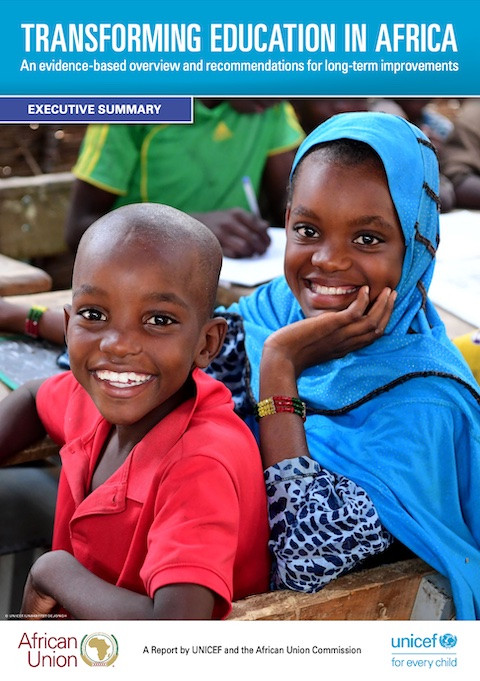 [Summary] Transforming Education in Africa: An Evidence-Based Overview and Recommendations for Long-Term Improvements Année de publication: 2021 Auteur: Nicolas Reuge | Lukman Olawale Jaji | Nicholas Ouma | Adoumtar Noubatour | Hambani Masheleni | Noguebzanga Jean Luc Yameogo | Achila Imchen | Alassane Ouedraogo | Beifith Kouak Tiyab | Yacouba Djibo Abdou | Erin Euiryeong Jeong Auteur institutionnel: United Nations Children's Fund (UNICEF) | African Union Commission This report is the result of a successful collaboration between UNICEF and the African Union Commission. The report intends to contribute to the facilitation of high-level policy discussions between national education authorities, regional and continental bodies on possible strategic shifts and interventions to boost access to education and improve the quality of teaching and learning in Africa. The report provides evidence-based analysis of the situation of education in Africa while putting into perspective the Sustainable Development Goals and the objectives of the Continental Education Strategy for Africa (CESA 16–25) in line with the African Union Agenda 2063. It highlights the progress made in the continent’s education sector over the past decade (2010–2020) while pointing out the challenges that remain, particularly in the area of equity. [Résumé] Transformer l’éducation en afrique: Un aperçu base sur des données probantes et des recommandations pour des améliorations à long terme Année de publication: 2021 Auteur: Nicolas Reuge | Lukman Olawale Jaji | Nicholas Ouma | Adoumtar Noubatour | Hambani Masheleni | Noguebzanga Jean Luc Yameogo | Achila Imchen | Alassane Ouedraogo | Beifith Kouak Tiyab | Yacouba Djibo Abdou | Erin Euiryeong Jeong Auteur institutionnel: United Nations Children's Fund (UNICEF) | African Union Commission Le présent rapport est le fruit d’une collaboration entre l’UNICEF et la Commission de l’Union africaine. Il entend contribuer à faciliter la tenue de débats politiques de haut niveau entre les autorités nationales chargées de l’éducation et les organismes régionaux et continentaux dans l’optique de déterminer les interventions et les changements stratégiques envisageables pour améliorer l’accès à l’éducation et la qualité de l’enseignement et de l’apprentissage en Afrique. Le rapport présente une analyse fondée sur des données probantes de la situation de l’éducation en Afrique, en mettant en perspective les objectifs de développement durable ainsi que les objectifs de la Stratégie continentale de l’éducation pour l’Afrique (CESA 2016-2025) conformes à l’Agenda 2063 de l’Union africaine. Il souligne les progrès accomplis sur le continent dans le secteur de l’éducation au cours de la dernière décennie (2010-2020) et met en évidence les défis qui restent à relever, notamment en matière d’équité.
  المواطنة Année de publication: 2020 Auteur: Zeyad Alawana Auteur institutionnel: Ministry of Political and Parliamentary Affairs يهدف الكتيب إلى تعميق ثقافة المواطنة الصالحة والفعّالة لدى الشباب، وتعريفهم بحقوقهم وواجباتهم الواردة في الدستور الاردني، وتعريفهم أيضاً بقيم المواطنة الصالحة الي تقوم على أساس سيادة القانون، واحرام المساواة، والتسامح وتقبّل الآخر، وتقبل التعددية والتنوع في المجتمع. وبشكل أكثر تفصيلاً، يحتوي الكتيب على موضوعات ومعارف وأسئلة وخبرات تهدف إلى ما يلي:•أولاً، التعريف بمفهوم المواطنة والحقوق والواجبات والتمييز بين المواطن الصالح وغير الصالح.•ثانياً، التعريف بمبادئ المواطنة الصالحة ، كالحرية والمشاركة الفاعلة والمساواةوتكافؤ الفرص والتضامن والمحافظة على الممتلكات العامة.•ثالثاً، التعريف بأهداف المواطنة، كالالتزام بمبادئ الديمقراطية، والتحرر من التعصب والتميز، والايمان بالأخوّة الإنسانية والمنهج العلمي في التفك وسيادة القانون، والالزام بالدستور، والمشاركة السياسية الفاعلة، واحرام كرامة الانسان، واكتساب قيم المواطنة الحقة.
 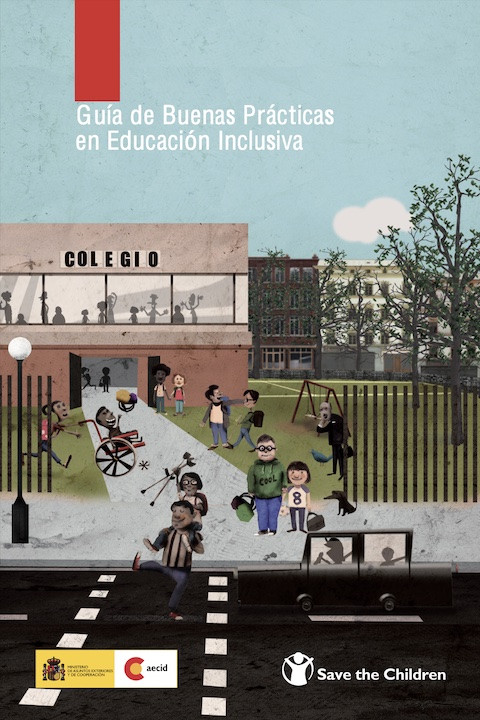 Guide of Good Practices in Inclusive Education Année de publication: 2013 Auteur: Carmen Solla Salvador Auteur institutionnel: Save the Children | Spanish Agency for International Development Cooperation (AECID) In this document, Save the Children expresses its commitment to an educational model in which all boys and girls learn together, regardless of their personal, social or cultural conditions; being able to opt for the same learning and development opportunities. To achieve this, the actors in the different educational fields (competent administrations, those responsible for the centers, other educational entities and the rest of the community), must establish the necessary conditions to identify the existing barriers to the participation and learning of children, girls and adolescents; and implement the necessary measures to overcome them. Guía de buenas prácticas en educación inclusiva Année de publication: 2013 Auteur: Carmen Solla Salvador Auteur institutionnel: Save the Children | Spanish Agency for International Development Cooperation (AECID) En este documento, Save the Children manifiesta su apuesta por un modelo educativo en el que todos los niños y las niñas aprendan juntos, independientemente de sus condiciones personales, sociales o culturales; pudiendo optar a las mismas oportunidades de aprendizaje y desarrollo. Para lograrlo, los actores en los distintos ámbitos educativos (administraciones competentes, responsables de los centros, de otras entidades educativas y resto de la comunidad), deben establecer las condiciones necesarias para identificar las barreras existentes para la participación y el aprendizaje de los niños, niñas y adolescentes; e implementar las medidas necesarias para superarlas.
 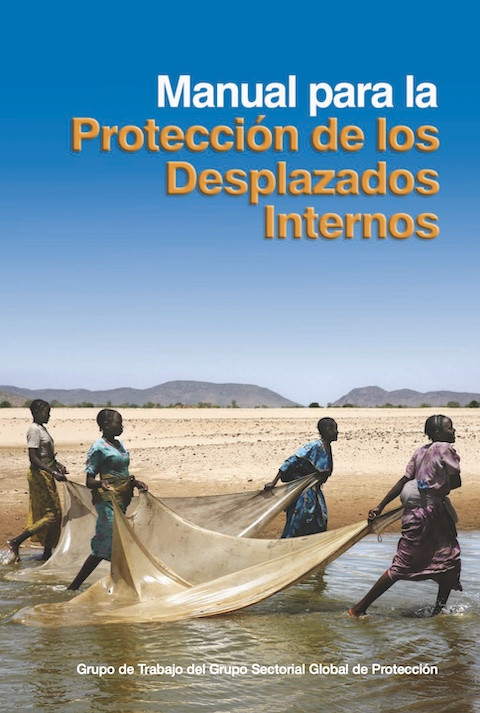 Manual para la protección de los desplazados internos Année de publication: 2010 Auteur: Grupo de Trabajo del Grupo Sectorial Global de Protección Auteur institutionnel: UN. Alto Comisionado de las Naciones Unidas para los Refugiados (ACNUR) Este manual está basado en numerosas constribuciones de un amplio abanico de personas e instituciones que trabajan por la proteccón de la población desplazada a todos los niveles. En más de 50 países del mundo, más de 26 millones de personas viven desarraigadas de sus hogares y desplazadas en sus propios países como consecuencia de conflictos armados o violaciones de derechos humanos. Los desplazados internos constituyen el grupo más amplio de la población civil que requiere protección y asistencia.
 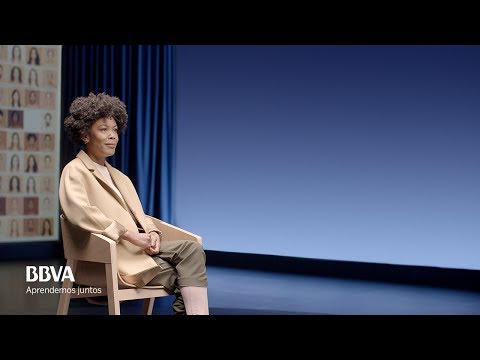 The Greatest Treasure of the Human Being Is Its Diversity Année de publication: 2019 Auteur institutionnel: BBVA Aprendemos Juntos In this video, photographer Angelica Dass talks about skin colors and how it separates us and is more important than other physical characteristics. In her photograph she expresses this idea from how she uses the color palette to express the richness in diversity. El mayor tesoro del ser humano es su diversidad Année de publication: 2019 Auteur institutionnel: BBVA Aprendemos Juntos En este video, la fotógrafa Angelica Dass habla sobre los colores de la piel y como esta nos separa y es más importante que otras caracteristicas fisicas. En su fotografía ella expresa está idea desde como usa la paleta de colores para expresar la riqueza en la diversidad.
 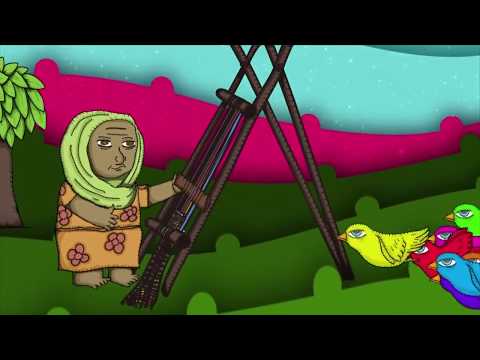 Mother Tongue Année de publication: 2018 Auteur institutionnel: Mexiquense TV This video explains how the mother tongue is acquired and its importance to us as human beings. It describes the linguistic diversity in Mexico and suggests that indigenous dialects are about to disappear and therefore February 21 is celebrated as the day of the mother tongue.