
Ressources
Explorez une large gamme de ressources sur le GCED afin d’approfondir votre compréhension et de renforcer vos activités de recherche, de plaidoyer, d’enseignement et d’apprentissage.
2,660 résultats trouvés
 How Effective Is the Role of the United Nations Human Rights Council in Protecting and Promoting Human Rights (The Arabic Journal of Human and Social Science; Vol.13, No.5) Année de publication: 2021 Auteur: Saffo Nardjesse Auteur institutionnel: University of Djelfa The issue of human rights remained the first in the list of human concerns and hopes, and one of the priorities that emerged on the shoulders of the United Nations within its established and difficult-to-reach programs and goals. There is no doubt that the most important causes of its emergence are attributable to those flagrant violations of human rights, especially those linked to war crimes and others against humanity, which prompted the major countries specifically to consider establishing a body concerned with the first of all the maintenance of international peace and security and the protection and promotion of human rights. , Through the Commission on Human Rights as one of the sub-committees established by the Economic and Social Council, which is tasked with preserving the sanctity of these rights. However, it soon proved ineffective due to the control of states violating human rights on the one hand and the politicization of their role on the other hand. Over the years, the committee dealt with human rights issues in ways that some commentators described as unsatisfactory and more sterile. As a result, the new body was established under the name of the "Human Rights Council" by General Assembly Resolution 60/251, and was considered the largest international body entrusted with the responsibility of promoting global respect. Human rights and fundamental freedoms for all without discrimination of any kind and in a just and equitable manner. Did the new mechanism, with its newly created composition, adequately address the weaknesses of the Commission on Human Rights? In other words, has the Human Rights Council added from its inception to today a greater value and contribution to the ؟protection and promotion of human rights? مدى فعالية دور مجلس الأمم المتحدة لحقوق الإنسان في حماية وتعزيز حقوق الانسان (دراسات وأبحاث; Vol.13, No.5) Année de publication: 2021 Auteur: Saffo Nardjesse Auteur institutionnel: University of Djelfa ظلت قضية حقوق الإنسان الأولى في قائمة هواجس وآمال الإنسانية وأحد الأولويات التي ترتبت على عاتق الأمم المتحدة ضمن برامجها وأهدافها المسطرة والصعبة المنال. فما من ريب من كون أهم أسباب نشأتها إنما تعزى لتلك الانتهاكات الصارخة لحقوق الإنسان لاسيما ما ارتبط منها بارتكاب جرائم حرب وأخرى ضد الإنسانية، وهو ما دفع الدول الكبرى على وجه التحديد إلى التفكير في إنشاء هيئة تُعنى ابتداءً بالمحافظة على السلم والأمن الدوليين وحماية وتعزيز حقوق الإنسان، عبر لجنة حقوق الإنسان بوصفها إحدى اللجان الفرعية التي أنشأها المجلس الاقتصادي والاجتماعي والتي أُوكلت لها مهمة الحفاظ على قدسية هذه الحقوق. غير أنه ما لبث أن ثبت عدم فعاليتها بسبب سيطرة الدول المنتهكة لحقوق الإنسان من جهة وتسييس دورها من جهة أخرى. إذ عالجت اللجنة –خلال سنوات- قضايا حقوق الإنسان بطرق وصفها بعض المعلقين بغير المرضية والأكثر عقما، على إثر ذلك تم إنشاء الهيئة الجديدة باسم "مجلس حقوق الإنسان" بقرار الجمعية العامة رقم 251/60 ، وأعتبر أكبر هيئة دولية أنيط لها مسؤولية تعزيز الاحترام العالمي لحقوق الإنسان والحريات الأساسية للجميع ودون تمييز من أي نوع وبطريقة عادلة ومنصفة. فهل عالجت الآلية الجديدة بتشكيلها المستحدث على نحو كافي نقاط ضعف لجنة حقوق الإنسان؟ وبعبارة أخرى، هل أضاف مجلس حقوق الإنسان منذ إنشائه إلى اليوم قيمة ومساهمة أكبر لحماية وتعزيز حقوق الإنسان ؟
  Streamlining the Global Path to Gender Equality: The Role of Feminist Foreign Policy Année de publication: 2023 Auteur institutionnel: UN WOMEN Europe and Central Asia As of June 2023, 15 UN Member States introduced feminist lenses to their foreign policies (FFPs). The policy brief examines the various FFPs and identifies shared aspects and gaps across seven key themes: WPS, political participation, economic empowerment, diplomacy, official development assistance, human rights/humanitarianism, violence against women and girls. Ускорение глобального движения к гендерному равенству: роль феминистской внешней политики Année de publication: 2023 Auteur institutionnel: UN WOMEN Europe and Central Asia По состоянию на июнь 2023 года 15 государств - членов ООН внедрили феминистские подходы в свою внешнюю политику. В аналитической записке рассматриваются различные FFP и выявляются общие аспекты и пробелы по семи ключевым темам: ЖМБ, участие в политической жизни, расширение экономических прав и возможностей, дипломатия, официальная помощь в целях развития, права человека/ гуманитарная деятельность, насилие в отношении женщин и девочек.
 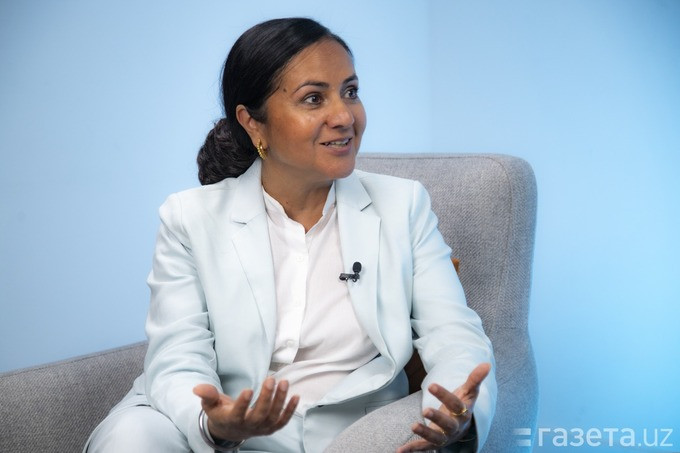 "Creating Equal Opportunities is the Responsibility of the Government.": A Conversation with Anjali Kaur from USAID Année de publication: 2023 Auteur institutionnel: Gazeta.uz Anjali Kaur, the deputy assistant administrator of the US Agency for International Development(USAID) for Asia, gave an interview during her visit to Uzbekistan "Газете.uz ". She spoke about the activities of USAID, the importance of creating equal opportunities for all and the responsibility of government, business and citizens. She spoke about the goals and activities of USAID in Uzbekistan, the importance of Uzbekistan for the agency, the need for equal access to education and other services for both boys and girls, as well as the responsibility of the state in ensuring such access. «Создание равных возможностей — ответственность правительства». Беседа с Анджали Каур из USAID Année de publication: 2023 Auteur institutionnel: Gazeta.uz Заместитель помощника администратора Агентства США по международному развитию по Азии Анджали Каур по время визита в Узбекистан дала интервью «Газете.uz». Она рассказала о деятельности USAID, важности создания равных возможностей для всех и ответственности правительства, бизнеса и граждан. Она рассказала о целях и направлениях деятельности USAID в Узбекистане, важности Узбекистана для агентства, необходимости равного доступа к образованию и другим услугам и для мальчиков, и для девочек, а также ответственности государства в обеспечении такого доступа.
  КАРМАННОЕ ПОСОБИЕ для участковых уполномоченных и инспекторов по делам несовершеннолетних Службы общественной безопасности МВД Кыргызской Республики по выявлению и направлению жертв торговли людьми Année de publication: 2023 Auteur institutionnel: УНП ООН В сентябре 2021 года Глобальная инициатива против транснациональной организованной преступности The Global Organized Crime Index – 2021, впервые в мировом масштабе признала торговлю людьми крупнейшим и превалирующим криминальным рынком. В связи с этим в мире важное внимание уделяется борьбе с торговлей людьми и вовлечению в этот процесс государственных органов, международных и общественных организаций. Кыргызская Республика не является исключением и особую роль в борьбе с торговлей людьми отводит правоохранительным органам, от действий которых во многом зависит эффективность пресечения этого вида преступной деятельности.
 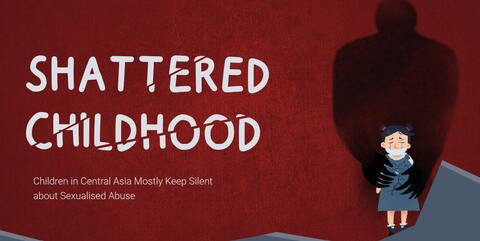 Shattered Childhood: Children in Central Asia Mostly Keep Silent about Sexualised Abuse Auteur: Katerina Afanasieva | Aleksandra Vasilkova | Mazkhab Dzhumaev | Aida Dzhaksybaeva Auteur institutionnel: Central Asian Bureau for Analytical Reporting (CABAR) No one really knows the scope of sexualised abuse of children in Central Asia. According to estimates of human rights activists, only one case of 10 goes reported to law enforcement bodies at best. Once it is reported, the investigation and courts often cause another trauma to children, while proceedings may take years.
  The rights of political women in Islam and their role in the political sphere Année de publication: 2020 Auteur: Hussein Zubair Thalj Al-Fahdawi | Mayada Ali Abdel Nabi Karim Praise be to God, who by His grace the righteousness is fulfilled and the pitfalls are forced and the honorees and may God’s prayers be granted to the foreboding Bashir and the enlightening OS and all his family and companions.And it was from the success of God Almighty for me to reach, through this study, some results. I summarize it as follows:Islam honored the humanity of man, so he raised it to the highest ranks and did not differentiate between it between a man and a woman. Rather, he made a man (a man and a woman) the most important thing in this universe. Human dignity, and Islam. A man and a woman are obligated to learn and understand everything and agree in religion and science, and commit them to peaceful jihad to spread the supreme belief and meanings both in the field in which he can work.It was clear from the previous presentation that the increased participation of women in political work is a pivotal factor for the advancement of gender equality and women's empowerment, as women participate in political action.And that all areas of political work are legally permissible to be assumed by whoever is her family, man or woman, just as the view of Islam for women is derived from the view of Islam for the honorable man, so there is no distinction or difference, and the provisions of the Sharia in which equality and justice are established and the origin is equal for women and men in the origin of creation and costs Legitimacy, and what is different between them is an exception to the original, and what was an exception, it is not correct to measure it.Finally, what is right in this research is from God Almighty, and all the defects and shortcomings in it are from myself and from Satan, and I cannot conclude this humble research except that Ahmed is the Most High, praise be to God, Lord of knowledge and prayer and peace be upon our Prophet Muhammad and his family and companions and from his family to the Day of Judgment. حقوق المرآة السياسية في الإسلام ودورها في المجال السياسي Année de publication: 2020 Auteur: Hussein Zubair Thalj Al-Fahdawi | Mayada Ali Abdel Nabi Karim الحمد لله الذي بنعمته تتم الصالحات وتجبر العثرات وتنال المكرمات وصلى الله على البشير النذير والسراج المنير وعلى آله وصحبه أجمعين . وقد كان من توفيق الله تعالى لي أن توصلت من خلال دراستي هذه إلى بعض النتائج أوجزها فيما يلي: كرم الإسلام إنسانية الإنسان فرفعها الى اسمى الدرجات ولم يفرق فيها بين الرجل والمرأة، ب ل جعل الانسان )رجلا وامرأة( اهم ما في هذا الكون، ولما كانت المرأة نصف المجتمع البشري وهي الأم والأخت والزوجة والبنت، فمن الطبيعي ان تشارك الرجل مشاركة كاملة في كل مظاهر الكرامة الإنسانية، والإسلام الزم الرجل والمرأة ان يتعلما وان يتفهما كل شيء ويتفقها في الدين والعلم، والزمهما بالجهاد السلمي لنشر العقيدة والمعاني السامية كلا في الحقل الذي يستطيع العمل فيه . اتضح من العرض السابق أن المشاركة المتزايدة للنساء في العمل السياسي تمثل عاملا محوريا لارتقاء بالمساواة بين الجنسين وتمكين المرأة، فالمرأة المشاركة في العمل السياسي . وأن مجالات العمل السياسي كافة يباح شرعا أن يتولاها من هو أهل لها رجلا كان أو امرأة، كما إن نظرة الإسلام للمرأة منبثقة من نظرة الإسلام للإنسان المكرم فلا تمايز ولا اختلاف، وأحكام الشريعة تقرر فيها المساواة وتحقيق العدالة والأصل هو تساوي المرأة والرجل في أصل الخلقة والتكاليف الشرعية، وما اختلف بينهما هو استثناء للأصل، وما كان استثناء فإنه لا يصح القياس علي ه .وأخيرا إنَّ ما في هذه البحث من صواب؛ فهو من الله عز وجل، وإنَّ كل ما فيها من خلل وقصور؛ فهو من نفسي ومن الشيطان، ولا يسعني في ختام هذه البح ث المتواضع إلا أن أحمد الله تعالى؛ فالحمد لله رب العلمين والصلاة والسلام على نبينا محمد وعلى آلهِ وصحبه ومن والاه إلى يوم الدين