
Ressources
Explorez une large gamme de ressources sur le GCED afin d’approfondir votre compréhension et de renforcer vos activités de recherche, de plaidoyer, d’enseignement et d’apprentissage.
1,726 résultats trouvés
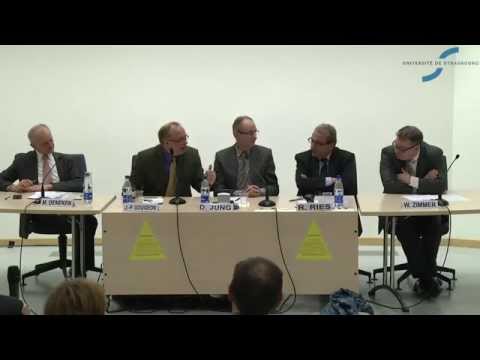 Conférence-débat: La citoyenneté peut-elle être enseignée? Année de publication: 2015 Auteur institutionnel: University of Strasbourg À l'initiative de la Faculté de droit, de sciences politiques et de gestion, cette conférence/débat réunit : Roland Ries, maire de Strasbourg ; Jacques-Pierre Gougeon, recteur de l'académie de Strasbourg, chancelier des universités ; Michel Deneken, 1er vice-président de l'Université de Strasbourg ; Willy Zimmer, professeur de droit public ; Dominique Jung, rédacteur en chef des Dernières nouvelles d’Alsace (modérateur).
  Equity and Inclusion in Education in Asia Pacific: Building Back Better and More Equal; Policy Brief Année de publication: 2022 Auteur institutionnel: UNESCO Bangkok Following the commitment to ensure “inclusive and equitable quality education” and promote “lifelong learning for all” made in 2015 in Goal 4 of the United Nations 2030 Agenda for Sustainable Development (UNESCO, 2015), the Asia-Pacific region made significant progress in terms of both access to, and the quality of, education. However, as the mid-point to the 2030 deadline approaches, millions of learners have failed to learn what they need to reach their fullest potential, producing a “learning crisis” of serious proportions. This learning crisis, however, does not affect all learners equally. Those affected most include (1) children coming from disadvantaged, marginalised families and communities – those living in poverty and in rural and remote areas and from non-dominant language groups, lower castes, and refugee and migrant families; (2) vulnerable children – girls (and sometimes boys) facing gender barriers, children with developmental delays and disabilities, and those perceived and stigmatised as gender-nonconforming or LGBTI , and (3) children and adolescents who have never been to school or were pushed out of school early. Among these groups, the impact of the pandemic has led to even greater learning loss. Thus, a framework for “building back better and more equal” needs to be at the heart of sustainable postpandemic education recovery and transformation of the education system. This post-pandemic framework calls for decisive action to protect the right to education of good quality and for measures – as spelled out below – to improve learning outcomes, especially for marginalized children made more vulnerable because of the pandemic.
  International Conference on Global Citizenship Education and International Solidarity Année de publication: 2022 Auteur institutionnel: Quebec Association of International Cooperation Organizations (AQOCI) This material aims to share practices and reflections on education for global and solidarity citizenship. The conference was initiated by the international committee of the Festival des Solidarités (Festisol) and led by AQOCI (Quebec Association of International Cooperation Organizations). Conférence internationale sur l'Éducation à la citoyenneté mondiale et la solidarité internationale Année de publication: 2022 Auteur institutionnel: Association québécoise des organismes de coopération internationale (AQOCI) Cette vidéo est pour traiter des diverses dimensions de la pauvreté ainsi que de ce qui peut être fait pour s'attaquer aux causes de la pauvreté. Partage de pratiques et de réflexions sur l'éducation à la citoyenneté mondiale et solidaire. Conférence initiée par le comité international du Festival des Solidarités (Festisol) et animée par l'AQOCI (Association québécoise des organismes de coopération internationale).
 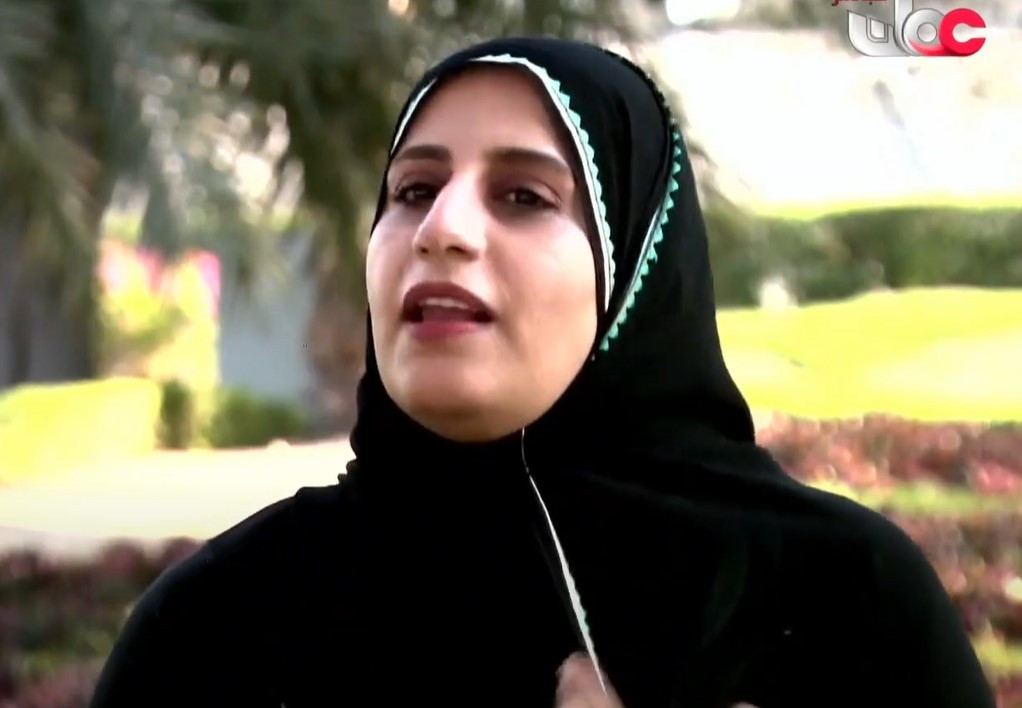 التنمر الإلكتروني Année de publication: 2021 Auteur: Amani Albalushi Auteur institutionnel: Oman TV الفيديو عبارة عن مقابلة تلفزيونه مع مختصة عن التنمر اللإلكتروني. تحدثت الضيفة عن مظاهر وأسباب التنمر الالكتروني. واختممت بالحديث عن الحلول الممكنة للتنمر الإلكتروني. Cyberbullying Année de publication: 2021 Auteur: Amani Albalushi Auteur institutionnel: Oman TV The video is a TV interview with a specialist on cyberbullying. The interviewee talked about the manifestations and causes of electronic bullying. She concluded by talking about possible solutions to cyberbullying.
  National Report on the State and Development of the Education System of the Republic of Kazakhstan Année de publication: 2021 Auteur institutionnel: Kazakhstan. Ministry of Education and Science The purpose of the National Report is to provide the public and state agencies with objective and reliable information about the state and development of the education system. The national report is based on the statistical data of the administrative reporting of the Ministry of Education and Science and international organizations. Национальный доклад о состоянии и развитии системы образования республики Казахстан Année de publication: 2021 Auteur institutionnel: Kazakhstan. Ministry of Education and Science Цель Национального доклада – обеспечение населения, государственных органов объективной и достоверной информацией о состоянии и развитии системы образования. Национальный доклад базируется на статистических данных административной отчетности МОН РК и международных организаций.
  تعليم المهارات الحياتية والمواطنة في الشرق الأوسط وشمال أفريقيا Année de publication: 2016 Auteur institutionnel: UNICEF Middle East and North Africa يستدعي وضع التعلم في منطقة الشرق الأوسط وشمال إفريقيا رؤية تعليم شاملة ومستمرة مدى الحياة وقائمة على الحقوق، ومن شأنها أن تزيد من قدرات جميع الأطفال والشباب في المنطقة. يهدف إطار العمل إلى تزويدهم بشكل أفضل لإنتاج معنى من المعرفة ولمواجهة التحولات من مرحلة الطفولة للبلوغ، ومن مرحلة التعليم للعمل، ومن التنمية غير المدروسة للمواطنة المسؤولة والفعالة.الأمر الذي يدفع مبادرة تعليم المهارات الحياتية والمواطنة (LSCE) في منطقة الشرق الأوسط وشمال إفريقيا ، التي انطلقت خلال عام 2015 بهدف دعم بلدان المنطقة - من الناحية المفاهيمية والبرنامجية والفنية - لتحسين التعلم واستثمار هذا التعلم بشكل أفضل في الفرد والمجتمع والتنمية الاقتصادية.وقد تم تحديد مجموعة تتكون من اثنتي عشر مهارة حياتية رئيسة - وهي الأكثر أهمية في السياق الإقليمي- باستخدام نموذج التعلم رباعي الأبعاد: “التعلم أن تعرف” (البعد المعرفي) و”التعلم أن تفعل” (البعد الأدواتي)، و”التعلم أن تكون” (البعد الفردي)و”التعلم من أجل العيش معًا” (بُعد التعلم الاجتماعي والمواطنة).تدوم المهارات الحياتية الاثني عشر الأساسية مدى الحياة وتعتمد على الأدلة التي تؤكد أهمية اكتساب المهارات في سن مبكرة. علاوة على ذلك، يتم اكتساب المهارات الحياتية الأساسية الاثني عشر واستدامتها من خلال جميع أشكال التعلم في النظم التي تعترف بمسارات متعددة للتعلم، رسمية وغير رسمية. Teaching Life Skills and Citizenship in the Middle East and North Africa Année de publication: 2016 Auteur institutionnel: UNICEF Middle East and North Africa The situation of learning in MENA calls for a holistic, lifelong and rights-based vision of education that maximizes the potential of all children and youth in the region and better equips them to create meaning out of knowledge and to face the transitions from childhood to adulthood, from education to work, and from unreflective development to responsible and active citizenship. This is what drives the MENA Life Skills and Citizenship Education (LSCE) Initiative, kicked off in 2015 with the aim of supporting the countries of the region – conceptually, programmatically and technically – to improve learning and to better invest such learning in individual, social and economic development.A set of twelve core life skills for MENA has been identified using the four-dimensional learning model: ‘Learning to Know’ (Cognitive Dimension), ‘Learning to Do’ (Instrumental Dimension), ‘Learning to Be’ (Individual Dimension), and ‘Learning to Live Together’ (Social Dimension). The twelve core life skills are life-long and build on evidence that underlines the importance of skills acquisition from an early age. Furthermore, the twelve core life skills are acquired and sustained through all forms of learning in a systems approach that recognizes multiple pathways of learning, formal, non-formal and informal.