
Ressources
Explorez une large gamme de ressources sur le GCED afin d’approfondir votre compréhension et de renforcer vos activités de recherche, de plaidoyer, d’enseignement et d’apprentissage.
1,726 résultats trouvés
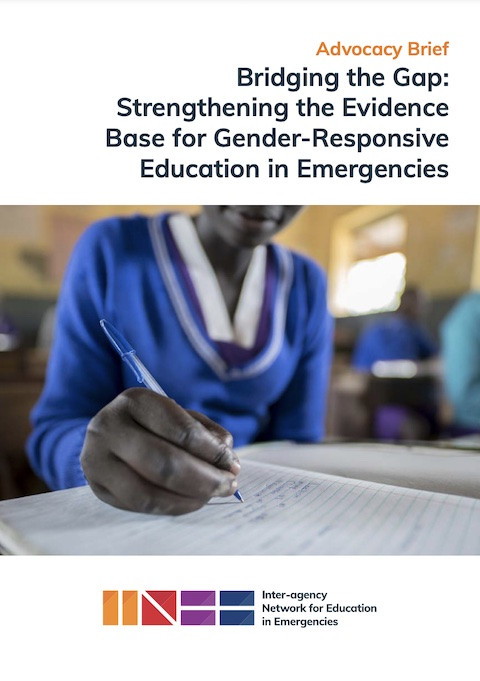 Bridging the Gap: Strengthening the Evidence Base for Gender-Responsive Education in Emergencies Année de publication: 2022 Auteur: Lauren Gerken | Sumbal Bashir Auteur institutionnel: Inter-agency Network for Education in Emergencies (INEE) This brief was developed by the INEE Gender Task Team in response to global calls for more and better data and evidence on gender-responsive EiE. The brief draws from findings of the 2021 and 2022 editions of the INEE Mind the Gap report on the state of girls’ education in emergencies, and from consultations with gender and education experts.The objectives of this brief are: To highlight key gaps in the evidence base on gender and EiE To provide strategic guidance and thematic content for new research initiatives focused on gender and EiE To promote collaborative action and knowledge-sharing among key actors working on gender and EiE
 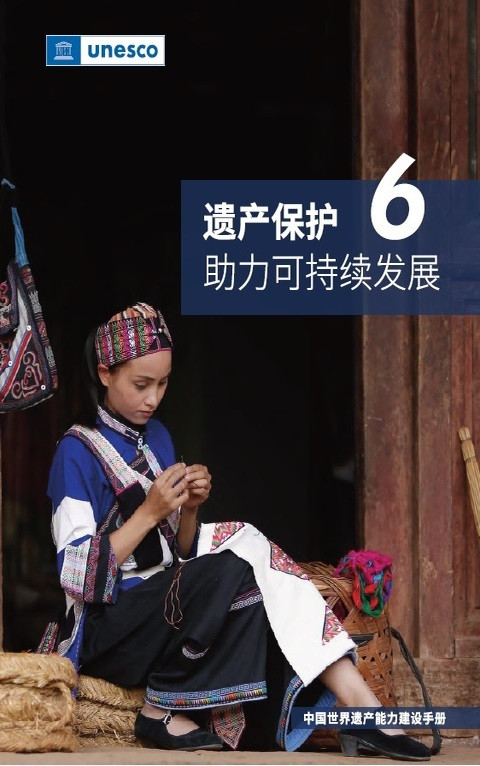 Inheritage Conservation Facilitating Sustainable Development Année de publication: 2021 Auteur: Yanxia LI | Gang Zhao | Ai Zhong | Ping Kong Auteur institutionnel: UNESCO Beijing The document presents international and Chinese policies for heritage conservation and sustainable development, summarising in case studies the enormous potential of culture to eradicate poverty, promote gender equality, foster economic growth and employment, enhance the resilience of World Heritage sites, and promote rural revitalisation.
 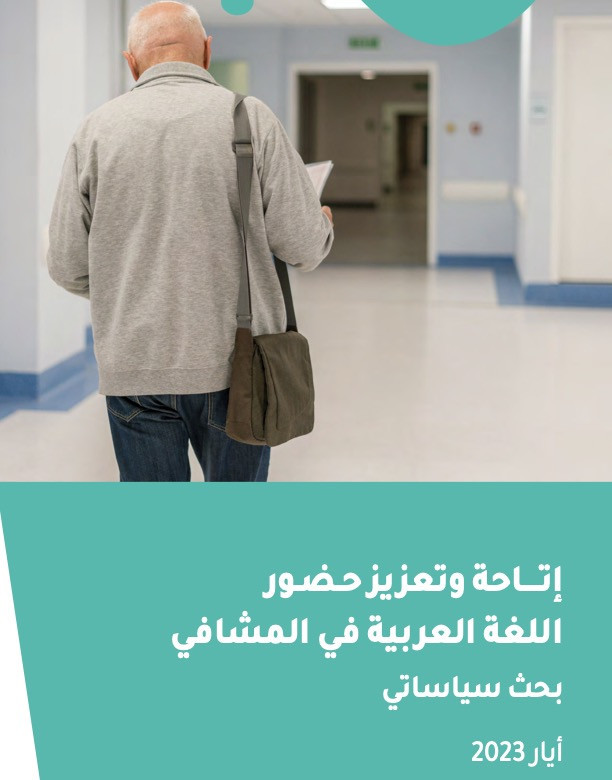 إتاحة وتعزيز حضور اللغة العربية في المشافي Année de publication: 2023 Auteur: لوريا دلة، خلود إدريس، عيدان رينغميخال شوستر، لوريا دلة يشكل الحيز العام في إسرائيل نقطة التقاء بين المواطنين العرب واليهود. يشمل هذا الحيز مؤسسات ّصحية، مؤسسات للتعليم العالي، مؤسسات ثقافية وفنية وغيرها. حضور اللغة العربية في الحيز العام ضروري من أجل تمكين المواطنين العرب من تحصيل حقهم الأساسي في الحصول على معلومات واضحة وموثوقة بلغتهم الأم، غياب اللغة العربية عن هذا الحيز وحضورها الجزئي أو المنقوص يحملن رسالة ضمنية مفادها إقصاء وتجاهل المواطنين العرب. المشافي هي جزء بالغ األهمية من الحيز العام، وذلك لأنها مؤتمنة على حماية الحقوق الأساسية – الحق في الحياة والحق في الصحة. إلى جانب خدماتها الحيوية، تدرج المشافي ضمن مراكز التشغيل الرئيسية في المجتمع العربي، بحيث ّ تشغل أطباء، معالجين وكوادر مهنية عديدة أخرى . لذلك، فإن ّ تعزيز حضور اللغة العربية في المؤسسات الصحية قد يساهم بشكل كبير في تعميم وترسيخ قيم الحياة المشتركة وبناء مجتمع مشترك في إسرائيل. أولت وزارة الصحة هذا الموضوع أهمية قصوى في منشور المدير العام لسنة 2011 حيث تحدد ״وجوب ملاءمة للافتات في المؤسسات الصحية للتركيبة اللغوية للشرائح السكانية الرئيسية ّ التي تتلقى الخدمات في هذه المؤسسات.تُتاح اللافتات، قدر المستطاع، بثلاث لغات: العبرية، العربية واإلنجليزية״.تؤمن جمعية ״سيكوي-أفق״ بأنه في إطار الرعاية الصحية، يتعين على وزارة الصحة والمشافي أيضا تحمل المسؤولية حيال خلق حيّزٍ متكافئ ومشترك يحتوي المواطنين العرب ولغتهم.يهــدف هــذا البحــث إلــى مســح وتقييــم مســتوى حضــور اللغــة العربيــة فــي المشــافي. أجــري المســح فــي مطلــع عــام 2022 فــي 12 مشــفى فــي مختلــف أنحــاء البــالد، حيــث أجــري مسح لمــدى حضــور اللغــة العربيــة فــي أنــواع اللافتــات المختلفــة فــي المســارات التــي يرتادهــا أكبــر عـدد مـن الـزوار داخـل حيـز المشـفى: لافتـات الطـوارئ، اللافتـات التحذيريـة، لافتـات التوجيهـات والمحظــورات ولافتــات التوجيــه وتســهيل التنقــل.النتائـج والعوائـق التـي توصلنـا إليهـا فـي عمليـة المسـح موثقـة فـي الورقـة الكاملـة، إلـى جانـب سلسـلة توصيـات تسـاهم فـي تحسـين الوضـع، وهـي موجهـة لـوزارة الصحـة وللمشـافي. إتاحة وتعزيز حضور اللغة العربية في المشافي Année de publication: 2023 Auteur: لوريا دلة، خلود إدريس، عيدان رينغميخال شوستر، لوريا دلة Public space in Israel constitutes a meeting point between Arab and Jewish citizens. This space includes health institutions, higher education institutions, cultural and artistic institutions, and others. The presence of the Arabic language in the public sphere is necessary in order to enable Arab citizens to achieve their basic right to obtain clear and reliable information in their mother tongue. The absence of the Arabic language from this sphere and its partial or incomplete presence carries an implicit message of exclusion and neglect of Arab citizens. Hospitals are an extremely important part of the public space, because they are entrusted with the protection of basic rights – the right to life and the right to health. In addition to their vital services, hospitals are among the main employment centers in Arab society, employing doctors, therapists and many other professional staff. Therefore, enhancing the presence of the Arabic language in health institutions may contribute significantly to disseminating and consolidating the values of common life and building a common society in Israel. The Ministry of Health gave this issue utmost importance in the Director-General’s Circular of 2011, specifying that “signage in health institutions must be compatible with the linguistic composition of the main population segments that receive services in these institutions.”Wherever possible, signs are available in three languages: Hebrew, Arabic and English.The “Sikkuy-Ofoq” association believes that within the framework of health care, the Ministry of Health and hospitals must also bear responsibility for creating an equal and shared space that includes Arab citizens and their language.This research aims to survey and evaluate the level of Arabic language presence in hospitals. The survey was conducted at the beginning of 2022 in 12 hospitals in various parts of the country, where a survey was conducted to determine the extent of the presence of the Arabic language in the different types of signage on the paths frequented by the largest number of visitors within the hospital space. Emergency signs, warning signs, directions and prohibitions signs, and signs to direct and facilitate movement. .The results and obstacles that we reached in the survey process are documented in the full paper, along with a series of recommendations that contribute to improving the situation, and they are directed to the Ministry of Health and hospitals.
  تقييم فعالية الدبلوماسية الرقمية في بناء العلاقات مع الجمهور من منظور العلاقات العامة الدولية دراسة حالة لاستخدام بعثة المملكة العربية السعودية الدبلوماسية لدى الولايات المتحدة والمملكة المتحدة لموقع تويتر Année de publication: 2023 Auteur: Musab Falih Al-Hasbi في العقد الأخير إزداد استخدام أدوات الدبلوماسية الرقمية ، واقترن ذلك باهتمام بحثي واضح بدراسة كافة الموضوعات المرتبطة بتوصيف وتحليل حدود الاعتماد عليها في التأثير على صورة الدولة والرأي العام الخارجي، وعلى الرغم من ذلك هناك حاجة ماسة إلى مزيد من الدراسات التي تحاول البحث بشكل أعمق في آليات وديناميات هذه المنصات الرقمية وحدود استخداماتها في مجال الدبلوماسية الرقمية. وفي هذا السياق، تسعى الدراسة الحالية إلى تقييم فعالية الدبلوماسية الرقمية في بناء العلاقات مع الجمهور من منظور العلاقات العامة الدولية، وذلك من خلال رصد وتحليل جهود البعثة الدبلوماسية للمملكة العربية السعودية في كل من الولايات المتحدة والمملكة المتحدة عبر تويتر. وقد اعتمدت الدراسة على مدخل نظري يشرح تطور مفهوم الدبلوماسية الرقمية ووظائفها المختلفة، في إطار الرؤية التي طرحها الباحثان Dodd & Collins في شكل نموذج يوضح وظائف الدبلوماسية الرقمية عبر منصات التواصل الاجتماعي، وتعد الدراسة الحالية من الدراسات الوصفية التي اعتمدت على منهج دراسة الحالة وأداة تحليل المضمون، من خلال تحليل مضمون التغريدات والتي بلغ عددها (1181) تغريدة مقسمة إلى (730) تغريدة نشرت عبر الحساب الرسمي لبعثة المملكة العربية السعودية لدى الولايات المتحدة عبر تويتر، وكذلك (451) تغريدة نشرت عبر الحساب الرسمي لبعثة المملكة العربية السعودية لدى المملكة المتحدة. وقد خرجت الدراسة بالعديد من النتائج أهمها ارتباط أهداف الدبلوماسية الرقمية السعودية عبر سياسة نشر التغريدات بعدة أهداف أبرزها الترويج لرؤية المملكة العربية السعودية 2030 في مجالات السياحة والاقتصاد والطاقة، حيث جاء هذا الهدف في الترتيب الأول بين أهداف اتصالات الدبلوماسية الرقمية لبعثة المملكة العربية السعودية لدى كل من الولايات المتحدة والمملكة المتحدة، ثم دعم الصورة الإنسانية للمملكة العربية السعودية"، وكذلك الإقناع بوجهة نظر المملكة في القضايا المختلفة ( الدفاع عن مواقف الدولة) ، هذا بالإضافة إلى مشاركة الأحداث الوطنية المختلفة مع المواطنين المقيمين والأجانب" والتعبير عن الهوية الثقافية والخصوصية الحضارية للمملكة. ومن خلال تحليل تعليقات المستخدمين اتضح ارتباط صورة المملكة العربية السعودية لديهم بأنها دولة قوية وصاحبة رؤية وتخطط للمستقبل، كما أن لديها بعد إنساني في التعامل مع القضايا التي تخص الدول التي يعاني مواطنوها من صراعات وحروب، كما أنها تمتلك خصوصية ثقافية وهي دولة منفتحة على الأخرين ومتصلة بمواطنيها، وقد وظف المستخدمون عدة مفردات للدلالة على هذه الصورة.
 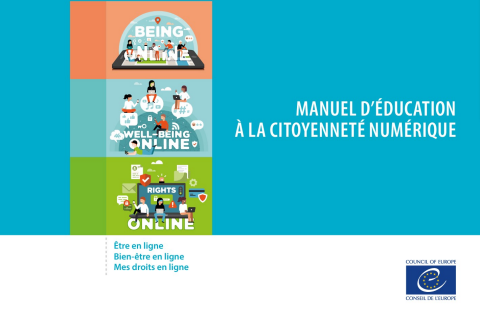 Manuel d'éducation à la citoyenneté Numérique Année de publication: 2020 Auteur: Janice Richardson | Elizabeth Milovidov Auteur institutionnel: Conseil de l'Europe Le manuel se divise en trois chapitres:Chapitre 1: Être en ligne – Quels sont nos modes d’action et d’existence en ligne? Ce chapitre propose une réponse en trois thèmes: accès et inclusion, apprentissage et créativité, éducation aux médias et à l’information.Chapitre 2: Bien-être en ligne – Comment nous sentons-nous en ligne? La réponse se décline là encore en trois thèmes: éthique et empathie, santé et bien-être, présence et communications en ligne.Chapitre 3: Mes droits en ligne – Qui rend compte de quoi sur internet ?Ce chapitre aborde quatre derniers thèmes: participation active, droits etresponsabilités, vie privée et sécurité, sensibilisation des consommateurs. The manual is divided into three chapters: Chapter 1: Being online - How do we act and exist online? This chapter proposes a response in three themes: access and inclusion, learning and creativity, media and information literacy. Chapter 2: Online well-being - How do we feel online? Again, the answer is divided into three themes: ethics and empathy, health and well-being, online presence and communications. Chapter 3: My rights online - Who is accountable for what online? This chapter covers four final themes: active participation, rights and responsibilities, privacy and security, and awareness.
  العنف ضد الأطفال في المجتمع السعودي دراسة اجتماعية من واقع إحصاءات الجمعية الوطنية لحقوق الإنسان Année de publication: 2020 Auteur: Dr. Faisal bin Abdullah Al-Ruwais The study aimed to identify the reality of violence against children in Saudi society by determining the extent of violence against children by region, identifying patterns of violence against children according to the type of abuse they are exposed to, and identifying the children most exposed to violence by gender, in addition to revealing The most common family members commit violence against children, based on statistics from the National Society for Human Rights. This study is a descriptive and analytical study. The qualitative approach was used by using the content analysis method for the total statistical data for the period from 2014-2018 AD. It has become clear from the statistical data: that the highest percentage of violence against children over the five years occurred in the Riyadh region, followed by the Makkah Al-Mukarramah region, then the Medina region, and that the highest types of abuse to which children are exposed is physical abuse, then deprivation of education, then deprivation of Identification documents indicate that the highest degree of violence against children was committed against females, then males, and that the family member who committed the most violence against children was the father, then the mother, then the stepmother.
  بناء مجتمعات المعرفة في المنطقة العربية: اللغة العربية بوابة للمعرفة Année de publication: 2019 Auteur institutionnel: UNESCO Cairo بناء اقتصادات ومجتمعات المعرفة هدف معلن في المنطقة العربية. فمعظم الخطط التنموية في الدول العربية تدعو وبوضوح للعمل على إنتاج، ونقل، وتوطين، وتسخير المعرفة في مختلف الحقول خدمة لمآرب التنمية ا إ لنسانية المستدامة.وللغة العربية دور مهم في هذه العملية التنموية ا أ لساسية، حيث إن إنتاج المعارف واستيعابها ونقلها يكون أكثر فاعلية وأوسع انتشارًا باستخدام اللغة ا أ لم. ولا بد لنا هنا من الوقوف على السؤال ا أ لساسي التالي: إلى أي مدى تشكّل اللغة العربية اليوم بوابة حقيقية للمعرفة في المنطقة العربية؟يسعى هذا التقرير، الذي أعدّته ثلة من الخبراء العرب المميزين وبإدارة وتنسيق من مكتب اليونسكو ا إ لقليمي للعلوم في الدول العربية، إلى البحث في هذا السؤال المركزي من خلال مراجعة وتقييم حال المعرفة في المنطقة العربية من جهة، وإلى تحليل دور اللغة العربية في عمليات إقامة مجتمعات واقتصادات المعرفة في المنطقة العربية من جهة أخرى. ويتناول القسم العام من التقرير قضية المعرفة واللغة على المستوى ا إ لقليمي العربي. كما يتميّز التقرير ببحوث ميدانية تمّت في ثلاث دول عربية )هي السعودية ومصر والمغرب( تدرس حال المعرفة واللغة العربية في تلك البلدان، وتعكس، إلى حد ما، الحال في المناطق العربية الفرعية التي تنتمي إليها." Building Knowledge Societies in the Arab Region: Arabic Language as a Gateway to Knowledge Année de publication: 2019 Auteur institutionnel: UNESCO Cairo Building knowledge economies and societies is a professed objective in the Arab region. Most of the development plans in the Arab states clearly call for action to produce, transfer, localise and harness knowledge in various fields, in service of the sustainable human development goals. The Arabic language has an important role to play in this key development process, as the production, assimilation and dissemination of knowledge is more effective and more widely spread when the mother tongue is used. Hereupon, a fundamental question must be addressed: To what extent does the Arabic language today constitute a true gateway to knowledge in the Arab region?This report, prepared by a group of distinguished Arab experts, under supervision and coordination of the UNESCO Regional Bureau for Sciences in the Arab States, seeks to research this central question by reviewing and evaluating the state of knowledge in the Arab region on the one hand, and analysing the role of the Arabic language in the processes of establishing knowledge societies and economies in the Arab region on the other. The general section of the report addresses the question of knowledge and language at the Arab regional level. It also features field research conducted in three Arab states (Saudi Arabia, Egypt and Morocco), that examines the state of knowledge and the Arabic language in those states, and to a certain extent, reflects the situation in the Arab sub-regions to which they belong. Construire les sociétés du savoir dans la région arabe: le rôle de la langue arabe en tant que portail du savoir Année de publication: 2019 Auteur institutionnel: UNESCO Cairo La construction des économies et des sociétés du savoir est un objectif déclaré dans la région arabe. La plupart des plans de développement dans les pays arabes appellent clairement à des actions pour produire, transférer, localiser et exploiter des connaissances dans divers domaines au service des objectifs de développement humain durable. La langue arabe a un rôle important à jouer dans ce processus fondamental de développement, car la production, l’assimilation et la diffusion de connaissances sont plus efficaces et plus répandues lorsque la langue maternelle est utilisée. Là-dessus, une question fondamentale devrait être posée : dans quelle mesure la langue arabe constitue-t-elle aujourd’hui un vrai point d’accès au savoir dans la région arabe ?Ce rapport, préparé par un groupe d’éminents experts arabes, sous la supervision et la coordination du Bureau régional de l’UNESCO pour les sciences dans les États arabes, cherche à étudier cette question centrale en examinant et en évaluant la situation de connaissances dans la région arabe d’une part, et en analysant le rôle de la langue arabe dans les processus d’instauration des sociétés et d’économies du savoir dans la région arabe, d’autre part. La section générale du rapport aborde la question de connaissances et de la langue dans la région arabe. Il présente également des recherches de terrain menées dans trois pays arabes (l’Arabie saoudite, l’Égypte et le Maroc), ces recherches examinent la situation de connaissances et de la langue arabe dans ces États et reflètant, en quelque sorte, la situation dans les sous-régions arabes dans lesquelles elles étaient menées.