
Ressources
Explorez une large gamme de ressources sur le GCED afin d’approfondir votre compréhension et de renforcer vos activités de recherche, de plaidoyer, d’enseignement et d’apprentissage.
72 résultats trouvés
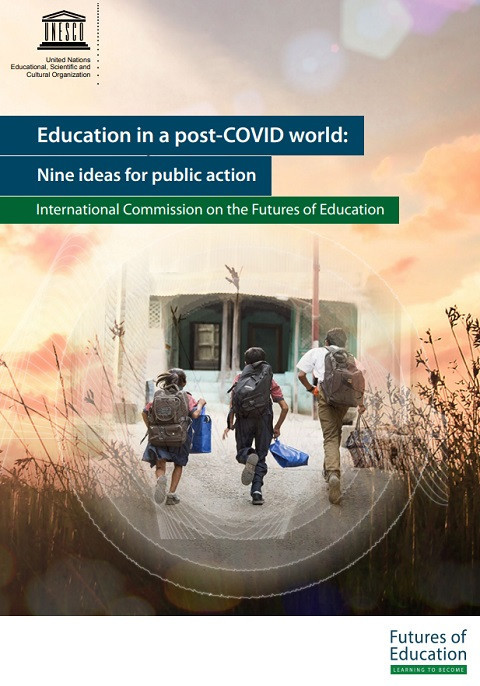 La educación en un mundo tras la COVID: Nueve ideas para la acción pública Année de publication: 2020 Auteur institutionnel: UNESCO Las decisiones que se tomen en este momento en el contexto de la pandemia de COVID-19 tendrán consecuencias a largo plazo para los futuros de la educación. En este informe, la Comisión internacional sobre Los futuros de la educación presenta nueve ideas clave para sortear la crisis de la COVID-19 y sus secuelas, partiendo de la premisa de que debemos basarnos en los principios básicos y en los puntos fuertes con los que ya contamos al enfrentarnos a una perturbación sin precedentes de las economías, las sociedades y los sistemas de educación. En la renovación y el replanteamiento de la educación se debe otorgar prioridad a la interacción y el bienestar humanos. Esto ha de ir también acompañado de un compromiso con una solidaridad mundial que no acepte los niveles de desigualdad que se ha dejado surgir en el mundo contemporáneo. L’éducation dans un monde post-Covid: Neuf idées pour l’action publique Année de publication: 2020 Auteur institutionnel: UNESCO Les décisions prises aujourd’hui dans le cadre de la pandémie du Covid-19 auront des conséquences à long terme sur les futurs de l’éducation. Dans ce rapport, la Commission internationale sur Les futurs de l’éducation présente neuf idées essentielles pour dépasser la crise de Covid-19 et appréhender ses répercussions. Rapport dans lequel elle affirme également que nous devons nous appuyer sur des principes fondamentaux et des atouts connus alors que nous sommes confrontés à des perturbations sans précédent des économies, des sociétés et des systèmes éducatifs. Dans le renouvellement et le réaménagement de l’éducation, la priorité doit être donnée à l’interaction humaine et au bien-être. Cela doit également s’accompagner d’un engagement en faveur d’une solidarité mondiale qui refuse les niveaux d’inégalité qui caractérisent le monde actuel. Образование в мире, пережившем пандемию COVID-19: Девять идей для коллективных действий Année de publication: 2020 Auteur institutionnel: UNESCO Решения, принимаемые сегодня в контексте пандемии Covid-19, будут иметь долгосрочные последствия для будущего образования. В этом докладе Международная комиссия по перспективам образования представляет девять ключевых идей для преодоления вызванного пандемией COVID-19 кризиса и его последствий, будучи убеждена в том, что в этот период беспрецедентных потрясений, затронувших экономику, общество и системы образования, мы должны опираться на основополагающие принципы и известные нам преимущества. В ходе обновления и переосмысления системы образования первоочередное внимание должно уделяться человеческим взаимоотношениям и благополучию. Необходима также приверженность глобальной солидарности, которая не будет мириться со сложившимися в современном мире показателями неравенства. 后疫情世界的教育: 推进公共行动的九个构想 “教育的未来”国际委员会 Année de publication: 2020 Auteur institutionnel: UNESCO 在冠状病毒病(Covid-19)疫情背景的当下作出的决定,将对教育的未来产生深远的影响。在本报告中,“教育的未来”国际委员会提出了应对Covid-19危机及其后果的九个关键构想。报告认为,当面临经济、社会以及教育体系遭到前所未有破坏的情况时,我们必须坚持核心原则,继续发挥固有优势。在振兴和重塑教育时,必须优先考虑人际互动和人的福祉问题。同时,还必须致力于全球团结,不能接受当今世界出现如此程度的不平等。
  Guía para el uso de IA generativa en educación e investigación Année de publication: 2023 Auteur: Fengchun Miao | Wayne Holmes Auteur institutionnel: UNESCO Esta guía apunta a apoyar la planificación de regulaciones, políticas y programas de desarrollo de capacidades humanas apropiados para garantizar que la lAGen se convierta en una herramienta que genuinamente beneficie y empodere a docentes, estudiantes e investigadores. Explica las técnicas de IA utilizadas por la lAGen y elabora una lista de modelos de GPT puestos a disposición del público, especialmente aquellos con licencias de código abierto. También abre un debate sobre el surgimiento de EdGPT: los modelos de lAGen entrenados con datos específicos para servir a fines educativos. Además, resume algunas de las controversias clave en torno a la lAGen, desde el empeoramiento de la pobreza digital a la homogeneización de opiniones, y desde los más profundos deepfakes a cuestiones de derechos de autor. Con base en una visión humanista, la guía sugiere pasos clave para la regulación de las herramientas de lAGen, que incluyen la obligación de proteger la privacidad de los datos y el establecimiento de un límite de edad para las conversaciones independientes con las plataformas de lAGen. Para guiar el uso adecuado de las herramientas en la educación y la investigación, esta guía propone un enfoque humano-agente y adecuado a la edad para los procesos de validación ética y diseño pedagógico. Orientations pour l’intelligence artificielle générative dans l’éducation et la recherche Année de publication: 2023 Auteur: Fengchun Miao | Wayne Holmes Auteur institutionnel: UNESCO Ces recommandations ont pour objectif de soutenir l'élaboration de réglementations, de politiques et de programmes visant à développer les capacités humaines, dans le but de garantir que l'intelligence artificielle générative (GenAI) devienne un outil qui profite réellement aux enseignants, aux apprenants et aux chercheurs et leur donne les moyens d'agir. Il explique les techniques d'IA utilisées par la GenAI et dresse une liste des modèles de GPT qui sont mis à la disposition auprès du public, en particulier ceux qui font l'objet d'une licence à source ouverte. Il ouvre également une discussion sur l'émergence de l'EdGPT - les modèles GenAI qui sont entraînés avec des données spécifiques pour se mettre au service des objectifs dans le domaine de l'éducation. En outre, il résume certaines des principales controverses formées autour de l'IA générative, de l'aggravation de la pauvreté numérique à l'homogénéisation des opinions, en passant par les trucages (deepfakes) et les questions liées aux droits d'auteur. Fondé sur une vision humaniste, le présent document propose des étapes-clefs pour la réglementation des outils de la GenAI, notamment en rendant obligatoire la protection de la confidentialité des données et en fixant une limite d'âge pour les conversations autonomes avec les plateformes de la GenAI. Pour accompagner l'utilisation pertinente des outils dans l'éducation et la recherche, ce guide propose une approche holistique et adaptée à tout âge pour les processus de validation éthique et de conception pédagogique. Руководство по использованию генеративного искусственного интеллекта в образовании и научных исследованиях Année de publication: 2023 Auteur: Fengchun Miao | Wayne Holmes Auteur institutionnel: UNESCO Данное руководство направлено на поддержку разработки соответствующих правил, политик и программ развития человеческого потенциала с целью обеспечения того, чтобы генеративный искусственный интеллект (ИИ) стал инструментом, действительно приносящим пользу и расширяющим возможности учителей, учащихся и исследова телей. В нем объясняются методы искусственного интеллекта, используемые в генеративном ИИ, а также приводится список моделей СРТ, которые становятся общедоступными, особенно модели с открытым исходным кодом. Руководство также открывает обсуждение о появлении ЕсІСРТ - моделей генеративного ИИ, обученных на конкретных данных для образовательных целей. Кроме того, в нем суммируются некоторые ключевые противоречия вокруг генеративного ИИ - от ухудшения цифрового неравенства до гомогенизации мнений, от более сложных дипфейков до вопросов авторского права. Исходя из гуманистического подхода, руководство предлагает ключевые шаги по регулированию инструментов генеративного ИИ, включая обязательную защиту конфиденциальности данных и установку возрастных ограничений для самостоятельного взаимодействия с платформами генеративного ИИ. Для обеспечения правильного использования инструментов в сфере образования и исследований, в руководстве затронуты вопросы этики и проектирования педагогического процесса и заложен подход, ориентированный на человека и учитывающий возрастные особенности. ارشادات استخدام الذكاء الاصطناعي التوليدي في التعليم والبحث Année de publication: 2023 Auteur: Fengchun Miao | Wayne Holmes Auteur institutionnel: UNESCO تهدف هذه الإرشادات إلى دعم تخطيط اللوائح والسياسات وبرامج تنمية القدرات البشرية المناسبة ً لضمان أن يصبح الذكاء الاصطناعي التوليدي أداة تفيد المعلمين والمتعلمين والباحثين وتمكنهم حقا. وهو يشرح تقنيات الذكاء الاصطناعي التي يستخدمها الذكاء الاصطناعي التوليدي ويرسم قائمة بنماذج ً المحولات التوليدية المدربة مسبقا المتاحة للجمهور، خاصة تلك التي تخضع لترخيص مفتوح المصدر. كما ً ً حول ظهور نماذج المحولات التوليدية التعليمية المدربة مسبقا - التي يتم تدريبها باستخدام يفتح نقاشا بيانات محددة لخدمة الأغراض التعليمية. علاوة على ذلك، فهو يلخص بعض الخلافات الرئيسية حول ً الذكاء الاصطناعي التوليدي، بدءا من تفاقم الفقر الرقمي إلى تجانس ً الآراء، ومن التزييف العميق إلى قضايا حقوق الطبع والنشر. واستنادا إلى رؤية إنسانية، تقترح الإرشادات خطوات أساسية لتنظيم أدوات الذكاء الاصطناعي التوليدي، بما في ذلك فرض حماية خصوصية البيانات ووضع حد عمري للمحادثات المستقلة مع منصات الذكاء الاصطناعي التوليدي. ً لتوجيه الاستخدام السليم للأدوات في التعليم والبحث، تقترح هذه الإرشادات نهج ً ا مناسبا للعامل البشري والعمر للتحقق من الصحة الأخلاقية وعمليات التصميم التربوي. Guidance for Generative AI in Education and Research Année de publication: 2023 Auteur: Fengchun Miao | Wayne Holmes Auteur institutionnel: UNESCO This Guidance aims to support the planning of appropriate regulations, policies and human capacity development programmes to ensure that generative artificial intelligence (GenAI) becomes a tool that genuinely benefits and empowers teachers, learners and researchers. It explains the Al techniques used by GenAI and maps out a list of GPT models that are made publicly available, especially those under open-source licences. It also opens a discussion on the emergence of EdGPT - GenAI models that are trained with specific data to serve educational purposes. Furthermore, it summarizes some of the key controversies around GenAI, from worsening digital poverty to the homogenization of opinions, and from deeper deepfakes to issues of copyright. Based on a humanistic vision, the Guidance proposes key steps for the regulation of GenAI tools, including mandating the protection of data privacy and setting an age limit for independent conversations with GenAI platforms. To guide the proper use of the tools in education and research, this Guidance proposes a human-agent and age-appropriate approach to the ethical validation and pedagogical design processes.
  المؤتمر العالمي لرعاية وتعليم الطفولة المبكرة: إعلان طشقند والتزامات العمل لتحويل رعاية وتعليم الطفولة المبكرة، 16 نوفمبر 2022 Année de publication: 2022 Auteur institutionnel: منظمة الأمم المتحدة للتربية والعلم والثقافة (UNESCO) من 14 إلى 16 نوفمبر 2022، تم عقد المؤتمر العالمي الثاني لرعاية وتعليم الطفولة المبكرة في طشقند في أوزبكستان. اجتمع أكثر من 2600 مشارك في المؤتمر من 147 دولة عضو، بما فيها الوزراء وشركاء التنمية والممارسين والعلماء والمجتمع المدني والمنظمات الخاصة، لإعادة التأكيد على حق كل طفل في تنمية الطفولة المبكرة والرعاية والتعليم الجيد.يحدد إعلان طشقند والتزامات العمل لتحويل رعاية وتعليم الطفولة المبكرة المبادئ التوجيهية والاستراتيجيات اللازمة للتحول العاجل لرعاية وتعليم الطفولة المبكرة لتسريع تحقيق الهدف 4.2 من أهداف التنمية المستدامة، والإجراءات الملموسة للدول الأعضاء والمجتمع الدولي والمنظمات غير الحكومية واليونسكو التي يجب مراقبتها ومراجعتها وتقييمها بانتظام.