
Ressources
Explorez une large gamme de ressources sur le GCED afin d’approfondir votre compréhension et de renforcer vos activités de recherche, de plaidoyer, d’enseignement et d’apprentissage.
2,781 résultats trouvés
 Bonjourjesuis Année de publication: 2021 Auteur: Alice Lenesley Auteur institutionnel: Bonjourjesuis Ce site internet recense plusieurs outils et des pédagogies alternatives pour enseigner le français langue étrangère ou l'alphabétisation. Ces outils issus de l'éducation populaire favorisent l'apprentissage des apprenants via une implication des étudiants dans les cours et les discussions, les apprenants ne sont plus en position de passivité mais deviennent acteurs du cours d'alphabétisation ou de français langue étrangère.Ces outils sont inspirés de la méthode Freinet. This website lists several tools and alternative pedagogies for teaching French as a foreign language or literacy. These popular education tools encourage learner learning by involving students in lessons and discussions. Learners are no longer in a passive position, but become actors in the literacy or French as a foreign language course. These tools are inspired by the Freinet's method.
 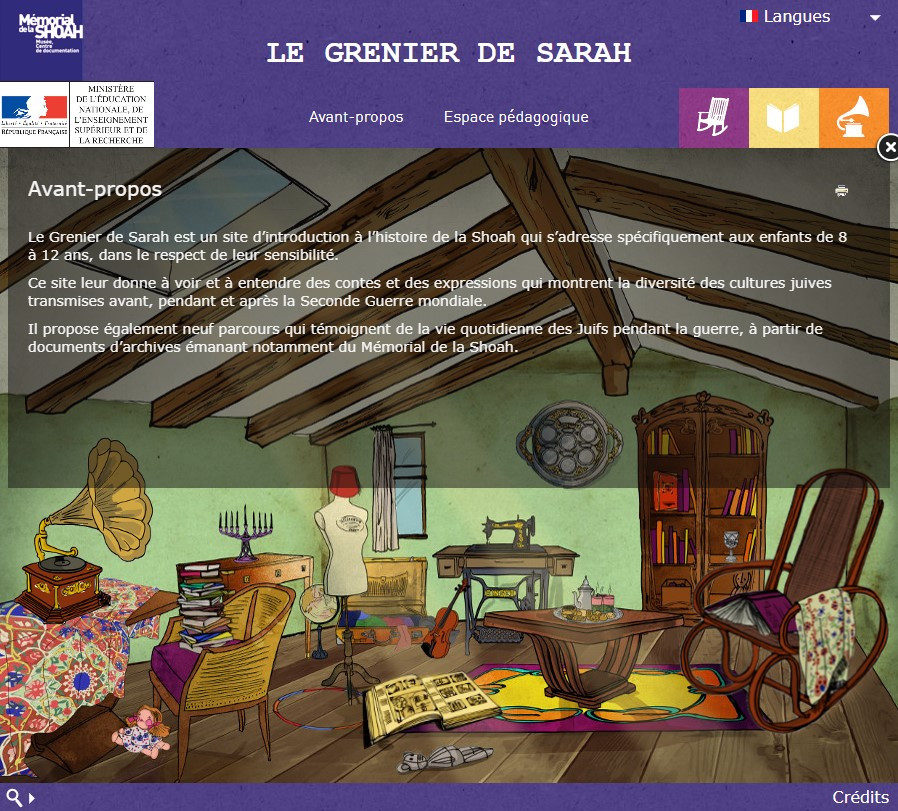 Le grenier de Sarah Auteur: Jacques Fredj | Barbara Mellul | Adeline Salmon | Barbara Mellul | Adeline Salmon | Tralalère | Alliance concept | Judith Panijel | Alban Perrin | Iannis Roder Lior Lalieu-Smadja | Karen Taieb | Ariel Sion Auteur institutionnel: Memorial de la Shoah Le Grenier de Sarah est un site d’introduction à l’histoire de la Shoah, créé spécifiquement pour les enfants de 8 à 12 ans, dans le respect de la sensibilité des jeunes visiteurs. Les choix éditoriaux et iconographiques du site traduisent scrupuleusement cette volonté de ne pas les choquer. Le site a été conçu à partir du questionnement des enfants sur cette période.- Qui étaient ces personnes que les nazis ont voulu assassiner ?- Dans quels pays vivaient-elles ? Quelles langues parlaient-elles ?- Quels ont été les parcours propres à chacune d’entre-elles ?Le Grenier de Sarah permet aux enfants de naviguer sur le site de façon autonome. Toutefois, il est conseillé aux adultes de les accompagner lors de leur première visite afin d’instaurer un dialogue et de répondre à d’éventuelles questions.Pour y répondre, trois rubriques, « Il était une fois », « Des mots à l’oreille » et « En noir et blanc », donnent des clefs de compréhension.- Dans « Il était une fois », des contes donnent un aperçu de la diversité des cultures juives. - Dans « Des mots à l’oreille », des expressions en hébreu, yiddish, judéo-espagnol et judéo-arabe ouvrent une fenêtre sur la pluralité du judaïsme. - Dans « En noir en blanc », neuf parcours témoignent de la vie quotidienne des Juifs pendant la guerre. En cliquant sur l’album photo, l’enfant choisit d’entendre un des récits de vie proposés.Tout au long de chaque parcours, des définitions et des documents, sont à la disposition du jeune visiteur. Pour les enseignants, un espace pédagogique spécifique a été créé afin d’y trouver des ressources complémentaires et des pistes de travail. Sarah’s attic is a website introducing to the Shoah History. It was specifically created for children from age 8 to 12 and respects their sensibility as young visitors. The contents and iconography are carefully intended to suit their emotional and cognitive abilities.The website was designed and elaborated from questions asked by children in History classes teaching this time period - Who were these persons the Nazis wanted to murder?- In which countries did they live? Which languages did they speak?- What were their personal experiences? Sarah’s attic enables children to navigate through the website on their own. Nevertheless, we recommend that adults accompany them on their first visit in order to create a dialog and answer possible questions.As part of a school or extra-curricular framework, this program can be used in small groups with the guidance of an adult.In order to answer these questions, three sections “Once upon a time”, “Words to my ear” and “In black and white” give keys to understanding the event.- In “Once upon a time”, tales give a glimpse of the diversity of Jewish cultures. - In “Words to my ear”, expressions in Hebrew, Yiddish, Judeo-Spanish and Judeo-Arabic open a window on the pluralism of Judaism. - In “In Black and white”, nine personal itineraries bear witness of the daily life of Jews during the war. Along each personal story, definitions and documents are available to the young visitor.For teachers and educators, a specific educational section contains additional resources, guidelines and teaching materials.
  다문화 이주여성 미디어교육 프로그램 개발 연구 Année de publication: 2022 Auteur: 김지혜 | 박소영 | 최인숙 Auteur institutionnel: 시청자미디어재단 이 연구의 목적은 다문화 이주여성 대상 미디어 교육 프로그램을 개발하는 것이다. 이민과 이주의 시대, 대한민국의 문화적 다양성은 더욱 커지고 있다. 사회 구성원의 문화적 기반이 다채로워진 지금의 시대에 무엇보다도 강조되어야 할 것은 상호 이해와 존중을 기반으로 사회 통합을 추진하고 전체 구성원의 상생과 공존을 가능하게 하는 ‘지속 가능한 발전 전략’을 모색하는 것이다.
  Multilingual Education in Central Asian Institutions of Higher Education (Journal of Moscow University. Series 20. Pedagogical Education; No.2, 2020) Année de publication: 2020 Auteur: Цзэн Тин In the context of internationalization, language education and the choice of language for teaching have become important factors affecting the quality of higher education. Currently, in addition to Turkmenistan, the Governments of other Central Asian countries are putting forward strategies for multilingual development that correspond to their own national characteristics. The problems of the development of multilingual education in higher educational institutions of Central Asia are as follows: strong political coloring, lack of qualified teachers, educational materials and funds for education, difficulties in the development of the national language. Полиязычное образование в высших учебных заведениях стран Центральной Азии (Вестник Московского университета. Серия 20. Педагогическое образование; No.2, 2020) Année de publication: 2020 Auteur: Цзэн Тин В условиях интернационализации языковое образование и выбор языка для обучения стали важными факторами, влияющими на качество высшего образования. В настоящее время помимо Туркменистана, правительства других стран Центральной Азии выдвигают стратегии многоязычного развития, соответствующие их собственным национальным особенностям. Проблемы развития полиязычного образования в высших учебных заведениях Центральной Азии заключаются в следующем: сильная политическая окраска, нехватка квалифицированных преподавателей, учебных материалов и денежных средств на образование, трудности в развитии национального языка.
 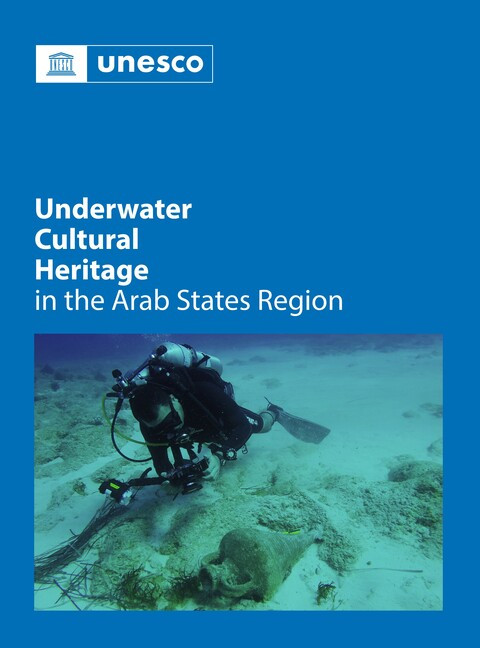 التراث الثقافيّ المغمور بالمياه في منطقة الدول العربيّة Année de publication: 2023 Auteur institutionnel: UNESCO Cairo "التراث الثقافي المغمور بالمياه في المنطقة العربية تعرف منظمة اليونسكو التراث الثقافي المغمور بالمياه بأنه ""جميع آثار الوجود الإنساني ذات الطابع الثقافي أو التاريخي أو الأثري والتي ظلت مغمورة بالمياه جزئيا أو كليا، بشكل دوري أو متواصل، لمدة 100 عام على الأقل"". مثل: أنا. المواقع والهياكل والمباني والمصنوعات اليدوية والرفات البشرية، إلى جانب سياقها الأثري والطبيعي؛ ثانيا. السفن أو الطائرات أو المركبات الأخرى أو أي جزء منها أو حمولتها أو محتوياتها الأخرى، بالإضافة إلى سياقها الأثري والطبيعي؛ وثالثا. كائنات ذات طابع ما قبل التاريخ ""1. يتعلق هذا التعريف في المقام الأول بالعمر والظروف البيئية للرواسب، أي أن البقايا يجب أن تكون موجودة كليًا أو جزئيًا ""تحت الماء"" لمدة 100 عام على الأقل، بغض النظر عن نوعها أو طبيعتها أو ثقافتها التي ينتمون إليها. بمجرد التأكد من هذه العناصر الأساسية، يمكن تعريف المادة الأثرية بشكل أكبر وفقًا لواحد أو أكثر من المعايير المحددة: - التسلسل الزمني - الفترة الزمنية التي يعود تاريخ البقايا إليها؛ - المنطقة – المنطقة الجغرافية التي تم العثور على الرفات فيها؛ - التصنيف - التصنيف المادي للبقايا، على سبيل المثال، الفخار وعظام الحيوانات والحجر وما إلى ذلك. من المهم أن ندرك أنه في حين أن المعايير المذكورة أعلاه ستظل ثابتة، فإن الطبيعة ""تحت الماء"" للبقايا الأثرية عرضة للتغيير، نتيجة للتدخل البشري أو البيئي. على سبيل المثال، العديد من المواقع التي حدث فيها نشاط ما قبل التاريخ على الأرض، وعادةً ما تكون قريبة من الشواطئ القديمة، هي: 1 - اليونسكو. 2001. اتفاقية حماية التراث الثقافي المغمور بالمياه. باريس: وثائق المؤتمر العام، الجلسة الحادية والثلاثون، المادة.التراث الثقافي المغمور بالمياه في منطقة الدول العربية مغمور الآن بسبب ارتفاع منسوب سطح البحر. وبالمثل، فإن أشياء مثل السيوف، التي تم إيداعها في البحيرات أو الأنهار كجزء من طقوس الماضي، كانت تُصنع وتستخدم على الأرض. ولذلك أصبحت هذه المواقع والمصنوعات اليدوية تستوفي تعريف ""التراث الثقافي المغمور بالمياه"". والعملية المعاكسة ممكنة أيضًا: فحطام السفينة، على سبيل المثال، أو بقايا المواد الأخرى التي يتم رفعها من قاع البحر ووضعها في المتحف، ستفقد مكانتها كـ UCH. يخبرنا هذا الفارق الدقيق أن UCH ليس بالضرورة مصطلحًا علميًا ثابتًا. وهي تتعلق بالبيئة تحت الماء التي توجد فيها الثقافة المادية وليس بأي سمة أثرية أو ثقافية متأصلة. هذا لا يعني أن موقع الثقافة المادية تحت الماء ليس مهمًا: على العكس من ذلك، يكشف السياق تحت الماء عن تغييرات في الاستخدام والحالة والمعنى بمرور الوقت. إن التغيرات المادية التي يمكن أن تسببها البيئة تحت الماء، مثل التآكل أو الاضمحلال، والتغيرات الطبيعية والاجتماعية والأيديولوجية التي يمكن أن تعكسها المواقع تحت الماء، هي أجزاء حيوية من تاريخ حياة الموقع أو الكائن. يعد الموقع تحت الماء أيضًا عاملاً رئيسياً في تحديد التقنيات والأساليب العلمية التي يجب استخدامها عند التعامل مع هذا النوع من الثقافة المادية لأغراض الاستكشاف أو البحث أو التوثيق أو التنقيب أو الحفظ أو العرض أو العرض العام. وبالتالي، فإن دراسة UCH عادة ما تتطلب استخدام أدوات وتقنيات تختلف عن تلك المستخدمة في المواقع الأثرية الأرضية. لهذا السبب، كثيرًا ما يتم ذكر التراث تحت الماء بالارتباط مع علم الآثار المغمورة بالمياه، أي الأعمال الأثرية، مثل التنقيب والتسجيل والتحليل، التي تتم في مواقع مغمورة جزئيًا أو كليًا. ويخضع علم الآثار المغمورة بالمياه لنفس المبادئ والمعايير العلمية التي تحكم العمل الأثري على الأرض، ولكنه مصمم خصيصًا ليتناسب مع التحديات المحددة التي تفرضها الظروف تحت الماء. وبالتالي فإن مصطلح ""علم الآثار المغمورة بالمياه"" ليس فرعًا من فروع علم الآثار. بل هو مصطلح تقني يشير إلى مجموعة محددة من الأدوات والتقنيات المستخدمة في إجراء الأعمال الأثرية تحت الماء، ضمن الإطار الأوسع ومبادئ البحث الأثري." Underwater Cultural Heritage in the Arab States Region Année de publication: 2023 Auteur institutionnel: UNESCO Cairo "Underwater Cultural Heritage in the Arab State RegionUnderwater Cultural Heritage (UCH) is defined by UNESCO as “all traces of human existence having a cultural, historical or archaeological character which have been partially or totally under water, periodically or continuously, for at least 100 years such as: i. sites, structures, buildings, artefacts and human remains, together with their archaeological and natural context; ii. vessels, aircraft, other vehicles or any part thereof, their cargo or other contents, together with their archaeological and natural context; and iii. objects of prehistoric character”1.This definition relates primarily to the age and environmental conditions of the deposit, i.e., the remains must have existed fully or partially “underwater” for at least 100 years, regardless of their type, nature, or the culture to which they belong. Once these core elements have been confirmed, the archaeological material can be defined further according to one or more specific criteria: - chronology – the time period the remains date from; - region – the geographical area where the remains were found; - typology – the physical categorisation of the remains, e.g., pottery, animal bone, stone etc.It is important to recognise that while the above criteria will remain constant, the “underwater” nature of the archaeological remains is subject to change, as a result of either human or environmental intervention. For example, many sites where prehistoric activity took place on land, usually close to ancient shorelines, are • 1 - UNESCO. 2001. Convention on the Protection of the Underwater Cultural Heritage. Paris: Records of the General Conference, 31st ses-sion, Article.Underwater Cultural Heritage in the Arab State Regionnow submerged due to rising sea levels. Similarly, items such as swords, deposited in lakes or rivers as part of past rituals, were made and used on land. These sites and artefacts have therefore come to meet the definition of “Underwater Cultural Heritage”. The opposite process is also possible: a shipwreck, for example, or other material remains lifted from the seabed and placed in a museum would lose its status as UCH. This nuance tells us that UCH is not necessarily a constant scientific term. It relates to the underwater environment in which the material culture is located rather than any inherent archaeological or cultural attribute2. That is not to say that the material culture’s underwater location is not important: on the contrary, the underwater context reveals changes in use, condition and meaning over time. The physical changes that the underwater environment can cause, such as corrosion or decay, and the natural, social and ideological changes that underwater locations can reflect, therefore, are vital parts of a site or object’s life history. The underwater location is also a key factor in determining which scientific techniques and methods to use when dealing with this type of material culture for purposes of exploration, research, documentation, excavation, conservation, presentation or public display. Thus, the study of UCH usually requires the use of tools and techniques that differ from those employed on terrestrial archaeological sites3. For this reason, UCH is frequently mentioned in association with underwater archaeology, i.e., archaeological work, such as excavation, recording and analysis, that takes place on partially or fully submerged sites. Underwater archaeology is governed by the same scientific principles and standards as archaeological work on land but is tailored to the specific challenges of underwater conditions4. The term “underwater archaeology” is not, therefore, a sub-discipline of archaeology. Instead, it is a technical term referring to a specific set of tools and techniques used in conducting archaeological work underwater, within the wider framework and principles of archaeological research."
  Knowing a Language Is Knowing the World: Learning and Supporting the Russian Language in the Republic of Tajikistan (Ethnodialogues; No.1, 2023) Année de publication: 2023 Auteur: Мунзифахон Бабаджанова The year 2023 in Tajikistan is dedicated to the Russian language. The Russian language today is officially the language of interethnic communication in Tajikistan. With the support and funding of the Russian Federation, “Russian World”, “Russian Language Foundations”, “Russian Space” centers and new Russian language schools were opened and now operate in Tajikistan. Russia has also supported Tajikistan in higher education: three universities with full Russian-language instruction have been established and are operating. Знать язык - познать мир: изучение и поддержка русского языка в республике Таджикистан (Этнодиалоги; No.1, 2023) Année de publication: 2023 Auteur: Мунзифахон Бабаджанова 2023 год в Таджикистане посвящен русскому языку. Русский язык сегодня официально является языком межнационального общения в Таджикистане. При поддержке и финансировании Российской Федерации в Таджикистане открыты и работают центры «Русский мир», «Фонды русского языка», «Русское пространство», новые школы с русским языком обучения. Россия также поддержала Таджикистан и в сфере высшего образования: созданы и действуют три университета с полным преподаванием на русском языке.
  以电影《美国女孩》为例分析中国集体主义和美国个人主义对家庭教育的影响 Année de publication: 2024 Auteur: 刘梦雨 Auteur institutionnel: 中国高校人文社会科学信息网 在中国家庭面对中美跨文化交际时 会表现出剧烈的冲突,以电影《美国女孩》为例,分析在美国长大的芳仪回到中国后会发生怎样的跨文化问题,不同的教育背景使芳仪产生自我矛盾,在家庭中和父母爆发了争吵,芳仪最后在不断冲突后接受了现实。在对影片分析后希望能够发现更恰当的方法去解决跨文化家庭的教育问题并解决他们的矛盾。