
Ressources
Explorez une large gamme de ressources sur le GCED afin d’approfondir votre compréhension et de renforcer vos activités de recherche, de plaidoyer, d’enseignement et d’apprentissage.
1,472 résultats trouvés
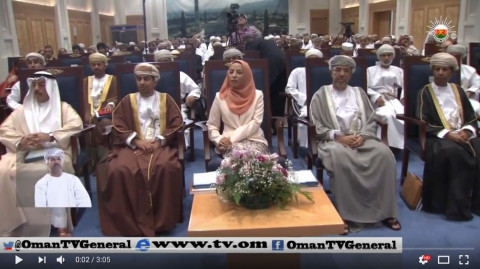 Forum on "Human Citizenship and its Role in Convergence and Human Harmony" Année de publication: 2015 Auteur institutionnel: OmanTvGeneral The Sultan Qaboos Higher Center for Culture and Science held the Scientific Forum on Human Citizenship and its Role in Convergence and Human Harmony, within the framework of the Fourth Week of Convergence and Human Harmony, where the forum is an opportunity for all participants to learn about the Sultanate's leading experience in civilizational dialogue and support the values of tolerance, cooperation and peaceful coexistence according to the constants. His principles were laid down by His Majesty Sultan Qaboos bin Said.
  العولمة والمواطنة والهوية (بحث في تأثير العولمة على الانتماء الوطني والمحلي في المجتمعات) Année de publication: 2009 Auteur: Thaer Rahim Kazem Auteur institutionnel: Al-Qadisiyah University من أهم ثلاثة ركائز التي تقوم عليها الديمقراطية التي أتيحت الفرصة إلى قيامها في المجتمع العراقي اليوم بعد التغيرات الاجتماعية والسياسية التي برزت بعد سقوط الدولة العراقية الحديثة في 9/4/2003 فضلا عن حقوق الإنسان وحرياته ومؤسسات المجتمع المدني، والعلاقة بين المواطنة والهوية هي عملية التعزيز السياسي والقانوني لدور الفرد في المشاركة الفاعلة في البناء الاجتماعي للمجتمع العراقي. إذ إن هنالك نمطا من التوافق أو التطابق بين الهوية الاجتماعية العامة (الوطنية) التي تقوم على مجموعة من الأسس السياسية و القانونية، وبين الانتماء الجغرافي لمجتمع ما (المواطنة). بغض النظر عن الانتماءات الفرعية الأخرى لفرد في الحياة الاجتماعية كالانتماءات الاثنية أو الدينية أو غير ذلك من السمات الانثروبولوجية التي تتميز بها أشكال الهوية الاجتماعية لأفراد المجتمع أو للجماعات الاجتماعية التي يتألف منها البناء الاجتماعي، و بما أن انتماء المجتمع العراقي إلى نظام العولمة أو الاندراج فيه بات امرأ محسوما لا يعيقه سوى عامل الوقت لذا إن التعامل مع العولمة يتطلب الوعي بأهمية معرفة وأدراك تأثيراتها السلبية والايجابية على الحياة الاجتماعية في المجتمع العراقي إذ أن العولمة هي عملية توحيد واندماج للمجتمعات الإنسانية تتسم بضرورة التعايش بين هذه المجتمعات وكذلك بضرورة التعايش بين أفراده من خلال تحقيق المواطنة العالمية فهل توثر العولمة في المواطنة أن وجدت لدى أفراد المجتمع في العراق؟ بوصفهم أفرادا وجماعات؟ وهل تؤثر الانتماءات الفردية والاجتماعية من خلال مجموعة الانتماءات التي تتميز بها السمات الانثروبولوجية التي تتسم بها الجماعات الاجتماعية داخل المجتمع؟ وهل تؤثر هذه الانتماءات على المواطنة؟ وهل يمكن أن تكون هنالك علاقة من نوع معين بين العولمة والهوية الثقافية أو الدينية غير علاقة السلب أو الفقدان؟ وهل يمكن أن تقوم علاقة بين العولمة و الهوية المجتمعية أو غيرها من أنماط الهويات؟ وهل للمواطنة دور في الحفاظ أو فقدان الهوية الثقافية أو الدينية للمجتمعات الإسلامية والعربية والمجتمع العراقي منها على وجه التحديد؟ هل تهدد العولمة اليوم الهوية والمواطنة على حد سواء؟ Globalization, Citizenship and Identity (Research on the Impact of Globalization on National and Local Affiliation in Societies) Année de publication: 2009 Auteur: Thaer Rahim Kazem Auteur institutionnel: Al-Qadisiyah University There was a serious need to the citizenship as a psychological feeling in the Iraqi society. Because it represent the one of the most important three standards in the democratic operation as methods we must use in our social live. When we get a chance to build it in the Iraqi society. After the social and political changes that tack place after the 9 April 2003. The relationships between the citizenship and identity refer to the process by which we could strength the individual legal and political role to create the effective participate in the social live and social structure of the Iraqi society. Because there was an equalize between the general collective identity and the citizenship. We need these feelings when Iraqi society joins the globalization system under the pressure of the USA. And that required being aware in the negative effectiveness of the globalization and its positive ones. And the necessary of the living to gather in the global society. That makes the universal citizenship possible. This state creates many questions in the mind of the Arab and Moslemsre searchers. Such as could we keep our social and cultural identity? Are the citizenship help us to maintain the social and cultural identity? And other many questions that dealing with this objectives.
  Humanitarian Action for Children 2019: Overview Année de publication: 2019 Auteur institutionnel: United Nations Children's Fund (UNICEF) This edition of UNICEF’s report on requirements for humanitarian action highlights major emergencies affecting children and families around the world, and the results achieved by UNICEF and partners in response to those crises. Noting that more violent conflicts are raging today than at any time since the adoption of the Convention on the Rights of the Child 30 years ago, the report also describes UNICEF initiatives to improve the quality of its humanitarian response in 2019 – particularly in high-threat contexts. Additional information about humanitarian action and UNICEF funding appeals at the country and regional levels is available online atwww.unicef.org/appeals.
  A School of Cosmopolitanism: Experiences with Global Citizenship Education in Classroom Practice Année de publication: 2019 Auteur: Heidi Grobbauer | Werner Wintersteiner Auteur institutionnel: Austrian Commission for UNESCO This publication focuses on examples from academic practice: this best practice collection demonstrates how young people can successfully be inspired to “think globally, act locally”. What is crucial is maintaining a view of the wider world; in particular, cooperation efforts with educational institutes outside of Europe (e.g. “élèves pour élèves” in Burkina Faso) provide a critical awareness of global connections. Learning to know/Learning to do/Learning to be/Learning to live together – these four pillars form the pedagogical foundation of the work carried out at more than 90 UNESCO schools throughout the whole of Austria. Since their founding in 1957, UNESCO schools have been considered model schools at which lessons are structured in a project-oriented, participative and even topic-specifc way. The unique ‘spirit’ of UNESCO schools often makes special projects possible. In the programme for the annual meetings of recent years, for example, Global Citizenship Education has been an ongoing topic of focus, accompanied by experts from various specialised institutions and NGOs. The pedagogical preparation of contents in a manner that ensures they are actually absorbed in the classroom presents a major challenge. Different types of schools have different educational goals, and the themes have to be made accessible for different age groups. The pedagogical finesse of each class team or individual teacher lies in finding the most motivating approaches.
  Policy Brief: Prevention of Violent Extremism Through Education in Central Asia Année de publication: 2019 Auteur institutionnel: UNESCO Almaty Education has a powerful role to play in long-term prevention of violent extremism by equipping learners with the right skills and competencies, increasing employment opportunities and empowering youth. This policy brief aims to provide a better understanding of Preventing Violent Extremism through Education (PVE-E) and the relevant policy interventions that could be taken. Аналитическая записка: предотвращение насильственного экстремизма посредством образования в Центральной Азии Année de publication: 2019 Auteur institutionnel: UNESCO Almaty Образование призвано сыграть важную роль в долго-срочном предотвращении насильственного экстре-мизма путем обеспечения учащихся соответствующими навыками и компетенциями, расширения возможностейтрудоустройства, а также прав и возможностеймолодежи. Цель настоящей аналитической записки заключается в том, чтобы обеспечить лучшее понимание о предотвращении насильственного экстремизма по средством образования (ПНЭ-О) и соответствующих политических мерах, которые могут быть предприняты.
  التجربة الليبية في محو الأمية وتعليم الكبار Année de publication: 2017 Auteur institutionnel: Masouda Ali Al Aswad عانت ليبيا شأنها كغيرها من دول العالم الثالث من مشكلة األمية كأحد أهم التحديات التي واجهت والتزال تواجه مسيرة التقدم التي تسعى اليها. وقد مرت البالد بمراحل تخلف واستعمار وانتداب كان لها األثر السيء على المستوى الفردي والمجتمعي أدى الى تأخر التنمية البشرية وإضعاف خطى التطور والبناء. ونظرا ألهمية التعليم في بناء األمم سعت ليبيا منذ فترات بعيدة الى نشر العلم والتعلم بين شرائح المجتمع المختلفة صغارا وكبارا وكان الطموحات كبيرة فيما يخص برنامج محو األمية منذ الخمسينات وحتى يومنا هذا. وقد تنوعت األساليب والطرق التي حوربت بها األمية، فمن األمية األبجدية التي استهدفت شرائح المجتمع التي فقدت فرصتها في التعلم القرائي والكتابي في الوقت المناسب، الى محاولة القضاء على األمية المهنية، والتدريب المهني، واإلعداد الحرفي، والتدريب المنزلي والتثقيف الصحي، من خالل اكساب هذه الفئات المهارات الكافية لتحقيق االستقالل الذاتي، الى محاربة األمية الحضارية والوظيفية والتقنية والتدريبية والتي تستهدف تكوين الكوادر القادرة على سد االحتياجات في سوق العمل. وقد اتبعت الدولة الليبية كل الوسائل والطرق الممكنة للقضاء على األمية من مدارس تعليم الكبار الى المدارس المسائية الى الفصول االستثنائية في أوقات الفراغ، الى المساجد والمنارات والزوايا التي ساهمت في نشر ثقافة حفظ ودراسة القرآن الكريم مما انعكس إيجابا على مستوى التعلم لدى فئات كبيرة ممن لم يتمكنوا من دخول المدارس. هذا باإلضافة الى برنامج الجامعة المفتوحة الذي يعد إنجازا وفر فرصا ذهبية لمن فاتته فرصة التعليم الجامعي كما حققت الدولة من خالله نوعا من التوازن بين القوى العاملة والمستويات العالية للتعليم لهذه القوى. وقد حققت ليبيا مراتب عالية من حيث قدرتها على مواجهة األمية ونشر الوعي والثقافة األبجدية باإلضافة الي تحقيق مراحل ملموسة من ناحية األمية التقنية. وقد أثبتت التقارير أنها تبوأت مراتب متقدمة في سلم الدول التي نجحت في محاربة شبح األمية بأنواعها. غير أنها في الوقت ذاته التزال تواجه تحديات كبيرة ومشاكل جمة تحتاج الى دراسات مستوفية وجهود جبارة للقضاء عليها. Libyan Experience in Literacy and Adult Education Année de publication: 2017 Auteur institutionnel: Masouda Ali Al Aswad Libya, like other Third World countries, has suffered from the illiteracy problem as one of the most important challenges it has faced and continues to face the progress it is seeking. The country has gone through stages of underdevelopment, colonialism and mandate that have had a bad impact on the individual and societal level, which has delayed human development and weakened the pace of development and construction. Given the importance of education in nation-building, Libya has long sought to spread science and learning among different segments of society, young and old, and has had great ambitions for the literacy program from the 1950s to the present day.The methods and methods of illiteracy have been varied, from the alphabetical illiteracy targeted to segments of society that have lost their opportunity to read and write in a timely manner, to try to eradicate vocational illiteracy, vocational training, craft preparation, home training and health education, by acquiring these categories. Adequate skills to achieve autonomy, to combat civilizational, functional, technical and training illiteracy aimed at training cadres capable of meeting the needs in the labor market. The Libyan state has adopted all possible means and methods to eliminate illiteracy, from adult education schools to evening schools to extraordinary classes in leisure time, to mosques, lighthouses and corners that contributed to spreading the culture of memorizing and studying the Holy Qur'an, which reflected positively on the level of learning among large groups of people who were unable to From entering schools.This is in addition to the Open University program, which is an achievement that provided golden opportunities for those who missed the opportunity of university education. The State also achieved a balance between the workforce and the high levels of education for these forces. Libya has achieved high levels in terms of its ability to cope with illiteracy, spread awareness and alphabet culture, as well as achieve tangible stages in terms of technical illiteracy. Reports have proved to be high on the list of countries that have succeeded in fighting illiteracy. At the same time, however, they continue to face significant challenges and problems that require thorough studies and efforts to eliminate them.
  Information Flows and Radicalization Leading to Violent Extremism in Central Asia Année de publication: 2019 Auteur institutionnel: Search for Common Ground This study was carried out as part of the regional project “Promoting Stability and Peace in Central Asia through Media Literacy, Effective Lighting and Regional Cooperation”, implemented by the Internews office and funded by the European Union. The project aims to support national and regional initiatives that help prevent radicalization in Central Asia by increasing the capacity of journalists, civic activists and media professionals in the production of high-quality media content and the level of critical media consumption of representatives of civil society, decision-makers and active citizens.