
Ressources
Explorez une large gamme de ressources sur le GCED afin d’approfondir votre compréhension et de renforcer vos activités de recherche, de plaidoyer, d’enseignement et d’apprentissage.
732 résultats trouvés
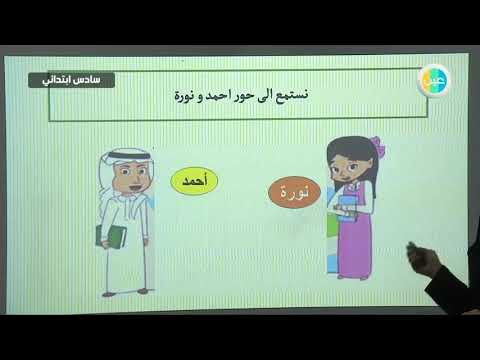 دروس عين الدراسات الاجتماعية والمواطنة– برنامج تعزيز الشخصية - سادس ابتدائي Année de publication: 2020 Auteur: Fawzia Alghamdi Auteur institutionnel: iEN National Education Portal تقوم المعلمة بشرح درس للصف السادس الابتدائي في تنمية وتعزيز الشخصية. الدرس لطلاب المملكة العربية السعودية في مقرر الدراسات الاجتماعية. لقد ظهرت الدروس التي تشرح عبر المنصات مع جائحة كورونا.
 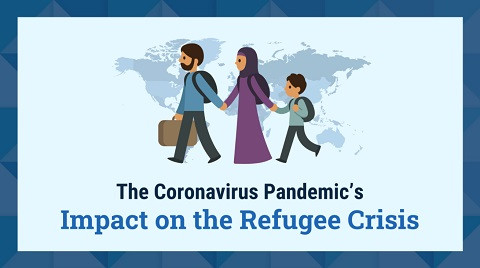 The Coronavirus Pandemic and the Refugee Crisis Année de publication: 2020 Auteur: Alice Corner Auteur institutionnel: Venngage Inc. One group of people most impacted by the Coronavirus Pandemic is the world’s population of refugees and displaced people. There are approximately 25 million refugees in the world, facing unique struggles in access to healthcare, government assistance, and sanitation. Venngage analyzed the data and created this collection of infographics to help paint a fuller picture of COVID-19’s impact on the refugee crisis. This resource includes clear infographics detailing how the conronavirus crisis and refugee crisis relate to each other globally
 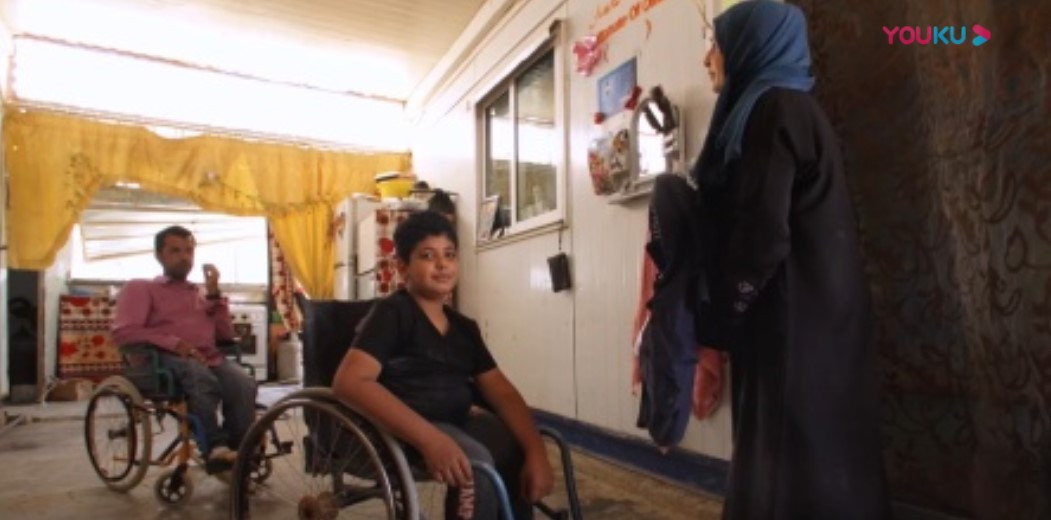 A Small Change That Makes Them Happy in the Refugee Camps! Année de publication: 2021 Auteur institutionnel: 联合国儿童基金会 This video presents the difficulties and challenges faced by children with disabilities in a refugee camp in Syria, and UNICEF's efforts to address them. 一个小小改变,让难民营里的他们开心到飞起! Année de publication: 2021 Auteur institutionnel: 联合国儿童基金会 本视频介绍了叙利亚难民营中残障儿童所面临的困难与挑战,以及联合国儿童基金会为此所作出的努力。
  Educate All Girls and Boys in South Asia; the global out of school children initiative Année de publication: 2015 Auteur institutionnel: UNICEF South Asia The South Asia Out-of-School Children Initiative (OOSCI) is part of the global initiative launched by UNICEF and the UNESCO Institute for Statistics (UIS) in 2010. The goal of the initiative is to make significant and sustained reduction in the number of out-of-school children around the world by 1) developing comprehensive profiles of excluded children using consistent and innovative statistical methods; 2) linking these profiles to the barriers and bottlenecks that lead to exclusion; and 3) identifying, promoting and implementing sound policies that address exclusion from a multi-sectorial perspective.
  Girl Rising Année de publication: 2014 Auteur institutionnel: Girl Rising Suma's is one of Girl Rising's 9 remarkable stories. Though her brothers went to school, she was forced into bonded labor at age 6, like many other Nepali girls. Watch this chapter of Girl Rising to see how Suma gained her freedom and how she uses her education in a fight to free other girls. Written by Manjushree Thapa and voiced by Kerry Washington.
 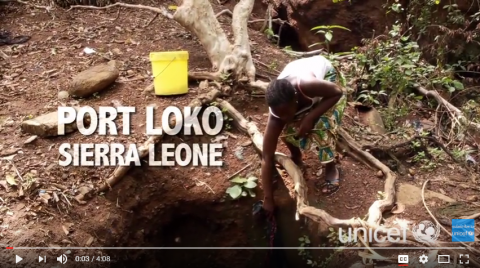 At a club for teenage girls in Sierre Leone, 18-year-old Mbalu leads by example Année de publication: 2014 Auteur: Nerina Penzhorn Teenage pregnancy is one of the most pervasive social problems in Sierra Leone today - more than one third of all pregnancies involve teenage girls. UNICEF, in collaboration with the NGO BRAC, is tackling this complex issue through a simple idea -- providing a place where teenage girls enjoy hanging out while they have training in life skills, gain valuable knowledge and access mentoring from peers. Mbalu Bumbuya, 18, a mentor at one such club for adolescent girls called 'the Wharf Club', is changing lives with her passion to teach and motivate her peers. "I tell them how to protect themselves so that they can excel in life," she says. "And I encourage them not to drop out of school." The club has also helped Mbalu stay focused on her education.
 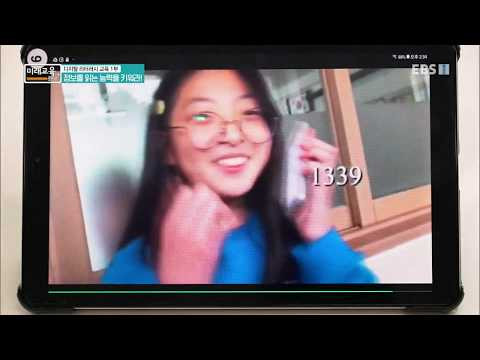 디지털 리터러시 교육 1부: 정보를 읽는 능력을 키워라! #1 Année de publication: 2020 Auteur institutionnel: 한국교육방송공사 급변하는 매체환경, 범람하는 가짜뉴스 속에서 진짜 정보와 가짜 정보를 구분하는 능력인 디지털리터러시가 중요하게 여겨지고 있는 상황. 우리 학생들이 미래를 바꿀 수 있는 역량을 갖도록 하기 위해 시대의 흐름에 맞는 교육의 변화 또한 필요하다. 이번 <미래교육 플러스>에서는 변화한 흐름에 맞는 디지털리터러시 교육에 대해서 논의 한다. 디지털 리터러시 교육 1부 ‘정보를 읽는 능력을 키워라!’에서는 디지털 리터러시의 중요성과 디지털 리터러시 교육의 현주소를 점검해 본다.
 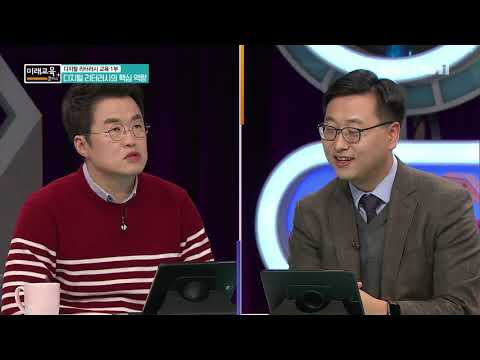 디지털 리터러시 교육 1부: 정보를 읽는 능력을 키워라! #2 Année de publication: 2020 Auteur institutionnel: 한국교육방송공사 급변하는 매체환경, 범람하는 가짜뉴스 속에서 진짜 정보와 가짜 정보를 구분하는 능력인 디지털리터러시가 중요하게 여겨지고 있는 상황. 우리 학생들이 미래를 바꿀 수 있는 역량을 갖도록 하기 위해 시대의 흐름에 맞는 교육의 변화 또한 필요하다. 이번 <미래교육 플러스>에서는 변화한 흐름에 맞는 디지털리터러시 교육에 대해서 논의 한다. 디지털 리터러시 교육 1부 ‘정보를 읽는 능력을 키워라!’에서는 디지털 리터러시의 중요성과 디지털 리터러시 교육의 현주소를 점검해 본다.
 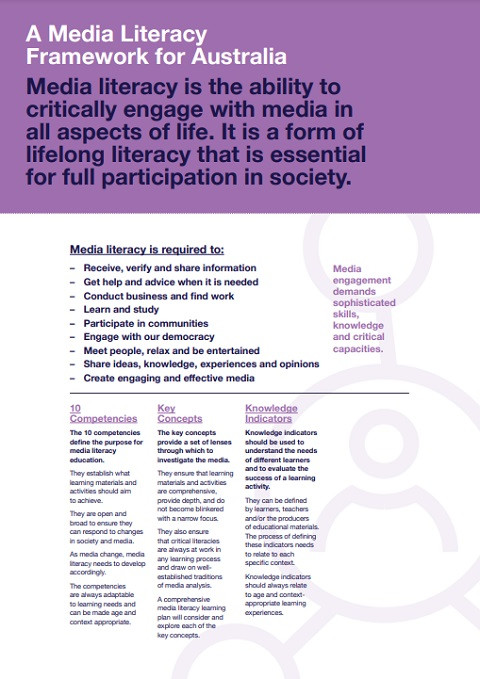 A Media Literacy Framework for Australia Année de publication: 2020 Auteur institutionnel: Australian Media Literacy Alliance (AMLA) AMLA define media literacy as the ability to critically engage with media in all aspects of life.Media literacy complements Digital Literacy and Digital Safety – and all three are required to thrive in a digital world. Digital literacy focuses on the skills and knowledge required to access and use digital technologies. Digital Safety focuses on issues like online hate and abuse, bullying, the protection of personal information and online scams.Media Literacy encourages people to ask critical questions about the media and media technologies using a set of six key concepts. For any example of media (an advertisement, a news story, a film or television program, a YouTube video, video game or a social media post), we can ask the following questions:Institutions: who made this media and why did they make it?Audiences: who was this media made for and how are they likely to respond to it?Representations: how are people, places or ideas portrayed in this media, and what are the impacts of this?Technologies: what technology was used to produce, access and circulate this media? Does the technology gather personal data from users?Languages: how does this media communicate using image, sounds and written text?Relationships: what kind of relationships are being developed through the distribution and use of this media?These questions will have very different answers and follow-on questions depending on the media example, but the process of asking and answering these questions leads to critical understandings, and forms the basis for more successful media experiences. These questions can be asked during the process of consuming, sharing or creating media. They can be integrated as part of any Digital Literacy and Digital Safety learning program.