
Ressources
Explorez une large gamme de ressources sur le GCED afin d’approfondir votre compréhension et de renforcer vos activités de recherche, de plaidoyer, d’enseignement et d’apprentissage.
130 résultats trouvés
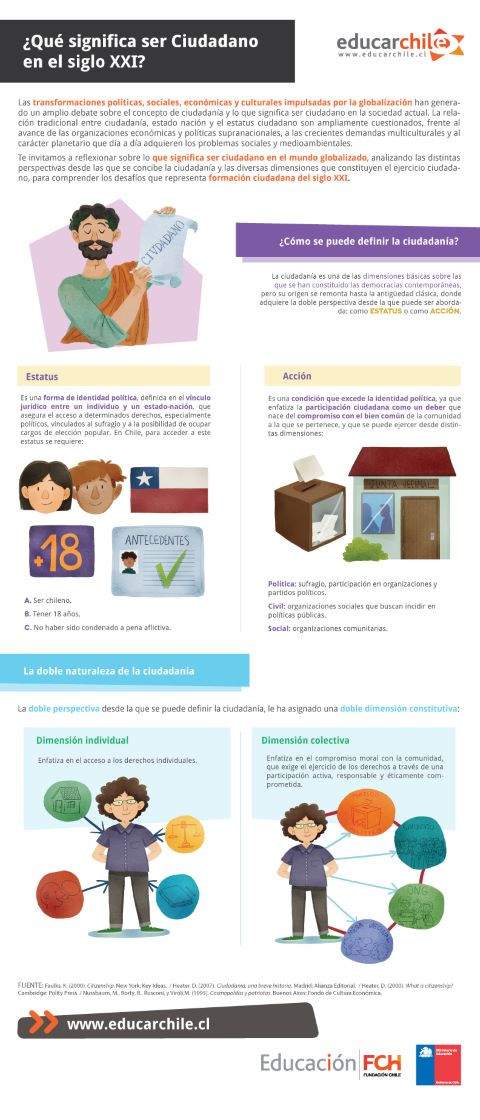 What Does it Mean to Be a Citizen in the 21st Century? (Part1) Auteur institutionnel: Educar Chile | Chile Foundation The political, social, economic and cultural transformations driven by globalization have generated a wide debate on the concept of citizenship and what it means to be a citizen in today's society. The traditional relationship between citizenship, nation state and citizen status are widely questioned, in the face of the advance of supranational economic and political organizations, the growing multicultural demands and the planetary character that social and environmental problems acquire day by day. ¿Qué significa ser ciudadano en el siglo XXI? (parte1) Auteur institutionnel: Educar Chile | Chile Foundation Las transformaciones políticas, sociales, económicas y culturales impulsadas por la globalización han generado un amplio debate sobre el concepto de ciudadanía y lo que significa ser ciudadano en la sociedad actual. La relación tradicional entre ciudadanía, estado nación y el estatus ciudadano son ampliamente cuestionados, frente al avance de las organizaciones económicas y políticas supranacionales, a las crecientes demandas multiculturales y al carácter planetario que día a día adquieren los problemas sociales y medioambientales.
 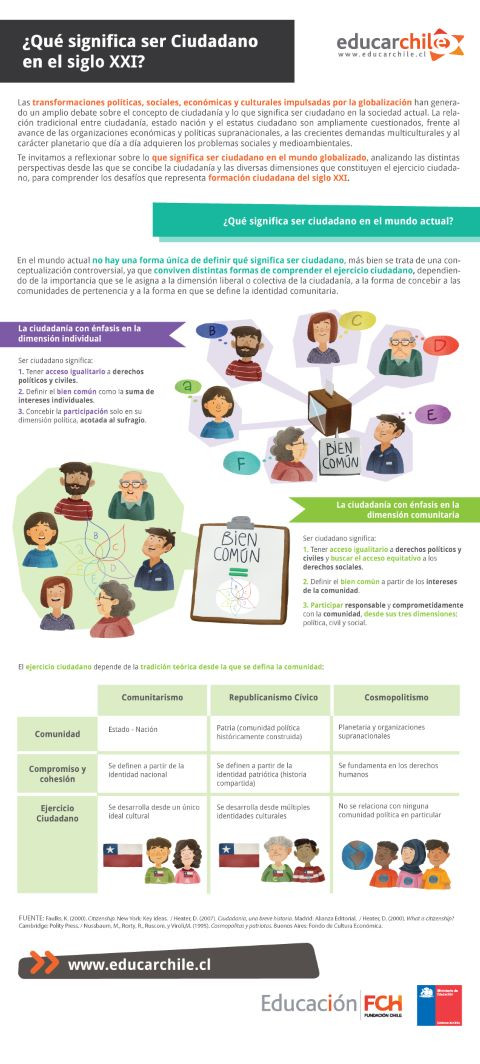 What Does it Mean to Be a Citizen in the 21st Century? (Part2) Auteur institutionnel: Educar Chile | Chile Foundation It is invited to reflect on what it means to be a citizen in the globalized world, analyzing the different perspectives from which citizenship is conceived and the various dimensions that constitute the exercise of citizenship, in order to understand the challenges that citizen training represents in the 21st century. ¿Qué significa ser ciudadano en el siglo XXI? (parte2) Auteur institutionnel: Educar Chile | Chile Foundation Se invita a reflexionar sobre lo que significa ser ciudadano en el mundo globalizado, analizando las distintas perspectivas desde las que se concibe la ciudadanía y las diversas dimensiones que constituyen el ejercicio ciudadano, para comprender los desafíos que representa formación ciudadana del siglo XXI.
 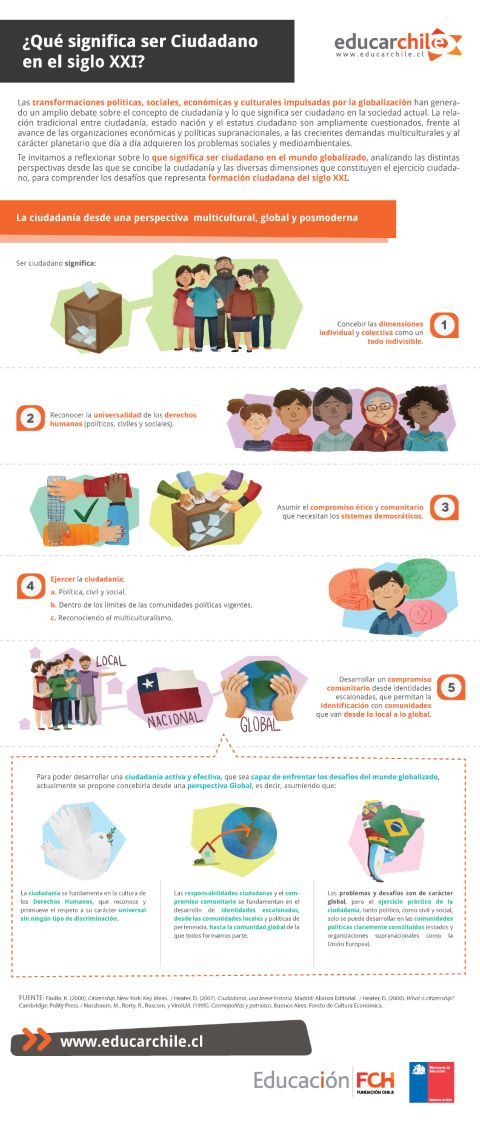 What Does it Mean to Be a Citizen in the 21st Century? (Part3) Auteur institutionnel: Educar Chile | Chile Foundation It explores citizenship from a multicultural, global and postmodern perspective, inviting reflection on the meaning of being a citizen in the 21st century, in order to understand the challenges from the various dimensions. ¿Qué significa ser ciudadano en el siglo XXI? (parte3) Auteur institutionnel: Educar Chile | Chile Foundation Explora la ciudadanía desde una perspectiva multicultural, global y posmoderna, invitando a la reflexión sobre el significado de ser ciudadano en el siglo XXI, para poder comprender los desafios desde las diversas dimensiones.
  Global Citizenship Année de publication: 2020 Auteur institutionnel: Educar Chile | Chile Foundation This video seeks to explain how nation-states have been transformed today, in relation to aspects such as citizenship in an increasingly interconnected world, the internationalization of the economy, and the relationship with other states and intergovernmental organizations. Ciudadanía global Année de publication: 2020 Auteur institutionnel: Educar Chile | Chile Foundation En este video se busca explicar cómo se han transformado los estados-nación en la actualidad, en relación con aspectos como la ciudadanía en un mundo cada vez más interconectado, la internacionalización de la economia y la relación con otros estados y organismos intergubernamentales.
 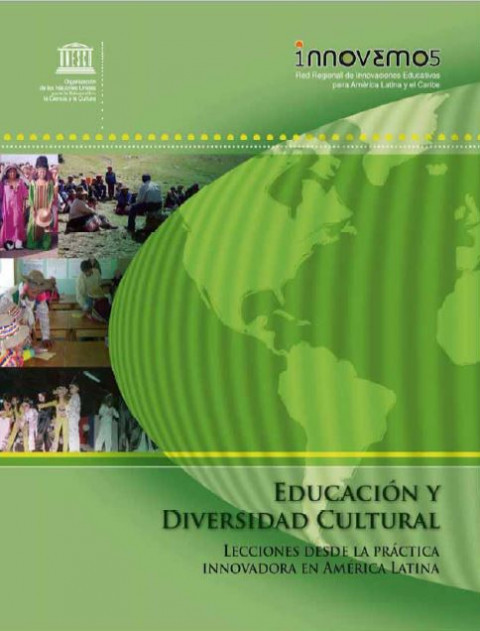 Education and Cultural Diversity Lessons from Innovative Practice in Latin America Année de publication: 2008 Auteur: Carolina Hirmas R. Auteur institutionnel: UNESCO Santiago This publication, which is the second volume of the collection, is the result of analysis and reflection on a series of innovative educational experiences from several Latin American countries, which respond with pedagogical relevance to the students' cultural context and offer an education oriented towards knowledge, understanding and dialogue between people of different cultures. The significant contribution of the aforementioned experiences lies in the recognition and appreciation of the ethnic and cultural diversity of its students and communities, as a starting point for the development of new learning and affirmation of their identity. In turn, life in educational centers promotes intercultural relations of respect and fraternity in a local and subregional sociogeographic context, characterized by multiculturalism.
  Education for Democratic Citizenship in Secondary Schools in Latin America Année de publication: 2005 Auteur: Fernando Reimers, Eleonora Villegas Reimers Auteur institutionnel: Banco InterAmericano de Desarrollo (BID) This document was commissioned by the Educational Network of the Regional Policy Dialogue for the VII Hemispheric Meeting held on February 17 and 18, 2005. This report is a contribution to the discussion of the Dialogue on Formation for Democracy and Secondary Education in Latin America. In this text, we present an analysis of the results of a survey on education for democracy carried out as part of the activities of the Education Network, which was sent by the Bank to the member countries of the Dialogue2. We frame these results in a conceptualization of what it means to educate for democracy. We complement the discussion with information from additional sources that illuminate different aspects of the conceptual framework proposed here.