
Ressources
Explorez une large gamme de ressources sur le GCED afin d’approfondir votre compréhension et de renforcer vos activités de recherche, de plaidoyer, d’enseignement et d’apprentissage.
875 résultats trouvés
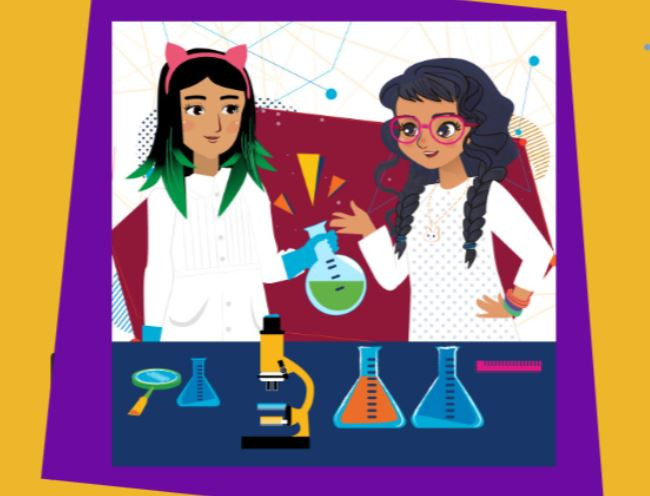 Día Internacional de la mujer y la niña en la ciencia Auteur institutionnel: Global Citizenship (Buenos Aires) A propósito del día internacional de la mujer y la niña en la cencia, esta infografía presenta información relevante sobre las brechas de participación femenina en investigación y trabajos en temas científicos. Incluye vínculos a materiales de apoyo.
  Peru SDG Push Framework: Unlocking New Pathways to SDG Acceleration Année de publication: 2024 Auteur institutionnel: United Nations Development Programme (UNDP) SDG Push is about realizing development ambition and redefining how we build acceleration pathways. It helps pinpoint policy choices that ‘move the needle’ towards the achievement of the Sustainable Development Goals. A UNDP flagship initiative, SDG Push uses digital and data innovation, systems thinking, and futures approaches to provide a comprehensive and country-specific tool to plan and implement SDG breakthroughs in a variety of development contexts. SDG Acceleration Pathways, specific to context and need, were co-created in collaboration with Indonesia, Moldova, Namibia, Peru and South Africa. These pilots helped to refine the SDG Push approach and the digital SDG Push Diagnostic and formed the foundation of the Integrated SDG Insights Reports, presented at the 2023 SDG Summit. This integrated, modular approach includes the analysis of development trends and priorities with data visualization, integrating generative dialogue, foresight methods and economic modelling to assess the impact of potential accelerators.
  Global Kids Online: Comparative Report Année de publication: 2019 Auteur: Sonia Livingstone | Daniel Kardefelt-Winther | Marium Saeed Auteur institutionnel: UNICEF Innocenti The internet is often celebrated for its ability to aid children’s development. But it is simultaneously criticized for reducing children’s quality of life and exposing them to unknown and unprecedented dangers. There is considerable debate about when or how children’s rights – including the rights to expression, to privacy, to information, to play and to protection from harm, as set out in the United Nations Convention on the Rights of the Child – may be realized or infringed in the digital age.With more children around the world going online every day, it is more important than ever to clarify how the internet can advance children’s opportunities in life while safeguarding them from harm or abuse. This requires evidence, from children themselves, that represents the diversity of children’s experiences at the national and global levels. By talking to children, we are better able to understand not only the barriers they face in accessing the internet, but also the opportunities they enjoy and the skills and competences they acquire by engaging in these activities.This allows us to enquire about children’s exposure to online risks and possible harms, and about the role of their parents as mediators and sources of support. In bringing children’s own voices and experiences to the centre of policy development, legislative reform and programme and service delivery, we hope the decisions made in these spheres will serve children’s best interests.
  Women’s Meaningful Participation in Transitional Justice: Advancing Gender Equality and Building Sustainable Peace Année de publication: 2022 Auteur: Lorena Mellado | Emily Kenney | Hariwa Adil Auteur institutionnel: United Nations Entity for Gender Equality and the Empowerment of Women (UN Women) | United Nations Development Programme (UNDP) This detailed research paper explores what women’s meaningful participation in transitional justice means and “looks like” in policy and practice. It focuses specifically on women and addressing the unique barriers to women’s meaningful participation in transitional justice processes as a result of gender-based discrimination.This publication reviews the current policy framework and assertions for women’s meaningful participation in transitional justice and highlights critical gaps between policy and practice. The research paper suggests a definition for women’s meaningful participation in transitional justice, as well as typologies of women stakeholders and roles that women play within transitional justice.
  A New Era for Girls: Taking Stock on 25 Years of Progress for Girls Année de publication: 2020 Auteur institutionnel: United Nations Children's Fund (UNICEF) | United Nations Entity for Gender Equality and the Empowerment of Women (UN Women) | Plan International The analysis presented in this report demonstrates that while girls' lives are better today than they were 25 years ago, the gains are uneven across all regions. The report calls on global, national and regional stakeholders to expand opportunities for girls and young women to be the changemakers and designers of the solutions to their challenges and opportunities; invest in the skills development of adolescent girls so they can compete in today's labour market; improve girls' health and nutrition; and end violence in all its forms against them.
  Turning Promises into Action: Gender Equality in the 2030 Agenda for Sustainable Development Année de publication: 2018 Auteur institutionnel: United Nations Entity for Gender Equality and the Empowerment of Women (UN Women) “Turning promises into action: Gender equality in the 2030 Agenda for Sustainable Development” provides a comprehensive and authoritative assessment of progress, gaps and challenges in the implementation of the Sustainable Development Goals (SDGs) from a gender perspective. This report monitors global and regional trends in achieving the SDGs for women and girls based on available data, and provides practical guidance for the implementation of gender-responsive policies and accountability processes. As a source of high-quality data and policy analysis, the report is a key reference and accountability tool for policymakers, women’s organizations, the UN system, and other stakeholders. Traduire les promesses en actions : L’égalité des sexes dans le Programme de développement durable à l’horizon 2030 Année de publication: 2018 Auteur institutionnel: United Nations Entity for Gender Equality and the Empowerment of Women (UN Women) « Traduire les promesses en actions : l’égalité des sexes dans le Programme de développement durable à l’horizon 2030 » offre une évaluation exhaustive et fiable des progrès, des manquements et des difficultés dans la mise en œuvre des Objectifs de développement durable (ODD) dans une perspective de genre. Ce rapport analyse, sur la base des données disponibles, les grandes tendances mondiales et régionales dans la réalisation des ODD pour les femmes et les filles, et offre des conseils pratiques pour la mise en œuvre de politiques et de processus de responsabilisation sensibles au genre. En tant que source de données et d’analyse des politiques de grande qualité, le rapport constitue une référence et un outil de responsabilisation clé pour les décideurs politiques, les organisations de femmes, le système des Nations Unies, et d’autres parties prenantes. Hacer las promesas realidad: La igualdad de género en la agenda 2030 para el desarrollo sostenible Année de publication: 2018 Auteur institutionnel: United Nations Entity for Gender Equality and the Empowerment of Women (UN Women) “Hacer las promesas realidad: La igualdad de género en la Agenda 2030 para el Desarrollo Sostenible” presenta una evaluación exhaustiva y fidedigna de los avances, dificultades y posibilidades de la aplicación de los Objetivos de Desarrollo Sostenible (ODS) desde una perspectiva de género. El informe hace seguimiento de las tendencias mundiales y regionales con miras a la consecución de los ODS para las mujeres y las niñas sobre la base de los datos disponibles, y ofrece orientación práctica para la ejecución de políticas sensibles al género y los consiguientes procesos de rendición de cuentas. Como fuente de análisis de alta calidad de datos y políticas, el informe es una referencia e instrumento de rendición de cuentas esencial para responsables de la formulación de políticas, organizaciones de mujeres, el sistema de las Naciones Unidas y otras partes interesadas.
 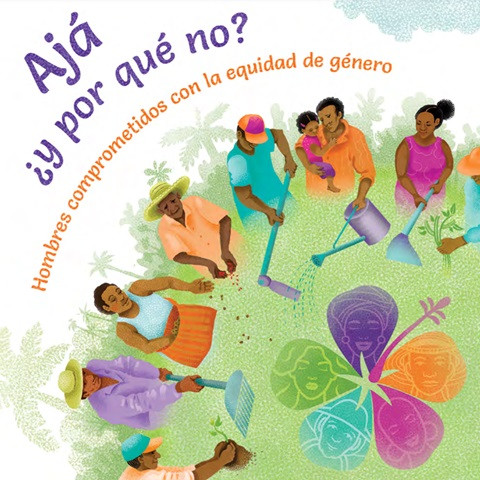 Aha, and Why Not? Men Committed to Gender Equality Année de publication: 2024 Auteur: María Camila Barrera Gutiérrez | Nyria Ramírez Ortega Auteur institutionnel: Center for Research and Popular Education / Program for Peace (CINEP/PPP) This political-methodological booklet has been prepared by the Caribbean Women's Coalition for Land and Territory within the framework of the Stand For Her Land – S4HL Colombia campaign. The purpose of this document is to make available to social organizations, popular educators, teachers, leaders, human rights defenders and facilitators of this training process that has been a communication and popular education initiative to promote community dialogues on non-violent masculinities. The strategy presented here is made up of two inputs: a sound series composed of five chapters and a methodological proposal to address them through community dialogue exercises. Ajá ¿y por qué no? Hombres comprometidos con la equidad de género Année de publication: 2024 Auteur: María Camila Barrera Gutiérrez | Nyria Ramírez Ortega Auteur institutionnel: Center for Research and Popular Education / Program for Peace (CINEP/PPP) Esta cartilla político-metodológica ha sido elaborada por la Coalición de Mujeres del Caribe por la Tierra y el Territorio en el marco de la campaña Stand For Her Land – S4HL Colombia. Este documento tiene por objetivo poner a disposición de organizaciones sociales, educadoras(es) populares, docentes, lideres, lideresas, defensoras(es) de derechos humanos y facilitadoras(es) de este proceso de formación que ha sido una iniciativa de comunicación y educación popular para promover diálogos comunitarios sobre masculinidades no violentas. La estrategia que aquí presentamos se compone de dos insumos: una serie sonora compuesta por cinco capítulos y una propuesta metodológica para abordarlos a través de ejercicios comunitarios de diálogo.