
Ressources
Explorez une large gamme de ressources sur le GCED afin d’approfondir votre compréhension et de renforcer vos activités de recherche, de plaidoyer, d’enseignement et d’apprentissage.
1,182 résultats trouvés
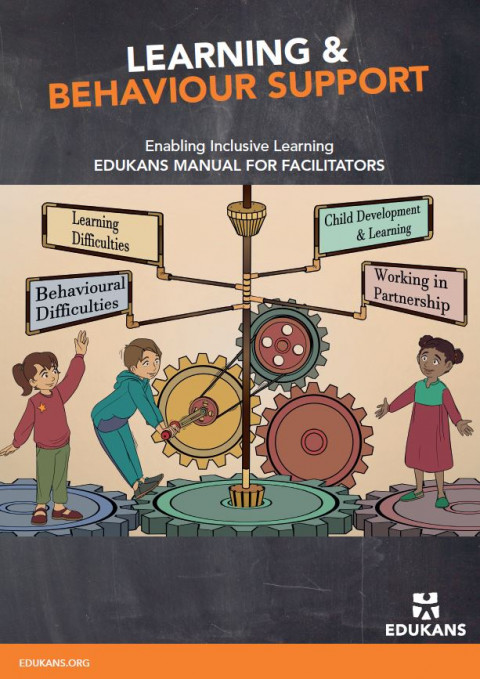 Learning & Behaviour Support: Enabling Inclusive Learning; Edukans Manual for Facilitators Année de publication: 2021 Auteur: Hendrien Maat | Judith Pietersma | Aniek Santema Auteur institutionnel: Edukans This Edukans training manual is intended as a guide to train people in how to respond to the needs of students with learning and behavioural problems, such as dyslexia, dyscalculia, lack of motivation, aggression and anxiety. Troubled behaviour is often a child's way of communicationg distress and, in these cases, the right kind of response can make all the difference. Behavioural and learning difficulites are well-recognized problems all over the world, and inclusive learning is on top of the educational agenda. When a person has more knowledge about learning & behavioural difficulties, he or she can understand the situation that the child is facing and offer suitable suport. This manual aims to help programme managers and trainers to give training to their staff in: understanding the diverse needs of vulnerable students, the origins of learning and behavioural problems, their implications, and a variety of effective support strategies and interventions. The manual is meant to be used by master trainers who can further train teachers, social workers, NGO staff, mentors, relief workers, government officials, mental health workers, and counselors.
 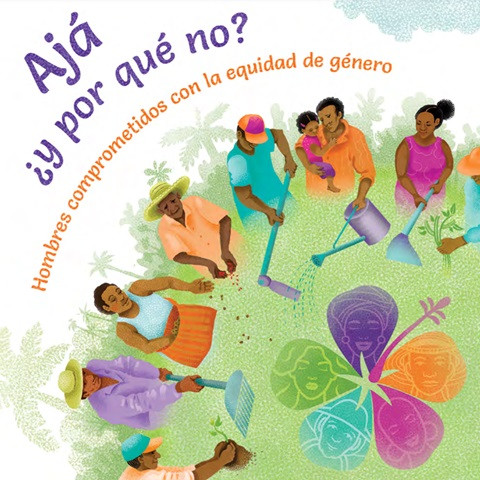 Aha, and Why Not? Men Committed to Gender Equality Année de publication: 2024 Auteur: María Camila Barrera Gutiérrez | Nyria Ramírez Ortega Auteur institutionnel: Center for Research and Popular Education / Program for Peace (CINEP/PPP) This political-methodological booklet has been prepared by the Caribbean Women's Coalition for Land and Territory within the framework of the Stand For Her Land – S4HL Colombia campaign. The purpose of this document is to make available to social organizations, popular educators, teachers, leaders, human rights defenders and facilitators of this training process that has been a communication and popular education initiative to promote community dialogues on non-violent masculinities. The strategy presented here is made up of two inputs: a sound series composed of five chapters and a methodological proposal to address them through community dialogue exercises. Ajá ¿y por qué no? Hombres comprometidos con la equidad de género Année de publication: 2024 Auteur: María Camila Barrera Gutiérrez | Nyria Ramírez Ortega Auteur institutionnel: Center for Research and Popular Education / Program for Peace (CINEP/PPP) Esta cartilla político-metodológica ha sido elaborada por la Coalición de Mujeres del Caribe por la Tierra y el Territorio en el marco de la campaña Stand For Her Land – S4HL Colombia. Este documento tiene por objetivo poner a disposición de organizaciones sociales, educadoras(es) populares, docentes, lideres, lideresas, defensoras(es) de derechos humanos y facilitadoras(es) de este proceso de formación que ha sido una iniciativa de comunicación y educación popular para promover diálogos comunitarios sobre masculinidades no violentas. La estrategia que aquí presentamos se compone de dos insumos: una serie sonora compuesta por cinco capítulos y una propuesta metodológica para abordarlos a través de ejercicios comunitarios de diálogo.
  Working On Emotions, Advancing Equality: Learning Situations Année de publication: 2024 Auteur: Marta Álvarez | María Burgos | Ricardo Hurtado | Francisca Marañón | Laura Seoane Auteur institutionnel: InteRed This publication proposes several learning situations to be carried out in the classroom and in other socio-educational spaces with the aim of understanding and managing the emotions that underlie attitudes and behaviours that generate violence, discrimination and inequality. This proposal continues the work that we at InteRed have been doing to generate in people the capacities to position themselves in the current system of inequalities from a social justice perspective, without losing confidence that another model of development that is more fair, equitable and sustainable is possible. In this process of capacity building, we believe it is essential to address the management of emotions. Trabajando emociones, avanzando en igualdad: Situaciones de aprendizaje Année de publication: 2024 Auteur: Marta Álvarez | María Burgos | Ricardo Hurtado | Francisca Marañón | Laura Seoane Auteur institutionnel: InteRed Esta publicación propone varias situaciones de aprendizaje para realizar en el aula y en otros espacios socioeducativos con el objetivo de comprender y manejar las emociones que están en la base de actitudes y comportamientos que generan violencia, discriminación y desigualdad. Esta propuesta da continuidad al trabajo que desde InteRed venimos realizando de generar en las personas capacidades para posicionarse en el actual sistema de desigualdades desde un enfoque de justicia social, sin perder la confianza de que es posible otro modelo de desarrollo más justo, equitativo y sostenible. En ese proceso de generación de capacidades creemos imprescindible abordar la gestión de las emociones.
 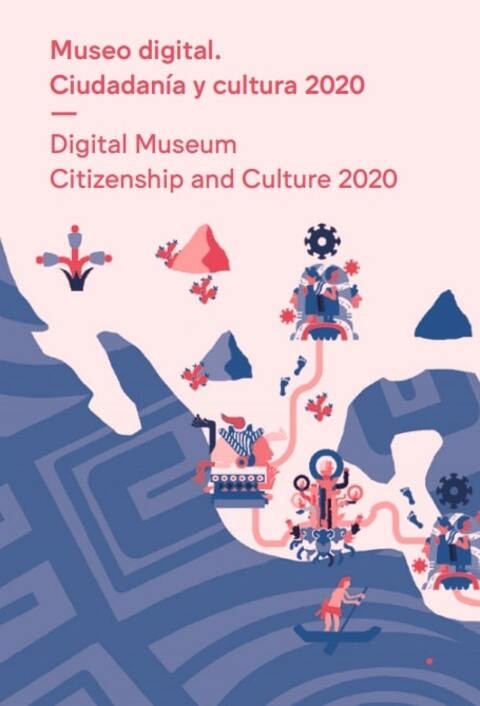 Digital Museum: Citizenship and Culture 2020 Année de publication: 2022 Auteur institutionnel: National Autonomous University of Mexico (UNAM) Conversations about digitality and museums were transformed, as a result of the COVID-19 pandemic, towards actions and topics related to the creation of content with perspectives of building a digital citizenship where activism, free access and the exercise of cultural rights They are confronted with the paradoxes of the privatization of knowledge, job insecurity, 2.0 exploitation systems and the emergence of asymmetrical time horizons. This publication expands on the conferences, dialogues, workshops and case studies presented at the homonymous meeting held in November 2020. Museo digital: Ciudadanía y cultura 2020 Année de publication: 2022 Auteur institutionnel: National Autonomous University of Mexico (UNAM) Las conversaciones sobre digitalidad y museos se transformaron, a raíz de la pandemia por COVID-19, hacia acciones y temas relativos a la creación de contenidos con perspectivas de construcción de una ciudadanía digital donde el activismo, el acceso libre y el ejercicio de derechos culturales se confrontan con las paradojas de la privatización de saberes, la precarización laboral, los sistemas de explotación 2.0 y la emergencia de horizontes temporales asimétricos. Esta publicación expande las conferencias, diálogos, talleres y estudios de caso presentados en el encuentro homónimo celebrado en noviembre de 2020.
 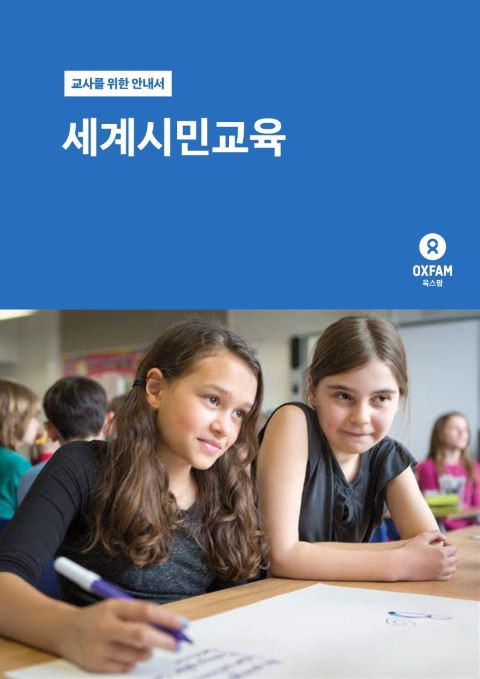 교사를 위한 안내서: 세계시민교육 Année de publication: 2025 Auteur institutionnel: 옥스팜 빠르게 변하는 ‘세계화’의 세상은 청소년들에게 엄청난 기회와 함께 그에 못지 않은 수많은 도전 과제를 주고 있습니다. 옥스팜은 세계 시민 교육을 통해 청소년들에게 교육분쟁, 기후변화, 불평등과 빈곤 등 전 세계에서 일어나고 있는 기회와 도전을 받아들이고, 나아가 자신이 살고 싶은 세상을 만들어 나갈 수 있도록 관련된 지식, 기술, 가치를 교육받을 권리를 실현시킬 수 있도록 지원합니다. 이슈 트리, 결과의 바퀴, 역할 놀이 등 옥스팜이 소개하는 구체적인 활동안을 활용해 학생들과 함께 유익한 세계 시민 교육을 진행해 보세요. 주요 내용 세계 시민의식 키우기 세계 시민의식에서 중요한 개념들 교실 수업에서 세계 시민의식 키우기 학습과 의사 결정에 참여하기 질문하기 연관성 찾기 관점과 가치 탐구하기 세계 시민으로서 적극적으로 행동하기 수업 평가하기
 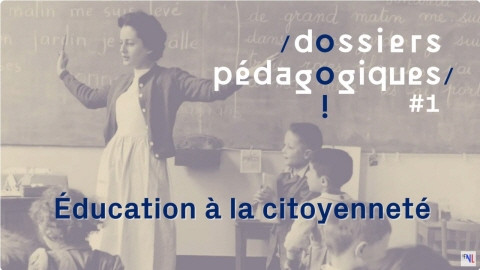 Educational Pack: Claire Ravez, research analyst focused on monitoring and analysis, IFE Année de publication: 2021 Auteur institutionnel: French Institute of Netherlands As a professor of history and geography, Claire Ravez joined the Monitoring and Analysis team of the French Institute of Education within the École normale supérieure de Lyon in 2017.Pedagogical file #1 is dedicated to civic education, with contributions from Claire Ravez, Dominique Schnapper, FEi, and the National Library of France. Dossier pédagogique : Claire Ravez, chargée d'étude Veille et Analyses, IFE Année de publication: 2021 Auteur institutionnel: French Institute of Netherlands Professeure d’histoire-géographie, Claire Ravez a rejoint l’équipe Veille et Analyses de l’Institut français de l’éducation au sein de l’École normale supérieure de Lyon en 2017.Dossier pédagogique #1 consacré à l’éducation à la citoyenneté, avec les contributions de Claire Ravez, Dominique Schnapper, FEi et la BnF.