
Ressources
Explorez une large gamme de ressources sur le GCED afin d’approfondir votre compréhension et de renforcer vos activités de recherche, de plaidoyer, d’enseignement et d’apprentissage.
1,182 résultats trouvés
 Réimaginer l’éducation aux compétences de vie et à la citoyenneté au Moyen-Orient et en Afrique du Nord : Une approche à quatre dimensions et systémique des compétences pour le XXIe siècle ; Cadre programmatique et conceptuel Année de publication: 2017 Auteur institutionnel: UNICEF Middle East and North Africa L’Initiative pour l’éducation aux compétences de vie et à la citoyenneté de la région MENA (LSCE) représente un effort de collaboration étatique et régional en faveur de la réalisation de l’objectif de développement durable (ODD) 4 – Assurer l’accès de tous à une éducation de qualité, sur un pied d’égalité, et promouvoir les possibilités d’apprentissage tout au long de la vie. Elle cherche à reformuler la compréhension traditionnelle de l’éducation aux compétences de vie et à la citoyenneté dans la région, tout en rappelant les questions fondamentales au sujet du but et du rôle de l’éducation dans le développement sociétal qui sont pertinentes dans le contexte actuel.L’Initiative LSCE se concentre sur trois défis interdépendants :Une société du savoir inaccessible, résultat de la mauvaise qualité de l’éducation, du bas niveau des résultats scolaires et d’une équité et inclusion limitées.Une croissance économique en déclin, résultat d’un manque d’aptitudes à l’employabilité, du haut taux de chômage chez les jeunes, de l’inégalité des sexes face à l’accès au marché du travail, du manque de création d’emplois, et d’un environnement économique faible.Une faible cohésion sociale, résultat de l’escalade de la violence et de la radicalisation tout autant que d’un faible engagement civique.
  IIEP-UNESCO 12th Medium-Term Strategy: 2026–2029 Année de publication: 2026 Auteur institutionnel: UNESCO International Institute for Educational Planning (IIEP) The 2026-2029 Medium-Term Strategy of the UNESCO International Institute for Educational Planning provides a vision for transforming educational planning into tangible results for education systems across the globe. Building on more than 60 years of experience, the Strategy puts the focus not only on policy and plan design, but on collective and agile implementation.
  Analytical Mapping of Life Skills and Citizenship Education in the Middle East and North Africa Année de publication: 2017 Auteur institutionnel: UNICEF Middle East and North Africa The Analytical Mapping of the Life Skills and Citizenship Education in MENA, published in October 2017, provides a multi-stakeholder view of the status of life skills and citizenship education in MENA and the corresponding vision for the region. It does not evaluate existing interventions, nor is it meant to generate an exhaustive list of all existing life skills programmes in MENA. It rather aims to provide an analytical overview of Life Skills and Citizenship Education (LSCE) related intervention in the region. Through analyzation, it also attempts to highlight general challenges encountered in the programming of LSCE, as well as focus on opportunities for LSCE in MENA national education systems.
  Development Strategy of Uzbekistan: Civil Society; Training and Methodology Complex Année de publication: 2019 Auteur: M.N. Primov | T. Norboev Auteur institutionnel: Uzbekistan. Ministry of Higher and Secondary-Specialized Education | Tashkent Institute of Finance The document is a collection of training materials on the conditions and prospects for the development of civil society in Uzbekistan, as well as the implementation of the main directions of the Action Strategy. The document also the role of local governments of citizens, non-governmental non-profit organizations in improving institutions civil society.A major role in this is played by new socio-political disciplines, which include the “Development Strategy of Uzbekistan. Civil society". This course reveals the basic scientific principles of the formation of civil society and the development strategy of Uzbekistan, analyzes the main stages of transformation, shows the irreversibility of the reforms carried out in the country, and helps to build the civic position of each member of the society. It is organically woven into the humanities system, forming a common logical chain with it; It helps to answer questions of modern policy of our state and to determine the place and role of each person in the grandiose transformations carried out in the country. Стратегия развития Узбекистана. Гражданское общество: Учебно-методический комплекс Année de publication: 2019 Auteur: M.N. Primov | T. Norboev Auteur institutionnel: Uzbekistan. Ministry of Higher and Secondary-Specialized Education | Tashkent Institute of Finance Документ является сборником учебных материалов, посвященных условиям и перспективам развития гражданского общества в Узбекистане, а также реализации основных направлений Стратегии действий. В документе также рассматривается роль органов местного самоуправления граждан, негосударственных некоммерческих организаций в совершенствовании институтов гражданского общества.Большую роль в этом играют новые социально-политические дисциплины, в число которых входит и «Стратегия развития Узбекистана. Гражданское общество». Данный курс раскрывает основные научные принципы формирования гражданского общества и стратегию развития Узбекистана, анализирует основные этапы преобразований, показывает необратимость проводимых в стране реформ, помогает формированию гражданской позиции каждого члена общества. Он органично вплетается в систему гуманитарных наук, образуя общую логическую цепь с ней; помогает ответить на вопросы современной политики нашего государства и определить место и роль каждого человека в грандиозных преобразованиях, проводимых в стране.
  La concertation pluri-acteurs et actrices: un guide pour agir en collectif Année de publication: 2021 Auteur institutionnel: BATIK International Ce guide a été conçu à partir de référence théoriques et des retours d'expériences des associations algériennes qui ont animé des concertations pour résoudre des problèmatiques au niveau local. Vous y trouverez une méthodologie et des références théoriques pour initier une concertation ainsi que des retours pratiques du terrain et des conseils pour réussir sa concertation. This guide has been designed on the basis of theoretical references and feedback from Algerian associations that have led consultations to resolve problems at local level. You will find a methodology and theoretical references for initiating consultation, as well as practical feedback from the field and advice on how to make consultation a success.
 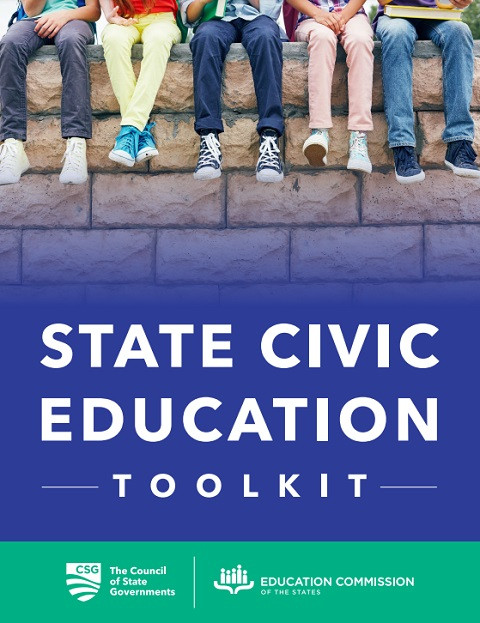 State Civic Education: Toolkit Année de publication: 2017 Auteur: Elizabeth Whitehouse | Paul J. Baumann | Jan Brennan Auteur institutionnel: Council of State Governments | Education Commission of the States This Civic Education Toolkit is intended to help stakeholders from all three branches of government, as well as other members of the civic education community in their mission to improve state civic education. There are many unique strategies stakeholders can use to effectively engage students. To effectively use this guide, the icons below denote methods and examples that may be particularly useful to leaders from each branch of government, leaders in the K-12 education community, leaders in the higher education community, and leaders working with non-governmental organizations.
 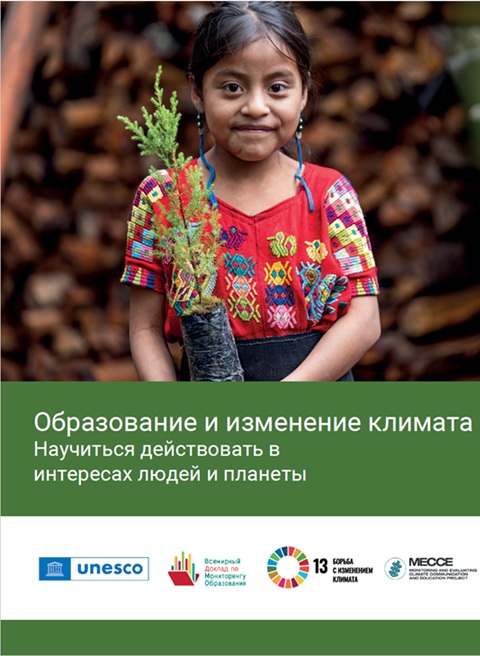 Образование и изменение климата: Научиться действовать в интересах людей и планеты Année de publication: 2024 Auteur institutionnel: Global Education Monitoring Report Team | Monitoring and Evaluating Climate Communication and Education Project (MECCE) | University of Sakatchewan Как образование может стимулировать деятельность в связи с изменением климата?Несмотря на убедительные факты, свидетельствующие о влиянии образования на достижение других результатов в области развития и о его роли в укреплении профессионального потенциала для перехода к устойчивому развитию, образование зачастую не учитывается при рассмотрении другими секторами вопросов, касающихся стратегических аспектов, политики, планирования и финансирования. В рамках Всемирного доклада по мониторингу образования предлагается новая серия публикаций, призванных содействовать диалогу на тему взаимосвязи образования с другими целями в области устойчивого развития.Первая публикация в этой серии посвящена изменению климата. Сначала в ней рассматривается растущее влияние изменения климата на образование, а затем – роль образования в деятельности в области климата. Вклад образования в развитие профессионального потенциала для перехода к «зеленой» экономике во многом недооценен. Принято считать, что формальное, неформальное и информальное обучение также играют важнейшую роль в создании мотивации для действий по смягчению последствий изменения климата и адаптации к ним.Однако положительная корреляция между уровнем образования и неустойчивыми моделями потребления, а также неоднозначность многих исследований на тему непосредственного влияния образования на меры по адаптации к изменению климата и смягчению его последствий, в некоторой степени способствуют тому, что образованию уделяется недостаточно внимания в глобальных и национальных программах действий в области изменения климата.В настоящей публикации показано, что для успешной реализации потенциала образования в области изменения климата его необходимо адаптировать. Парадигма образования не может быть основана только лишь на передаче знаний – она должна быть нацелена на формирование социально-эмоциональных навыков и обучение, ориентированное на действия.Значительная доля проведенных исследований посвящена влиянию уровня образования и когнитивного обучения, в связи с чем требуется проведение дополнительных исследований для оценки других факторов, позволяющих образованию оказывать воздействие на модели поведения и создавать мотивацию для деятельности в связи с изменением климата. Такие исследования необходимы для разработки эффективных пакетов образовательных реформ, направленных на совершенствование учебных программ, повышение готовности школ и систем образования к изменению климата, обеспечение вовлеченности учащихся и соответствующую подготовку педагогов.
 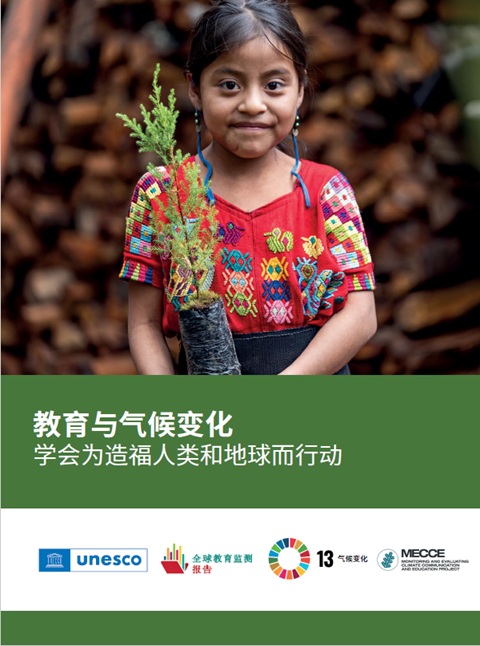 教育与气候变化 学会为造福人类和地球而行动 Année de publication: 2024 Auteur institutionnel: Global Education Monitoring Report Team | Monitoring and Evaluating Climate Communication and Education Project (MECCE) | University of Sakatchewan 教育如何促成气候变化行动?尽管有强有力的证据表明教育可以影响其他发展成果,并在培养促进可持续发展转型的专业能力方面发挥着重要作用,但在其他部门的战略、政策、规划和筹资考量中,却常常看不到教育的踪影。《全球教育监测报告》现推出一个新的出版物系列,以推动关于教育与其他可持续发展目标之间相互关系的对话。该系列的第一份出版物聚焦气候变化。其中首先分析了气候变化对教育日渐增强的影响,随后探讨了教育在气候行动中的作用。教育在培养促进向绿色经济转型的专业能力方面的贡献,在某种程度上未得到充分重视。人们普遍认为,正规、非正规和非正式学习在推动采取减缓和适应气候变化的行动方面也发挥着关键作用。然而,由于受教育程度与不可持续的消费水平之间存在正相关关系,而且关于教育对气候变化适应和减缓行动的直接影响方面的许多研究尚无定论,这在一定程度上导致教育在全球和国家气候变化议程中不受重视。本出版物认为,需要对气候变化教育作出调整,以充分发挥其潜力。教育模式不能仅仅依靠知识传授,还需要注重社会情感和行动导向学习。大部分研究都侧重于受教育程度和认知学习的影响。因此,需要开展更多研究,以评估教育还可以借由哪些其他驱动因素来影响行为并推动气候变化行动。需要借助此类研究来制定可行的教育改革方案,以完善课程设置,加强学校和教育系统的气候行动准备工作,让学习者参与进来,并使教育工作者做好相应的准备。
 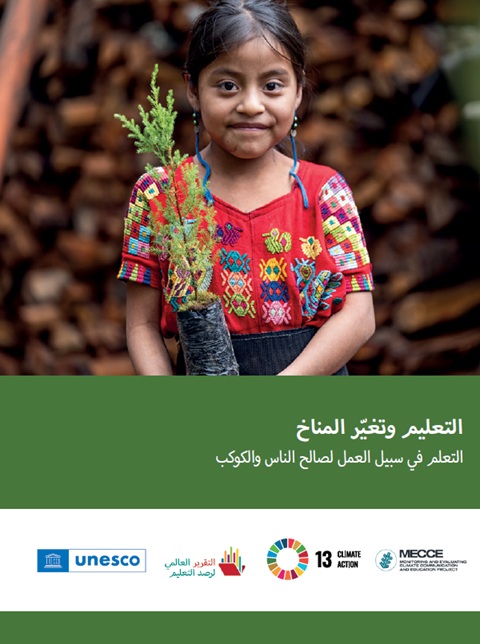 التعلّم من أجل العمل لصالح الناس والكوكب: التعليم وتغيّر المناخ Année de publication: 2024 Auteur institutionnel: Global Education Monitoring Report Team | Monitoring and Evaluating Climate Communication and Education Project (MECCE) | University of Sakatchewan ملخص مختصركيف يفضي التعليم إلى اتخاذ إجراءات بشأن تغيّر المناخ؟مع أن هنالك بيّنات دامغة على تأثير التعليم في سائر النتائج في مجال التنمية، وعلى الدور الذي يؤديه التعليم في تنمية القدرات المهنية اللازمة لعمليات الانتقال إلى التنمية المستدامة، فإن التعليم عادةً ما يكون غائباً عن اعتبارات سائر القطاعات عند اضطلاعها بوضع الاستراتيجيات والسياسات والتخطيط والتمويل. ولذا، استحدث التقرير العالمي لرصد التعليم سلسلة جديدة من المنشورات سعياً إلى تعزيز الحوار بشأن العلاقة المتبادلة بين التعليم وسائر أهداف التنمية المستدامة.وتتمحور الوثيقة الأولى في هذه السلسلة حول تغيّر المناخ. وتستعرض في مستهلها تنامي عواقب تغيّر المناخ على التعليم، ثم تتناول دور التعليم في العمل المناخي. وتبيّن الوثيقة أن مساهمة التعليم في تنمية القدرات المهنية اللازمة للانتقال إلى الاقتصاد المراعي للبيئة (الأخضر) لا تنال حقّ قدرها من التقدير. وهنالك قناعة شائعة أيضاً بأن التعليم، سواء النظامي أو غير النظامي أو غير الرسمي، يؤدي دوراً حاسماً في الحفز على اتخاذ الإجراءات الرامية إلى الحد من وطأة عواقب تغيّر المناخ والتكيف معها.بيد أن العلاقة الطردية بين التحصيل العلمي ومستويات الاستهلاك غير المستدام، فضلاً عن عدم توصل البحوث بشأن التأثير المباشر للتعليم في إجراءات التكيف مع عواقب تغيّر المناخ والحد من وطأتها إلى نتائج قاطعة، ساهما مساهمة جزئية في وضع مجال التعليم في أسفل سلم أولويات الخطط العالمية والوطنية المتعلقة بتغيّر المناخ.وتدّعي هذه الوثيقة ضرورة تكييف التعليم بشأن تغيّر المناخ لكي يتسنى تحقيق الإمكانيات الكامنة فيه. فلا يمكن أن يقتصر النموذج التربوي على نقل المعارف، بل لا بد له من التركيز أيضاً على التعلم الاجتماعي والعاطفي والعمل المنحى.وقد تمحور العديد من البحوث حول تأثير التحصيل العلمي والتعلم المعرفي. ولذا من الضروري إجراء المزيد من البحوث لتقييم سائر العوامل الحفازة التي يمكن للتعليم التأثير من خلالها في أنماط السلوك والحفز على اتخاذ إجراءات بشأن تغيّر المناخ. وتعدّ هذه البحوث ضرورية أيضاً من أجل إعداد برامج إصلاح قابلة للتطبيق في مجال التعليم تفضي إلى تحسين المناهج الدراسية، وتعزيز تأهب المدارس ونظم التعليم للتصدي لعواقب تغيّر المناخ، وإشراك المتعلمين، وإعداد المعلمين بما يتلاءم مع ذلك.