
Ressources
Explorez une large gamme de ressources sur le GCED afin d’approfondir votre compréhension et de renforcer vos activités de recherche, de plaidoyer, d’enseignement et d’apprentissage.
875 résultats trouvés
 Teacher Training for Multicultural Education in Favour of Democracy and Sustainable Development: the Territorial Approach Année de publication: 1995 Auteur: Raúl Galiardi | Paula Bernadini Mosconi Auteur institutionnel: UNESCO This publication is part of the book Teacher Training and Multiculturalism: National Studies. This book presents the outcomes concerning the initial training systems of teachers in eight countries at different levels of development in different regions of the world but who are faced with a common challenge to educate for cultural diversity. Both the conclusions of each particular study and the general outcomes demonstrate the complexity of the problems and the benefits of comparative analysis. Overcoming prejudices and stereotypes is not an easy task nor likely to be achieved in the short term. Mentalities change far more slowly than knowledge and, because of this, educational strategies need to be applied in the long term. This study also shows that it is necessary to improve the exchange of experiences as well as contacts between people and institutions who are confronted with the same problems in different contexts. The publication of the initial outcomes of this project is intended to enrich the quality of discussions between specialists and institutions who, in different parts of the world, are concerned by multicultural education as an instrument to promote understanding, respect and dialogue between cultures.
 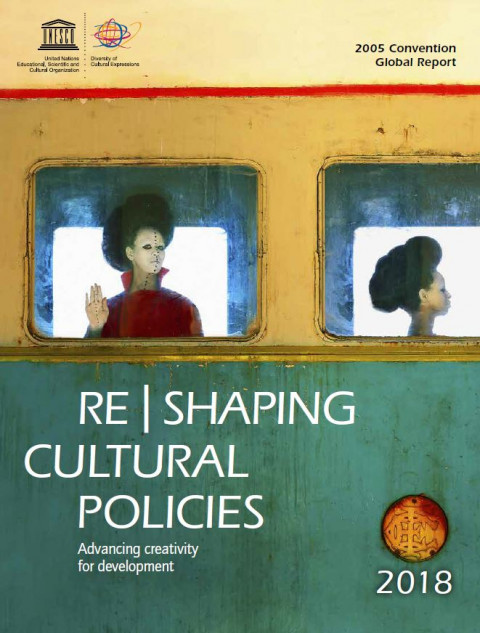 문화정책의 (재)구성: 발전을 위한 창의성 증진; 문화다양성 협약 글로벌 리포트, 2018 Année de publication: 2018 Auteur institutionnel: 유네스코 '글로벌 리포트(Global Report)' 시리즈는 유네스코 「문화적 표현의 다양성 보호과 증진에 관한 협약(2005)」의 이행을 모니터링하기 위해 기획되었다. 본 시리즈는 이러한 이행 과정이 UN의 2030 지속가능발전목표 및 세부목표를 달성하는 데 어떻게 기여하는지 증거를 통해 보여주고 있다.2018년 글로벌 리포트는 2015년에 첫 번째 리포트가 출간된 이후 협약을 이행하면서 이루어진 진전 사항을 분석하고 있다.본 보고서는 협약 당사국들이 제출한 국가보고서에 대한 분석과 그와 관련된 새로운 연구 결과를 바탕으로 협약이 10개의 모니터링 분야에서 세계 및 국가 수준의 정책 변화에 어떻게 영향을 주었는지 검토하고 있다. 또한 본 보고서는 디지털 환경의 급속한 변화에 맞는 문화정책을 다루면서 인권과 기본적 자유를 기반으로 하는 향후 일련의 정책 권고안을 제시하고 있다.이 두 편의 글로벌 리포트는 문화정책을 수립하고 발전을 위한 창의성을 증진시킬 수 있는 새롭고 가치 있는 증거를 제시하기 시작하고 있다. Re|shaping Cultural Policies: Advancing Creativity for Development; 2005 Convention Global Report, 2018 Année de publication: 2018 Auteur institutionnel: UNESCO The Global Report series has been designed to monitor the implementation of the UNESCO Convention on the Protection and Promotion of the Diversity of Cultural Expressions (2005). It also provides evidence of how this implementation process contributes to attaining the United Nations 2030 Sustainable Development Goals and targets.The 2018 Global Report analyses progress achieved in implementing the 2005 Convention since the first Global Report was published in 2015.Grounded in the analysis of the Quadrennial Periodic Reports submitted by Parties to the Convention and relevant new findings, this report examines how the 2005 Convention has inspired policy change at the global and country level in ten areas of monitoring. It puts forward a set of policy recommendations for the future, addressing the adaptation of cultural policies to rapid change in the digital environment, based on human rights and fundamental freedoms.When deployed together, the two editions of the Global Report are beginning to produce new and valuable evidence to inform cultural policy making and advance creativity for development. Repenser les politiques culturelles: la créativité au coeur du développement; Rapport mondial Convention 2005, 2018 Année de publication: 2018 Auteur institutionnel: UNESCO La série des Rapports mondiaux a été conçue pour faire le suivi de la mise en oeuvre de la Convention de l’UNESCO sur la protection et la promotion de la diversité des expressions culturelles (2005). Elle sert également à montrer comment ce processus contribue à la réalisation des Objectifs de développement durable des Nations Unies à l’horizon 2030.Le Rapport mondial 2018 analyse les progrès accomplis dans la mise en oeuvre de la Convention de 2005 depuis la publication du premier Rapport mondial en 2015.A partir des rapports périodiques quadriennaux soumis par les Parties à la Convention et de nouvelles analyses, ce Rapport examine comment la Convention de 2005 a inspiré des changements politiques aux niveaux mondial et national dans dix domaines clés de l’action politique. Il propose un ensemble de recommandations politiques pour le futur et met l’accent sur l’adaptation des politiques culturelles, fondées sur les droits de l’homme et les libertés fondamentales, afin de faire face aux transformations rapides suscitées par l’environnement numérique.
 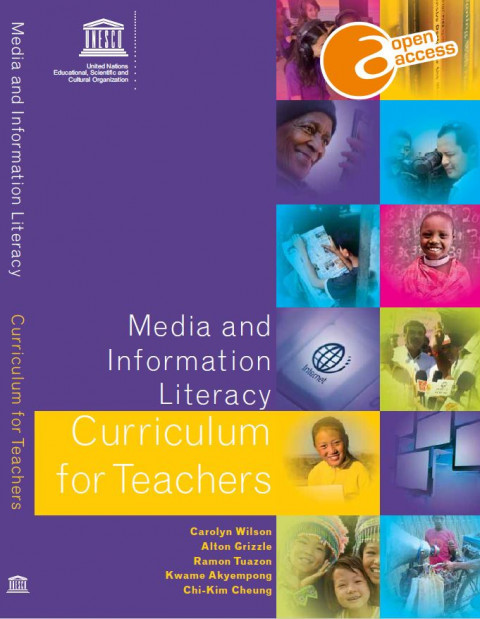 Education aux médias et à l'information: programme de formation pour les enseignants Année de publication: 2011 Auteur: Carolyn Wilson | Alton Grizzle | Ramon Tuazon | Kwame Akyempong | Chi Kim Cheung Auteur institutionnel: UNESCO Nous vivons dans un monde où la qualité de l’information que nous recevons détermine largement nos choix et nos actions et en particulier, notre capacité à pro ter des libertés fondamentales et notre possibilité d’autodétermination et de développement. Ce programme d’éducation aux médias et à l’information pour les enseignants est une ressource importante pour les États membres de l’UNESCO et une publication expérimentale. Elle est prospective et s’efforce de réaliser la convergence de la radio, la télévision, l’Internet, les journaux, les livres, les archives numériques et les bibliothèques sur une même plate-forme. Elle est aussi spécialement conçue pour permettre l’intégration de ce programme dans le système formel de formation des enseignants. L’UNESCO croit que ce programme sera une étape importante d’innovation et de progrès pour tous les niveaux d’éducation. Медийная и информационная грамотность: программа обучения педагогов Année de publication: 2011 Auteur: Carolyn Wilson | Alton Grizzle | Ramon Tuazon | Kwame Akyempong | Chi Kim Cheung Auteur institutionnel: UNESCO Данная программа обучения педагогов медийной и информационной грамотности — важный источник информации для государств-членов ЮНЕСКО, призванный содействовать их усилиям по достижению целей, сформулированных в Грюнвальдской декларации (1982 г.), Александрийской декларации (2005 г.) и Парижской повесткой дня (2007 г.), имеющих прямое отношение к медийной и информационной грамотности (МИГ). Данное издание состоит из двух частей. Часть 1 содержит описание программы обучения и системы компетенций МИГ. В ней описываются логика, структура и основные темы програм-мы. Она дополняет «Структуру ИКТ-компетентности учителей» (ICTs Competency Framework for Teachers), подготовленную ЮНЕСКО в 2008 г. Часть 2 включает в себя подробное описание базовых и дополнительных модулей учебной программы. Программа обучения учителей медийной и информационной грамотности переведена на арабский, французский, русский и испанский языки.
  Achieving Gender Equality in Education: Don't Forget the Boys (Policy Paper 35) Année de publication: 2018 Auteur institutionnel: UNESCO Achieving gender equality in and through education is central to meeting the targets of the 2030 Agenda for Sustainable Development. While the emphasis tends to be on the effects of gender norms on girls, this paper puts the spotlight on the less recognized effects of these norms on boys’ schooling, particularly at the secondary level and amongst those from the poorest families. It argues that addressing boys’ disadvantage and disengagement in education is an essential part of a response to the challenge of gender inequality, in education and beyond. Media and Information Literacy Curriculum for Teachers Année de publication: 2011 Auteur: Carolyn Wilson | Alton Grizzle | Ramon Tuazon | Kwame Akyempong | Chi Kim Cheung Auteur institutionnel: UNESCO We live in a world where the quality of information we receive largely determines our choices and actions, including our capacity to enjoy fundamental freedoms and the ability for self-determination and development. This Media and Information Literacy Curriculum for Teachers is an important resource for UNESCO Member States and a pioneering publication.First, it is forward looking, drawing on present trends toward the convergence of radio, television, Internet, newspapers, books, digital archives and libraries into one platform. Second, it is specifically designed for integration into the formal teacher education system.UNESCO believes that, ultimately, this curriculum will contribute to innovation and improvement in all levels of education.
 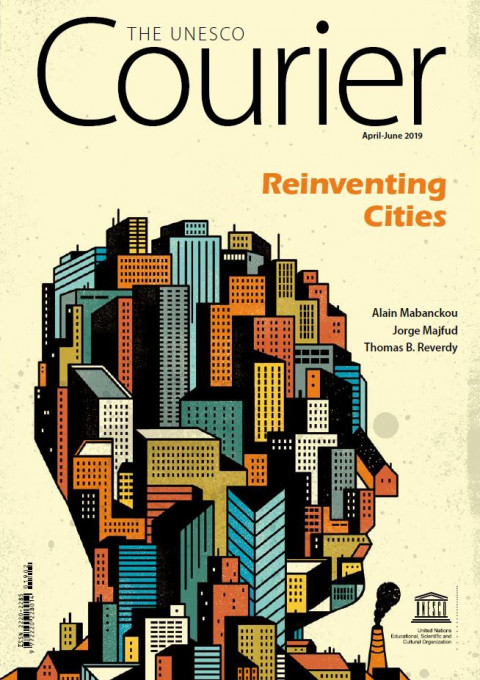 Cuando las ciudades se renuevan (El Correo de la UNESCO no. 2, abril-junio 2019) Année de publication: 2019 Auteur: Alain Mabanckou | Jorge Majfud | Thomas B. Reverdy Auteur institutionnel: UNESCO Las ciudades siempre han sido centros de poder, atracción y prosperidad. Pero la urbanización descontrolada que ha tenido lugar en las últimas décadas pone en peligro su función histórica de crisoles de culturas.A medida que aumenta la población, las ciudades se deshumanizan: violencia, desigualdad, discriminación… Mientras más crecen, mayores dimensiones adquieren esos males que las asedian.Pero al tiempo que se deshumanizan, las ciudades se renuevan. Del ingenio para buscarse la vida en Kinsasa (RDC) a los grandes proyectos nacionales de rehabilitación de urbes monoindustriales en Rusia; de la iniciativa personal de un galerista que sacó de su somnolencia a la pequeña villa de Erriadh (Túnez) a la movilización de masas contra la apropiación autoritaria del espacio público en Varsovia (Polonia); de los movimientos de solidaridad con los migrantes que operan en Londres (Reino Unido) a las sinergias que hacen revivir el casco antiguo de La Habana (Cuba), surgen y se organizan fuerzas creadoras que dan a la vida urbana nuevo sentidos y perspectivas inéditas. Cabe pensar que se trata de “minúsculas resistencias”, para usar la expresión del escritor francés Thomas B. Reverdy, pero son esas mínimas fuerzas las que marcan la diferencia.Otros dos escritores comparten sus puntos de vista con nuestros lectores en el presente número. Nuestro invitado, el franco-congoleño Alain Mabanckou, nos habla de las “Áfricas móviles” y del coraje de escribir, mientras hace hincapié en pasajes contradictorios de la historia colonial. Por su parte, el escritor uruguayo-estadounidense Jorge Majfud denuncia las actitudes racistas hacia los migrantes en la sección Ideas, en la que además se ofrece un análisis de las políticas migratorias de Estados Unidos.En la sección De actualidad, publicamos , con motivo del Día de África (25 de mayo), una entrevista con Tshilidzi Marwala (Sudáfrica) sobre el auge de la inteligencia artificial (IA) en ese continente. Para festejar el Día Internacional de la Diversidad Biológica (22 de mayo), visitamos el Gran Pajatén (Perú) con Roldán Rojas Paredes, el hombre que promovió la inscripción de este sitio en la Red de Reservas de Biosfera de la UNESCO. Asimismo viajamos a Sharjah (Emiratos Árabes Unidos), que en abril de 2019 presenta su programa de capital mundial del libro.Por último, en la sección Zoom, visitamos lugares carentes de electricidad en la India, México, Myanmar y Uganda. ¡Una vuelta al mundo modesta pero muy luminosa! Города: в поисках новых перспектив (Курьер ЮНЕСКО no. 2, апрель-июнь 2019 года) Année de publication: 2019 Auteur: Alain Mabanckou | Jorge Majfud | Thomas B. Reverdy Auteur institutionnel: UNESCO На протяжении всей истории человечества города всегда оставались синонимом мощи, привлекательности и процветания. Однако в результате стремительной урбанизации, наблюдаемой в последние десятилетия, они могут лишиться своей функции «плавильных котлов», где встречались и смешивались представители самых разных слоев общества. По мере роста городского населения мегаполисы все больше утрачивают человеческий облик. Насилие, неравенство и дискриминация становятся обыденным явлением, и масштабы этих проблем зачастую прямо пропорциональны размеру города.Однако наряду с дегуманизацией города претерпевают целый ряд других коренных изменений. В стремлении преодолеть возникающие трудности, наполнить городскую жизнь новым смыслом и открыть новые перспективы развития они задействуют весь свой творческий потенциал.Примеров изобретательности городов целое множество. Основанные на находчивости стратегии выживания, которыми в совершенстве овладели жители Киншасы (Демократическая Республика Конго), крупные национальные проекты по возрождению промышленных моногородов в России, личная инициатива галериста, выведшая тунисский городок Эррияд из оцепенения, всеобщая мобилизация против захвата властями общественного пространства в Варшаве (Польша), движения солидарности с мигрантами в Лондоне (Соединенное Королевство), проект по реставрации центра города Гаваны (Куба) с активным привлечением местного населения – вот лишь некоторые примеры изобретательности городов, о которых мы рассказываем в этом выпуске «Курьера».На первый взгляд может показаться, что это лишь единичные случаи «мелкого противостояния», если позаимствовать выражение французского писателя Тома Б. Реверди, но именно благодаря им перемены становятся возможны.Своими взглядами с читателями этого номера делятся и два других литератор а. Наш гость франко-конголезский писатель Ален Мабанку рассказывает нам о своих «трех Африках», о противоречивом колониальном прошлом и о писательском мужестве. В свою очередь, уругвайско-американский писатель Хорхе Махфуд, чью статью вы найдете в рубрике «Идеи», указывает на расистское отношение к мигрантам. Эту тему продолжает другой текст из тойже рубрики, предлагающий анализ иммиграционнойполитики США.В разделе «Новости» читателя ждут статьи, посвященные знаменательным событиям этого триместра. Так, по случаю Всемирного дня Африки (25 мая) мы публикуем интервью с южноафриканским ученым Тшилидзи Марвалой, который расскажет нам о зарождении Индустрии 4.0 на этом континенте. 22 мая в мире отмечается Международный день биологического разнообразия, в связи с чем мы посетили биосферный заповедник Гран-Пахатен в Перу и побеседовали с Ролданом Рохас Паредесом, по инициативе которого он был включен в Сеть биосферных заповедников ЮНЕСКО. Еще один текст перенесет нас в Шарджу (Объединенные Арабские Эмираты), которая в апреле 2019 года вступит в звание Всемирной столицы книги.Наконец, рубрика «Фокус» прольет свет на лишенные электричества районы И ндии, Мексики, Мьянмы и Уганды. Приятного путешествия по страницам «Курьера»!