
Ressources
Explorez une large gamme de ressources sur le GCED afin d’approfondir votre compréhension et de renforcer vos activités de recherche, de plaidoyer, d’enseignement et d’apprentissage.
2,162 résultats trouvés
 اشكاليات المواطنة في التعليم بعد ثورة 25 يناير Année de publication: 2013 Auteur: فرج، إلهام عبد الحميد Auteur institutionnel: Cairo University تناولت هذه الورقة قضية المواطنة وإشكاليتها في التعليم بعد ثورة 25 يناير في مصر من خلال النقاط التالية: 1) مفهوم المواطنة، خصائصها وأبعادها؛ 2) السياسة التربوية تجاه التربية على المواطنة قبل وبعد ثورة 25 يناير في مصر؛ 3) إنعكاس السياسة التربوية على قضية المواطنة في المناهج التعليمية. وقد خلصت الورقة إلى أن الحفاظ على الوحدة الوطنية في مصر أصبح هدفا ساميا وهو يتطلب أن يصبح التعليم المصري وسيلة لتحقيق المواطنة من خلال استنارة العقول والاعتماد عل المنهجية العلمية والنقدية. وقد عرضت الورقة لعدّة نقاط يجب مراعاتها حتى يصبح التعليم وطنيا ويبتعد عن الأدلجة والتسييس منها مراعاة العلمية والموضوعية في المناهج التعليمية، والتأكيد على فكرة التعددية الثقافية والدينية التي كانت من سمات الثقافة المصرية على مدى التاريخ، التأكيد على مبدأ المواطنة في التعلم بدعم التماسك والترابط الوطني. كما تمّ التركيز على المسؤولية الملقاة على عاتق المعلمين، مما يؤكد على ضرورة أن يتم تدريبهم على استراتيجات تدريسية تستند على الحوار وتبتعد عن ثقافة التلقين. The Probelmatic of Citizenship in Education Following the January 25th Revolution Année de publication: 2013 Auteur: فرج، إلهام عبد الحميد Auteur institutionnel: Cairo University This paper dealt with the issue of citizenship and its problematics in education in the wake of the 25th January Revolution (in Egypt) through the following points: 1) The characteristics and dimensions of the concept of citizenship; 2) The educational policy regarding the education on citizenship before and after the 25th January Revolution; 3) The reflection of the education policy on the issue of citizenship in the educational curricula.The paper concluded that preserving national unity in Egypt has become a supreme aim that requires that Egyptian education becomes a means for achieving citizenship through the enlightening of minds and relying on a scientific critical approach.The paper tables several points that need to be considered in order for education to become patriotic and void of indoctrination and politicization. The points include: respecting scientific and objective thinking in the curricula, emphasizing the concept of cultural and religious pluralism that has all along been a feature of Egyptian culture and emphasizing the principle of citizenship in education through national cohesion and correlation. The paper also stresses the responsibility of teachers which requires training them on teaching strategies the are based on dialogue away from rote culture.
  التربية على المواطنة وحقوق الإنسان مشروع تكوين مواطن الغد Année de publication: 2014 Auteur: العماري، الصديق الصادقي هدفت هذه المقالة إلى إدماج ثقافة المواطنة وحقوق الإنسان كبيداغوجيا في الحقل التعليمي، وترسيخ تلك الثقافة عبر التربية الشاملة، مع تأطير ذلك كله داخل فضاء ثقافي مجتمعي عقلاني. لكن هذا الهدف لن يتحقق إلا باعتماد فلسفة تربوية تقوم على برامج ومناهج حية تستهدف ترسيخ قيم المواطنة والسلوك المدني وقيم حقوق الإنسان، يكون لها آثار إيجابية على الفرد والمجتمع. وقد تمّت معالجة هذا الموضوع من خلال الإجابة عن الأسئلة التالية: ما هي علاقة التربية بمنظومة القيم؟ كيف تساهم التربية على قيم المواطنة وقيم حقوق الإنسان في تكوين متعلم اليوم، وتأهيله ليصبح مواطن الغد؟ هل يكفي اعتماد هذه التربية القيمية في البرامج والمناهج التعليمية للحكم على سلوك المتعلم بالاستقامة والصلاح بما يجعله مستقبلا مواطنا صالحا؟ أم أن هناك إجراءات أخرى أساسية إضافة إلى الفلسفة التربوية المعتمدة؟ وقد ختمت الورقة بتحديد معالم التربية على المواطنة وحقوق الإنسان والتي تتمثل في أن يكون للأفراد الثقة في هويتهم وأن يعملوا من أجل تحقيق السلام وحقوق الإنسان في مجتمعهم وذلك من خلال: تحمل المسؤولية الاجتماعية، التعاون من أجل معالجة المشكلات، احترام الاختلافات بين الناس، دعم التضامن والعدالة. Education on Citizenship and Human Rights: A Project for Training the Human Being of Tomorrow Année de publication: 2014 Auteur: العماري، الصديق الصادقي This article aimed to integrate citizenship culture and human rights as pedagogy into education and to consolidate that culture through global education while farming all of this within a social, cultural and rational space. However, this aim won’t be realized unless an education philosophy is adopted that is based on lively curricula and programs aiming at consolidating the values of citizenship, civic behavior and human rights, a philosophy that has positive impact on the individual and on society.This topic was treated by responding to these questions: How is the system of values related to education? How does education on citizenship values and human rights values contribute to the development of today’s learner and to his/her qualification to become tomorrow’s citizen?Would the adoption of these values based education into the educational curricula and programs suffice to judge the learner’s behavior as being straight and correct enough to qualify him/her to be the good citizen of the future? Or are there other fundamental additional procedures than the adopted education philosophy?The paper concluded with defining the aspects of the education on citizenship and human rights expressed in the ability of individuals to have confidence in their identity and to work for peace and human rights in their society through the following: shouldering social responsibility, cooperate for the sake of solving problems, respect differences among people and support solidarity and justice.
  اتجاهات إقليمية حول النوعية في التعليم العالي في البلدان العربية: قضايا النوعية في مؤسسات التعليم العالي في البلدان العربية Année de publication: 2014 Auteur: الأمين،عدنان Auteur institutionnel: Lebanese Association for Educational Studies (LAES) تطرح هذه الدراسة التوليفية المسائل والاتجاهات البارزة في موضوع الجودة في مؤسسات التعليم العالي على المستوى الإقليمي. وتستند إلى دراسة الحالات عن إحدى عشرة مؤسسة تعليم عالٍ في كل من لبنان ومصر والمغرب، وتعتمد المعايير العشرة المستخدمة في هذه الدراسات. تبين الدراسة أن "رسالة الجامعة" ذات مكانة هامشية في معظم المؤسسات، وأن المؤسسات الحكومية تتشابه في عدم استقلالها المالي والإداري فضلا عن عدم استقلال في بعض النواحي الأكاديمية كاختيار الطلاب والأساتذة والبرامج في عدد من البلدان، وبحكامة تفتقر إلى المساءلة والشفافية والشراكات. وهناك مشكلات حكامة في الجامعات الخاصة. البحث المؤسسي غير معروف، في حين أن جميع الجامعات لديها خطط ما ولو أن هذه الخطط لم تنفذ في عدد من الحالات. الجامعات المدروسة أحادية التمويل عموما، ومواردها قليلة وكلفة الطالب منخفضة، ولو أن الجامعات الخاصة المدروسة في لبنان والمغرب ذات موارد كافية. أفضل عنصر في المؤسسة البناء ومرفقاته، لكن هناك أحيانا مشكلات اكتظاظ طلابي وانخفاض مستوى الخدمات وتبعثر المباني وقلة الصيانة وعدم ملاءمة التجهيزات والمختبرات والمكتبات. ثمة ثنائية في قبول الطلاب بين الإنسانيات والعلوم البحتة والتطبيقية لصالح هذه الأخيرة ويستتبع ذلك شروط أدنى في التعليم والتقييم في الإنسانيات. لا توجد معلومات كافية عن الإنتاجية العلمية لأفراد الهيئة التعليمية ما يعكس هامشية النشاط العلمي. الهيئة التعليمية كافية لكن هناك مشكلات جدية في الترقية وتقييم الأداء والتطوير المهني. المعطيات عن الطلاب شحيحة، في ما يتعلق بالاصطفاء والتدفق والتخرج والتنوع وفرص الدعم والإرشاد قليلة. ضمان الجودة في مصر حكومي، ولا ضمان جودة في المغرب ولبنان وإنما مبادرات واجتهادات، وبعض الجامعات الخاصة فيهما منخرطة في الحصول على ضمان جودة دولي. Quality Issues in Higher Education Institutions in Arab Countries: Synthesis Study Année de publication: 2014 Auteur: الأمين،عدنان Auteur institutionnel: Lebanese Association for Educational Studies (LAES) This synthesis study addresses outstanding issues and trends concerning quality in higher education institutions at the regional level. It is based on case studies from eleven higher education institutions in Lebanon, Egypt and Morocco and on the ten standards used in these studies.The study shows that "the mission of the university" has a marginal position in most institutions; that government institutions are similar in their lack of financial and administrative independence; that there is a lack of independence in some academic respects such as the selection of students, faculty and programs in a number of countries; and that governance is lacking accountability, transparency and partnerships. Indeed, there are governance problems in private universities. Institutional research is not evidently known while all universities have some relevant plans even though these plans have not been implemented in a number of cases.The universities that are under study are generally unilaterally funded, their resources are scarce and the cost per student is low, however; private universities that were subject to this study in Lebanon and Morocco have sufficient resources. The most satisfactory element of the institution is the buildings and annexes thereto.However, at times, there are problems in terms of student overpopulation, poor level of services, scattered buildings, lack of maintenance and inadequate equipment, laboratories and libraries. There is a duality in student admission between Humanities and the Physical and Applied Sciences disciplines in favor of the latter which causes lower conditions in the education and assessment of the Humanities discipline.There is not enough information about the scientific productivity of faculty members, which reflects the marginality of scientific activity. The number of faculty staff is sufficient but there are serious problems regarding their promotion, performance assessment and professional development. Data on students are scarce in terms of students’ selection, influx, graduation and diversity; and support and guidance opportunities remain scarce.Quality assurance in Egypt is a governmental responsibility and there is no such thing in Morocco and Lebanon instead there are some initiatives and attempts. Some private universities in Morocco and Lebanon are engaged in obtaining quality assurance from international bodies.
  [Video] Socio-emotional Learning - the Key to Building Global Citizenship Année de publication: 2018 Auteur: Nandini Chatterjee Singh Auteur institutionnel: Mahatma Gandhi Institute of Education for Peace and Sustainable Development (MGIEP) Dr. Nandini Chatterjee Singh, Programme Specialist, UNESCO MGIEP speaks about 'Socio-emotional Learning: the Key to Building Global Citizenship' as part of Association for Childhood Education International (ACEI)'s online learning event for educators, titled 'Breakthroughs in Education: Innovations in Equity, Access & Quality.
 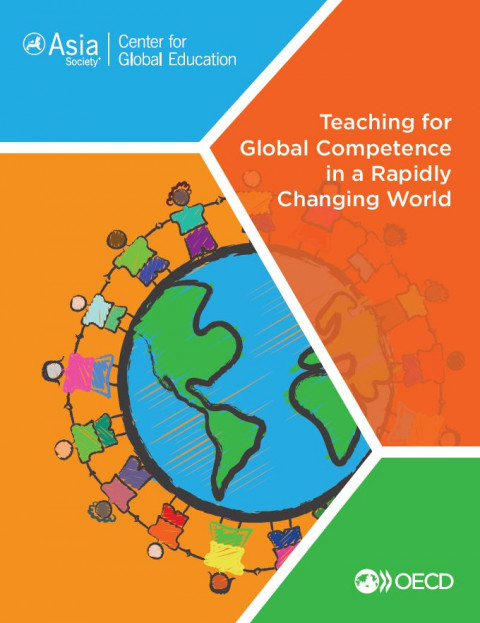 Teaching for Global Competence in a Rapidly Changing World Année de publication: 2018 Auteur: Richard Lee Colvin | Virginia Edwards Auteur institutionnel: Asia Society | Organisation for Economic Co-operation and Development (OECD) Educators and education systems worldwide are reassessing the knowledge, skills, and dispositions students need for success in today's rapidly changing and complex world. In a remarkable moment of global consensus, the member states of both the United Nations (UN), through its adoption of the Sustainable Development Goals (SDGs) in 2015, and the Organisation for Economic Co-operation and Development (OECD), through its Programme for International Student Assessment (PISA) in 2018, prioritized education for global citizenship and global competence.The OECD and the Center for Global Education at Asia Society have worked with academics, educators, and stakeholders in the global education field over several years to define global competence for primary and secondary education. The Center also has extensive experience supporting educators to integrate global competence into their teaching.A new publication from both organizations, entitled Teaching for Global Competence in a Rapidly Changing World, sets forward a new framework for global competence developed by OECD, which aligns closely with the definition developed by the Center for Global Education, and provides practical guidance and examples of how educators can embed global competence into their existing curriculum, instruction, and assessment.
  Éducation à la citoyenneté à l'école : Politiques, pratiques scolaires et effets sur les élèves (Rapport scientifique avril 2016) Année de publication: 2016 Auteur: Géraldine Bozec Auteur institutionnel: Conseil natiional d'évaluation du système scolaire (CNESCO) Ce rapport de recherche, commandé par le CNESCO, constitue une revue de la littérature à la fois française et internationale portant sur l’éducation à la citoyenneté. Il vise à avancer dans la compréhension d’un objet de recherche encore délaissé à ce jour dans les études françaises et à identifier des pistes de recherche qui pourraient s’avérer fécondes à l’avenir. Il privilégie les travaux mobilisant des données empiriques. Le rapport dresse d’abord un état de lieux de l’apprentissage de la citoyenneté à l’école française, à partir d’une analyse des politiques, des programmes et des pratiques scolaires (Partie I). Il met ensuite en perspective le cas français en resituant ses spécificités et les points communs qu’il partage avec d’autres cas nationaux en matière d’éducation à la citoyenneté (Partie II). Enfin, il présente un bilan des recherches visant à évaluer les effets de l’éducation à la citoyenneté sur les représentations, les attitudes et les pratiques des élèves (Partie III). En conclusion, des orientations de recherche qui apparaissent, à l’issue de cet état des lieux, comme encore peu explorées et potentiellement fructueuses, sont identifiée.
  Education à la citoyenneté en RDCONGO : Quelles strategies et pour quelle éducation à la démocratie en R.D.C? Année de publication: 2008 Auteur: Abbé Louis Mpala Cette brochure se veut une introduction générale à toutes les brochures qui seront consacrées à chaque type d'éducation proposé. Ce projet ne peut être réalisé que si Dieu le permet et si je trouve un mécène.Cet écrit peut servir d'un instrument de travail à toute personne soucieuse de voir notre pays avoir des fils dont le cour est circoncis. Comme tout travail humain, ma brochure a des limites. A vous de la parfaire. Destiné à être exposé aux journées scientifiques organisées par l'Institut Supérieur Pédagogique de Lubumbashi (I.S.P.), ce texte est mis à la disposition de tout éducateur. Cet écrit a mes empreintes d'agrégé de l'Enseignement Secondaire Degré Supérieur (E.S.D.S.)pour le cours de philosophie. Voilà qui justifie mon souci de voir les objectifs éducationnels opérationnels.A vous lectrice et lecteur engagés dans un groupe d'encadrement familial, politique ,scolaire, socio-culturel etc., je confie ma brochure.