
Ressources
Explorez une large gamme de ressources sur le GCED afin d’approfondir votre compréhension et de renforcer vos activités de recherche, de plaidoyer, d’enseignement et d’apprentissage.
3,229 résultats trouvés
 Innovation for Sustainable Development: Review of Kyrgyzstan Année de publication: 2019 Auteur: Anders Jönsson | Christopher Athey | Slavo Radosevic Auteur institutionnel: United Nations Economic Commission for Europe (UNECE) The practical work on the Innovation for Sustainable Development Review of Kyrgyzstan began in December 2016 with a preparatory mission to Bishkek by representatives of the UNECE secretariat to establish contact and discuss the structure and content of the Review with the national Government institutions and other stakeholders. The main project mission took place from 30 March to 7 April 2017 with the participation of a team that included representatives of the UNECE secretariat as well as international and national experts. This Review reflects the outcome of a series of consultations and discussions between the Review team and policymakers, Government officials, representatives of academic institutions and the business community, and other innovation stakeholders of Kyrgyzstan.This report presents a thematic regional analysis of unpaid work in Eastern Europe and Central Asia (EECA) and the resulting empowerment women gain when their responsibility for such work is reduced. The report focuses on Albania, Azerbaijan, Bosnia & Herzegovina, Georgia, Kazakhstan, Kyrgyzstan, Kosovo, Montenegro, North Macedonia, Republic of Moldova, Serbia, Turkey, Ukraine and Uzbekistan.Apart from three country case studies (on Kyrgyzstan, Republic of Moldova and Serbia) the other reports in the series cover the 56 UNECE member States, including the countries of Europe and countries in North America (Canada and United States), Central Asia (Kazakhstan, Kyrgyzstan, Tajikistan, Turkmenistan and Uzbekistan) and Western Asia (Israel). Инновации для устойчивого развития: Обзор Кыргызстана Année de publication: 2019 Auteur: Anders Jönsson | Christopher Athey | Slavo Radosevic Auteur institutionnel: United Nations Economic Commission for Europe (UNECE) Практическая работа над документом «Инновации для устойчивого развития: Обзор по Кыргызской Республике» началась в декабре 2016 года с подготовительного визита в г. Бишкек группы представителей секретариата ЕЭК ООН для установления контактов и обсуждения структуры и содержания Обзора с национальными органами госуправления и другими заинтересованными сторонами. Основной визит в рамках проекта состоялся с 30 марта по 7 апреля 2017 года при участии авторской группы, в состав которой вошли представители секретариата ЕЭК ООН, а также международные и национальные эксперты. Данный Обзор отражает итоги серии консультаций и дискуссий авторской группы с представителями правительственных структур, государственными должностными лицами, представителями научных учреждений и бизнес-сообщества и другими участниками инновационного процесса Кыргызской Республики.
 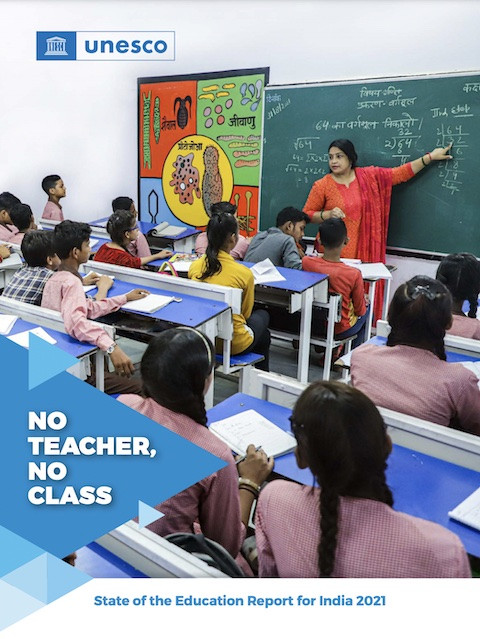 No Teacher, No Class: State of the Education Report for India, 2021 Année de publication: 2021 Auteur: Padma M. Sarangapani | Bindu Thirumalai | Anusha Ramanathan | Ruchi Kumar | Mythili Ramchand Auteur institutionnel: UNESCO New Delhi This report attempts to provide an understanding of key aspects of the teaching profession and workforce in India – nearly 9.7 million teachers in 2019/20 – the complex work that they do, and their professional development, through the filters of policy debates, choices, pushes and pulls. It looks at the questions that create core tensions in the sector and affect teacher quality and availability. It presents evidence wherever possible, and identifies gaps. The analytical framework of this report draws from important contextual and sectoral aspects including India’s social and political context — especially its federal structure – and social characteristics of gender, caste, rural-urban divide and the government-private divide. This report, prepared during the ongoing COVID-19 pandemic, and constrained by prevailing conditions, is primarily based on analysis of secondary data and review of policies, reports and research literature. Chapters explore specific themes and present key findings.
  مجلة بيئتنا، عدد أكتوبر 2010 Année de publication: 2010 Auteur institutionnel: Public Authority for Enivironment الملف المرفق هو مجلة بيئتنا، عدد أكتوبر 2010. يتناول عدد المواضيع المهمة مثل تلوث الماء والعلاج بالأوزون ودراسات حول حمض الكربونيك. كما تحتوي المجلة على مجموعة أخرى من المواضيع في مجال البيئة. Our Environment Magazine, October 2010 Issue Année de publication: 2010 Auteur institutionnel: Public Authority for Enivironment The attached file is our Environment magazine, October 2010 issue. The issue deals with important topics such as water pollution, ozone treatment, and studies on carbonic acid. The magazine also contains another set of topics in the field of environment.
 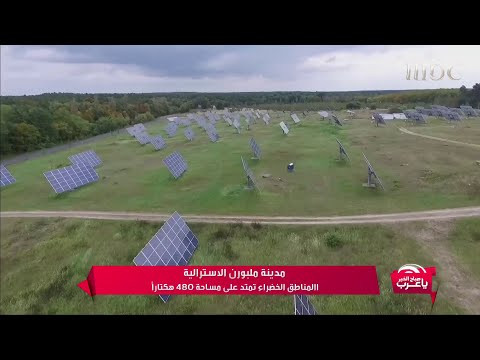 المدن المستدامة ودورها في حماية البيئة Année de publication: 2018 Auteur: Moahmmed Alburei Auteur institutionnel: MBC TV الفيديو عبارة عن استعراض محاورة مع المختص عن المدن المستدامة ودورها في حماية البيئة. يبدأ الفيديو بعرض بعض المدن المستدامة حول العالم. زمن ثم يبدأ الحوار بخصوص الدور الذي تلعبه المدن المستدامة في الحفاظ على البيئة. Sustainable Cities and Their Role in Protecting the Environment Année de publication: 2018 Auteur: Moahmmed Alburei Auteur institutionnel: MBC TV The video is a conversation with a specialist about sustainable cities and their role in protecting the environment. The video begins with some sustainable cities examples around the world. Then the dialogue begins regarding the role that sustainable cities play in preserving the environment.
 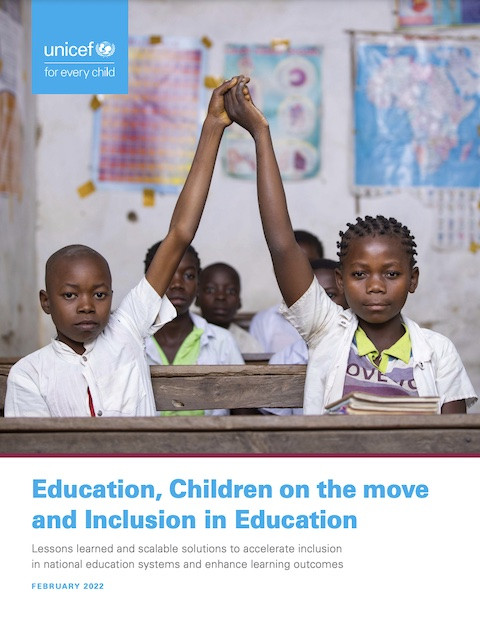 Education, Children on the Move and Inclusion in Education: Lessons Learned and Scalable Solutions to Accelerate Inclusion in National Education Systems and Enhance Learning Outcomes Année de publication: 2022 Auteur: Neven Knezevic | Katherine Curtiss | Eric Gero Auteur institutionnel: United Nations Children's Fund (UNICEF) This report summarizes how UNICEF and its partners have contributed to the creation of education solutions that support the skills development and educational attainment of children on the move in countries and regions across the world. Country case studies highlighting best practices from 19 countries and the East African and Sahel regions showcase UNICEF’s work with country governments on issues such as the inclusion of refugees in national education systems and improving relations between refugee children, their families, and their host communities.
  Digital Learning for Every Child: Closing the Gaps for an Inclusive and Prosperous Future Année de publication: 2021 Auteur: Matt Brossard | Marta Carnelli | Stephane Chaudron | Rosanna Di-Gioia | Thomas Dreesen | Daniel Kardefelt-Winther | Céline Little | Jean Luc Yameogo Auteur institutionnel: United Nations Children's Fund (UNICEF) Pre-COVID-19, half of the world’s children were already unable to read a simple text by the age of 10. School closures have deepened pre-existing learning disparities, within and among countries, due to inequities in access to technology. This brief summarises research findings and provides actionable recommendations for how to equitably scale up digital learning and provide children and young people with the skills to improve their prospects and safeguard their well-being. It pinpoints solutions for education systems’ use of digital and blended learning anchored in a sound pedagogical approach and urges the G20 and other countries to overcome the barriers that limit the potential benefits of digital learning.
 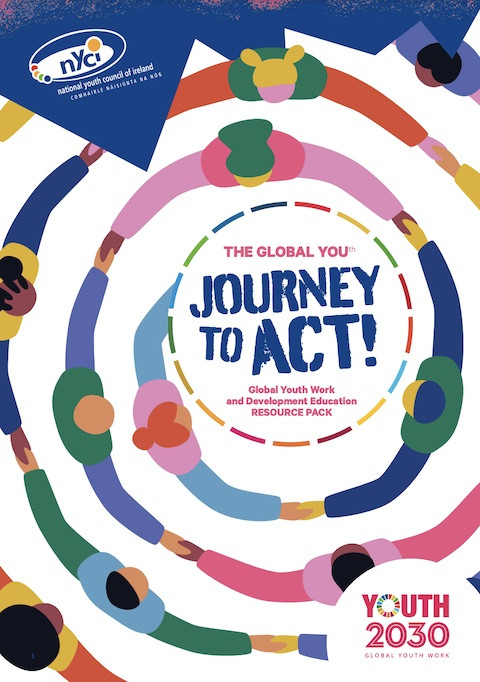 The Global Youth: Journey to Act! Année de publication: 2021 Auteur: Valerie Duffy | Leo Gilmartin | Dermot O’Brien | Valery Molay Auteur institutionnel: National Youth Council of Ireland (NYCI) This resource is designed to make it as easy as possible for you to look at the big issues with your group. No matter if you are short on time, or don’t feel you have enough knowledge – there is something in here for you! Broken into 4 stages, the resource include all the knowledge, skills and guided activities for you to use with and for young people, using non-formal development education methodologies: Connect with the ‘self’ Meeting young people where they are at Seeing and claiming our global identity Collective action