
Ressources
Explorez une large gamme de ressources sur le GCED afin d’approfondir votre compréhension et de renforcer vos activités de recherche, de plaidoyer, d’enseignement et d’apprentissage.
3,229 résultats trouvés
 2020中国生态环境状况公报 Année de publication: 2021 Auteur institutionnel: 中国生态环境部 本公报介绍了2020年中国的生态环境情况,包括面临的挑战以及所采取的措施。
 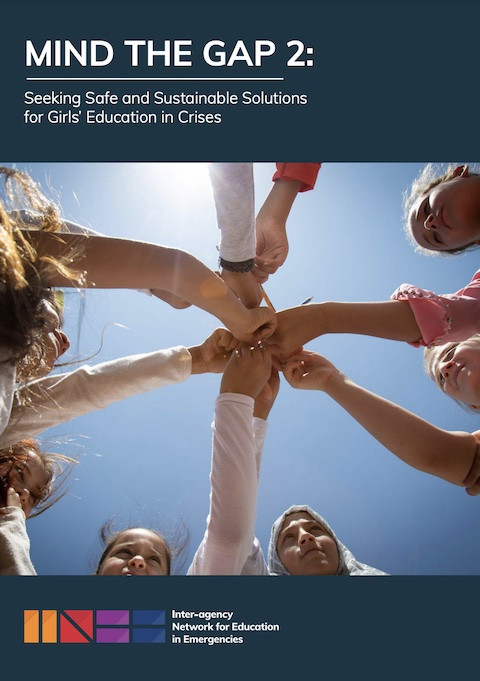 Mind the Gap 2: Seeking Safe and Sustainable Solutions for Girls’ Education in Crises Année de publication: 2022 Auteur: Ruth Naylor | Ella Page | Kate Sims Auteur institutionnel: Inter-agency Network for Education in Emergencies (INEE) This report summarizes progress, gaps, challenges and opportunities in improving education and training for girls and women affected by conflict and crisis. This report monitors progress since the first Mind the Gap report and highlights the following thematic areas: distance education and the digital divide, school-related gender-based violence, and girls’ education during climate crisis.The report aims to support the Charlevoix Declaration on Quality Education’s commitment to enhance the evidence base and monitor progress toward gender-equitable education in crises. The report draws from data on 44 crisis-affected countries, from recent research, and from a set of case studies of interventions in a range of crisis-affected contexts.
  Bridging the Gap: Strengthening the Evidence Base for Gender-Responsive Education in Emergencies Année de publication: 2022 Auteur: Lauren Gerken | Sumbal Bashir Auteur institutionnel: Inter-agency Network for Education in Emergencies (INEE) This brief was developed by the INEE Gender Task Team in response to global calls for more and better data and evidence on gender-responsive EiE. The brief draws from findings of the 2021 and 2022 editions of the INEE Mind the Gap report on the state of girls’ education in emergencies, and from consultations with gender and education experts.The objectives of this brief are: To highlight key gaps in the evidence base on gender and EiE To provide strategic guidance and thematic content for new research initiatives focused on gender and EiE To promote collaborative action and knowledge-sharing among key actors working on gender and EiE
 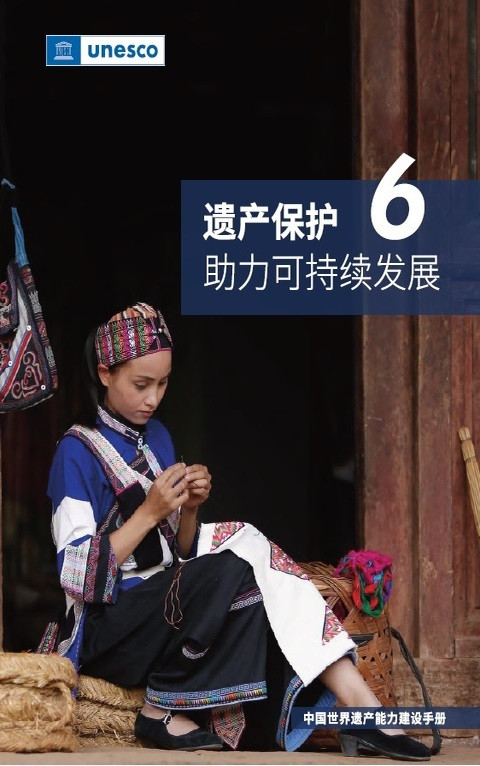 Inheritage Conservation Facilitating Sustainable Development Année de publication: 2021 Auteur: Yanxia LI | Gang Zhao | Ai Zhong | Ping Kong Auteur institutionnel: UNESCO Beijing The document presents international and Chinese policies for heritage conservation and sustainable development, summarising in case studies the enormous potential of culture to eradicate poverty, promote gender equality, foster economic growth and employment, enhance the resilience of World Heritage sites, and promote rural revitalisation.
 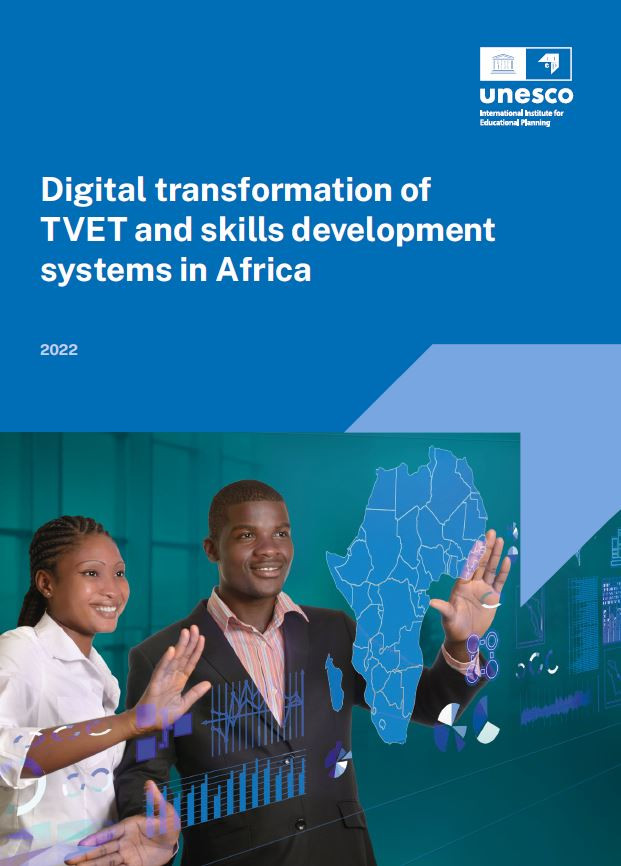 Digital Transformation of TVET and Skills Development Systems in Africa: State of Play and Prospects Année de publication: 2022 Auteur institutionnel: UNESCO IIEP Regional Office for Africa This publication, produced by SOFRECO at the request of IIEP-UNESCO, takes stock of the digitalization of technical and vocational education and training (TVET) in Africa based on a sample of five countries (Madagascar, Nigeria, Rwanda, Tunisia and Chad). This report describes the systems in these five countries that provide the population with access not only to digital tools but also to the skills that will enable everyone to use digital technology.
  الحماية الجزائية المقررة في عمالة الأطفال Année de publication: 2022 Auteur: Aitbenamer Ghania Auteur institutionnel: University of Mostaghanem Central إن عمل الأطفال بمفهومه السلبي هو العمل الذي يضع أعباء ثقيلة على الطفل ويستغله اقتصادياً مما يؤدي إلى تهديد سلامته وصحته ورفاهيته. فتعتبر ظاهرة عمل الأطفال ظاهرة عالمية بدأت تنتشر وتتوسع في الآونة الأخيرة وتترك آثاراً سلبية تنعكس على الطفل بشكل خاص، وعلى الأسرة والمجتمع بشكل عام. فالمجتمعات في جميع أنحاء العالم تعاني من انتشار ظاهرة تشغيل الأطفال التي تسمّى بظاهرة عمالة الأطفال، مما دفع بالمجتمع الدولي للتدخل من خلال عدة منظمات و هيئات دولية لتنظيم عمل الأطفال. ونظرا لحرص الجزائر على محاربة ظاهرة عمالة الأطفال و الوقاية منها صادقت على اتفاقية منظمة العمل الدولية ، و كذا اتفاقية الأمم المتحدة حول حقوق الطفل و اتخذت مجموعة من الإجراءات لتجسيد محتوى تلك الاتفاقيات و كرستها في منظومتها القانونية لمنع كل أشكال تشغيل الأطفال ما لم يحظ تشغيلهم بتأطير قانوني يحدد الشروط التي يجب أن يحيط تشغيلهم،حيث أولى المشرع الجزائري فئة الأطفال العمال عناية خاصة، من حيث تحديد سن العمل و التمهين، مرورا بمنع تشغيلهم في ظروف غير لائقة ،فضلا عن تقرير عقوبات على مخالفة الأحكام و الضوابط الخاصة بعمالة الأطفال. The Penal Protection Established for Child Labor Année de publication: 2022 Auteur: Aitbenamer Ghania Auteur institutionnel: University of Mostaghanem Central This study aims to clarify the important of the development of human resources in its various dimensions for companies specially the Algerian ones, by providing human resources with knowledge, skills and experience and improving their behavior, which help them to do their work and develop their performance, then provide an added value to the company where they work, This study focused on the reality of the application of the various dimensions of human resources development (training, learning, empowerment, career development) in the Eastern Company of Electricity and Gas Distribution – Unit of Tebessa. In order to answer the problem posed and to test the main hypothesis, the quantitative approach was adopted through a questionnaire that was distributed to a simple random sample of 234 employees of the company, representing 47.17% of the total population of the study. The collected data was analyzed using the Spss V25 program, The study concluded that the level of application of human resources development in its various dimensions in the Eastern Company of Electricity and Gas Distribution – Unit of Tebessa is good, although there is a discrepancy in the application of these dimensions, which ranged between high and medium.
  تحليل واقع التعليم الإلكتروني في الجامعات الفلسطينية: دراسة حالة جامعة فلسطين التقنية– خضوري/ طولكرم Année de publication: 2021 Auteur: Hiba Khalil Almbayed هدفت الدراسة إلى تحليل واقع التعليم الإلكتروني في جامعة فلسطين التقنية –خضوري/طولكرم،والوقوف على أهم التحديات التي تواجه الطلبة عند استخدام نظام التعليم، وكذلك تحليل مدى تفاعل طلبة الجامعةمع نظام التعليم الإلكتروني، وبيان الفروقات بين متوسطات آراء عينة الدراسة حول التعليم الإلكتروني وفقا لمتغيراتالدراسة. ونظرا لطبيعة الدراسة، تم استخدام المنهج الوصفي التحليلي، من أجل الوصول إلى نتائج عملية، ولتحقيقذلك تم تصميم استبانة تكونت من(34) فقرة لتحليل واقع التعليم الإلكتروني،حيث تكّون مجتمع الدراسة من(6559)طالبا، وقد أخذت عينة عشوائية بسيطة تكونت من (522) طالبا، وقد تم توزيع الاستبانة الكترونيا لعدم إمكانيةتوزيعها يدويا نظرا للظروف السائدة _انتشار جائحة كورونا_ وقت إعداد الدراسة. وقد أظهرت نتائج الدراسة أن(%63.136) من المبحوثين يرون أن واقع التعليم الالكتروني في الجامعة يعاني من مشاكل مختلفة. فيما أشارت الدراسةإلى أن (87.97%) من المبحوثين يرون أنه زادت الشكاوى على نظام التعليم الإلكتروني بعد "جائحة كورونا" وأن(%81.36) من المبحوثين يرون أن البنية التحتية كانت من أكثر المعيقات في التعليم الالكتروني. بينما يرى (63.934%)من المبحوثين أن التعليم الإلكتروني له دور في تحقيق التفاعل لدى الطلبة، كما بينت نتائج الدراسة عدم وجود فروقذات دلالة إحصائية لواقع التعليم الالكتروني تبعا لمتغير الجنس، كما لا توجد فروق تبعا لمتغير المؤهل العلمي باستثناءمجال واقع التعليم الإلكتروني، أيضا لا توجد فروق إحصائية تبعا لمتغير المستوى الدراس ي باستثناء مجال تحقيقالتفاعل لدى الطلبة. وفي ضوء نتائج الدراسة قدمت مجموعة من التوصيات أبرزها: 1. العمل على تضمين بند خاصبنظام التعليم الإلكتروني ضمن مساق الحاسوب المخصص كمتطلب جامعي لطلبة السنة الأولى. 2. توفير فرص أكبرلتدريب وتنمية قدرات أطراف العملية كافة التعليمية على استخدام وتطبيق التعليم الإلكتروني. Analysis E-Learning Status in Palestinian Universities, A Case Study of Palestine Technical University- Kadoorie Tulkarm Année de publication: 2021 Auteur: Hiba Khalil Almbayed The study aimed to analyze the reality of e-learning at Palestine Technical University- Khudouri/Tulkarem, and to identify the most important challenges facing students when using the education system, as well as to analyze the extent to which university students interact with the e- learning system, and to show the differences between the average opinions of the study sample on e- learning according to the study variables due to the nature of the study, the descriptive analytical approach was used, in order to reach practical results, and to achieve and analyze the reality of e-learning a questionnaire consisting of (34) paragraphs was designed, where the study community consisted of (6,559) students, and a simple random sample of (522) students was taken, and the questionnaire was distributed electronically because it was not able to be distributed manually due to the prevailing conditions _ the spread of the Corona pandemic- at the time of the preparation of the study. The results of the study showed that (63.136%) of the researched believe that the reality of e-learning at the university suffers from different problems. The study indicated that (87.97%) among respondents, complaints have increased in the e-learning system after the Corona pandemic and that (81.36%) among the researchers, the infrastructure was one of the most barriers in e-learning. While (63.934%)of the researched that e-learning has a role to play in achieving Interaction among students, as the results of the study showed no differences Statistically significant to the reality of e-learning according to the gender variable, and there are no differences depending on the variable of the scientific qualification except in the field of e-learning reality, there are also no differences Statistics according to the variable of the academic level ,except for the field of Interaction with students. In the light of the results of the study, a series of recommendations were made, the most prominent of which were: 1. Include an e-learning system item in the computer course assigned as a university requirement for first-year students 2. Provide opportunities to train and develop the capabilities of all educational parties to use and apply E-learning.
  Manuel – Education aux Objectifs de développement durable Année de publication: 2022 Auteur institutionnel: Institut international des droits de l’Homme et de la paix (2IDHP) Ce manuel accompagne les enseignants et professionnels de jeunesse qui souhaitent sensibiliser leur public aux Objectifs de développement durable. Les activités proposées dans ce manuel ont été réalisées dans le cadre du programme pédagogique européen Walk the Global Walk mis en œuvre de 2017 à 2021 et du programme pédagogique normand ecHo mis en œuvre depuis 2021.Sous le prisme des trois piliers du développement durable et des droits de l’Homme, les ODD sont au cœur de ce manuel qui, grâce à des activités d’éducation aux droits de l’Homme et à la citoyenneté démocratique participatives et centrées sur l’apprenant, permet de comprendre l’importance d’atteindre les ODD afin de répondre aux enjeux du monde actuel. Migrations, égalité entre les genres, discriminations, discours de haine, participation à la vie citoyenne, inclusion, santé… Une pluralité de thématiques qui feront écho à vos objectifs pédagogiques avec votre groupe et qui s’inscriront parfaitement dans leur éducation citoyenne. This manual accompanies teachers and youth professionals who wish to raise awareness of the Sustainable Development Goals. Activities proposed in this manual were carried out as part of the European educational program Walk the Global Walk implemented from 2017 to 2021 and the Normandy educational program ecHo implemented since 2021.Under the prism of the three pillars of sustainable development and human rights, the SDGs are at the heart of this manual which, through participatory, learner-centered human rights and democratic citizenship education activities, helps to understand the importance of achieving the SDGs in order to meet the challenges of today's world. Migration, gender equality, discrimination, hate speech, civic participation, inclusion, health... A wide range of themes that will echo your pedagogical objectives with your group and fit perfectly into their civic education.