
Ressources
Explorez une large gamme de ressources sur le GCED afin d’approfondir votre compréhension et de renforcer vos activités de recherche, de plaidoyer, d’enseignement et d’apprentissage.
1,322 résultats trouvés
 Education as a Security Issue Auteur: Ian Jamison Auteur institutionnel: Tony Blair Faith Foundation The use of education as both tool and target of religious extremists globally is perhaps one of the most important generational challenges we face today. To ensure that the next generation is open to a more pluralistic world, we must ensure that their education equips them to safely encounter the 'Other'. This not only means improving knowledge, understanding and interaction, but also critically requires investment in developing essential soft skills that can ensure these are properly employed. Education as a Security Issue Auteur: Ian Jamison Auteur institutionnel: Tony Blair Faith Foundation Le recours des extrémistes religieux à l'éducation comme, à la fois, outil et cible est peut-être l'un des défis les plus importants de cette génération, auquel nous sommes confrontés aujourd'hui dans le monde. Pour que la prochaine génération soit ouverte à un monde plus pluraliste, nous devons veiller à ce que leur éducation les prépare à des échanges pacifiques avec « l’Autre ». Cela signifie non seulement d’améliorer les connaissances, la compréhension et l'interaction, mais aussi d’investir urgemment dans le développement des compétences générales essentielles qui en garantissent une bonne utilisation.
 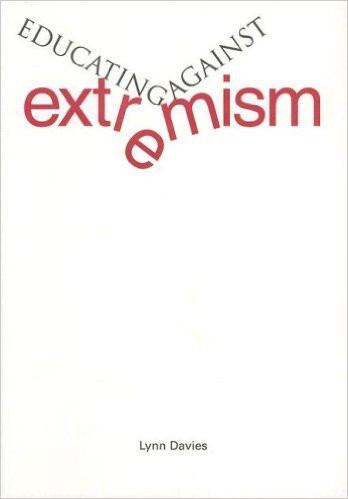 Educating Against Extremism Année de publication: 2012 Auteur: Dianne Gereluk Extremism is a huge concern across the world right now, fueled by its links to terrorism and religious fundamentalism. This book explores the relationship of education to extremism and examines how education could counter its more dangerous forms. Lynn Davies proposes a very different educational strategy to the conventional tolerant multiculturalism that pertains in the west. The task – a challenging one – is to politicize young people without cementing uncritical acceptance of single truths. Educating Against Extremism Année de publication: 2012 Auteur: Dianne Gereluk L'extrémisme constitue désormais un enjeu de premier ordre à travers le monde, alimenté par son lien avec le terrorisme et le fondamentalisme religieux. Ce livre analyse la relation entre l'éducation et l'extrémisme et s’interroge sur le rôle de l'éducation pour prévenir ses formes les plus dangereuses. Lynn Davies propose une stratégie éducative très différente du multiculturalisme tolérant conventionnel qui prévaut en Occident. L'objectif, qui s’avère être un véritable défi, est de politiser les jeunes tout en s’assurant qu’ils développent leur esprit critique et forgent leurs propres opinions.
  Установки молодежи современного Казахстана на проявление социальной активности Année de publication: 2018 Auteur: O.V. Kaldybayeva | F.M. Mussataeva | G.Ye. Okasova В статье поднимается проблема исследования социальной активности среди современной молодежи, от степени которой во многом зависит эффективность реализации многих государственных программ. Выводы основаны на результатах социологического исследования, реализованного Научно-исследовательским центром «Молодежь» во второй половине 2017 г. в Республике Казахстан.
  Analysis of Cultural Values of Russian Youth and Central Asian Migrants at the Present Stage (by G. Hofstede methodology) Année de publication: 2022 Auteur: A.I. Evdokimov | I.V. Ponomareva This paper is a summary analysis of cultural values in young Russians and migrants from Central Asian countries, conducted in 2019- 2021 according to the methodology of the Dutch scientist Geert Hofstede. In the sociological The study involved 404 people: 182 representatives of Russian youth and 222 representatives of the migration communities of the Central Asian states. Анализ культурынх ценностей Российской молодежи и мигрантов из стран Центральной Азии на современном этапе (по методике Г. Хофстеде) Année de publication: 2022 Auteur: A.I. Evdokimov | I.V. Ponomareva Данная работа является обобщающим анализом культурных ценностей у молодых россиян и мигрантов из стран Центральной Азии, проведенной в 2019– 2021 гг. по методике голландского ученого Герта Хофстеде. В проведенном социологическом исследовании принимали участие 404 человека: 182 представителя российской молодежи и 222 представителя миграционных сообществ государств Центральной Азии.
 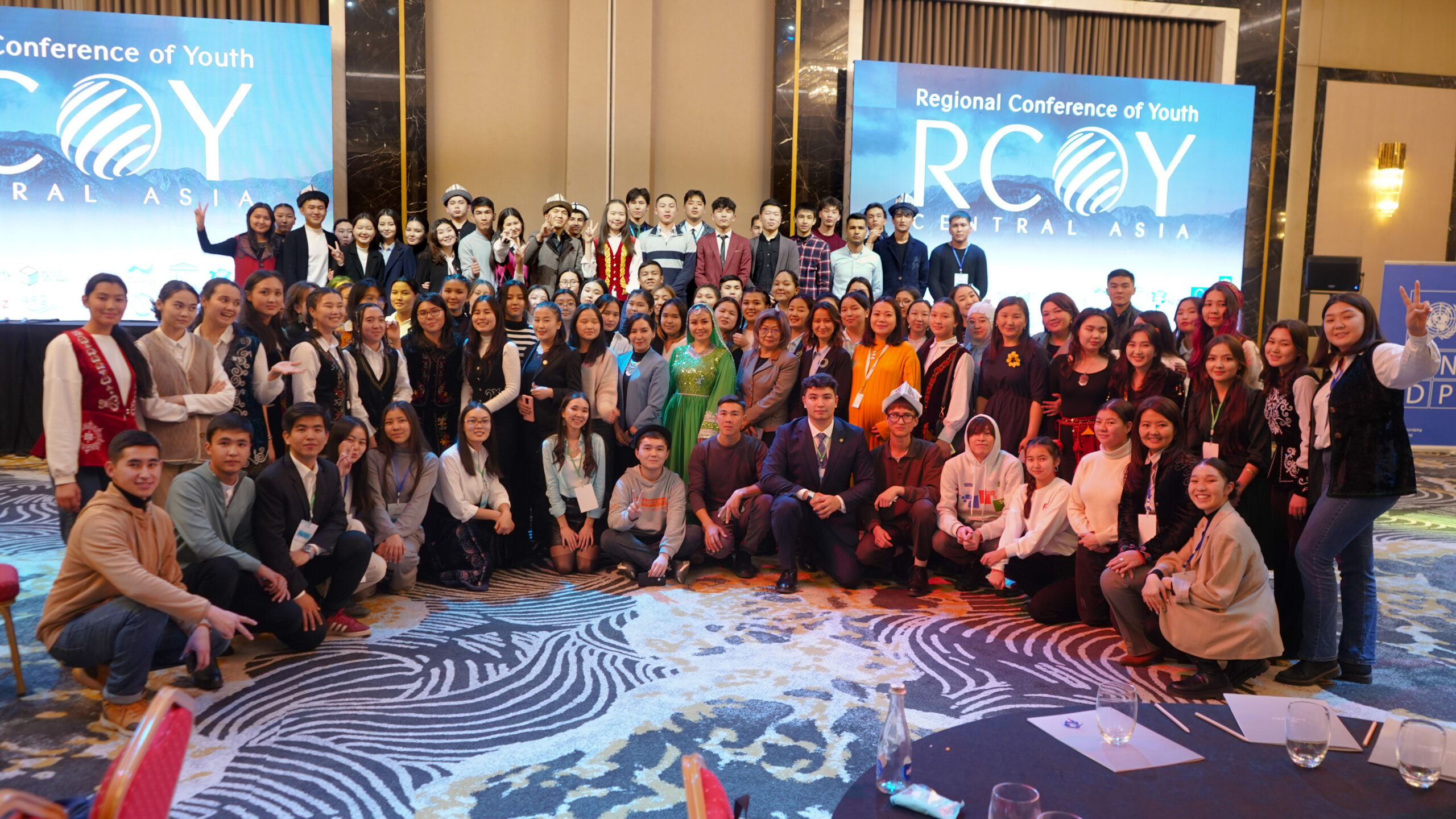 Youth Involvement in Climate Issues in Kazakhstan and Tajikistan: Illusion or Reality? Année de publication: 2024 Auteur: Anisa Abibulloyeva | Mukhtar Amanbayuly Auteur institutionnel: Central Asian Bureau for Analytical Reporting (CABAR) Government agencies in Central Asian countries and international organizations that deal with environmental issues, especially climate change, do not sufficiently take into account the opinions of young environmentalists, according to young experts from Tajikistan and Kazakhstan, Anisa Abibulloyeva and Mukhtar Amanbayuly. Вовлечение молодежи в климатические вопросы в Казахстане и Таджикистане: иллюзия или реальность? Année de publication: 2024 Auteur: Anisa Abibulloyeva | Mukhtar Amanbayuly Auteur institutionnel: Central Asian Bureau for Analytical Reporting (CABAR) Государственные органы стран Центральной Азии и международные организации, которые занимаются проблемами окружающей среды, особенно изменения климата, недостаточно учитывают мнения молодых экологов, считают молодые эксперты из Таджикистана и Казахстана Аниса Абибуллоева и Мухтар Аманбайулы.
 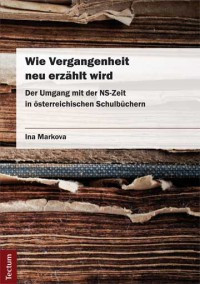 Wie Vergangenheit neu erzählt wird - Der Umgang mit der NS-Zeit in österreichischen Schulbüchern Which past should be remembered, and which is better forgotten? Ina Markova studies how the Nazi period is thematized or ignored in Austrian history textbooks. Especially the question about Austrian complicity in genocide and the war of annihilation was long ignored. Instead, positive – and thereby identity shaping – aspects of history were thematized. Ina Markova carefully analyses continuities and breaks, departures and "areas of silence", and pursues a number of larger questions: Which are the key images of Austrian memory? Do they fix authoritative perspectives on Austrian national identity? (By the publisher)