
Ressources
Explorez une large gamme de ressources sur le GCED afin d’approfondir votre compréhension et de renforcer vos activités de recherche, de plaidoyer, d’enseignement et d’apprentissage.
1,322 résultats trouvés
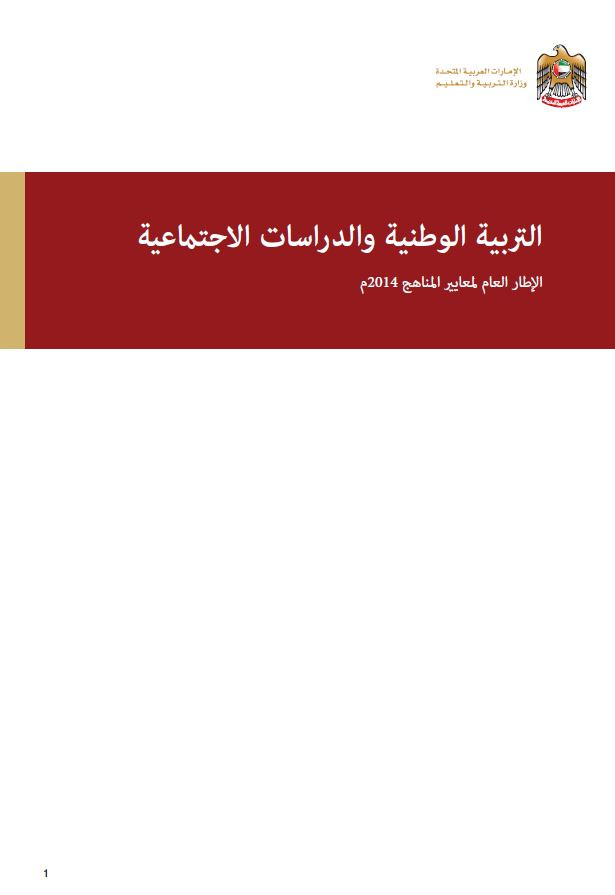 الإطار العام لمعايير المناهج: التربية الوطنية والدراسات الاجتماعية Année de publication: 2014 Auteur: Khalid Abdaslam Auteur institutionnel: United Arab Emirates. Ministry of Education يعتبر الملف وثيقة مرجعية للإطار العام لمعايير المناهج في التربية الوطنية والدراسات الاجتماعية بدولة الامارات العربية المتحدة. يوضح الملف الخطط الدراسية لمواد الدراسات الاجتماعية ونواتج التعلم ومعايير الأداء وموجهات عامة للتخطيط. وينتهي الملف بمجموعة من نماذج تصميم الدروس.
  2019 꿈다락 토요문화학교 드림 아트랩 4.0 'Everyday is Playful Media' 결과자료집 Année de publication: 2019 Auteur institutionnel: 한국예술종합학교 융합예술센터 2019 꿈다락 토요문화학교 드림 아트랩 4.0 프로그램 관련, 한국예술종합학교 융합예술센터가 운영하고 성북구립미술관, N15가 협력하여 진행한 'Everyday is Playful Media' 프로그램 결과자료집으로 자료집은 Playful Thinking, Playful Learning, Playful Making 3개의 세부 프로그램 운영 내용 및 결과 전시 등의 과정이 기록되어있다. 본 저작물은 한국예술종합학교 융합예술센터에서 2019년 작성하여 공공누리 제4유형으로 개방한 ‘2019 꿈다락 토요문화학교 드림 아트랩 4.0 'Everyday is Playful Media' 결과자료집’을 이용하였으며 해당 저작물은 한국문화예술교육진흥원 arte 라이브러리 홈페이지(lib.arte.or.kr)에서 무료로 다운받으실 수 있습니다.
  Средства массовой информации как партнеры в сфере образования для устойчивого развития. Учебно-ресурсный комплект Année de publication: 2009 Auteur: Eleanor Bird | Richard Lutz | Christine Warwick Auteur institutionnel: UNESCO Media as Partners in Education for Sustainable Development addresses issues that are being discussed on the social, economic and environmental fronts. It does not pretend to know all the answers, but draws on existing experience and recommends resources for further inquiry and research. It encourages the media to engage in public participation and to debate improvements that can lead to sustainable development. It also seeks to contribute to media awareness and understanding of sustainability, as outlined by the Agenda 21 Plan of Action for all nations endorsed at the 1992 Earth Summit in Rio de Janeiro. Les médias, partenaires de l'éducation au développement durable: kit de formation et de référence Année de publication: 2008 Auteur: Eleanor Bird | Richard Lutz | Christine Warwick Auteur institutionnel: UNESCO Media as Partners in Education for Sustainable Development addresses issues that are being discussed on the social, economic and environmental fronts. It does not pretend to know all the answers, but draws on existing experience and recommends resources for further inquiry and research. It encourages the media to engage in public participation and to debate improvements that can lead to sustainable development. It also seeks to contribute to media awareness and understanding of sustainability, as outlined by the Agenda 21 Plan of Action for all nations endorsed at the 1992 Earth Summit in Rio de Janeiro. 国連持続可能な開発のための教育の10年中間年レビューESDの文脈と構造 Année de publication: 2009 Auteur institutionnel: UNESCO This document suggests key findings and ways forward in review of the contexts and strctures of education for sustainable development. 审查可持续发展教育的背景和结构,2009年:重要发现与前行之路 2009 Année de publication: 2009 Auteur institutionnel: 联合国教科文组织 (UNESCO) This document suggests key findings and ways forward in review of the contexts and strctures of education for sustainable development. Review of contexts and structures for education for sustainable development 2009: key findings & ways forward Année de publication: 2009 Auteur institutionnel: UNESCO This document suggests key findings and ways forward in review of the contexts and strctures of education for sustainable development. Examen des contextes et des structures de l'éducation pour le développement durable 2009: principales découvertes et perspectives Année de publication: 2009 Auteur institutionnel: UNESCO Ce document propose des conclusions et des pistes essentielles pour l'examen des contextes et des structures de l'éducation pour le développement durable. L'Enseignement pour le développement durable de l'Arctique Année de publication: 2009 Auteur: Lars Kullerud Auteur institutionnel: UNESCO Education is an essential component of sustainable development. However, for the Arctic there is a history of education systems that tried to force central school models on local people, including different degrees of suppression of local language. This has been improved today to various degrees in the Arctic states. However, lack of skilled teachers with local roots is a circumpolar challenge. Arctic higher educational institutions also face many challenges when attempting to be innovative and competitive due to their small size and geographic isolation. The model of the University of the Arctic allows for a dynamic development of shared education systems through mutual cooperation. This network can be a very efficient tool to for delivering a relevant curriculum for a changing North. Education for Arctic sustainable development Année de publication: 2009 Auteur: Lars Kullerud Auteur institutionnel: UNESCO Education is an essential component of sustainable development. However, for the Arctic there is a history of education systems that tried to force central school models on local people, including different degrees of suppression of local language. This has been improved today to various degrees in the Arctic states. However, lack of skilled teachers with local roots is a circumpolar challenge. Arctic higher educational institutions also face many challenges when attempting to be innovative and competitive due to their small size and geographic isolation. The model of the University of the Arctic allows for a dynamic development of shared education systems through mutual cooperation. This network can be a very efficient tool to for delivering a relevant curriculum for a changing North.