
Ressources
Explorez une large gamme de ressources sur le GCED afin d’approfondir votre compréhension et de renforcer vos activités de recherche, de plaidoyer, d’enseignement et d’apprentissage.
3,229 résultats trouvés
 3 minutes pour comprendre l’Europe Année de publication: 2021 Auteur institutionnel: Toute l’Europe Vous n’êtes pas spécialiste des questions européennes ? Mais vous souhaitez en avoir une première approche sans vous confronter au jargon et discours trop technique ? Alors cette rubrique est pour vous ! Parce qu’il y a mille et une façons de parler de l’Union européenne, Toute l’Europe a choisi de vous présenter l’Europe “en toute simplicité” à travers des articles courts et faciles à lire. Une série d’épisodes de trois minutes, dans lesquels vous trouverez l’essentiel pour mieux comprendre l’Europe. You are not a specialist of European issues ? But you want to have a first approach without confronting yourself with too much technical language ? Then this section is for you ! Because there is a thousand and one ways to talk about the European Union, Toute l’Europe has chosen to present Europe "in all simplicity" through short and easy-to-read articles. A serie of three-minutes episodes in which you will find the essentials to better understand Europe.
 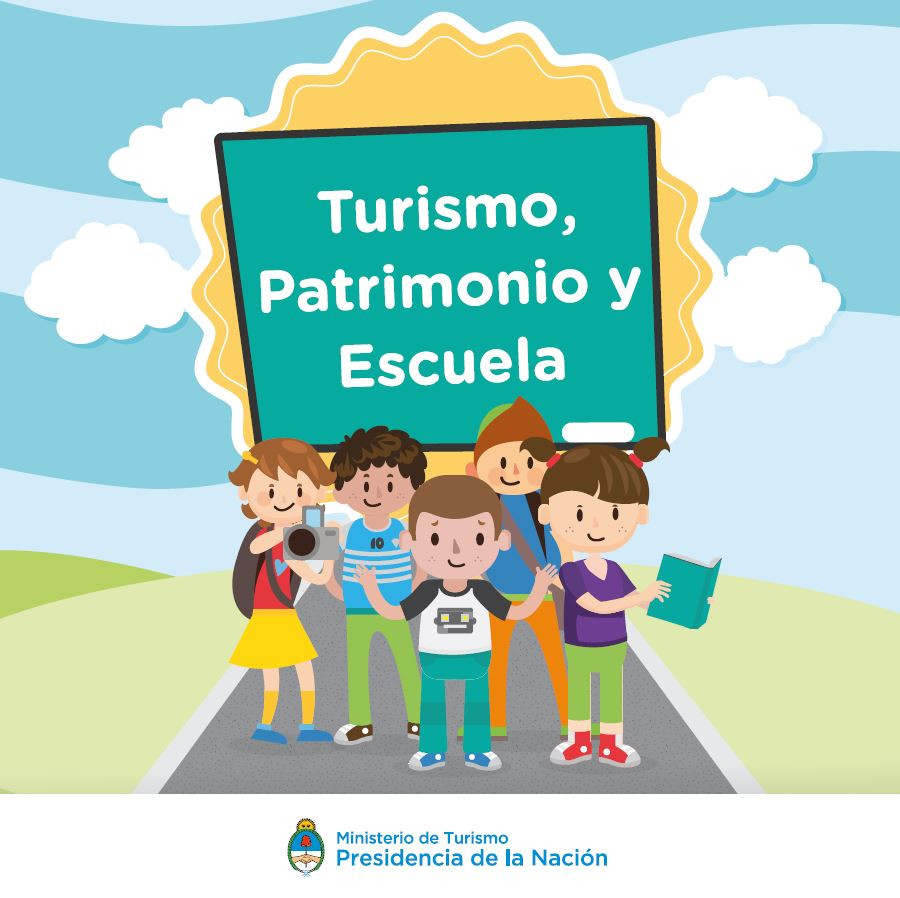 Tourism, Heritage and School: A Journey through the Heritage of Our Country Année de publication: 2017 Auteur institutionnel: Argentina. Ministry of Tourism Aimed at students in the final years of primary school, this manual is a tool for the study and learning of world heritage sites in Argentina and their relationship with tourist activity. Designed and created by the Tourism Training Directorate of the Ministry of Tourism of the Argentine Nation. Turismo, Patrimonio y Escuela: Un viaje por el patrimonio de nuestro país Année de publication: 2017 Auteur institutionnel: Argentina. Ministry of Tourism Orientado a estudiantes de los últimos años de nivel primario, este manual es una herramienta para el estudio y el aprendizaje de los sitios de patrimonio mundial en la Argentina y su relación con la actividad turística. Pensado y creado desde la Dirección de Formación en Turismo del Ministerio de Turismo de la Nación Argentina.
 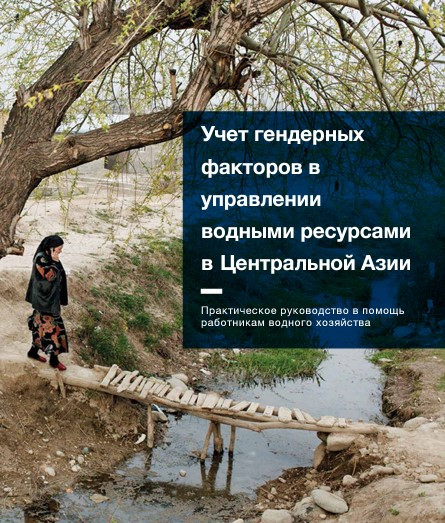 Gender Mainstreaming in Water Governance in Central Asia Année de publication: 2020 Auteur institutionnel: Organization for Security and Co-operation in Europe (OSCE) The OCEEA has developed this guide on gender mainstreaming in water management in Central Asia for water professionals in the region. Consideration of minor aspects in the management of increased water content and increased sensitivity, since it can manifest itself as higher sensitivity and a decrease in social disproportion. When women and men equally decide how water is used, it becomes more toxic and more exposed to the needs of the population. Учет гендерных факторов в управлении водными ресурсами в Центральной Азии Année de publication: 2020 Auteur institutionnel: Organization for Security and Co-operation in Europe (OSCE) БКЭЭД разработало это руководство по учету гендерной проблематики в управлении водными ресурсами в Центральной Азии для специалистов-водников региона. Учет гендерных аспектов в управлении водными ресурсами способствует стабильности и безопасности, поскольку может привести к более эффективной политике и уменьшить социальные диспропорции и напряженность. Когда женщины и мужчины в равной степени принимают решение о том, как использовать воду, решения становятся более целенаправленными и в большей степени отражают потребности всего населения.
  新冠肺炎疫情下青少年心理危机的成因及干预 (现代教育论丛; no. 5) Année de publication: 2020 Auteur: 刘学兰 结合新冠肺炎疫情发生的背景,分析了青少年心理危机的表现与成因,并提出相应的干预对策。首先,简要阐述了疫情影响下青少年心理危机在情绪、认知、行为、生理四个方面的表现。其次,深入分析了青少年心理危机的成因,包括诱发事件和内部根源。诱发事件包括疫情以及因为疫情引起的各种变化、学业压力、人际关系等;内部根源包括青少年成长过程中的内在冲突和心理困境。重点分析了三个心理困境:高焦虑的环境与追求安全的本性、高控制的环境与独立自控的需求、高虚拟的环境与生命体验的追求,探讨了疫情对青少年心理困境的放大和加剧。最后,提出了新冠肺炎疫情下青少年心理危机的干预对策,包括心理危机的评估、心理危机的干预和心理危机的预防。
 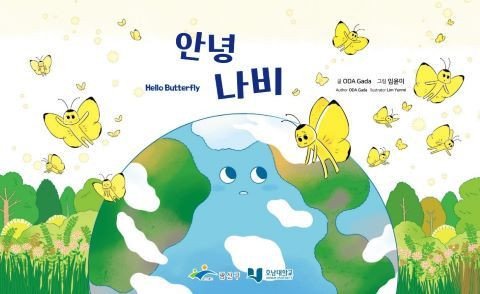 你好 蝴蝶 Année de publication: 2022 Auteur: ODA Gada Auteur institutionnel: ODA Gada | 광진구 | 호남대학교 《蝴蝶你好》是光州光山區廳與湖南大學聯合出版的“青年全球公民教育事業”的第五本繪本。主題是應對氣候變化。 這本書有助於氣候變化和環境政策,例如“快時尚”的有害影響(通過反映最新趨勢製造和分銷的衣服)、理想的服裝消費方法、零浪費(清除垃圾)和綠色洗滌(變相的環保主義 )。它包含特定信息。 這本書採用手風琴書的形式,通過蝴蝶的眼睛描繪了這個故事,以氣候變化生物標誌物種之一的南方黃蝴蝶為主角。
  The Transforming Education Summit: A Toolkit for Education Unions Année de publication: 2022 Auteur institutionnel: Education International (EI) For the first time ever, the Heads of State of the world are meeting to discuss progress in education. Convened by the UN Secretary General, the Transforming Education Summit (TES) is taking place on 19 September 2022 in New York. It is a very important opportunity for us as education unions to make our voices heard.The Summit is a crisis response: it aims to reverse the downward trends that we currently see in education, with deepened and exacerbated inequity, and cuts to education budgets. Not only is the world off track to achieve Sustainable Development Goal 4 (SDG 4), the COVID-19 pandemic has wiped out 20 years of education gains. This is why the UN Secretary-General is calling for urgent action.The Summit is the biggest international education event since the adoption of SDG4 and a significant political opportunity for all EI member organisations. There are multiple ways that education unions can engage in the lead up to the Summit.This toolkit includes EI’s key policy messages for the Summit and aims to support EI member organisations in their advocacy efforts to ensure the Summit has concrete, tangible outcomes that advance teachers’ status and rights and the fulfilment of the right to education for all.
 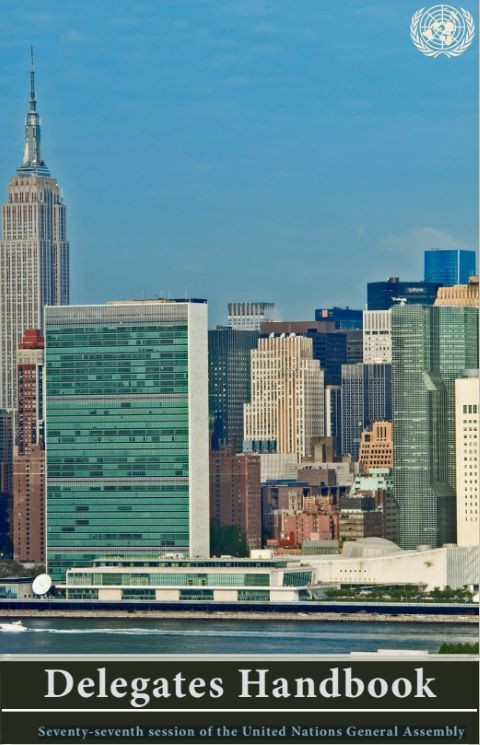 Delegates Handbook 2022: Seventy-seventh Session of the United Nations General Assembly Année de publication: 2022 Auteur institutionnel: UN. Department for General Assembly and Conference Management (UN. DGACM) The Protocol and Liaison Service contributes to the Delegates’ Handbook, a booklet that contains information of a general nature about United Nations Headquarters and is applicable throughout the current session. Suggestions for changes to the booklet should be addressed to the General Assembly Affairs Branch (room S-30FW; email: gaab<at>un.org). This booklet is also available on the internet at the United Nations Delegates website as well as the General Assembly website, under Resources.
 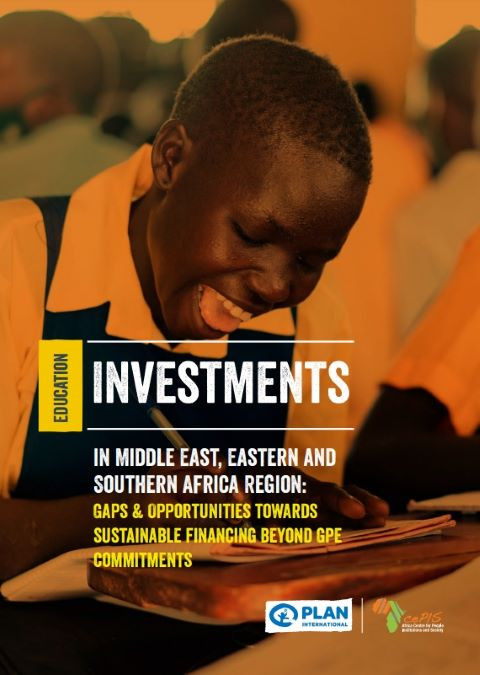 Education Investments in Middle East, Eastern and Southern Africa: Gaps & Opportunities Towards Sustainable Financing Beyond GPE Commitments Année de publication: 2022 Auteur institutionnel: Plan International To achieve the goals of the global and continental agendas of repositioning access, equity, quality education and skills development as key drivers of inclusive growth and sustainable development, African governments must provide a level of predictable and sustainable investment in education. With these strategic investments, African countries can change the status quo, accelerate the pace of catching up with the developed countries and be able to compete in an increasingly technology and knowledge-based world where skills have become the “global currency of the 21st century”. Plan International in Middle East, Eastern and Southern Africa commissioned a study to assess the extent to which the Education Sector budget is adequate, gender-responsive and inclusive and to analyse education budget trends between 2019 and 2021. The focus was to generate concrete evidence regarding trends in education sector budget allocations and expenditure. Furthermore, due to the recent pandemic, the study aimed to compare current and previous allocations to detect trends/patterns in allocations and any reallocations due to COVID-19. Specifically, the study sought to: Analyse allocations (and expenditure) to the education sector with a particular focus on initiatives aimed at supporting the provision of gender-responsive and disability-inclusive education in line with the country policies; Assess the efficiency of resource allocation and use against planned expenditure; and Recommend effective strategies for CSOs and citizens to advocate for education budget increase to or above 20% of the national budget and 6% of GDP. The study focused on 10 countries in the region – Kenya, Uganda, Zambia, Malawi, Zimbabwe, South Sudan, Tanzania, Egypt, Somalia and Rwanda. With a multi-pronged research process of budget tracking and analysis, policy analysis, political economy analysis and varied data collection methods – the research findings and recommendations are ready for wider dissemination and use.