
Ressources
Explorez une large gamme de ressources sur le GCED afin d’approfondir votre compréhension et de renforcer vos activités de recherche, de plaidoyer, d’enseignement et d’apprentissage.
3,229 résultats trouvés
 Sustainable Development in the State of Qatar: Achievements and Challenges Année de publication: 2008 Auteur: Nuzad Alhiti | Mohammed Almahindi Auteur institutionnel: Standing Committee for Housing This book deals with the theoretical frameworks of sustainable development and its applications in the State of Qatar. It has been divided into four chapters. The first chapter deals with a statement of the concept of sustainable development, its dimensions and the development it has witnessed, as well as clarification of the indicators of sustainable social, economic, environmental and institutional development. The second chapter reviews the institutional and legislative developments for sustainable development in the State of Qatar, and the most important initiatives undertaken by the state to achieve sustainable development, in addition to a statement of the most important strategies and policies developed by the state in the social, economic, environmental and institutional fields of sustainable development. As for the third chapter, it deals with the analysis of the most important indicators of sustainable social, economic, environmental and institutional development, and its strengths and weaknesses, while the fourth and final chapter reviews the most important challenges facing sustainable development in the State of Qatar.
  서울교육 2021년 여름호 (제63권 통권 243호) Année de publication: 2021 Auteur institutionnel: 서울특별시교육청 교육연구정보원 권두칼럼:포스트 코로나, 휴먼터치(Human touch)의 시대를 기대하다 특별기획: 생명과 지구를 살리는 교육의 대전환 생태문명으로의 전환을 위한 교육, 학교전체적 접근으로생태전환, 학교교육으로 시작합니다해외교육:독일의 지속가능발전교육(ESD)과 기후위기 대응 교육 정책연구:공감 능력 신장을 위한 학교 교육, 어떻게 할 수 있을까? 본 저작물은 서울특별시교육청교육연구정보원에서 2021년 작성하여 공공누리 제 4유형으로 개방한 ‘서울교육 2021년 여름호 (제63권 통권 243호)’ 을 이용하였으며 해당 저작물은 서울특별시교육청교육연구정보원 (www.serii.re.kr)에서 무료로 다운받으실 수 있습니다.
  서울교육 2022년 여름호 (제64권 통권 247호) Année de publication: 2022 Auteur institutionnel: 서울특별시교육청 교육연구정보원 권두칼럼:세계시민으로 사는 길 특별기획: 학교, 세계와 만나다 공존과 상생을 위한 세계시민교육의 전망과 과제세계시민교육, 거대 담론을 넘어 교육자의 일상 속 실천으로 해외교육:프랑스, 왜 다시 시민교육 강화에 나서는가? 정책연구:메타버스의 교육적 활용 방안 - 확장된 학습 공간으로서의 가능성과 한계 본 저작물은 서울특별시교육청교육연구정보원에서 2022년 작성하여 공공누리 제 4유형으로 개방한 ‘서울교육 2022년 여름호 (제64권 통권 247호)’ 을 이용하였으며 해당 저작물은 서울특별시교육청교육연구정보원 (www.serii.re.kr)에서 무료로 다운받으실 수 있습니다.
  كيفيات التربية المدرسية على قيم المواطنة في ظل المبادئ التي تحملها الدول العربية المتجهة نحو الديمقراطية من أجل تحقيق التكامل المجتمعي (مجلة هيرودوت ، المجلد 6 ، رقم 1) Année de publication: 2022 Auteur: Zahya Shuashi | Noura Diradi Auteur institutionnel: Herodotus Foundation for Scientific Research and Training تناقش هذه الورقة البحثية موضوع التربية على المواطنة من خلال الأدوار التي تقوم بها الأنظمة التعليمية والتربوية في العالم العربي، وسيركز موضوعنا على فكرة تثمين وتعزيز إدماج ثقافة المواطنة في الحقل التعليمي وترسيخها خاصة وأنها أصبحت مطلب من مطالب الديمقراطية التي تحاول الدول العربية الانخراط فيها، وفي ظل التحديات التي يفرضها النظام العالمي الجديد، وهي محاولة تستخدم على صعيد المناهج التعليمية للاستجابة للمتطلبات الاجتماعية والقيم الثقافية وطموحات المواطنين، وذلك من خلال ترسيخ ثقافة المواطنة عبر التربية الشاملة، مع تأطير كل ذلك داخل الفضاء الثقافي المجتمعي والذي يطلق عليه تسمية المدرسة، لكن لكي يتحقق ذلك لابد من اعتماد المدرسة في الدول العربية على فلسفة تربوية تقوم على برامج ومناهج حية تستهدف ترسيخ أخلاقيات وسلوكيات المواطنة الحقة، والتي تظهر أثارها الإيجابية في حياة أفراد المجتمع، ونسعى هنا إلى تبيان العلاقة بين فكرة التربية على المواطنة باستخدام مناهج تتماشى ومسارات التطور العلمي للارتقاء بإنسانية المواطن المتعلم، فهل فعلا أسهمت المناهج التعليمية في البلدان العربية من تحقيق التربية على المواطنة Modalities of School Education on the Values of Citizenship in Light of the Principles Carried by Arab Countries Moving Towards Democracy in Order to Achieve Societal Integration (Herodote Journal; vol. 6, no. 1) Année de publication: 2022 Auteur: Zahya Shuashi | Noura Diradi Auteur institutionnel: Herodotus Foundation for Scientific Research and Training This research paper discusses the topic of citizenship education through the roles played by the educational and educational systems in the Arab world, and our topic will focus on the idea of valuing and promoting the integration and consolidation of the culture of citizenship in the educational field, especially since it has become one of the demands of democracy that Arab countries are trying to engage in. The challenges posed by the new world order, which is an attempt to be used on the level of educational curricula to respond to the social requirements, cultural values and aspirations of citizens, by consolidating the culture of citizenship through comprehensive education, while framing all of this within the societal cultural space called the school, but in order to achieve this. The school in the Arab countries must rely on an educational philosophy based on live programs and curricula aimed at consolidating ethics and true citizenship behaviors, which show their positive effects on the lives of community members, and we seek here to clarify the relationship between the idea of citizenship education by using curricula that are in line with the scientific development paths to advance the citizen's humanity The learner, so did the educational curricula in the Arab countries really contribute to achieving citizenship education?
 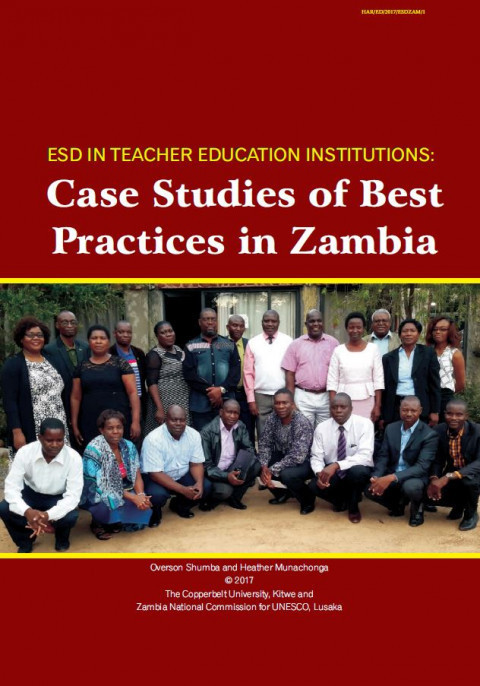 ESD in Teacher Education Institutions: Case Studies of Best Practices in Zambia Année de publication: 2017 Auteur: Overson Shumba | Heather Munachonga Auteur institutionnel: Zambia National Commission for UNESCO | Copperbelt University This book is a compilation of case studies on best practices in education for sustainable development in teacher education institutions in Zambia. It contributes to the dissemination of the best practices among the institutions and the wider society. It adds to examples of practices that are relevant to the UNESCO Global Action Programme on Education for Sustainable Development (GAP). The project was coordinated by Professor Overson Shumba at the Copperbelt university in Kitwe and Heather Munachonga, Programme Officer at the Zambia National Commission for UNESCO in Lusaka. The book was made possible with funding and support from UNESCO, Paris, the Ministry of General Education, the Copperbelt University, and the Zambia National Commission for UNESCO. All the institutions were supported by the teacher education institutions and their partners. The book illustrates some of the actions undertaken consistent with pursuit of the education SDG4 target 7. It is expected that this book will lead teacher educators and teachers to come up with further innovations and to integrate them in their professional work. Whole institution actions are encouraged so that best practices as found in this book can permeate and transform all aspects of the institution: the curriculum, teaching, assessment, research, extra-curricular activities, and operations, and must involve everyone, students, workers, lecturers, and the surrounding community.
  دور المدرسة في تنمية قيم المواطنة لدى المتعلمين : مرحلة التعليم المتوسط والثانوي نموذجا Année de publication: 2016 Auteur: بوطبال، سعد الدين Auteur institutionnel: University of Ouargla هدفت الدراسة الراهنة إلى تقصي دور المدرسة من خلال المقررات الدراسية في مرحلة التعليم المتوسط والثانوي في تنمية وتفعيل قيم المواطنة وجعلها راسخة في شخصية الأفراد، لتظهر بعد ذلك جليا في الحياة الاجتماعية من خلال ممارسات حقيقية. جرى الاعتماد على منهج تحليل المحتوى لمادتي التربية الإسلامية والتربية المدنية من خلال التركيز على المعاني الكبرى للمواطنة كفئات تحليل، والكلمات الدالة على المواطنة كوحدات التحليل. توصلت الدراسة إلى أن المدرسة تؤدي دورا في اكتساب المتعلمين لقيم المواطنة في شتى المجالات القانونية والسياسية، إلا انه يلاحظ وجود نقص في الاهتمام بالجانب النفسي السلوكي لقيم المواطنة، لذلك وجب ربط المقررات الدراسية بالمجتمع المحلي وخصوصياته ومشكلاته حتى يحدث تناسق بين أهداف المدرسة التي تستمد من الأهداف العامة للمجتمع من جهة، والاستجابة لمتطلبات العولمة ورهاناتها من جهة أخرى، لأن قيم المواطنة يجب أن تصاغ بشكل مباشر في جميع المناهج الدراسية قصد ترسيخها في التفاعلات الاجتماعية للأفراد والجماعات بشكل يجعلها تساهم في التنمية الشاملة بمختلف أبعادها، والمحافظة على الأمن والاستقرار الاجتماعي. The Role of the Secondary School in the Development of Citizenship Values of the Learners Année de publication: 2016 Auteur: بوطبال، سعد الدين Auteur institutionnel: University of Ouargla This study aims at determining the role of school (dea the manuals and the programs of secondary school)in the development and the consolidation of citizenship values in individuals personalities,so,as to be clear in the social life by implementing real policy.This will be achieved all the bases of content analysis of two subjects: Islamic education and physical education by focusing all the grat principles of citizenship as group of analysis and on words referring to citizenship as units of analysis.To conclude, this has lead to observe that the school plays a role in the acquisitions of citizenship principles in different areas (legal, politics,..).However, it has interest of been observed a lack in psycho behavior aspects relating to citizenship values.To achieve this goal, the school programs should be linked to the social environment (with all its specifities problems) so, as to be in harmony with school goals and to respond to globalization requirements in order to consolidate the sense of citizenship in the behavior of individuals and communities. Citizenship values school be clearly defined in all teaching programs for global development of society, with the preservation of social security and stability.
  تحديات التربية العربية في القرن الحادي والعشرين وأثرها في تحديد دور معلم المستقبل Année de publication: 2007 Auteur: ملكاوي، نازم محمود Auteur institutionnel: University of Sharjah استهدفت الدراسة التعرف على أهم التحديات والقضايا التي تواجه التربية العربية خلال القرن الحالي، كالتحدي الثقافي، والتربية المستدامة، وقيادة التغيير، وثورة المعلومات، وتمهين التعليم، والأزمة البيئية، لتكون منطلقاً في إبراز دور وأهمية وملامح معلم المستقبل. وتبين أن ما أعد له المعلم خلال القرن الماضي لا يتناسب ومتطلبات الدور الذي سيؤديه خلال القرن الحالي، حيث مدارس المستقبل الإلكترونية، والتعليم الإلكتروني من خلال الشبكات الممتدة عبر العالم، كما لم يعد المعلم هو المصدر الوحيد للمعلومات والمعارف، فهناك وسائل ومصادر متنوعة ومتعددة تضخ كميات هائلة من المعلومات، يستطيع الطلبة بسهولة ويسر تلقيها، فتؤثر فيهم، مما يفرض على معلم المستقبل تنمية قدراته الفكرية والثقافية والفنية.. الخ، وفهم دوره الجديد في توجيه كل هذه المصادر لخدمة الأهداف التربوية التي تصب في مصلحة وطنه وأمته. وأن يدرك أن المعرفة والتحكم بها هي أهم مصادر الثروة... واستخلصت الدراسة بعض الملامح والأدوار لمعلم المستقبل ليستطيع أداء رسالته بحيث يكون معلماً مدركاً أهمية المهنة التي يمارسها وقدسيتها، مشاركاً في اتخاذ القرارات، وقادراً على مد العملية التعليمية خارج أسوار المدرسة، مدركاً موقعه وأهميته في عصر العولمة والتقدم والانفتاح...خبيراً في طرق البحث عن المعلومة، يستند في عمله وسلوكه وممارساته إلى قاعدة فكرية وتربوية متينة، وعقيدة إيمانية قوية، قادراً على تهيئة طلبته للخلق والإبداع والابتكار والتجديد والتعلم المستمر. وأوصت الدراسة بضرورة بناء خطة تربوية تكاملية للأمة العربية حيث الظروف متشابهة، مستندين بتخطيطهم على البحث الميداني للواقع الحقيقي للمعلم والعملية التعليمية. Challenges of Arab Education in the Twenty-First Century and Its Effect in Determining the Role of Teachers in the Future Année de publication: 2007 Auteur: ملكاوي، نازم محمود Auteur institutionnel: University of Sharjah This study aims at recognizing the most important challenges and issues, which Arab education has encountered during the current century in order to initiate a starting point for highlighting the role of teaching and its importance for future teachers. Among such challenges have been cultural hurdles, sustainable education, change leadership, the information revolution, vocational instruction, and environmental crises.The study points out that the role of a teacher in previous centuries was substantially different from the role teachers are required to perform in this century, this with reference to electronic education, which has already been established throughout the world, and future electronic schools. The teacher is no longer the sole source of knowledge and information. In fact, there are various means and sources available with huge quantities of information that can be easily retrieved and applied to teaching, which might in turn encourage instructors to develop their thought processes and cultural and technical capabilities.Current and future instructors must have an understanding of their new role in directing all of these sources in order to serve educational objectives in the interest of their countries and the Arab nation as a whole. Knowledge and its use should be viewed as among the most important sources of wealth. It is unity not division, wholeness not partiality, swiftness not reluctance that should form the basis of the new educational model. The study focuses on the features and role of the future teacher so that he/she might perform the teaching mission properly. The importance of the teaching profession is made clear along with the need for instructors to participate in higher levels of the educational decision-making process.Instructors need to participate in the educational process inside and outside school and realize the importance of teaching in this age of globalization, progress and openness. Instructors need to be experts in the means and methods for accessing information. They should depend upon a solid and thoughtful educational basis, supported by a strong belief in the career of teaching as a profession and the importance of the instructor’s own behaviour so as to prepare students with creativity, innovation and their constant learning in mind.The study recommends building a comprehensive educational plan for the Arab nation, where similar circumstances permit, the planning of which should be based on field and scientific research and encompass both the teacher and the educational process.