
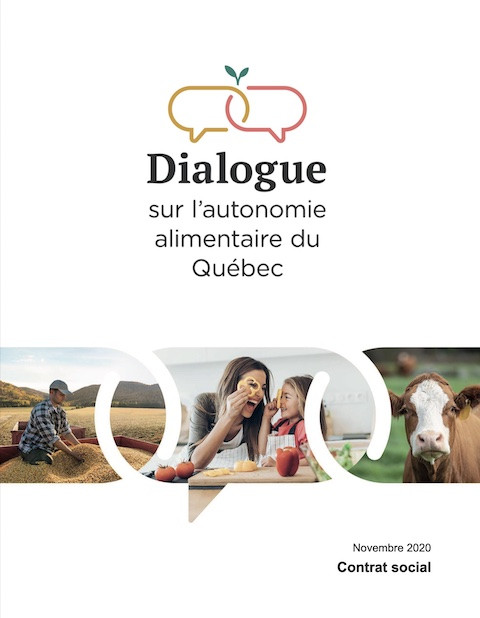
Dialogue on Quebec Food Autonomy
Food autonomy is more than ever a crucial subject for Quebec society. The COVID-19 pandemic has revealed the fragility of our food system and has created a new opportunity to talk about this strategic issue. Several players are saying it: it It is time to bring agricultural producers closer to citizens, and to create new forms of solidarity between them.To do this, the Union des producteurs agricoles (UPA) wishes to set up a real opportunity for dialogue between the two ends of the production chain food, that is to say producers and citizens.
The Dialogue on food autonomy is an opportunity for citizens to participate in the development of a social contract on issues related to food autonomy and to facilitate a dialogue between them and producers, who are an essential link. of this strategic issue. It provides opportunities for open and constructive exchanges between agricultural producers and citizens, first separately and then in a common group. It will then be offered to all of Quebec.
관련 자료
-
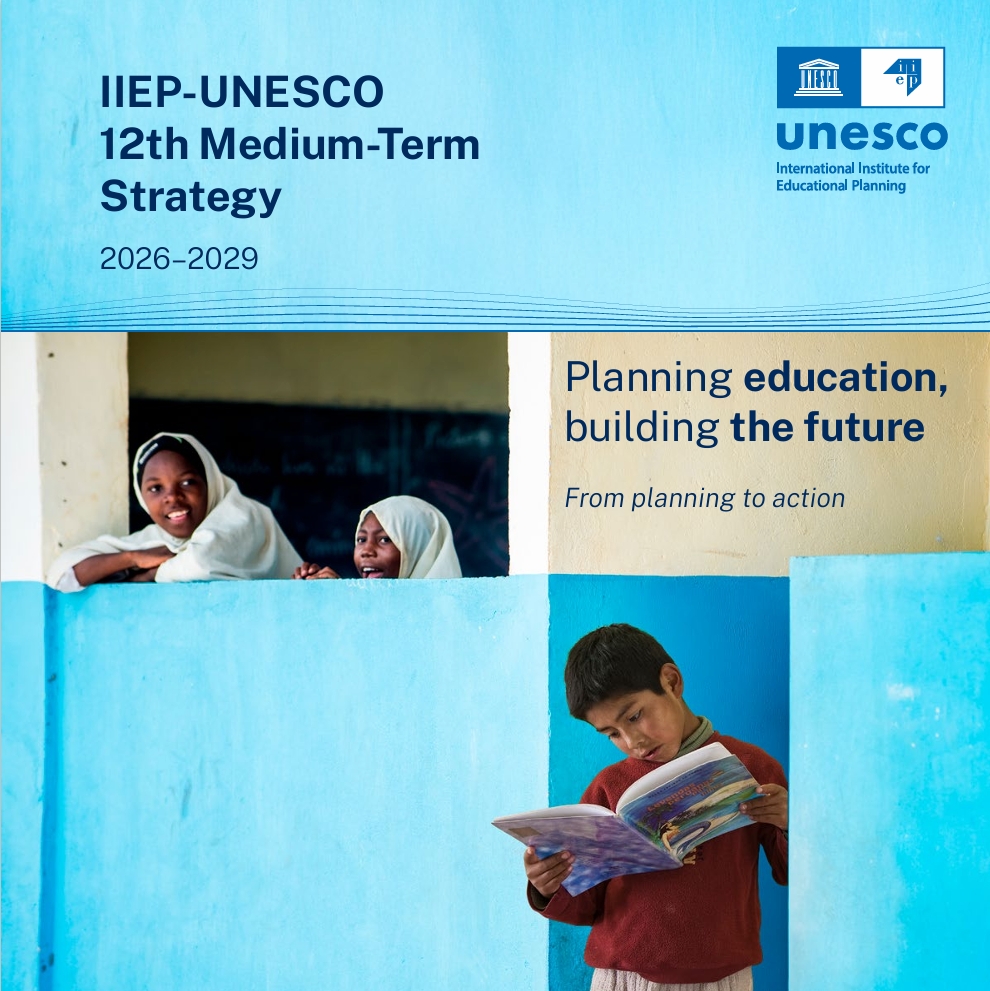 IIEP-UNESCO 12th Medium-Term Strategy: 2026–2029
 -
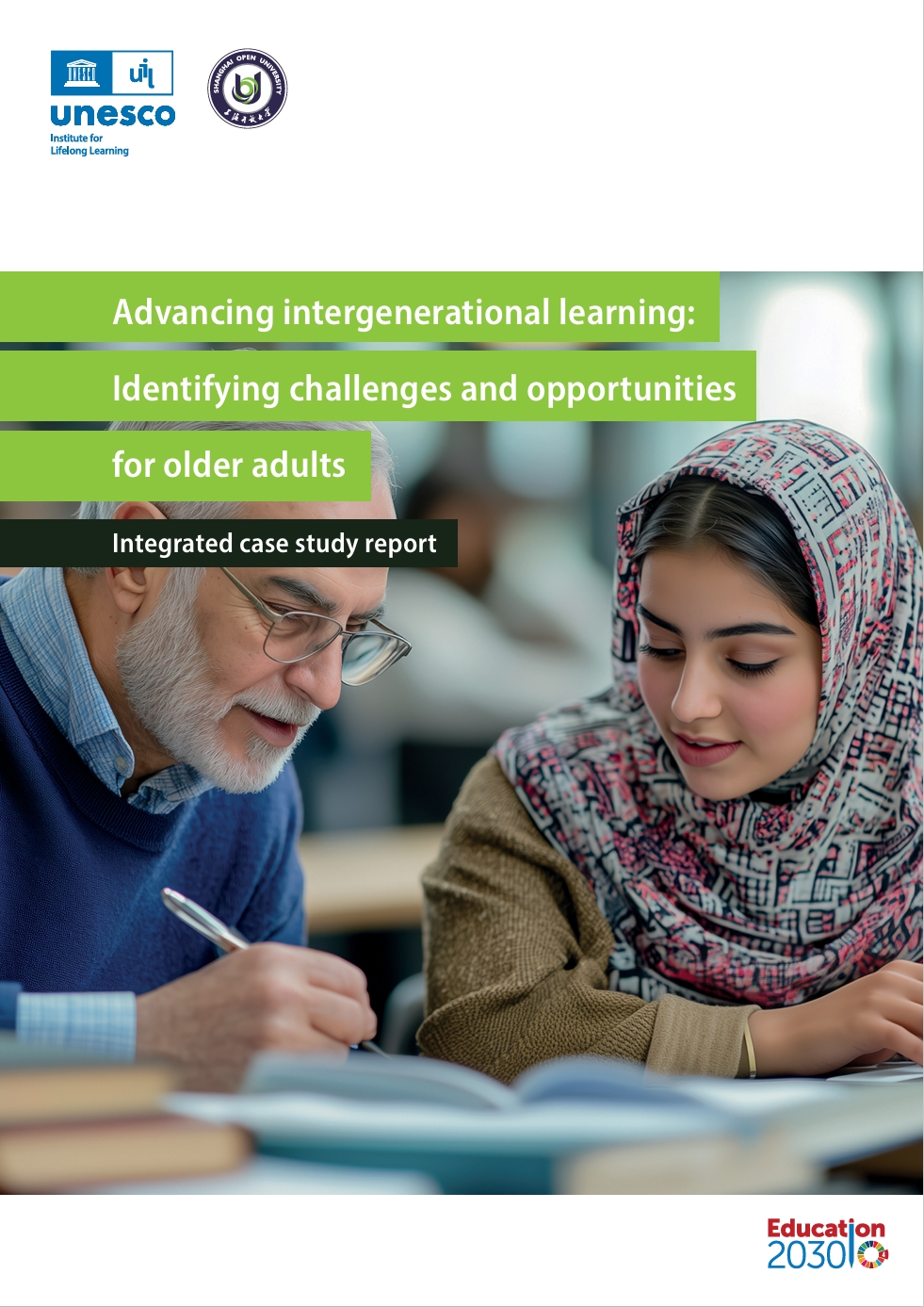 Advancing Intergenerational Learning: Identifying Challenges and Opportunities for Older Adults; Integrated Case Study Report
 -
 Digital Empowerment for Lifelong Learning and Transformative Andragogy (DELTA) for Adult Educators: Introduction to the DELTA Framework and Resources
 -
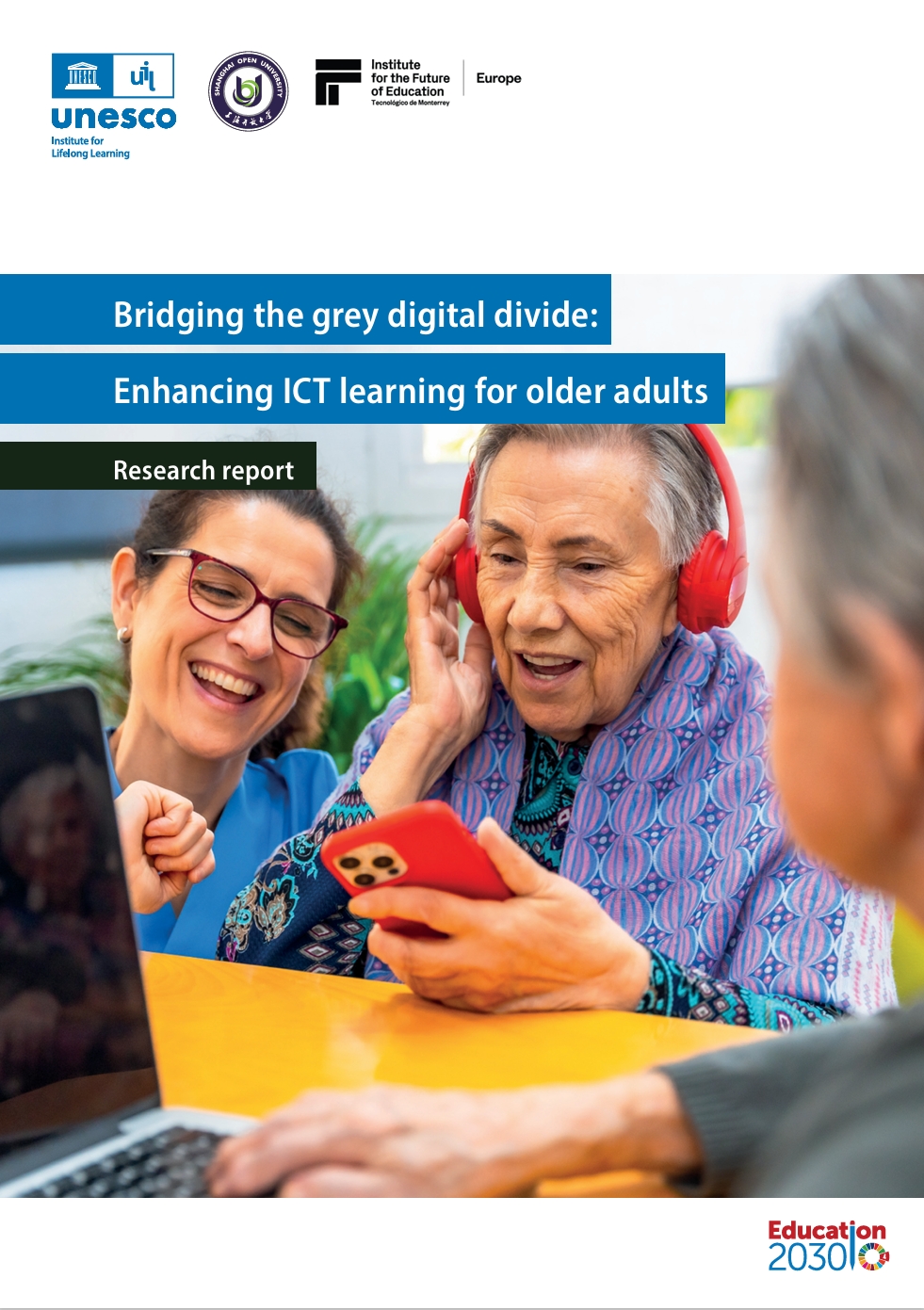 Bridging the Grey Digital Divide: Enhancing ICT Learning for Older Adults; Research Report