
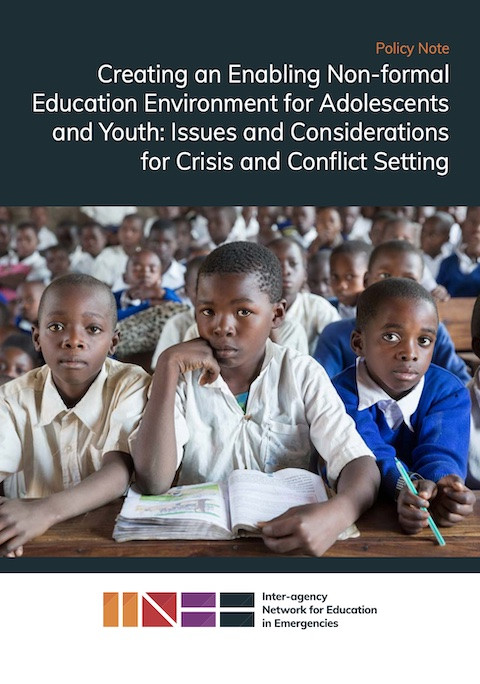
Creating an Enabling Non-formal Education Environment for Adolescents and Youth: Issues and Considerations for Crisis and Conflict Setting
- 형태사항
- 25 p.
- 원래 언어
- 영어프랑스어스페인어아랍어포르투갈어
- 발행 연도
- 2021
This policy brief offers recommendations to strengthen the policy environment within which non-formal education is delivered and highlights key considerations for those planning, designing and implementing non-formal programmes that seek to meet the core education and skill development challenges faced by out-of-school adolescents and youth, particularly those affected by conflict, crisis, or forced displacement.
관련 자료
-
 IIEP-UNESCO 12th Medium-Term Strategy: 2026–2029
 -
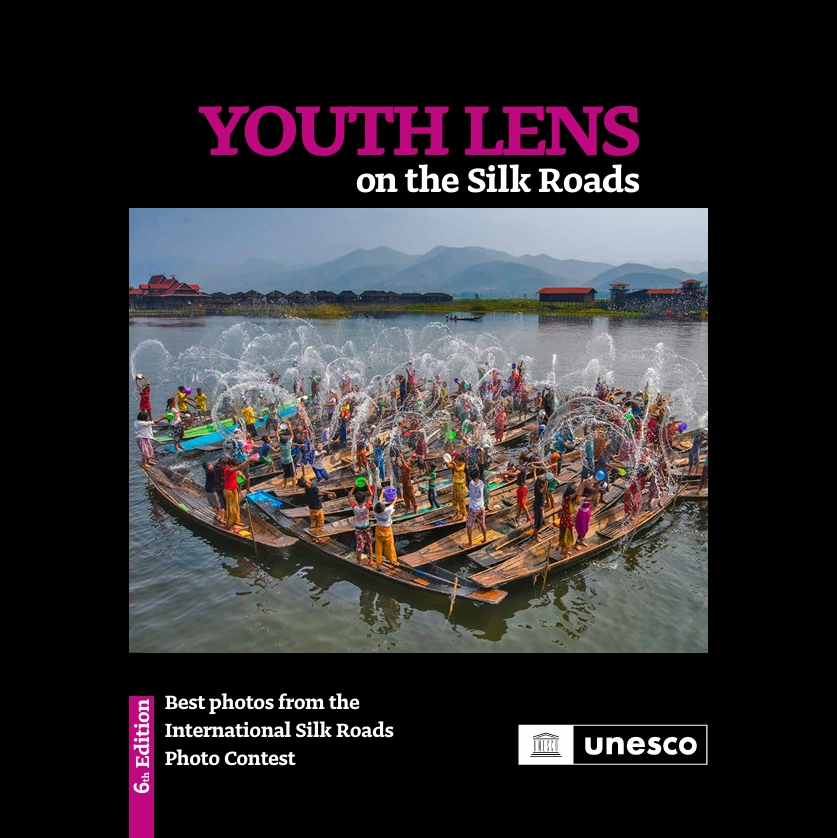 Youth Lens on the Silk Roads: Best Photos from the International Silk Roads Photo Contest; 6th Edition
 -
 Advancing Intergenerational Learning: Identifying Challenges and Opportunities for Older Adults; Integrated Case Study Report
 -
 Digital Empowerment for Lifelong Learning and Transformative Andragogy (DELTA) for Adult Educators: Introduction to the DELTA Framework and Resources