
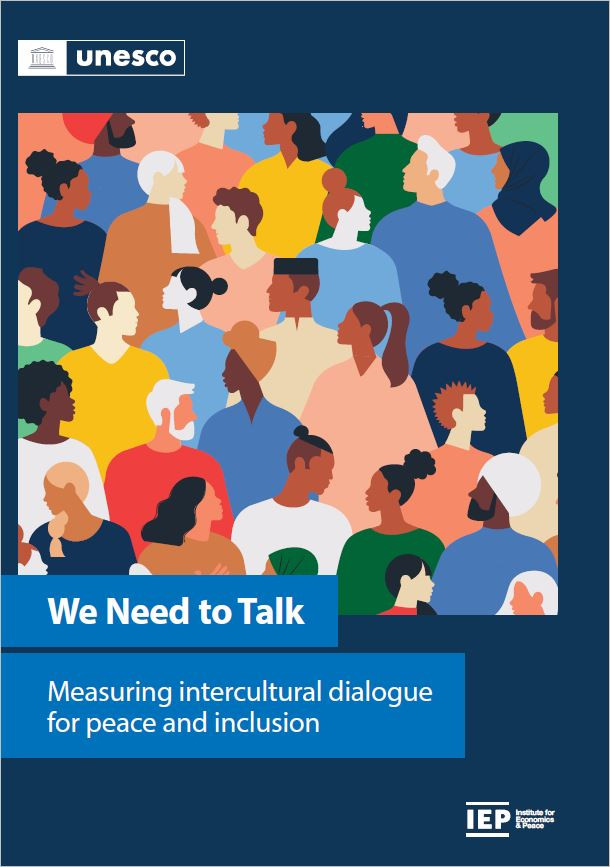
We Need to Talk: Measuring Intercultural Dialogue for Peace and Inclusion
- ISBN
- ISBN 978-92-3-100544-2 (UNESCO, eng); 978-0-6455610-0-5 (IEP, eng); ISBN 978-92-3-200278-5 (UNESCO, fre); 978-0-6455610-2-9 (IEP, fre)
- 형태사항
- 107 p.
- 원래 언어
- 영어프랑스어
- 발행 연도
- 2022
- 지역
- 전 세계
- 출판지역
- Paris; Sydney
An analysis into the power of intercultural dialogue and the new UNESCO Framework for Enabling Intercultural Dialogue, We Need to Talk presents the first evidence of the link between intercultural dialogue and peace, conflict prevention and non-fragility, and human rights. Using data covering over 160 countries in all regions, the report presents a framework of the structures, processes and values needed to support intercultural dialogue, examining the dynamics and interlinkages between them to reveal substantial policy opportunities with broad spanning benefits. Providing policy support and guidance, the report also includes information on regional trends as well as deep diving case studies.
The data, case studies, and think pieces contained in this report highlight key policy and intervention opportunities for intercultural dialogue as an instrument for inclusion, peace and wider societal benefits. Policy makers, development workers, peace and security actors, academics and more are invited to leverage the analysis in this report and findings of the Framework to strengthen intercultural dialogue around the world.
관련 자료
-
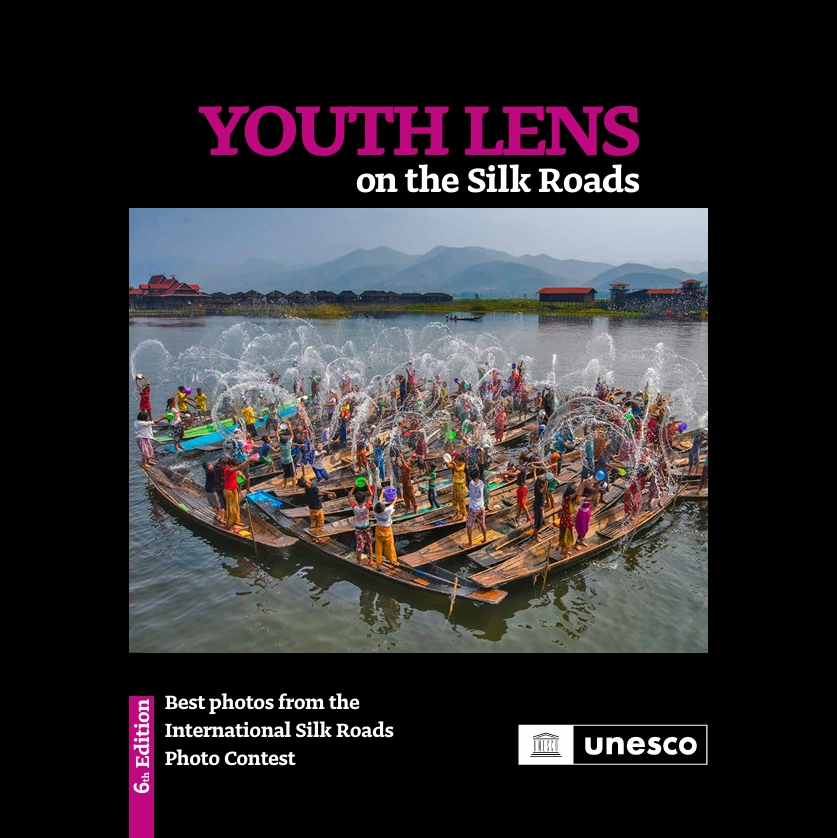 Youth Lens on the Silk Roads: Best Photos from the International Silk Roads Photo Contest; 6th Edition
 -
 Addressing Violent Pasts through Education: A Policy Guide
 -
 UNESCO Framework for Culture and Arts Education: Implementation Guidance
 -
 Mainstreaming the General History of Africa into Education Systems: The Curriculum Pathway