
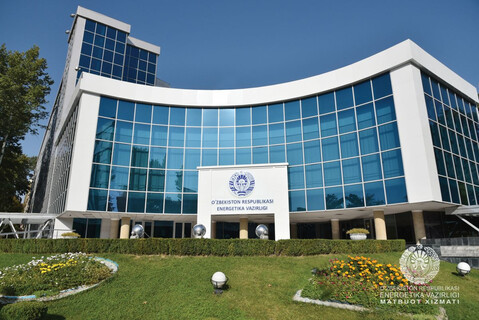
Transition to “Green Economy” in Uzbekistan: Opportunities and Challenges
- 형태사항
- 11 p.
- 원래 언어
- 영어러시아어
- 발행 연도
- 2023
Climate change issues and the crisis in the energy market have led to the development of technologies for the use of alternative, more environmentally friendly and possibly renewable resources, which are called “green” technologies. In Uzbekistan, the program of transition to a green economy and green growth until 2030 was adopted at the end of 2022. According to the program, by 2030, the share of renewable energy sources (RES) used will be about 30% of the country’s total electricity generation. The issue of awareness of the population as consumers about the relevance of diversification of energy consumption, advantages and disadvantages of alternative energy sources is relevant.
관련 자료
-
 IIEP-UNESCO 12th Medium-Term Strategy: 2026–2029
 -
 Advancing Intergenerational Learning: Identifying Challenges and Opportunities for Older Adults; Integrated Case Study Report
 -
 Digital Empowerment for Lifelong Learning and Transformative Andragogy (DELTA) for Adult Educators: Introduction to the DELTA Framework and Resources
 -
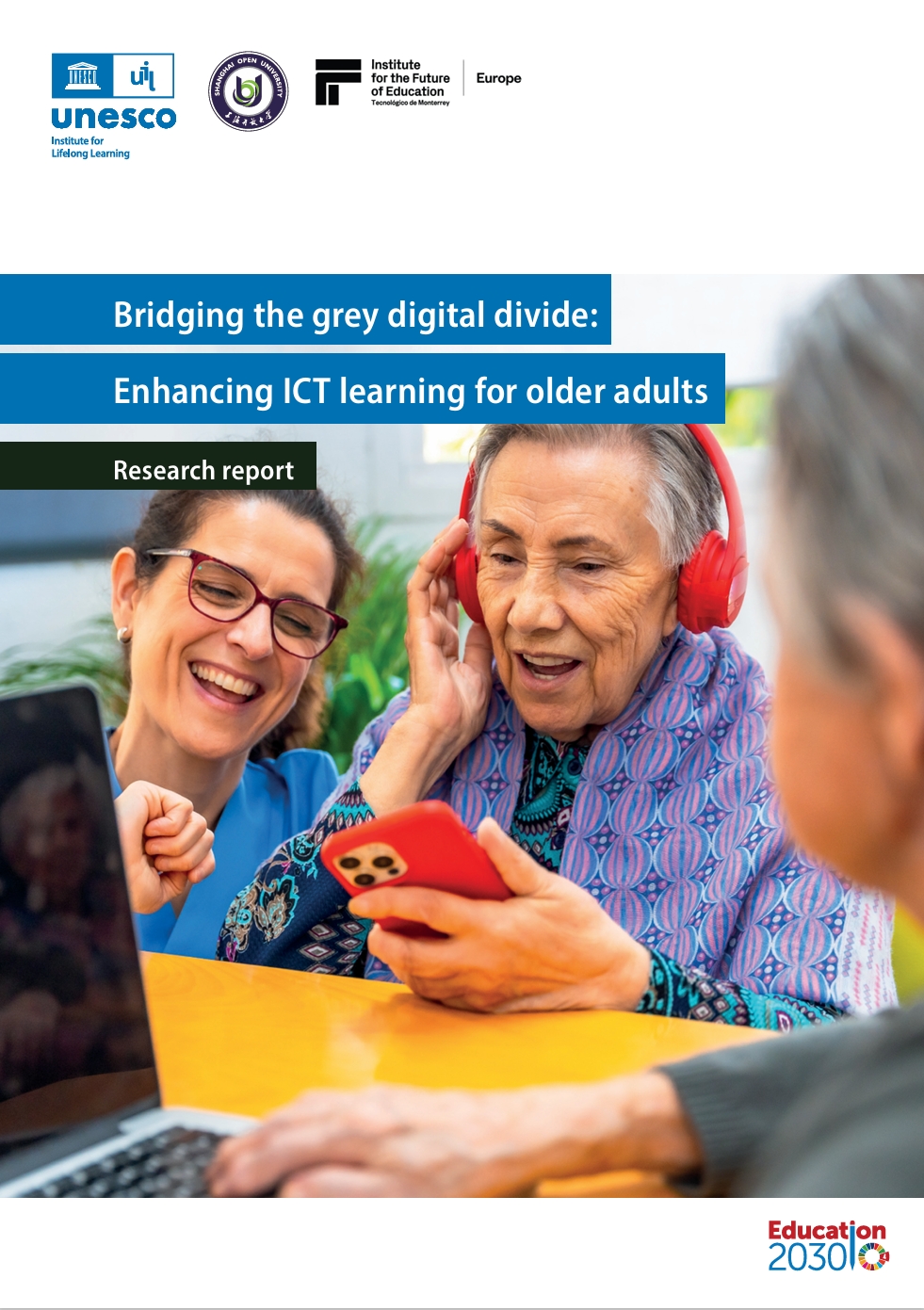 Bridging the Grey Digital Divide: Enhancing ICT Learning for Older Adults; Research Report